

Georgian Turned Leg Table
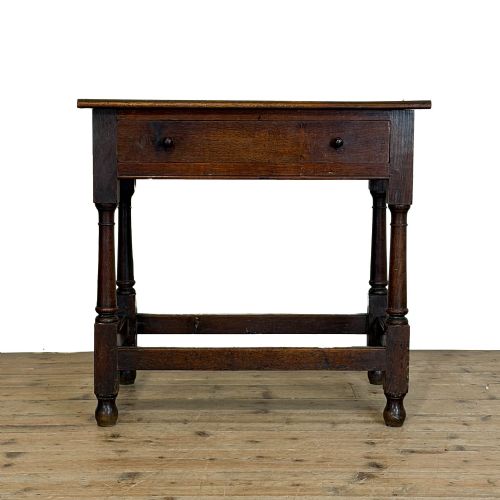
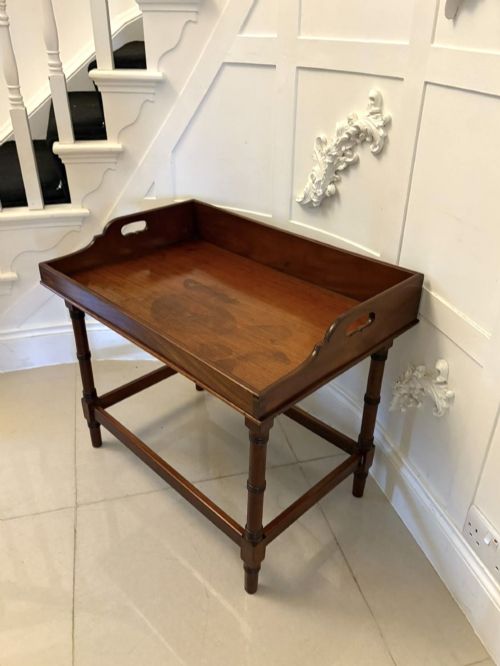
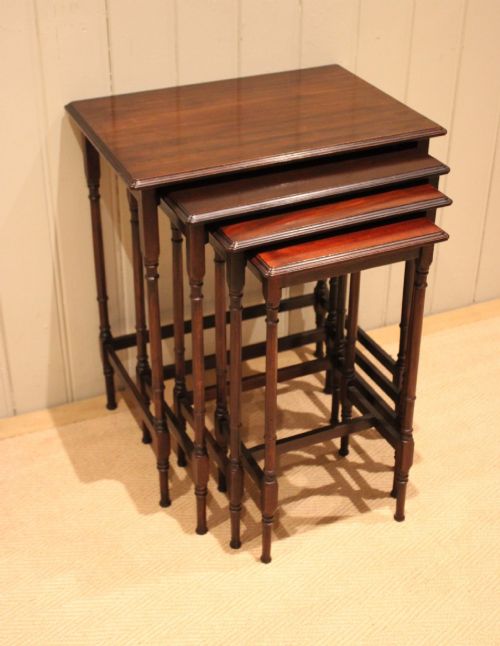
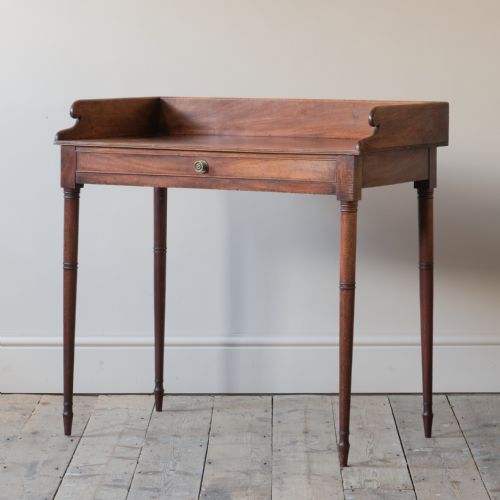
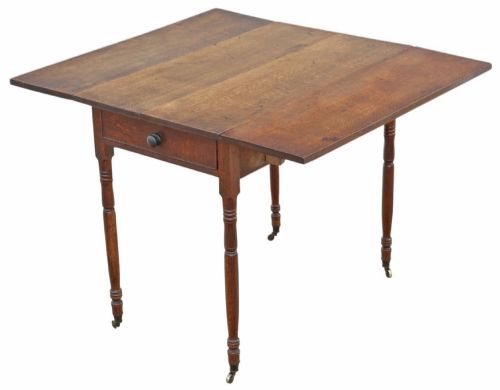
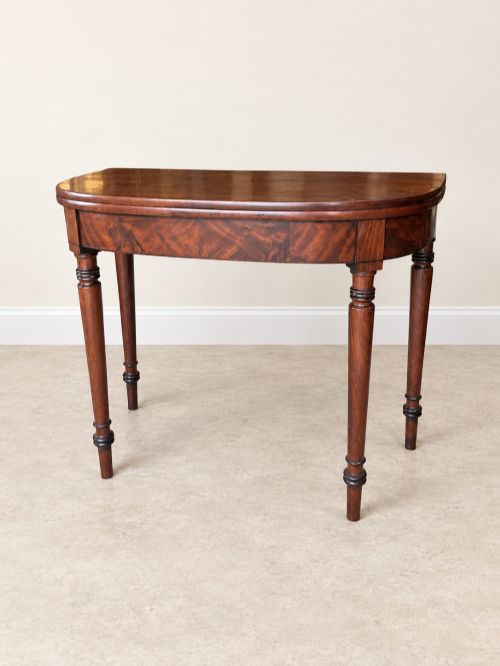
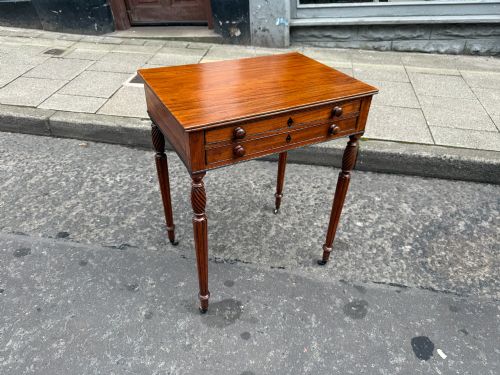
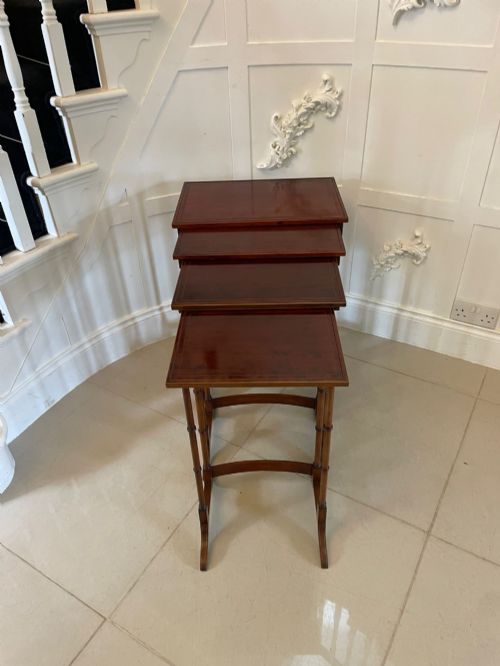
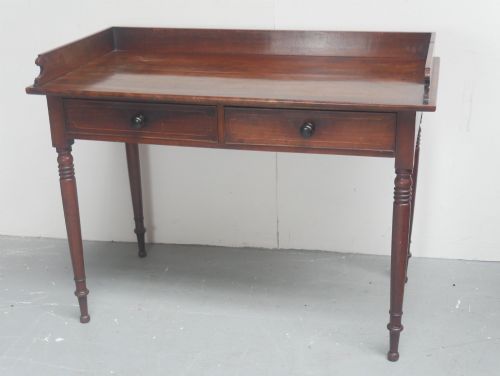
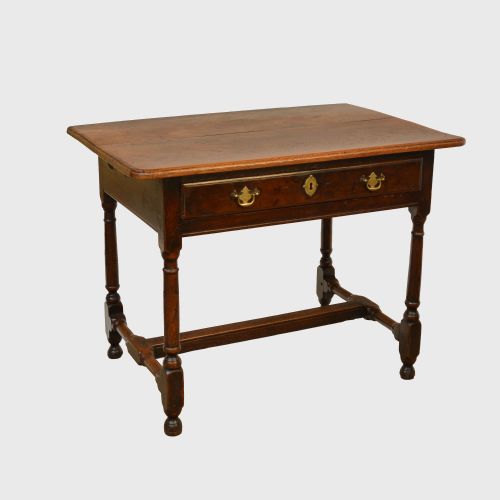
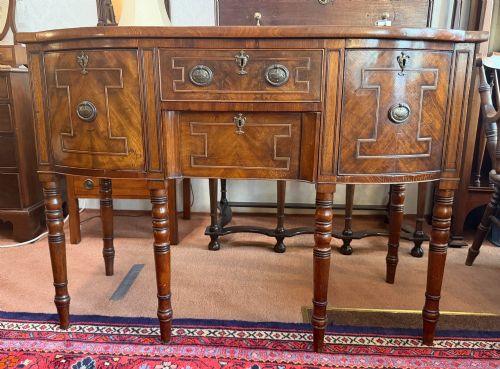
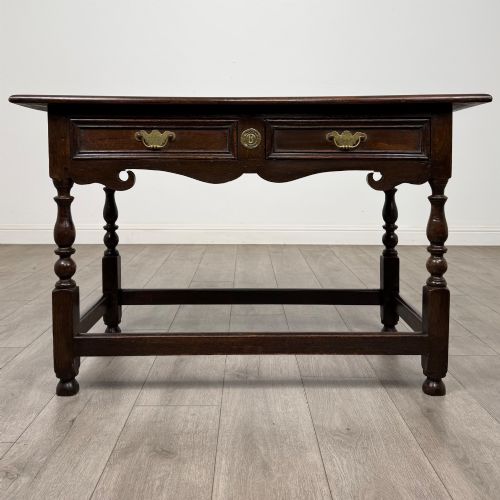
A georgian turned leg table offers sturdy domestic utility with proportioned turned supports, spanning side tables and dining pieces built in oak and mahogany.
Georgian Turned Leg Table
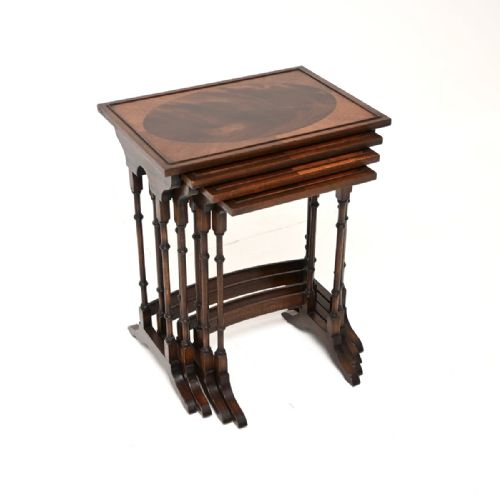
When you search for a georgian turned leg table, you encounter domestic items spanning side tables, drop-leaf dining pieces, and occasional tables originating from the eighteenth and nineteenth centuries. These pieces reflect the cabinet-making standards of the Georgian, Regency, and subsequent Victorian eras, constructed primarily to serve practical household functions.
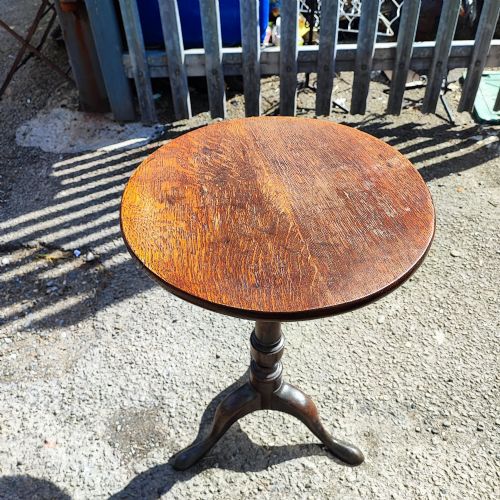
The versions most frequently met on this page combine timber tops with distinct circular or spindle-turned supports. Oak and mahogany dominate the offerings, appearing in forms such as gateleg dining tables, side tables, and washstands produced across the Georgian period and later nineteenth century.
Materials and Construction
Timbers such as mahogany, oak, and walnut form the structural core of these items, shaped using traditional joinery methods appropriate to each period. Workshops utilised solid woods alongside flame mahogany veneer to achieve varied surface finishes on tables and desks.
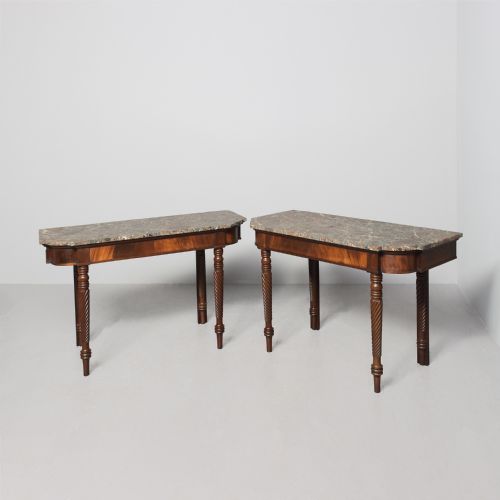
Turned legs were shaped on lathes to produce cylindrical, tapered, or bobbin profiles that supported the weight of the top boards. Brass fittings, iron fixings, and marble inserts appear on specific utilitarian or hall pieces alongside wooden hinges and pegged joints.
Georgian Turned Leg Table Retail Price Guide 2026
Typical asking prices for georgian turned leg table among the pieces listed under this phrase on Sellingantiques today, from the lower quarter to the upper quarter. They describe what is for sale here now, not the wider market.
Several tables arrived with secret compartments designed to hide small valuables from inquisitive Victorian houseguests.
Distinctions in Standard
The grade of a piece rests upon the selection of timber, the crispness of the turned leg details, and the integrity of the original construction. Selected hardwoods display consistent grain patterns and substantial weight without excessive structural replacement.
Refined examples demonstrate balanced proportions, careful joint work, and minimal alteration over time. Pieces retaining their original finish and structural harmony command higher regard among collectors than those with heavy rebuilding or mixed timber components.
James Mein of Kelso
The Georgian Turned Leg Table Glossary
- Gateleg table
- A table with hinged leaves supported by movable legs that swing out like gates. This form allows the surface area to expand or fold down for storage.
- Pembroke table
- A small rectangular table with two hinged drop leaves on opposing sides. It often includes one or more drawers and tapered turned legs.
- Tripod table
- A circular or oval top mounted on a central pillar supported by three spreading feet. These items function as wine or occasional tables.
- Tilt-top table
- A table designed with a mechanism allowing the top to pivot vertically when not in use. This feature enabled compact storage against walls in period rooms.
- Flame mahogany veneer
- A thin slice of mahogany timber cut from the fork of the tree to create a distinctive flickering flame pattern. Cabinet-makers applied this to primary surfaces for decorative effect.
Georgian Turned Leg Table: Frequently Asked Questions
How do I identify a Georgian table?
Identifying a Georgian table involves examining the timber species, construction joints, and stylistic markers characteristic of the eighteenth century. Solid oak and mahogany construction combined with hand-cut joinery points toward this historical window.
Pay attention to the turning style on the legs and the method used to attach the top. Period examples often exhibit patination and construction methods distinct from later nineteenth-century or twentieth-century reproductions.
Were turned leg tables used for dining?
Turned leg tables served multiple domestic purposes, including dining, writing, and general side table use. Larger gateleg and drop-leaf formats provided extendable surfaces for meals in period homes.
Smaller variants acted as side tables, washstands, or wine tables within reception rooms and bedchambers. The turned leg design accommodated both heavy dining loads and lighter occasional functions.
How should I care for an antique table?
Maintaining an antique timber table requires stable indoor humidity and protection from direct sunlight and heat sources. Regular dusting with a soft, dry cloth preserves the polished surface without stripping the historic finish.
Avoid placing damp items directly onto the wood and use coasters or protective pads. Applying suitable wax periodically helps nourish hardwood surfaces like mahogany and oak.