
Georgian Tripod Tea Table
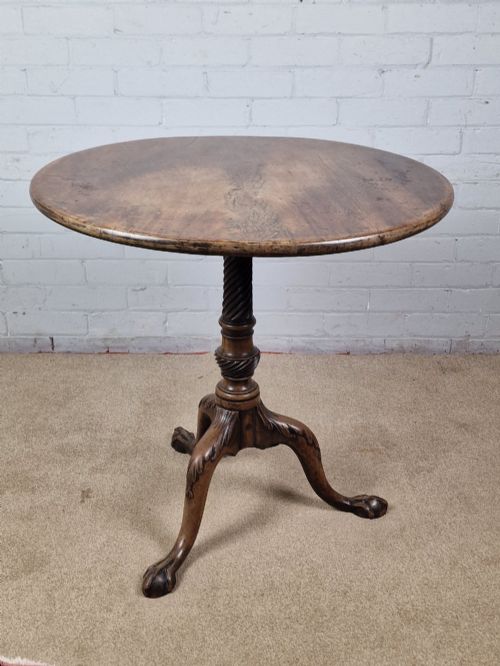
These are a georgian tripod tea table, the circular pedestal pieces designed to hold the evening brew.
Defining the georgian tripod tea table
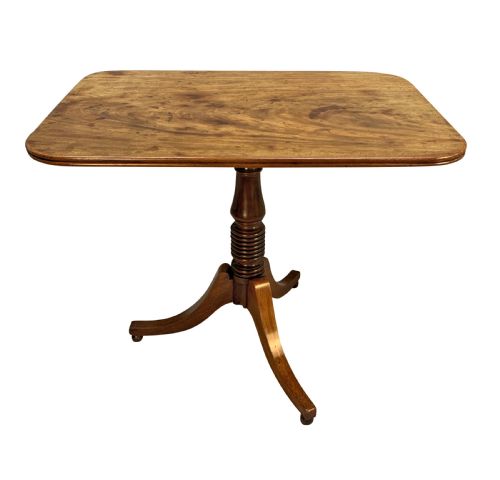
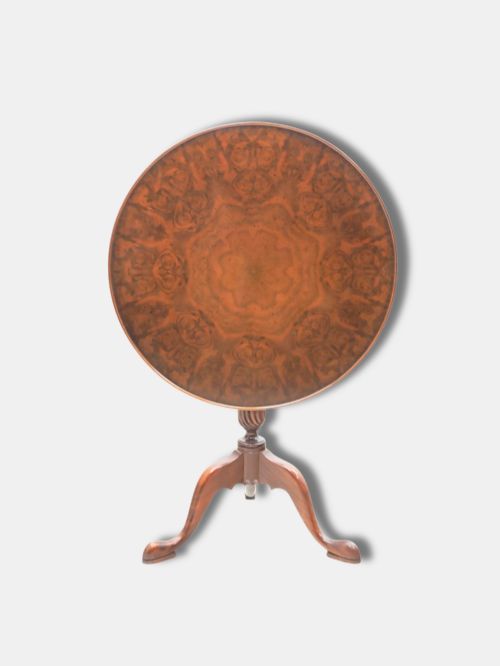
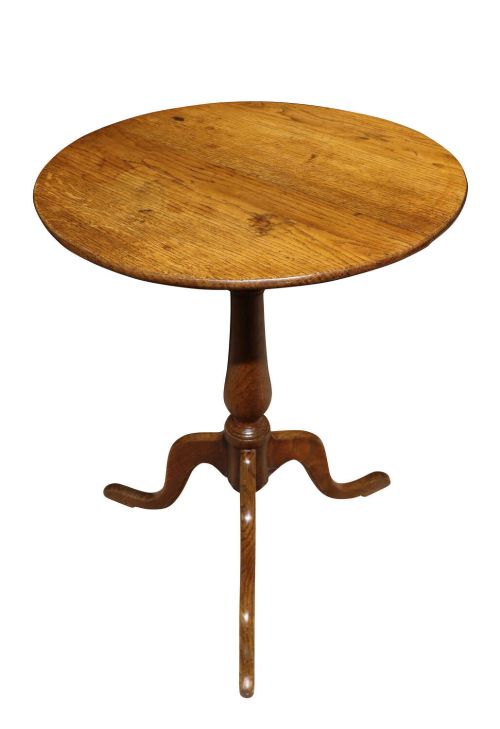
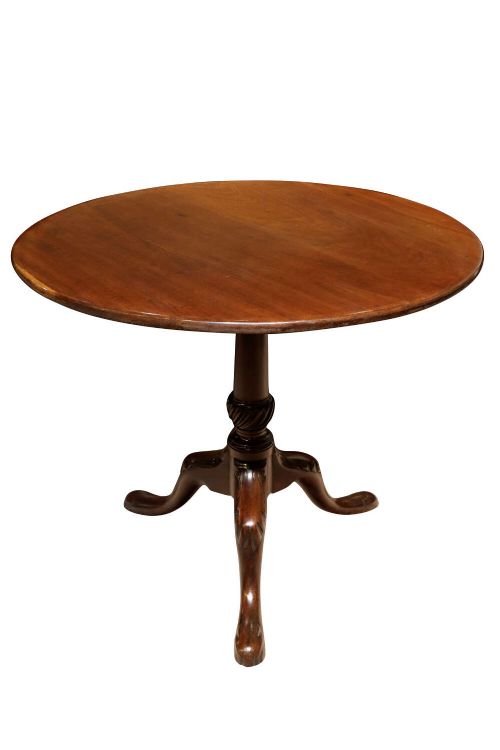
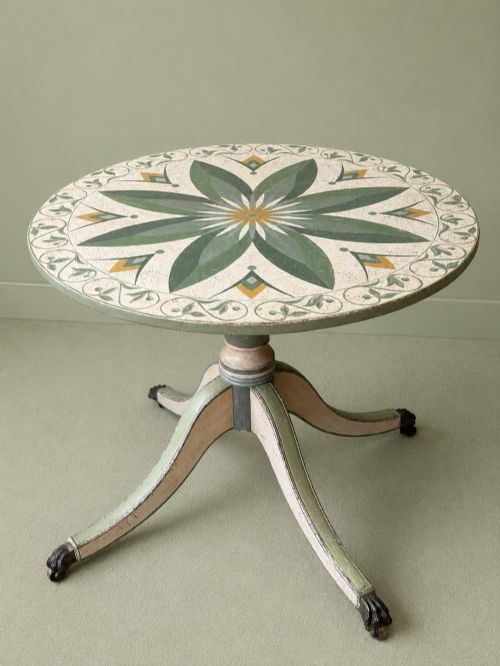
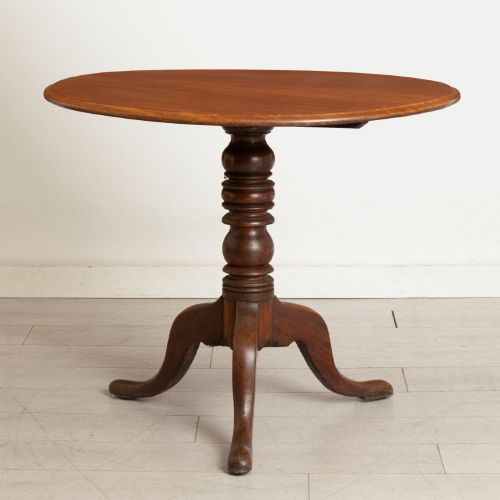
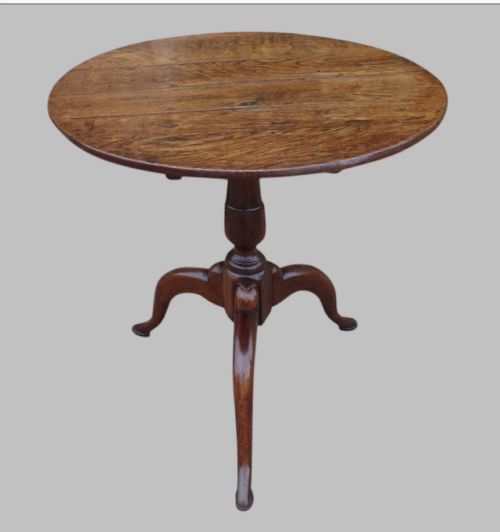
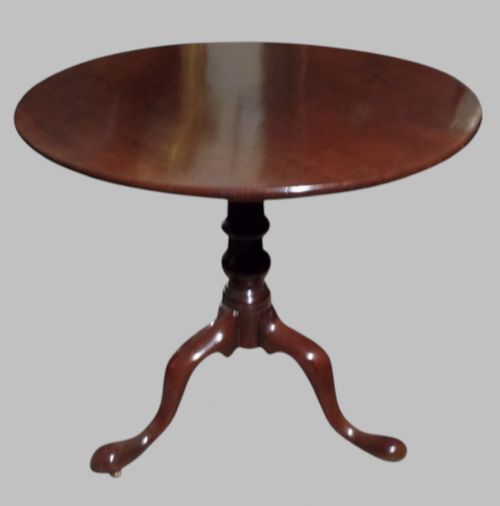
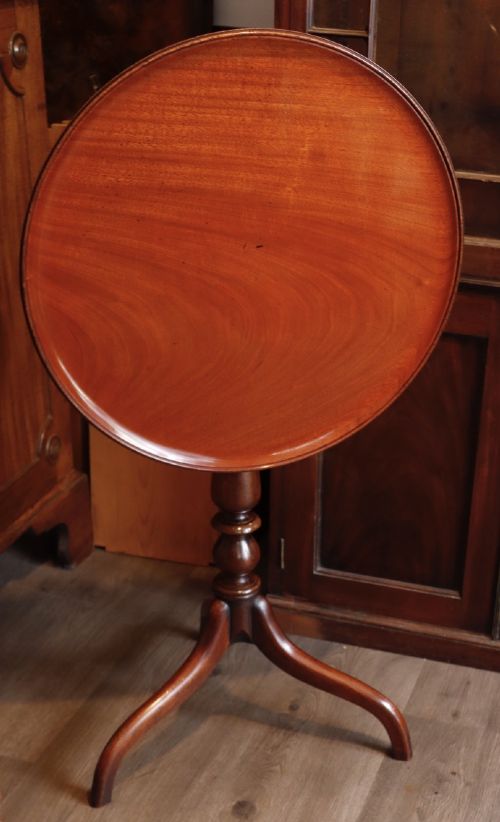
A georgian tripod tea table combines a circular top with a central pillar and three legs, built for domestic service during the eighteenth century. These pieces appear as occasional tables, side tables, and tilt-top designs intended for tea, supper, and wine.
The materials recorded in the evidence include mahogany, oak, padouk, and red walnut, alongside brass fittings and satinwood inlay. Pieces span the Georgian era and the eighteenth century, showing both plain oak utility and refined mahogany export work.
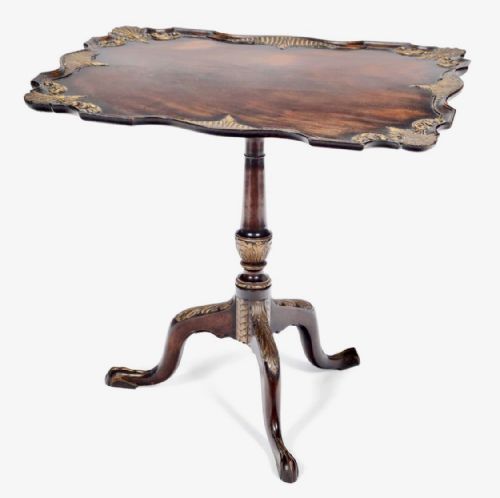
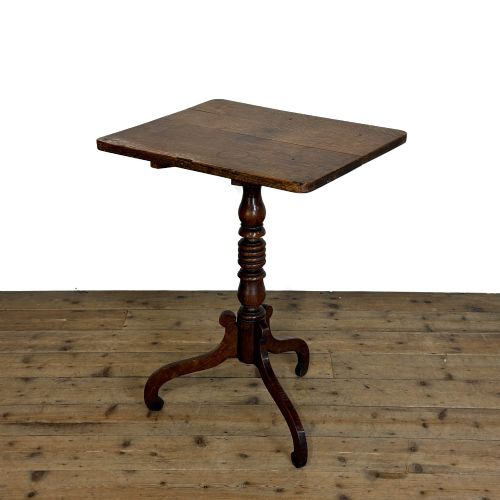
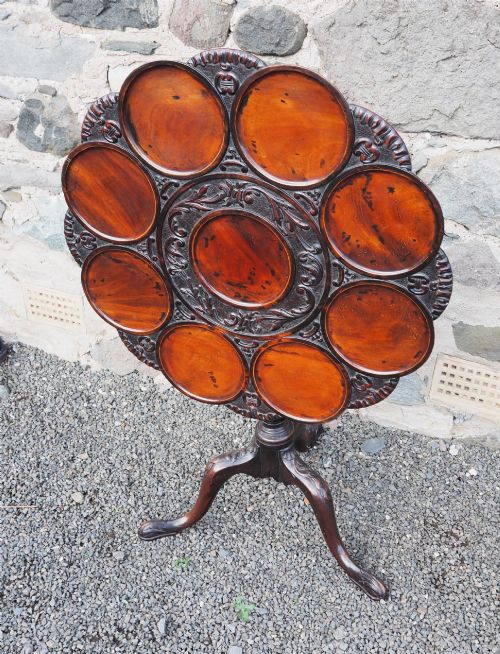
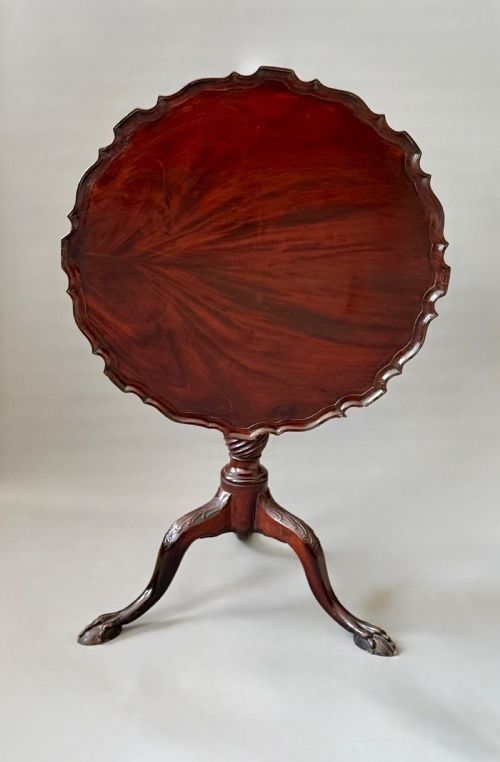
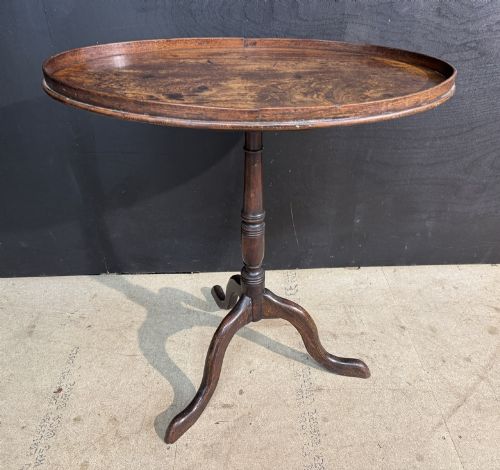
Surviving examples range from simple oak boards on turned stems to sophisticated tilt-top tables featuring bird-cage mechanisms, pie crust edges, and Chippendale style carving. The typical form stands ready to serve a room while occupying minimal floor space.
Construction and Materials
Cabinetmakers utilised solid timbers such as mahogany, oak, padouk, and red walnut to build the tops and bases of these pedestals. Turning lathes shaped the central columns, while hand saws and chisels formed the three splayed legs and support brackets.
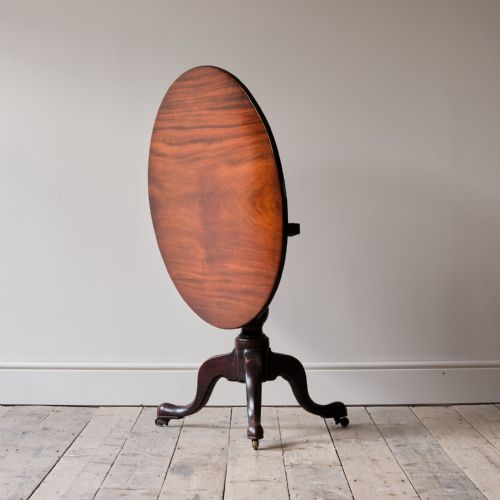
Many tops feature a tilt-top or snap-top action, sometimes mounted on a bird-cage mechanism that allowed the surface to rotate and fold flat against the stem. Brass catches and pivots secured the heavy circular tops when in use.
Retail Price Guide 2026
Typical UK retail prices for georgian tripod tea table, calculated from the Sellingantiques database of over a million retail prices indexed since 2003. This retail price guide relies exclusively on Sellingantiques data; no external sources or auction records are used, so the figures do not describe the wider market.
Evidence in the archive records examples spanning the Georgian period, eighteenth century, and George II and III reigns.
Judging Quality and Craftsmanship
The distinction between standard and superior pieces rests on the choice of timber and the ambition of the carving. Figured mahogany and red walnut with rich grain patterns elevate an interior, while oak provides a sturdier, vernacular utility.
Sophistication of mechanism and edge detail also separates the tiers of production. A plain round board represents basic utility, whereas a pie crust edge, satinwood inlay, or a functional bird-cage pivot demonstrates advanced workshop skill.
The Georgian Tripod Tea Table Glossary
- Tripod table
- A small freestanding table supported by a central pillar resting on three legs. This construction kept the piece stable on uneven floorboards.
- Tilt-top table
- A table with a hinged top that folds into a vertical position when not in use. This clever space-saving device allowed tables to stand flat against walls.
- Bird-cage
- A revolving wooden box structure beneath the table top that permits both rotation and tilting. It represents a sophisticated piece of internal joinery.
- Pie crust edge
- A raised, carved rim around a circular table top shaped in undulating curves. Cabinetmakers carved these contours directly from solid timber.
- Snap top
- A spring-loaded or latched mechanism that locks a tilting table top securely into the horizontal position. It prevents the surface from tipping unexpectedly during use.
Frequently Asked Questions
What were these tables used for?
These tables served primarily for holding tea services, supper dishes, or wine glasses during polite eighteenth-century gatherings. Their portable nature meant servants could move them around the room as needed.
When not in use, the tilt-top mechanism allowed the tables to be folded flat and stored against the wall to free up floor space.
How do I identify a Georgian period piece?
Look closely at the timber species, construction joints, and overall proportions of the pedestal and legs. The evidence shows preference for mahogany, oak, padouk, and red walnut during the eighteenth century.
Hand-cut joints and patination developed through centuries of polish offer reliable indicators of age, distinguishing authentic Georgian work from later revivals.
Why do some tops tilt?
The tilting function was an essential space-saving feature in eighteenth-century homes where rooms served multiple purposes throughout the day. It allowed the heavy circular top to rest flat against the central pillar.
This made the furniture much easier to push out of the way against a wall when tea time concluded and floor space was required for other activities.