




Georgian Table Centrepiece
A georgian table centrepiece anchors a formal dining arrangement, bringing height and silver, glass, or mahogany to the middle of the board.
Georgian Table Centrepiece
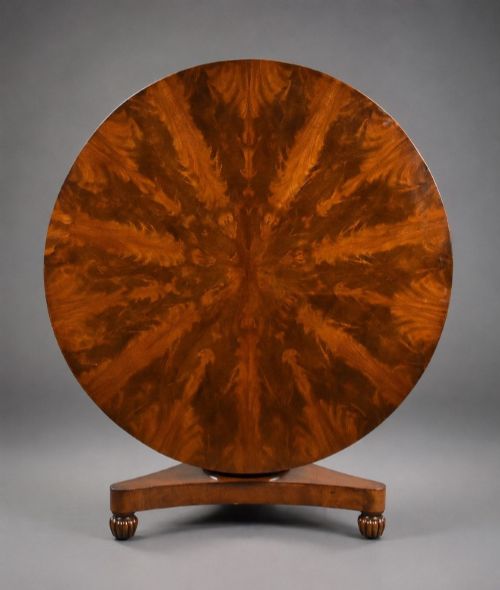
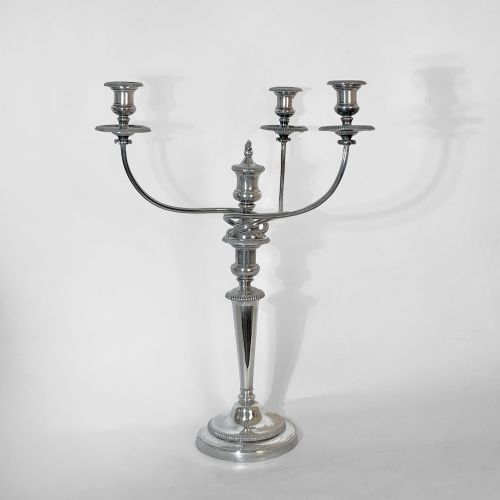
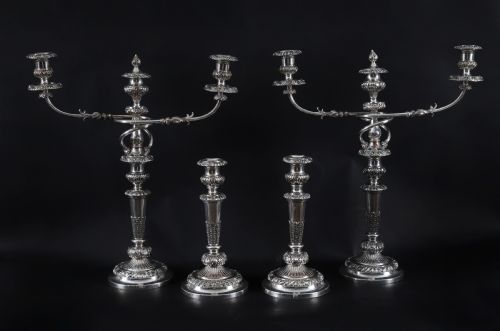
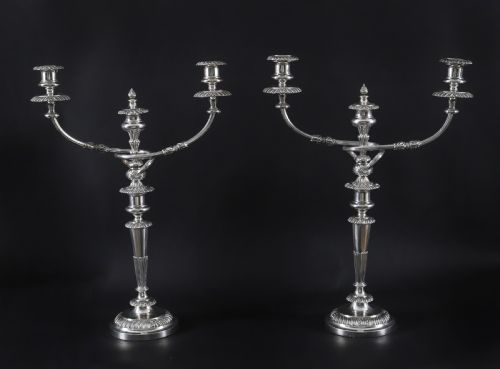
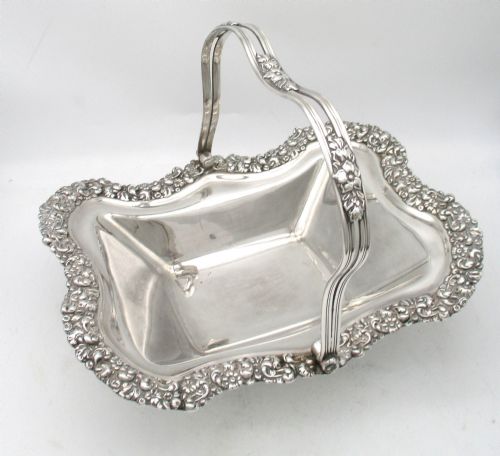
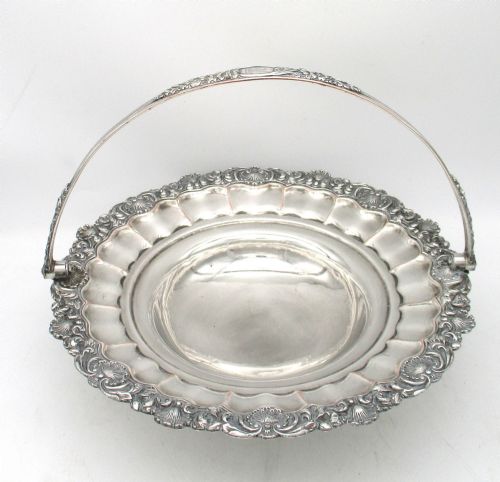
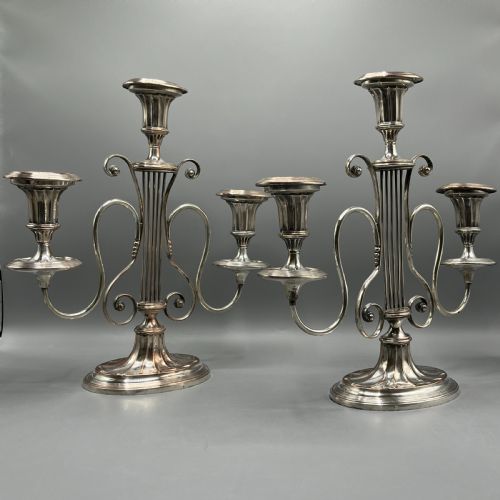
When you search for a georgian table centrepiece, you encounter a varied selection of dining accessories designed to sit in the middle of a dining table. The items span the eighteenth and nineteenth centuries, taking the form of tall candelabra, revolving lazy susans, baskets, and wine coolers.
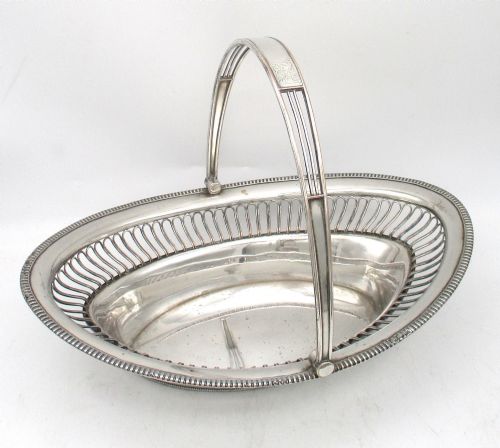
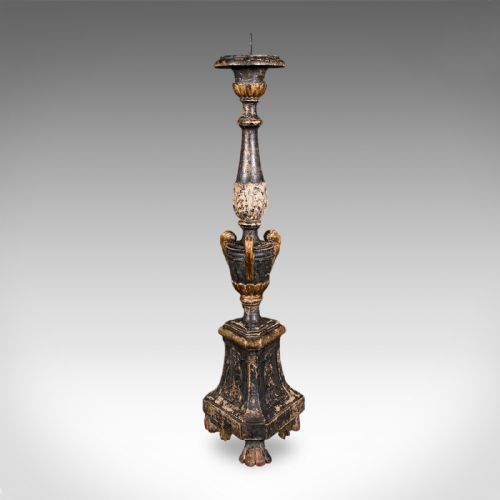
The pieces appearing on this page originate from British workshops and domestic settings, reflecting the dining customs of the period. Candelabra and wirework baskets dominate the selection, alongside mahogany revolving stands and silver pedestal dishes.
Makers working during the Georgian and Regency periods produced these table centrepieces in silver, Old Sheffield plate, mahogany, and cut glass to serve both decorative and practical purposes during long dining services.
Materials and Construction
Makers utilised Old Sheffield plate, sterling silver, and copper to construct durable metal candelabra, baskets, and wine coolers. Old Sheffield plate involves fusing a thin sheet of silver to a thicker copper base, a technique visible along exposed edges on older pieces.
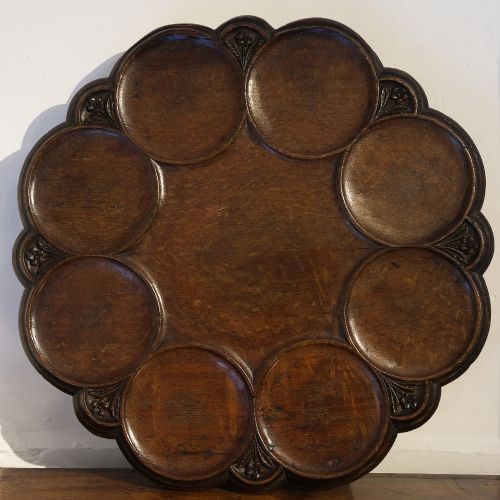
Cabinet makers selected dense timber such as mahogany and oak for revolving lazy susans and cheese coasters, often employing turnery and joinery to achieve smooth rotation. Glass sections utilise heavy cut glass bowls and epergnes shaped by hand and wheel.
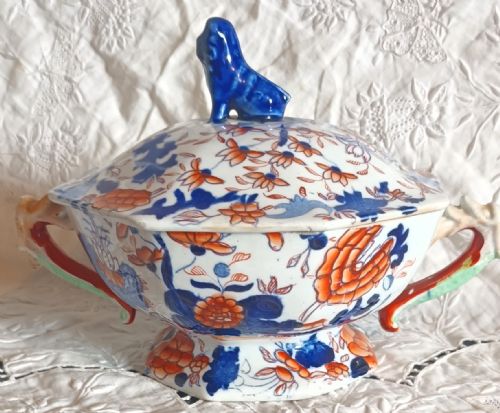
Ceramic pieces incorporate earthenware and porcelain, such as Mason's ironstone and transfer-printed pottery, shaped in moulds and fired with hand-painted or transfer details.
Georgian Table Centrepiece Retail Price Guide 2026
Typical asking prices for georgian table centrepiece among the pieces listed under this phrase on Sellingantiques today, from the lower quarter to the upper quarter. They describe what is for sale here now, not the wider market.
A revolving egg cup stand in treen wood once belonged to the private collection of the late Mrs Henry T Ford the second.
Judgement of Quality
The finest georgian table centrepiece examples demonstrate crispness in cast ornament and proportion, whether in the acanthus leaves on a candelabrum or the pierced wirework of a sweetmeat basket. Superior pieces retain their original gilding, clear hallmarks, and undamaged glass inserts.
Workmanship at the upper end shows careful attention to hidden construction, such as weighted bases on candlesticks and balanced rotation mechanisms in mahogany lazy susans. Lesser examples reveal worn plating, replacement parts, or clumsy repairs that disrupt the historical integrity.
Matthew Boulton·James Dixon & Sons·Blagden, Hodgson & Co·George Fox·John Walton·Davenport·Ridgway
The Georgian Table Centrepiece Glossary
- Old Sheffield Plate
- A composite material made by fusing silver to a copper core before fabrication. This method predates electroplating and leaves characteristic copper seams.
- Candelabra
- A branched candlestick holding multiple lights. These pieces often form the central height of a table arrangement.
- Wirework Basket
- A container formed from interwoven metal wires. Makers used them for serving bread, fruit, or sweetmeats during dessert courses.
- Lazy Susan
- A revolving tray placed on a table to assist with passing dishes. Georgian examples are typically turned from solid mahogany or oak.
- Epergne
- An elaborate multi-tiered centrepiece featuring a central basket surrounded by smaller hanging baskets or dishes for fruit and sweetmeats.
Georgian Table Centrepiece: Frequently Asked Questions
What is a georgian table centrepiece used for?
These pieces served practical and decorative functions during formal dining, holding candles, fruit, sweetmeats, or wine.
Hosts placed them in the middle of the table to provide illumination and display luxury materials to guests.
How do I tell Old Sheffield plate from sterling silver?
Old Sheffield plate often reveals a faint line of reddish copper where the silver layer has worn thin along edges or raised points.
Sterling silver pieces carry official assay office hallmarks indicating town, date letter, and maker's mark.
How do I care for a mahogany lazy susan?
Clean the timber surface using a soft, dry cloth and avoid exposure to direct sunlight or damp environments.
Apply traditional beeswax occasionally to nourish the wood and maintain the polished finish without harming the grain.
Are these centrepieces suitable for daily use?
While robustly constructed, antique metalwork and old glass require careful hand washing rather than automated cleaning.
Using them for modern dining adds historical character to the table while respecting the fragility of older materials.