

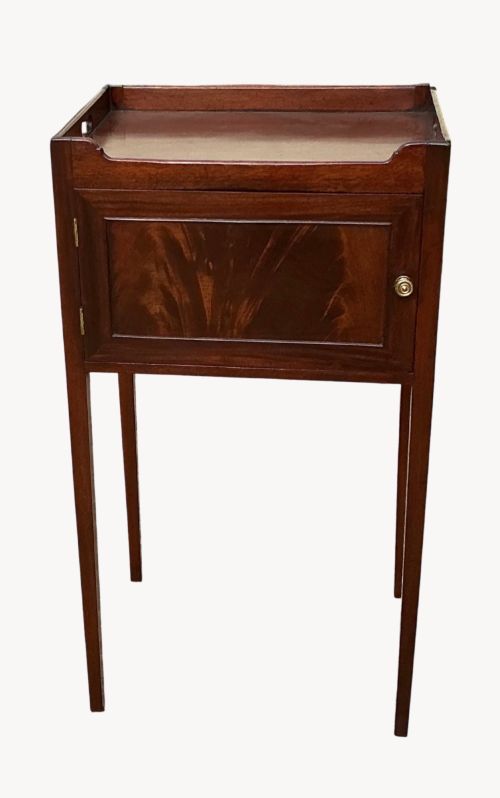
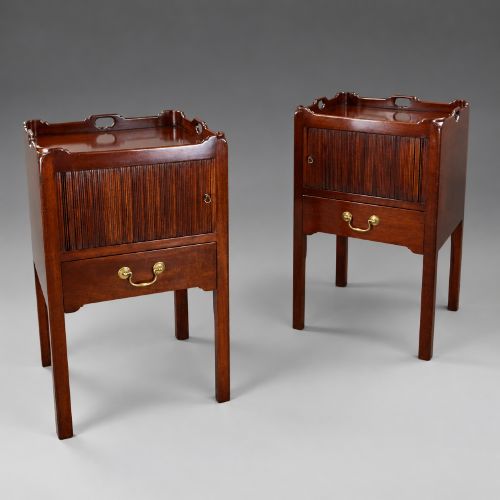
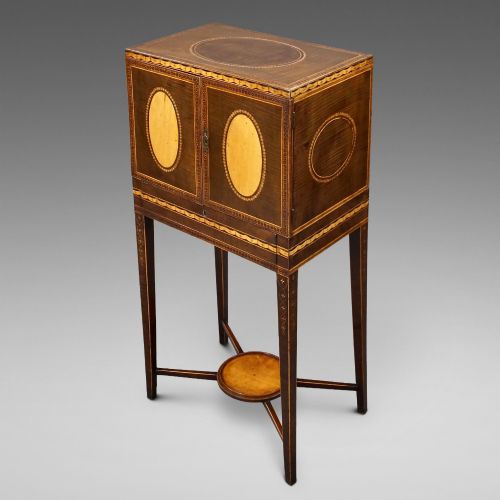
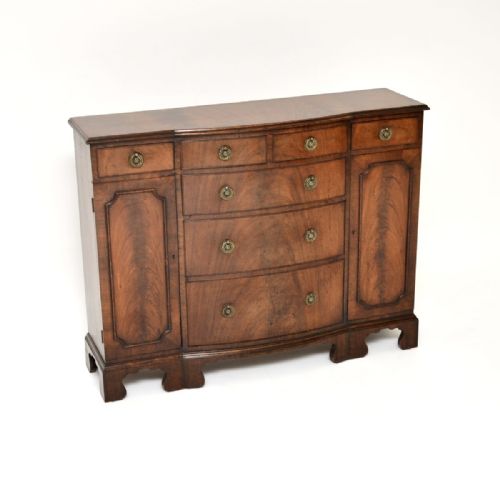
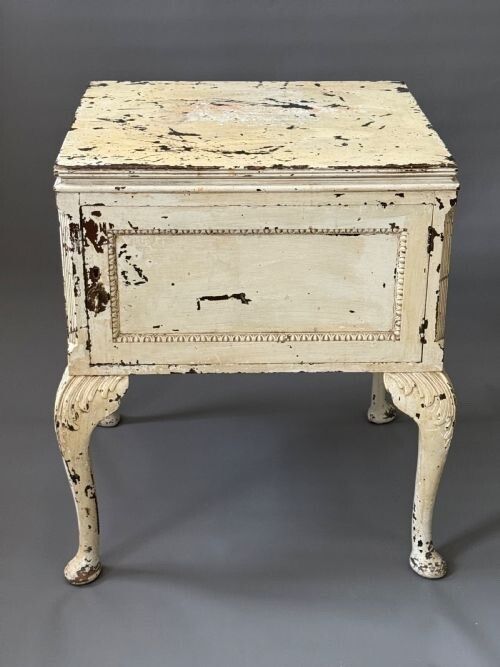
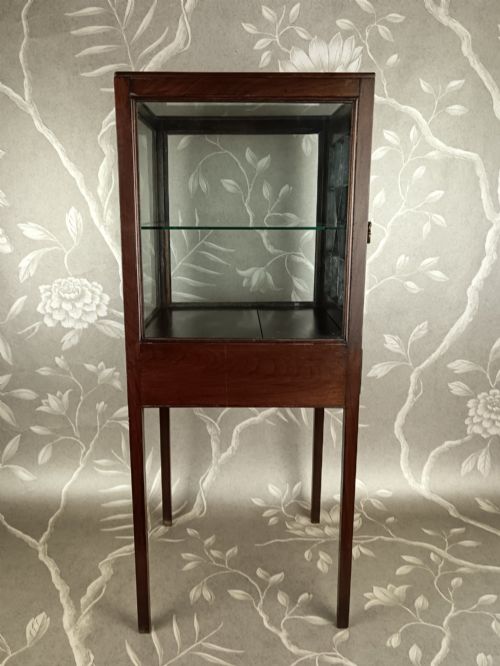
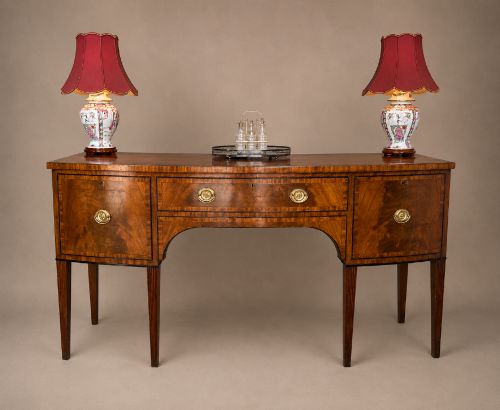
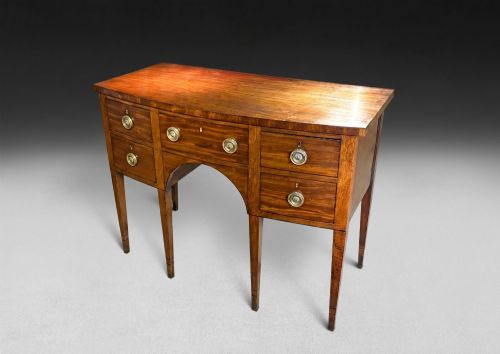
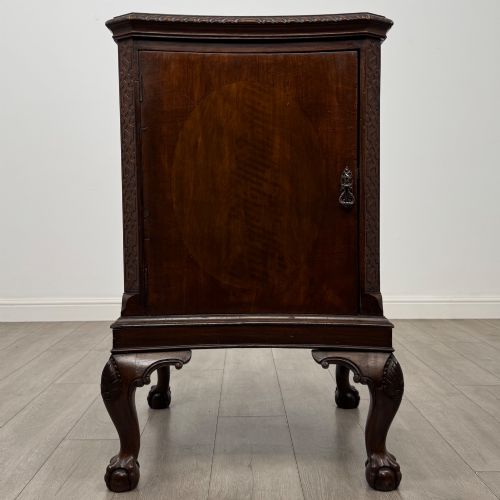
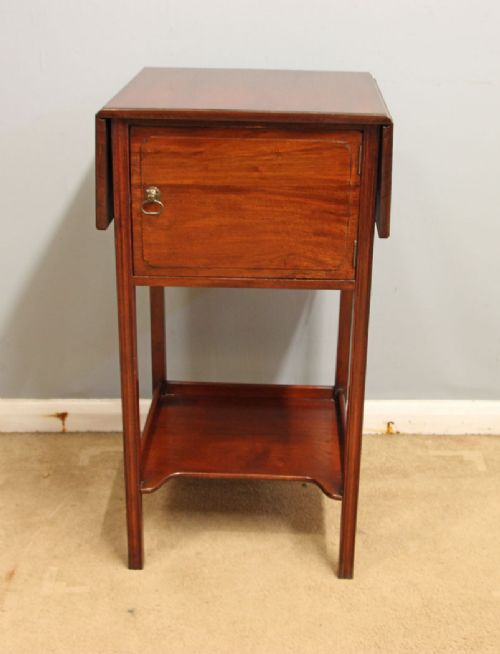
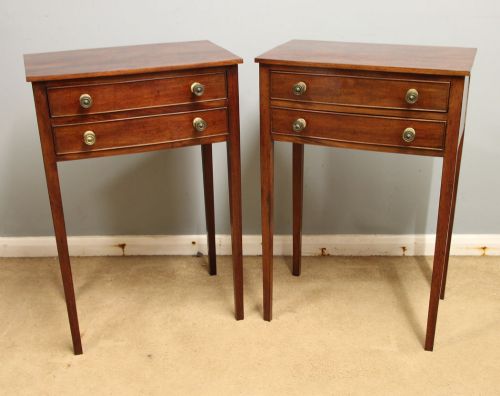
Georgian Table Cabinet
A georgian table cabinet brings compact refinement to a room, offering clever storage for precious items or papers within architectural timber frames.
Georgian Table Cabinet
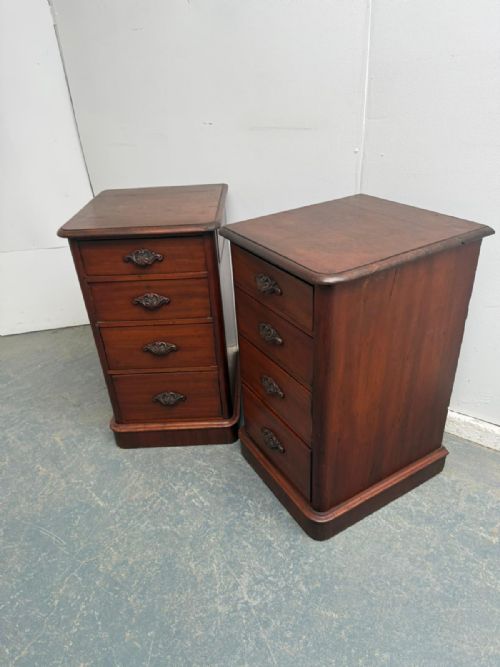
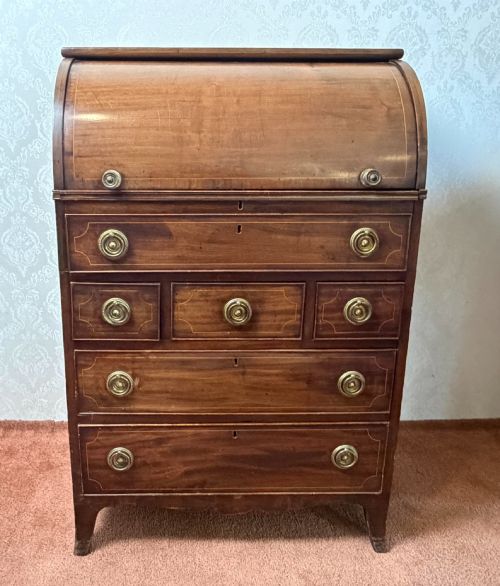
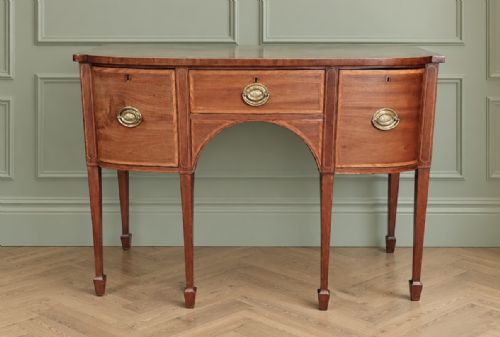
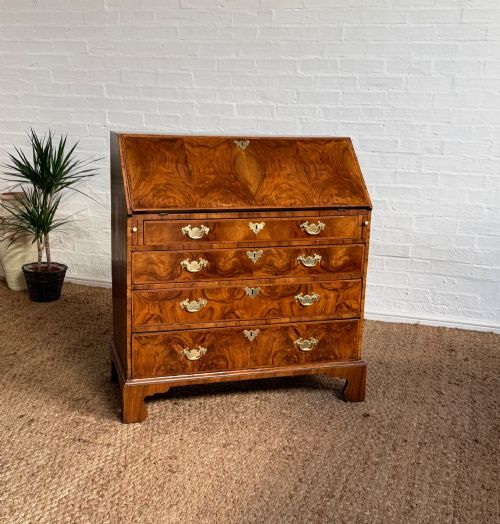
A georgian table cabinet encompasses small-scale freestanding or tabletop storage pieces created during the 18th and early 19th centuries, alongside later revivals. Buyers looking at this phrase will encounter everything from tabletop specimen cases and jewellery chests to bedside nightstands and pot cupboards.
The material record spans mahogany, walnut, oak, elm, and satinwood, reflecting the cabinetmaker's choice of dense hardwoods suitable for fine detailing. Pieces range from straightforward bedside cupboards to elaborately inlaid satinwood tabletop chests and glazed display cabinets on stands.
Surviving examples bridge practical household utility and refined display, often featuring fitted interiors, drawers, or tambour fronts. The selection on this page demonstrates both authentic 18th-century production and later Georgian style interpretations from the Edwardian era and 1920s.
How They Were Made
Construction relies heavily on solid mahogany, walnut, and oak carcasses, frequently enhanced with figured veneers such as burr walnut or harewood. Cabinetmakers utilised precise dovetail joints for drawer construction and applied boxwood or satinwood stringing to demarcate panel borders.
Surface finishes typically involve traditional wax polishing, which accentuates the natural grain and deep colour of the timber. Decorative detailing incorporates period conventions such as brass hardware, fine marquetry inlay, and carved bracket feet or pedestals.
Several close stools disguised as small bedside chests prove that Georgian cabinetmakers possessed a wonderfully discreet sense of humour.
What Varies in Quality
Quality rests in the choice of timber and the precision of the cabinetmaker's joinery, where finely figured grain and book-matched veneers separate standard utility pieces from high-status commissions. The crispness of carved details, the subtlety of inlay work, and the original integrity of brass handles and locks further define the upper tier.
Proportion and internal arrangement also dictate distinction, as master makers balanced compact dimensions with sophisticated internal fittings such as secret compartments, fitted writing surfaces, or tiered specimen drawers. Pieces retaining their original patination and uncompromised structural alignment command greater appreciation than heavily restored examples.
Gillows·Edwards and Roberts·T Dalrymple
The Georgian Table Cabinet Glossary
- Pot cupboard
- A small bedside cabinet originally designed to house a chamber pot, often featuring a cupboard door above a dummy drawer. These items frequently double as lamp tables in modern interiors.
- Tambour
- A flexible shutter constructed from narrow strips of timber glued to a canvas backing, allowing doors to slide smoothly around curved corners. This mechanism appears on specialised writing desks and small cabinets.
- Lowboy
- A small table with one or more rows of drawers, standing on relatively tall legs, functioning as a dressing table or side cabinet. They typically display classic 18th-century proportion and bracket feet.
- Specimen cabinet
- A small tabletop case fitted with multiple shallow drawers designed for housing natural history collections, coins, or jewellery. These pieces showcase meticulous interior carpentry.
- Crossbanding
- A decorative border technique where veneer is laid with the grain running perpendicular to the surrounding wood. It frames drawer fronts and tabletops on finer Georgian case pieces.
Georgian Table Cabinet: Frequently Asked Questions
What is a georgian table cabinet used for?
These compact pieces served various domestic purposes, from bedside storage and washing stands to housing portable writing desks and natural history specimens. Their adaptable scale made them suitable for private chambers and drawing rooms alike.
Today, they function neatly as bedside tables, lamp stands, or decorative tabletop display cases. Their hidden compartments and small drawers remain practical for organising modern desk accessories or jewellery.
How do I distinguish 18th century from revival pieces?
Authentic 18th-century pieces exhibit construction traits specific to the period, such as hand-cut dovetails, secondary timbers like oak or pine behind mahogany facades, and timber shrinkage consistent with age. The patina on the wood develops a deep, soft lustre through generations of waxing.
Revival pieces from the Edwardian era or the 1920s often use standardised machine-cut joints and modern internal fixings beneath a styled exterior. Examining the drawer linings and interior construction usually reveals the true manufacturing era.
Are bedside cabinets and pot cupboards the same thing?
A pot cupboard is a specific form of bedside cabinet originally constructed to contain a chamber pot behind a single door. They frequently incorporate a small pull-out slide or tray at the top.
Over time, many lost their interior fittings or were adapted for general bedside storage. On the market, the terms often overlap when describing small enclosed bedroom tables from the Georgian period.
How should I care for antique mahogany furniture?
Maintain timber surfaces by applying a traditional beeswax polish sparingly and buffing with a soft cloth to preserve the finish. Avoid placing antique cabinets in direct sunlight or near heat sources to prevent the wood from drying and splitting.
Keep humidity levels in the room stable to protect delicate veneers and inlay work. Gentle dusting with a dry microfibre cloth prevents dust accumulation without risking the antique polish.