


Georgian Style Longcase Clock
A georgian style longcase clock brings architectural presence and traditional timekeeping into a room, offering the tall proportions and wooden casework collectors value.
What these clocks are
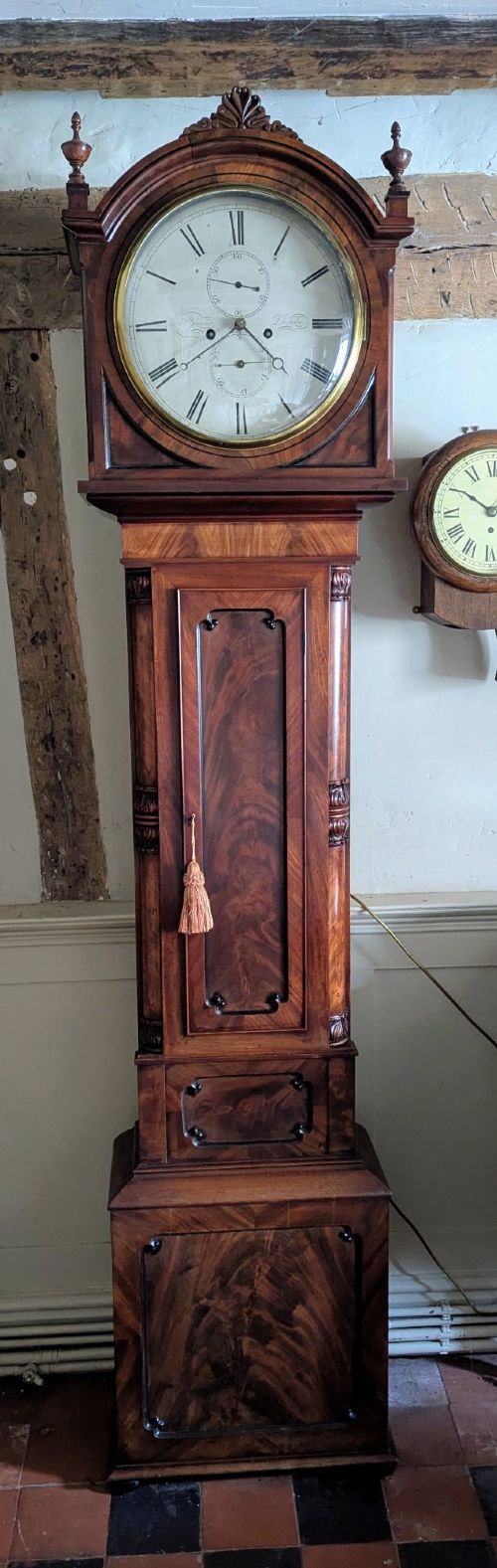
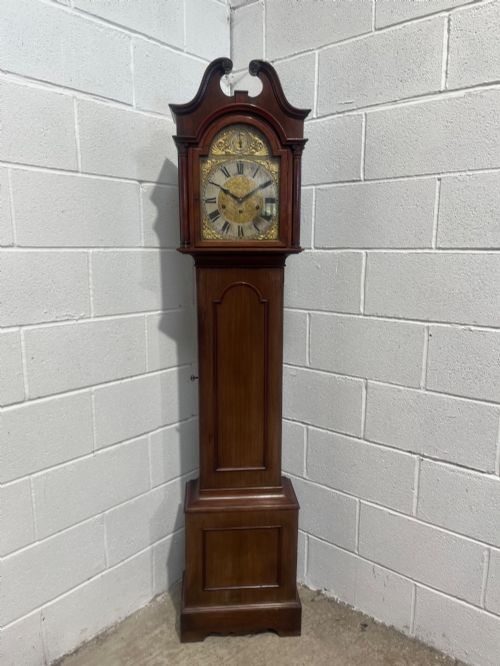
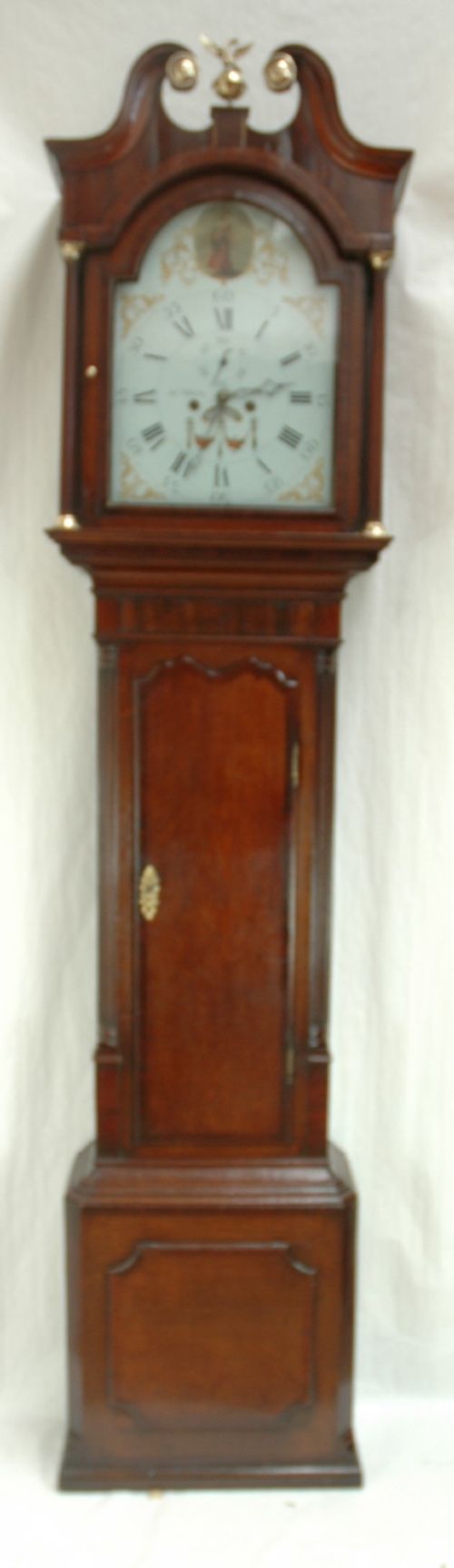
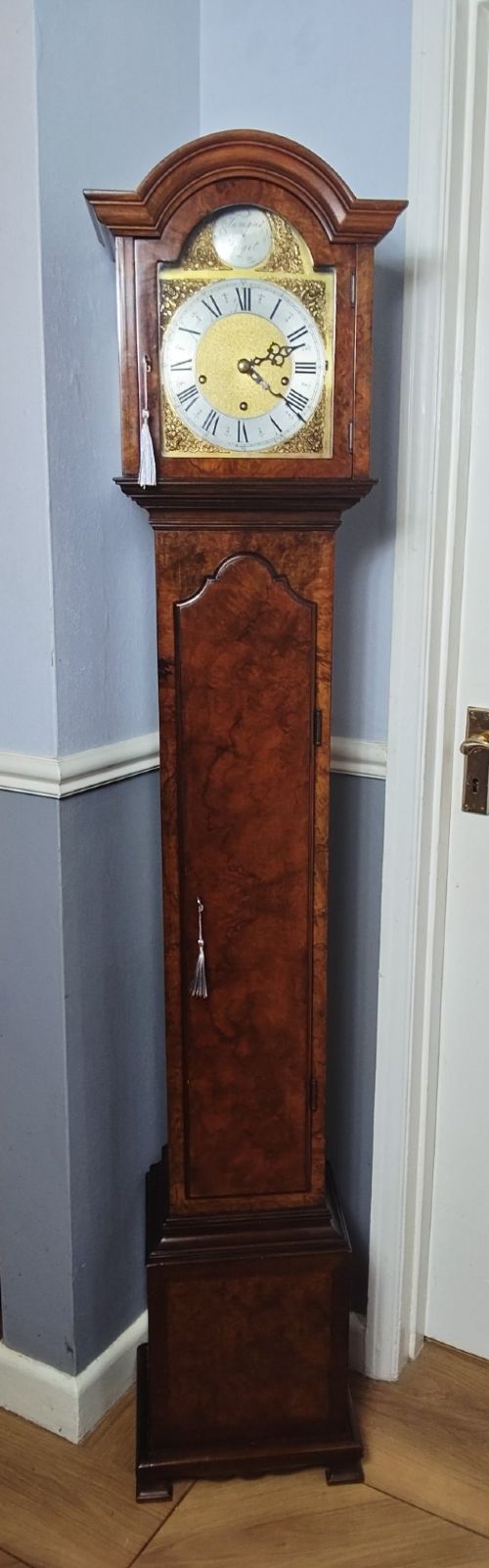
When searching for a georgian style longcase clock, you encounter tall floor-standing timepieces that draw on eighteenth-century design traditions, including grandfathers and smaller grandmother variants. These pieces span nineteenth-century revivals as well as twentieth-century interpretations, reflecting shifting scales from full-size domestic regulators down to miniature and grandmother forms.
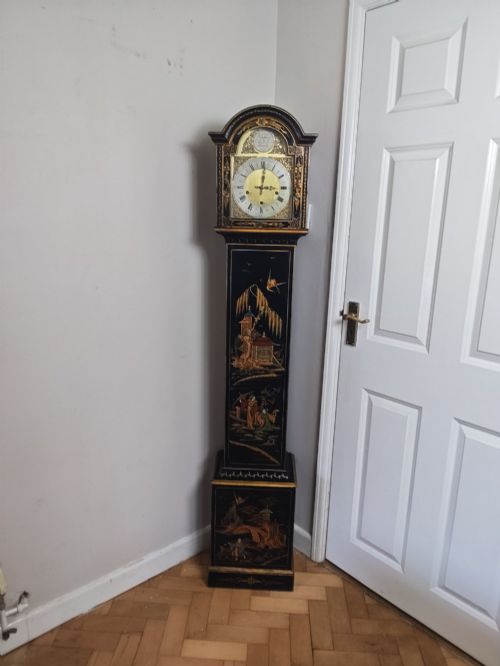
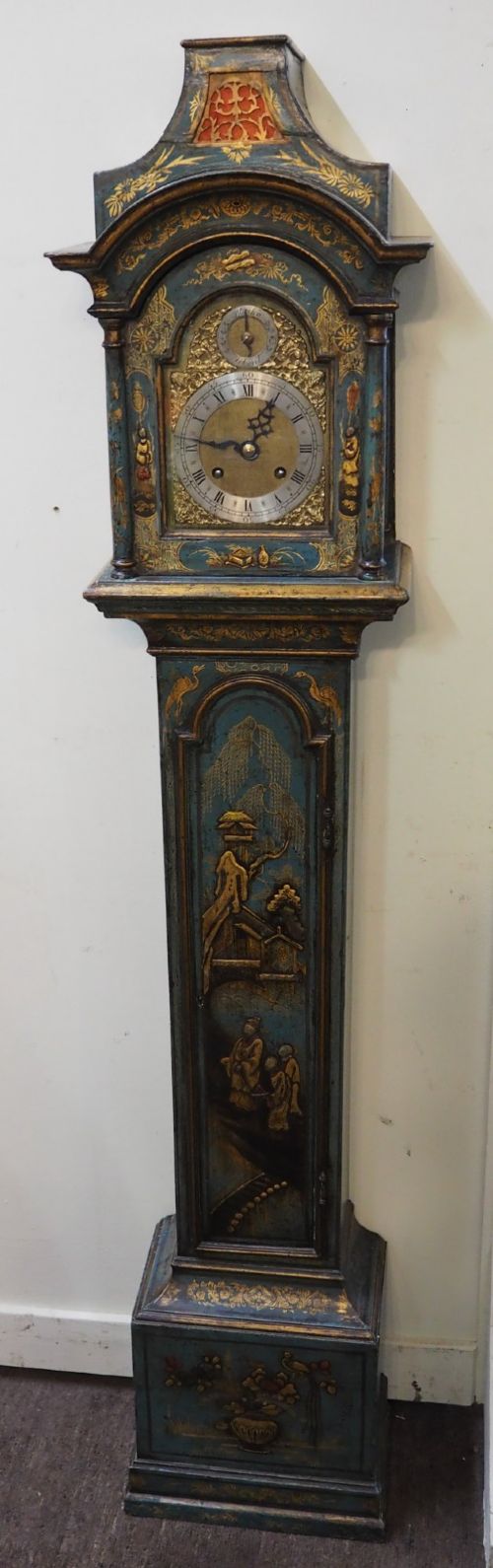
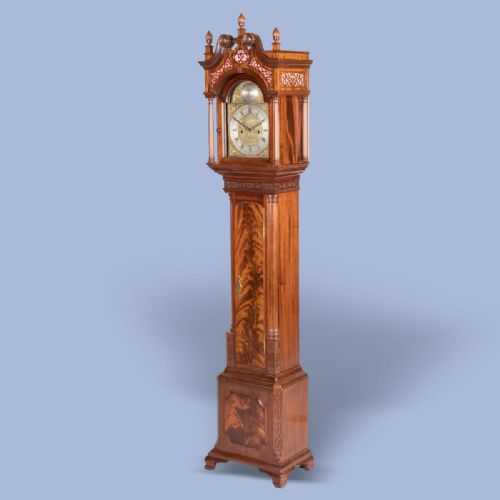
The aesthetic vocabulary encompasses Georgian Revival, Victorian, and Queen Anne Revival styles, alongside decorative Chinoiserie lacquerwork. Cases range from substantial mahogany and figured walnut housings to oak structures, often incorporating glass doors to reveal the pendulum and weights within.
Most examples function as musical or quarter-chiming clocks, playing on bells or gongs such as Westminster chimes. The dial and hood arrangements follow traditional proportions, balancing utility with decorative cabinet-making.
Materials and construction
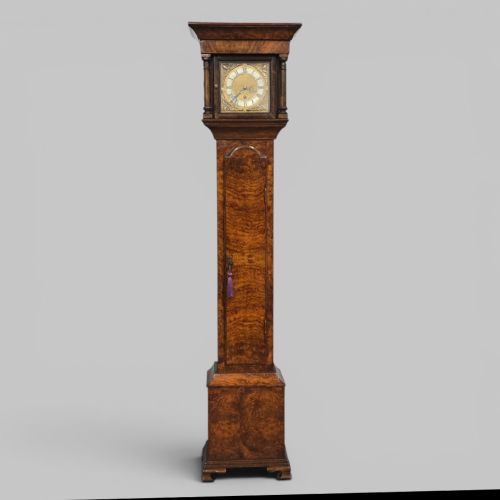
Cabinet makers utilised dense hardwoods including mahogany, walnut, and oak to construct the tall trunk and hood structures. Figured veneers and specialised lacquer finishes appear on decorative Chinoiserie examples, adding visual depth to the timber surfaces.
Internal movements required precise brass gearing, dials, and striking mechanisms driven by weights and springs. Glass panels fitted into the trunk doors and hood sides protected the dial and swinging pendulum from dust while allowing visibility.
Retail Price Guide 2026
Typical UK retail prices for georgian style longcase clock, calculated from the Sellingantiques database of over a million retail prices indexed since 2003. This retail price guide relies exclusively on Sellingantiques data; no external sources or auction records are used, so the figures do not describe the wider market.
Listings feature mahogany, walnut, and oak timbers alongside brass and glass components across nineteenth and twentieth-century periods.
Distinctions in quality
Quality reveals itself through the selection of timber veneers, such as richly figured walnut or choice mahogany, and the crispness of cabinet-maker joinery on the hood and trunk. The integration of musical movements, quarter-chiming mechanisms on bells, and complex gear trains separates standard timepieces from finer workshop productions.
The proportion and balance of the case relative to the dial dictate the visual harmony of the clock. Finer examples display careful attention to architectural details like hood columns and door mouldings, maintaining period authenticity across revival and nineteenth-century pieces.
Camerer Cuss And Co·Dent Of London·Waring And Gillow Ltd
The Georgian Style Longcase Clock Glossary
- Longcase clock
- A tall, weight-driven pendulum clock enclosed in a wooden case standing directly on the floor. These are frequently known as grandfather clocks.
- Grandmother clock
- A smaller, more compact version of the traditional longcase clock, typically produced during the twentieth century in revival styles.
- Chinoiserie
- A decorative style employing oriental motifs, often executed in lacquer on wood surfaces. It appears on select musical longcase clocks.
- Regulator
- A precision pendulum clock designed for high accuracy and used as a standard for timekeeping. Domestic variants appear among nineteenth-century examples.
Frequently Asked Questions
What is a grandmother clock?
A grandmother clock is a scaled-down version of the traditional longcase or grandfather clock. These smaller proportions became popular in the twentieth century for rooms with lower ceilings.
Despite their reduced height, they often house complex quarter-chiming or musical movements similar to their larger counterparts.
How do I wind the clock?
Winding depends on whether the movement is driven by weights or springs. Weight-driven clocks require the weights to be pulled up periodically using a key or crank.
Spring-driven variants use a winding key inserted directly into holes on the dial face. Care must be taken not to over-wind the mechanism.
Where should I place a longcase clock?
These clocks require a stable, level floor and a secure fixing to a wall if necessary to prevent leaning. Plumb installation ensures the pendulum swings evenly and the escapement keeps accurate time.
Avoid placing them in areas subject to heavy vibrations, direct sunlight, or damp conditions that could affect the wooden case.
What are Chinoiserie clocks?
Chinoiserie longcases feature decorative lacquerwork influenced by Asian art and design, popular during revival periods. These cabinets display painted figures, landscapes, and floral motifs against dark or coloured backgrounds.
The technique adds a layer of decorative art to the structural cabinet-making of the clock.