
Georgian Storage Drawers
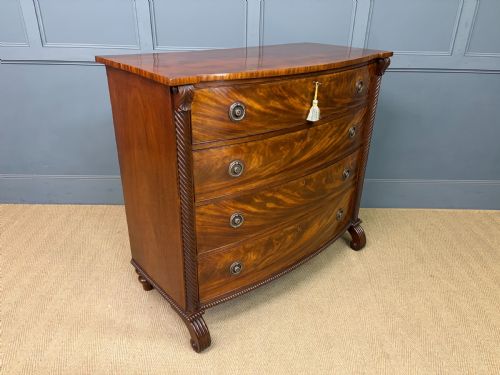
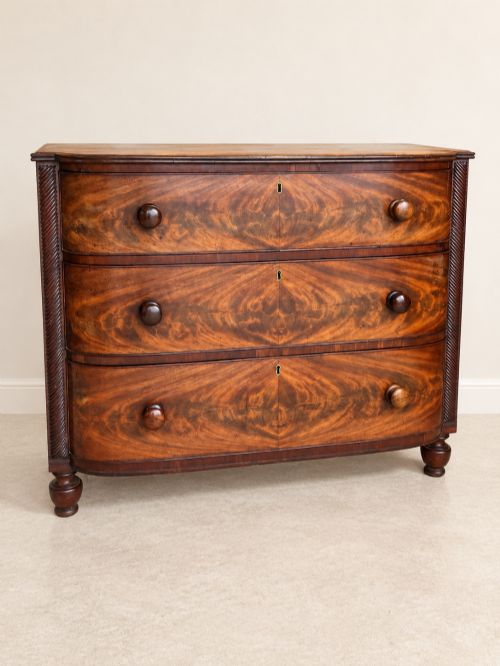
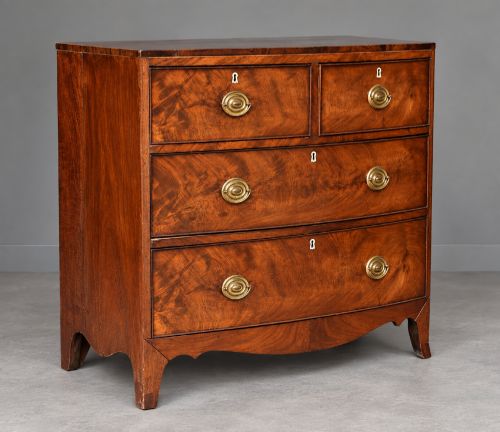
These georgian storage drawers combine timber and brass to hold your belongings, ranging from simple oak chests to bow fronted mahogany pieces.

Georgian Storage Drawers
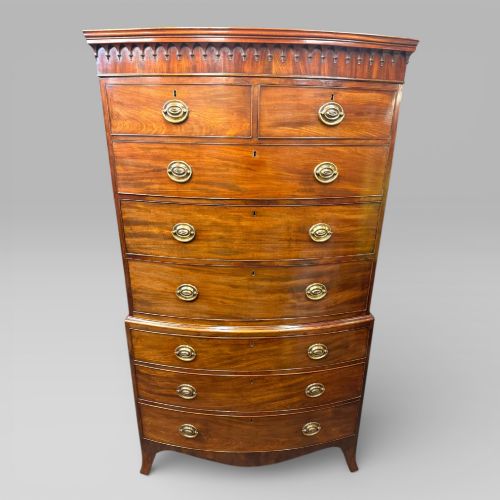
When you search for georgian storage drawers, you encounter chests of drawers, chests on chest, and commodes spanning the eighteenth and nineteenth centuries. The pieces on this page originate from the Georgian, Regency, and Edwardian periods, alongside later revivals.
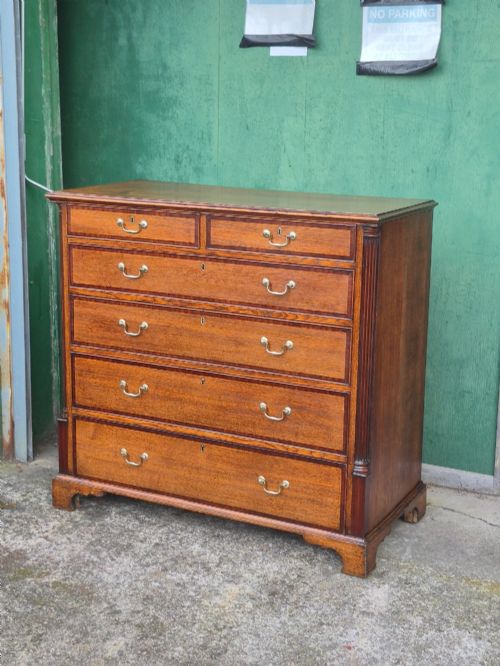
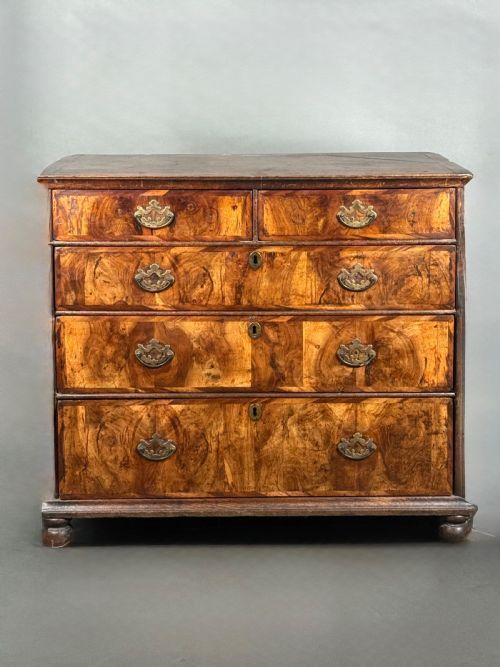
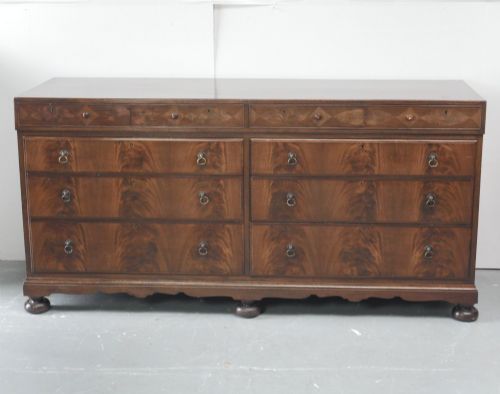
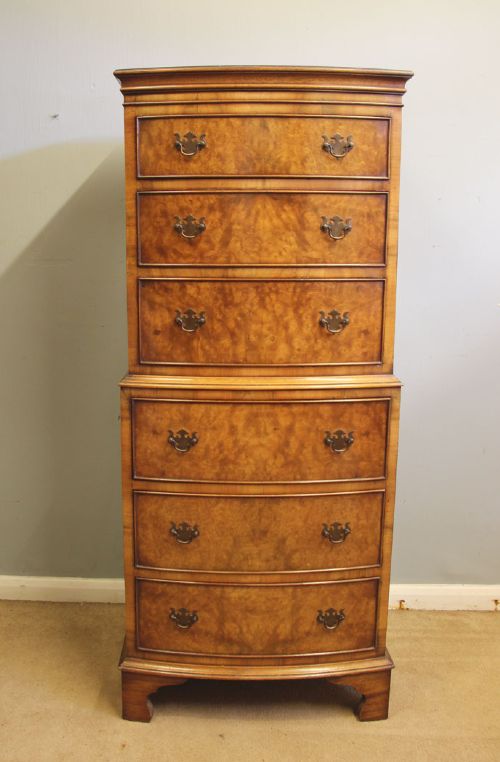
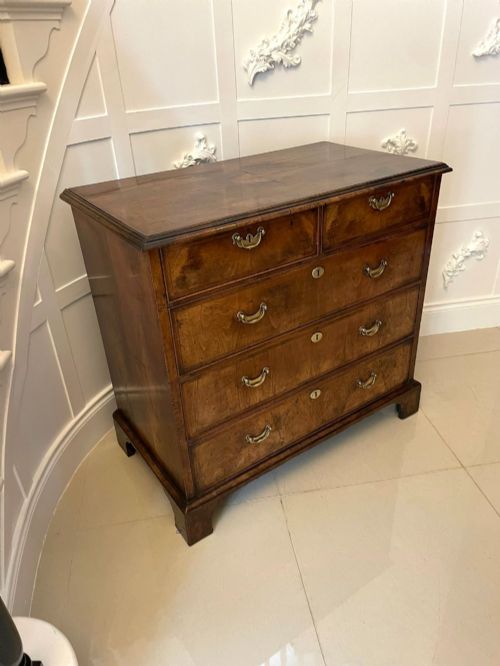
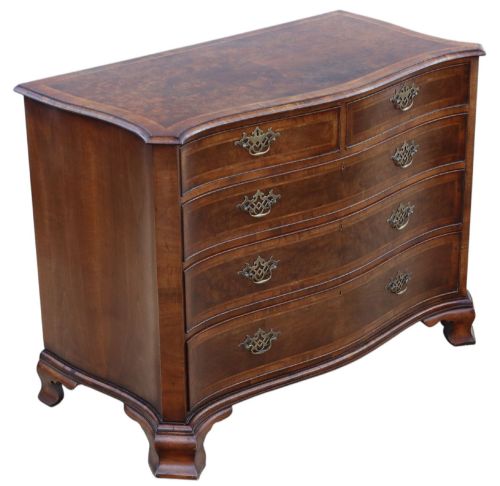
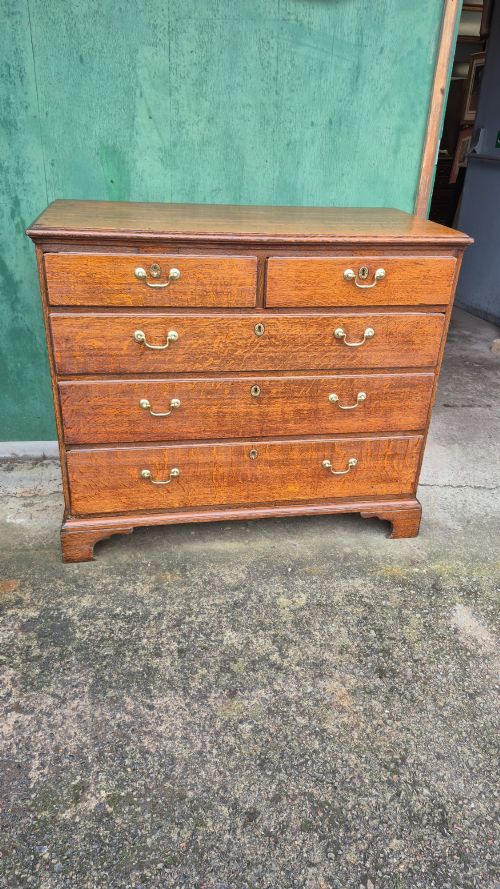
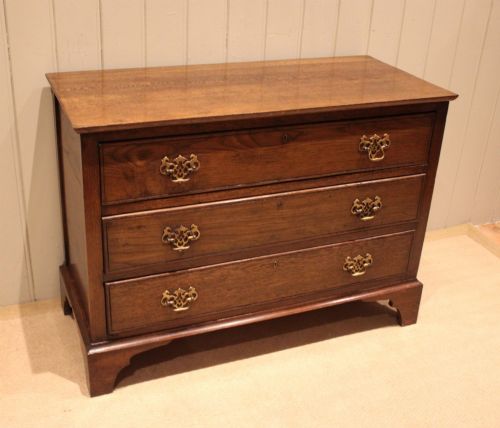
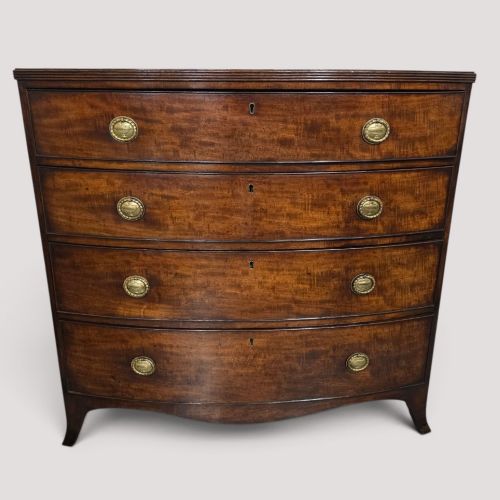
You meet straightforward oak and golden oak examples from country houses alongside highly figured walnut and flame mahogany pieces intended for formal rooms. Forms vary from low proportions and tall narrow constructions to bow fronted and serpentine designs.
The selection includes specialised variants like chests on stands, dressing chests, and pieces fitted with brushing slides. Makers such as Whytock & Reid and J Moorcroft appear alongside unmarked examples from the Georgian and Regency eras.
Materials and construction
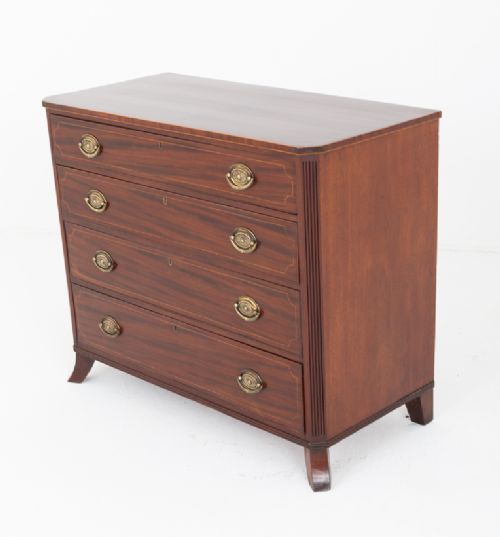
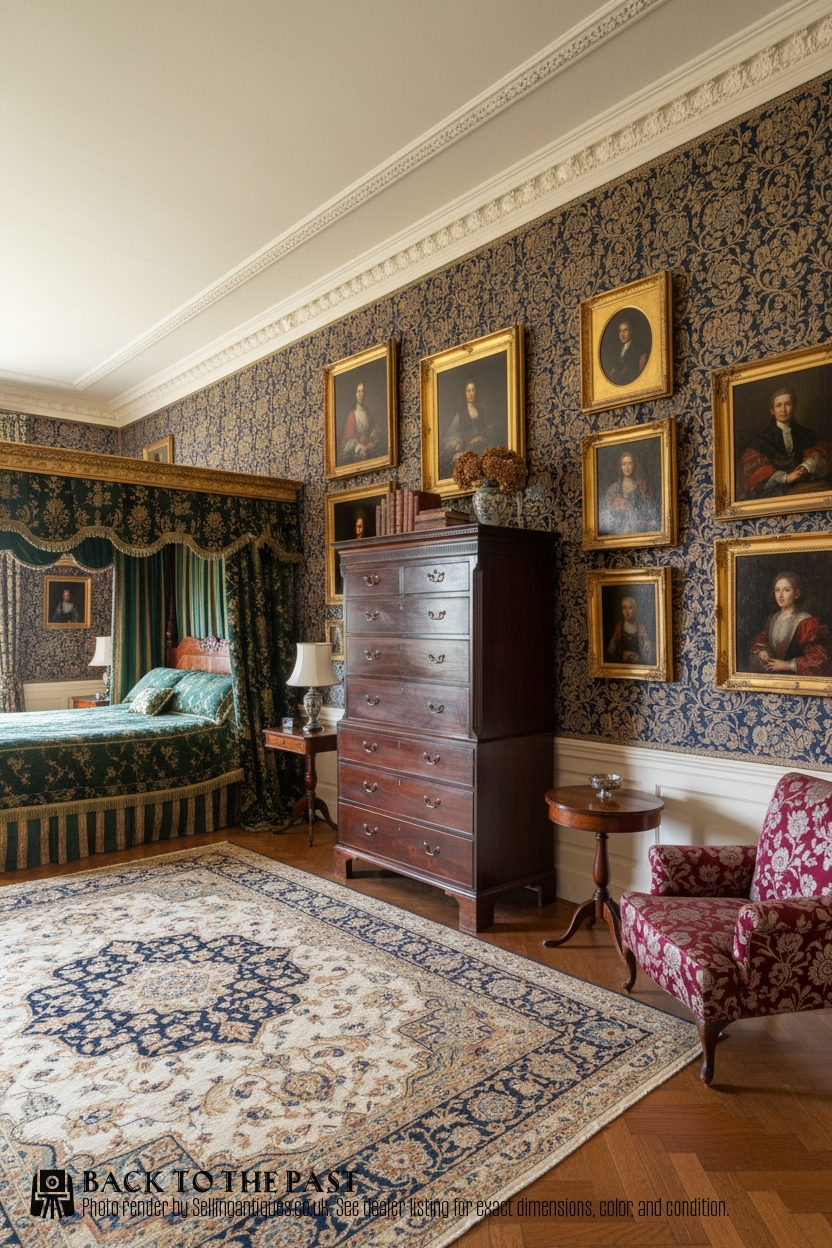
Cabinet makers utilised solid timbers including oak, mahogany, and walnut, frequently applying burr walnut or flame mahogany veneers to primary surfaces. Satinwood banding and brass handles provide contrast and detail on drawer fronts.
Construction methods involve dovetailed drawer boxes and carcases built to withstand daily use over centuries. Timber selection dictates the grain pattern, particularly in figured walnut and crossbanded pieces.
Georgian Storage Drawers Retail Price Guide 2026
Typical asking prices for georgian storage drawers among the pieces listed under this phrase on Sellingantiques today, from the lower quarter to the upper quarter. They describe what is for sale here now, not the wider market.
Some chests retain hidden compartments behind secret panels, originally intended for stabling family ledgers or small valuables.
Quality variations
The standard of timber selection separates simpler utility pieces from high status commissions. Figured walnut, flame mahogany, and matched grain patterns across multiple drawers indicate greater ambition in the workshop.
Subtlety in proportion and secondary timbers define the upper tier of production. Refined edge banding, original brass hardware, and careful management of internal construction distinguish superior examples from later revivals.
Whytock & Reid·J Moorcroft
The Georgian Storage Drawers Glossary
- Bow front
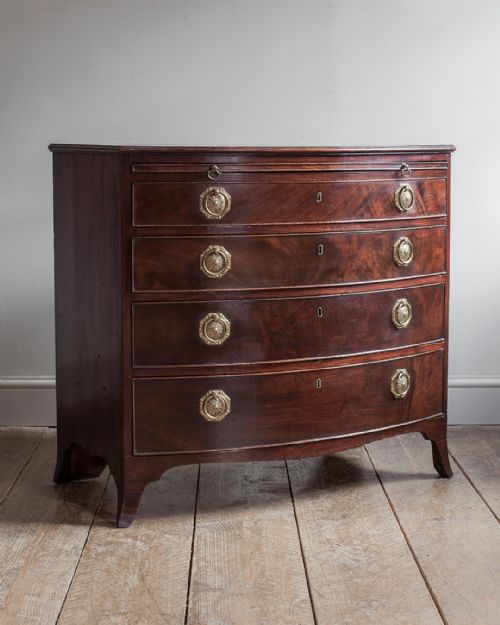
- A convex curved front to a chest of drawers that swells outwards in the centre. This shape became popular during the Regency period.
- Brushing slide
- A pull out wooden shelf fitted above the top drawer used for folding clothes or grooming. It slides flush into the carcase when not in use.
- Chest on chest
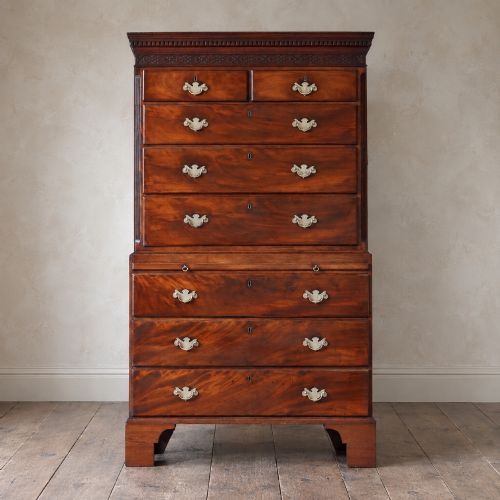
- A tall storage unit formed by stacking a smaller chest of drawers directly on top of a larger base chest. It is also known as a tallboy.
- Crossbanding
- A narrow strip of veneer laid perpendicular to the grain of the main surface to form a border. It frames the drawer fronts on finer furniture.
- Serpentine
- A front shaped with a central convex curve flanked by concave curves. This fluid line requires skilled carpentry to execute on drawers.
- Caddy top
- A tabletop with a raised moulded edge resembling the lid of a tea caddy. It appears on smaller chests from the Georgian era.
Georgian Storage Drawers: Frequently Asked Questions
What is a brushing slide?
A brushing slide is a pull out shelf integrated into the upper section of a chest, positioned just below the top surface. Owners used it historically for sorting garments or as a temporary writing surface.
When pushed in, it sits discreetly flush with the surrounding woodwork. Its presence often indicates a piece made for a bedchamber.
How do I identify a Regency chest?
Regency chests generally display bolder grain patterns like flame mahogany, alongside contrasting satinwood banding. Proportions often incorporate bow fronts and simpler structural lines than earlier rococo influenced pieces.
Hardware tends to consist of circular brass backplates with drop rings. Construction dates from the early nineteenth century.
Where were these chests used?
These pieces served primarily in bedchambers, dressing rooms, and parlours of period homes to store linens and clothing. Smaller bow front versions fitted easily into narrower spaces.
Grand houses utilised larger chests on chests for extensive wardrobes. Today they function similarly in modern bedrooms and hallways.
What is a chest on chest?
A chest on chest consists of two distinct cabinet sections built as one vertical storage unit. The upper portion usually contains three small drawers over three larger ones, resting on a wider lower base.
This form maximises storage capacity while occupying a compact floor footprint. They emerged during the eighteenth century in walnut and mahogany.