
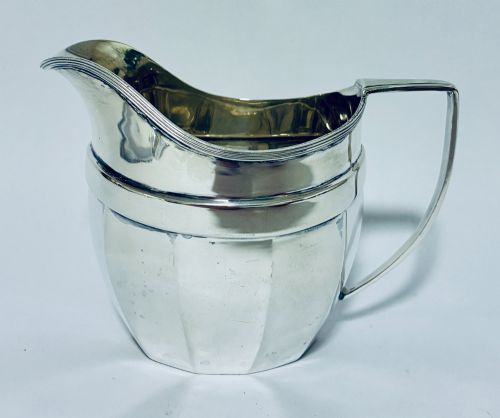
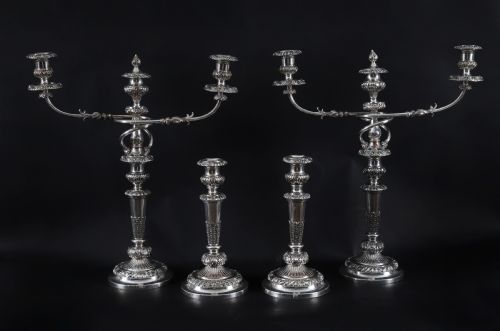
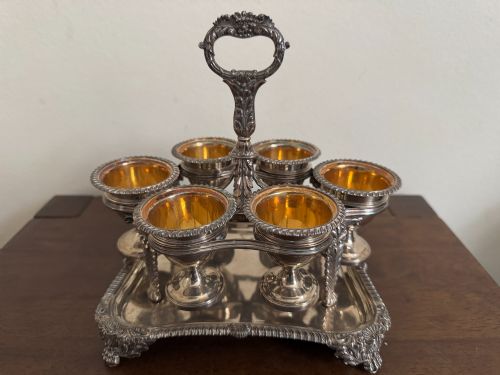
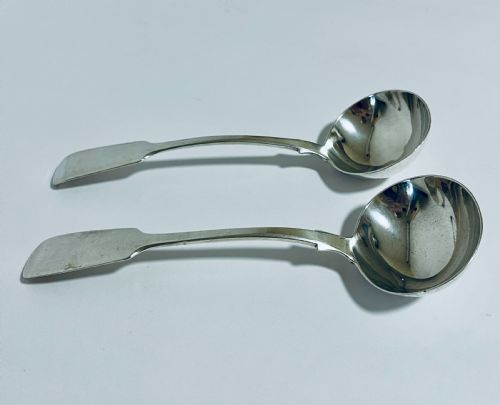
Georgian Silver Set
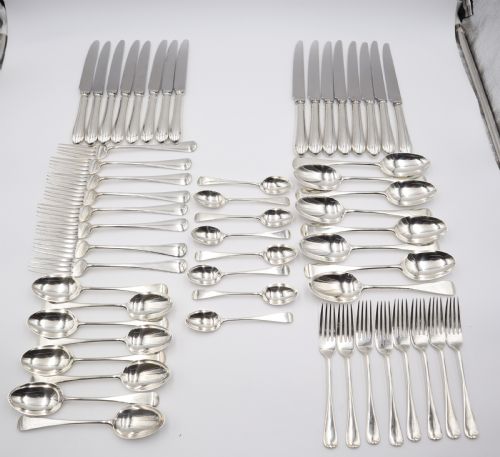
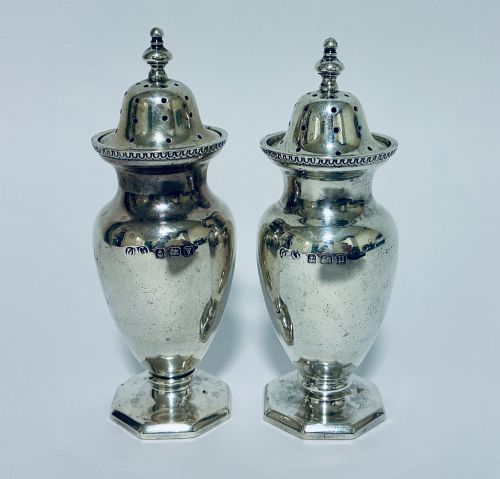
This georgian silver set brings together matched cutlery, cruets and table services shaped by eighteenth and nineteenth century silversmiths.
Georgian Silver Set
A georgian silver set encompasses coordinated groupings for the table, writing desk and dressing room, originating primarily from the Georgian, Regency and early Victorian eras.
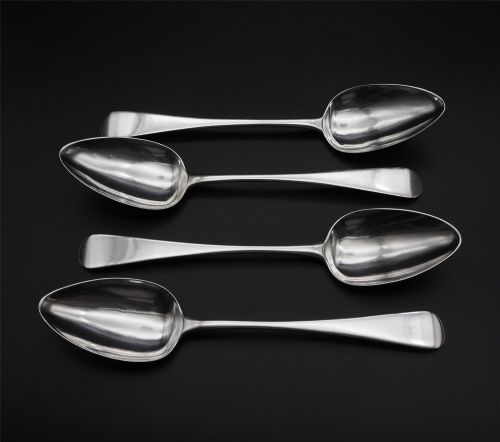
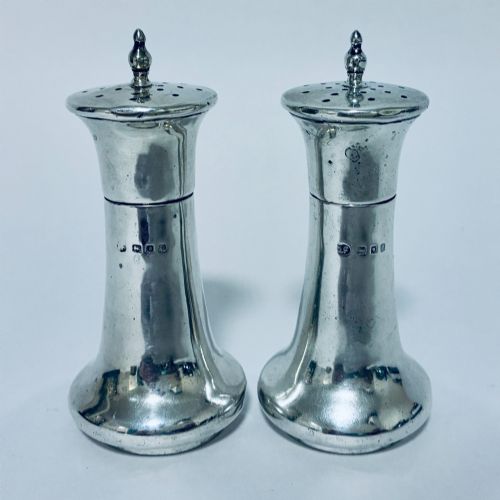
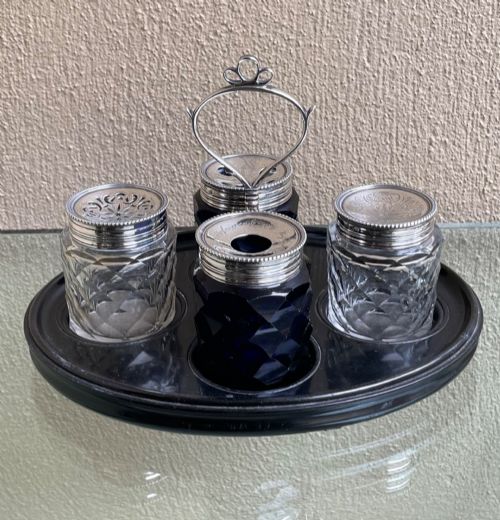
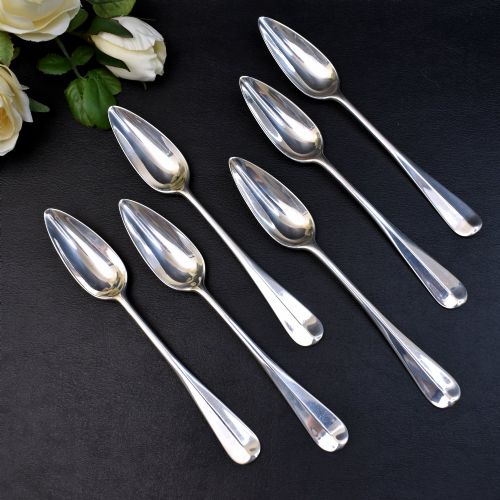
The most frequent examples found in this selection include cruet sets with cut glass bottles, matched teaspoons and serving spoons, and multi-piece tea and coffee services.
Makers produced these groupings in sterling silver and Old Sheffield plate, occasionally combining silver with ebony, tortoiseshell or cut crystal.
Materials and Construction
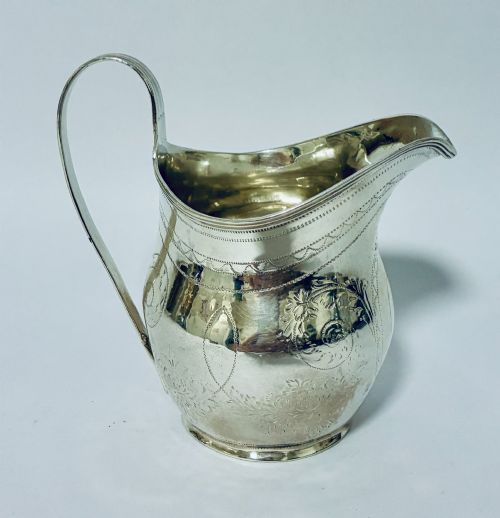
Silversmiths hammered and cast sterling silver into complex forms, employing techniques such as bright-cut engraving, chasing and piercing to decorate surfaces with acanthus leaves and crests.
Makers fused thin sheets of silver onto copper bases to create Old Sheffield plate, while incorporating cut glass liners, paste stones and wooden components like ebony for contrast and utility.
Listings feature sterling silver, Old Sheffield plate, cut glass and tortoiseshell across cruet sets, cutlery canteens and tea services.
Distinctions in Standard and Execution
Quality rests on the crispness of the chasing and engraving, where hand-cut details remain sharp and balanced across every matched element in the grouping.
The integrity of the set depends on whether the pieces share a unified provenance and maker, or represent later assemblages gathered to form a matching suite.
William Burwash·Charles Thomas Fox·Matthew Boulton·John and Thomas Settle·Robert Hennell
The Georgian Silver Set Glossary
- Cruet set
- A matched assembly of glass bottles mounted in a silver stand, used for holding condiments and vinegars at the dining table. These often feature blue glass liners or cut crystal.
- Bright-cut
- An engraving technique utilising angled cuts to create facets that catch the light. It appears frequently on spoons and tea services from the period.
- Old Sheffield plate
- An early form of plated metal produced by fusing a layer of silver to a copper core. This method produced durable tableware before electroplating became common.
- Hallmark
- The official stamp applied to precious metals indicating the standard of silver, the assay office, and the date letter. This mark confirms the period of manufacture.
Georgian Silver Set: Frequently Asked Questions
What items are included in a cruet set?
Cruet sets comprise several glass bottles or cruets fitted into a silver frame or stand. They were designed to hold condiments, oils and vinegars during meals.
Many retain their original coloured glass liners or cut crystal cruet bottles alongside matched silver spoons.
How do I identify a matched set from an assembled one?
Examine the hallmarks and engraving styles across all pieces in the grouping. Matching sets share identical maker marks, assay dates and decorative motifs.
Assembled groupings often bring together items made years apart by different silversmiths to create a uniform service.
Were these sets used daily or saved for special occasions?
Tableware sets served wealthy households during formal dining and tea rituals. Items like travelling cutlery sets and communion services were built for portability.
Desk sets and sewing etuis remained in private studies and parlours for writing and needlework.
What is the difference between sterling silver and Old Sheffield plate?
Sterling silver consists of solid precious metal meeting official fineness standards throughout the entire object. It carries full hallmarks indicating the silversmith and assay office.
Old Sheffield plate layers silver over a copper base through heat fusion, a technique developed in the eighteenth century.