

Antique Cutlery Set
When choosing an antique cutlery set, collectors look for service completeness, maker marks, and period-specific handle materials like mother-of-pearl.
Antique Cutlery Set
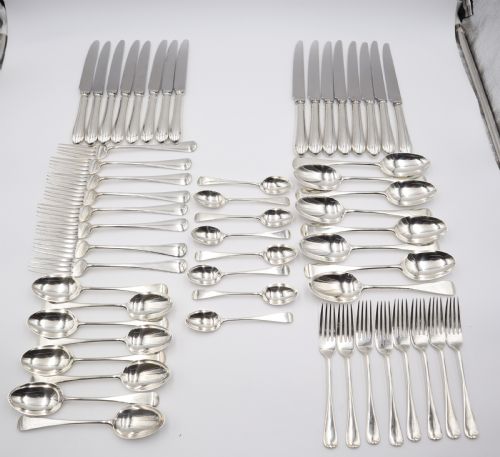
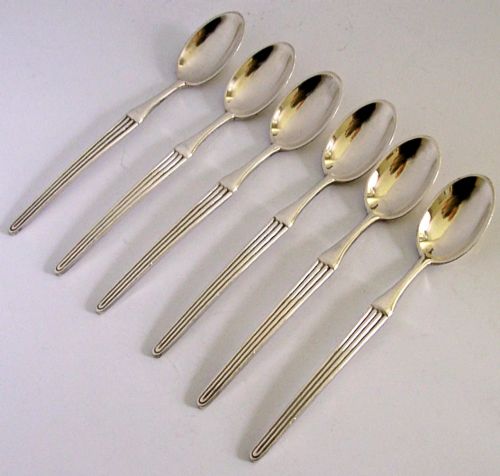
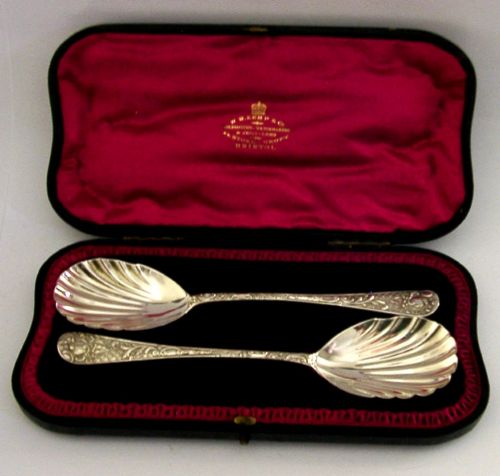
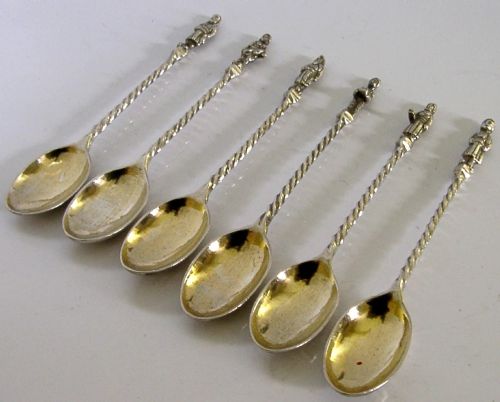
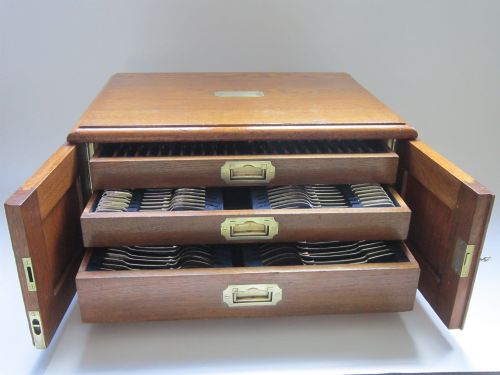
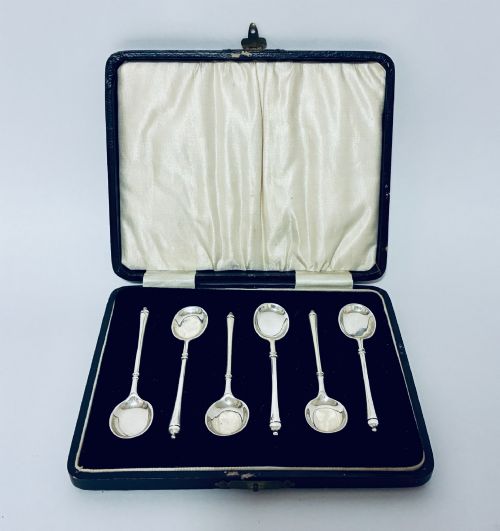
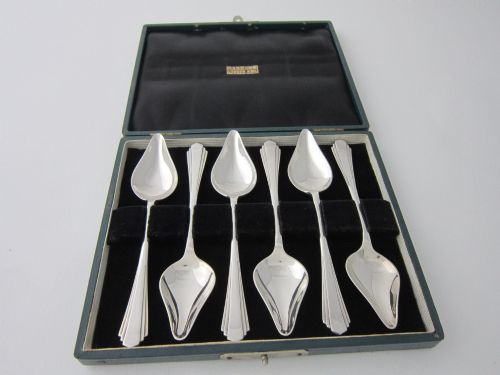
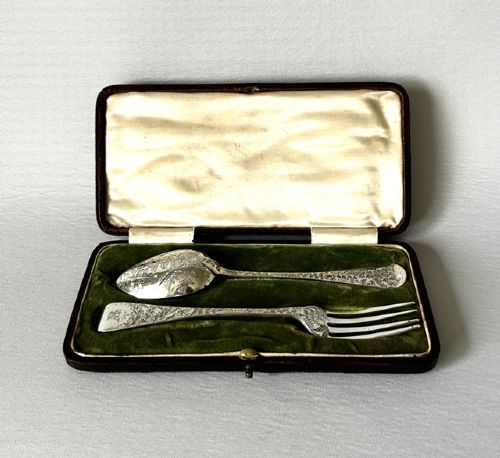
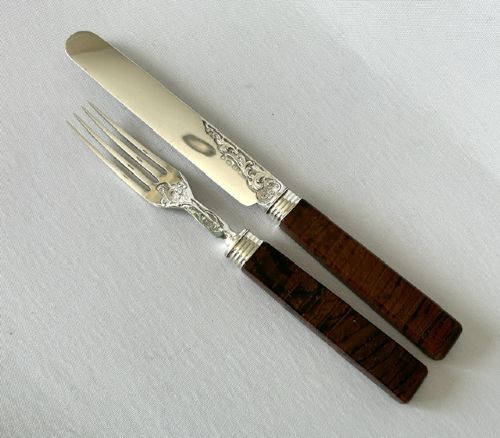
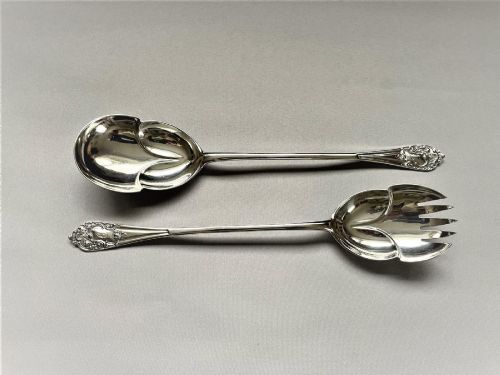
An antique cutlery set encompasses everything from single-service canteens housed in fitted mahogany tables to smaller matched groupings of teaspoons, serving spoons, and fish forks. Buyers hunting for these pieces encounter diverse configurations designed for specific dining rituals, including afternoon tea, dessert courses, and seafood dining.
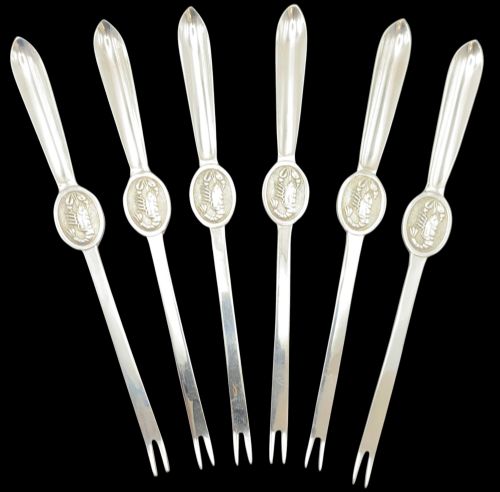
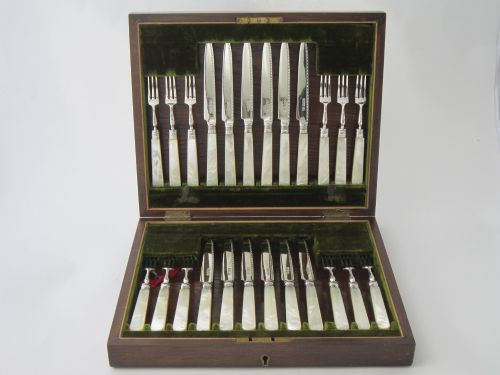
The selections available range widely in scale, featuring both extensive multi-setting canteens and modest cased sets intended for six persons. Victorian and Edwardian examples dominate the offerings, frequently incorporating specialised implements like lobster picks, crumb knives, and fruit forks alongside standard place settings.
Materials and construction methods
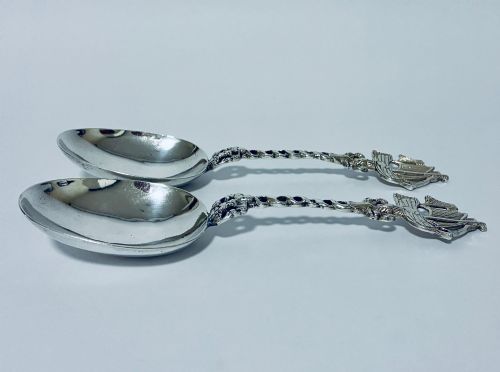
Sterling silver and silver plate form the primary structural components for bowls, tines, and blades, shaped through traditional stamping, casting, and piercing techniques. Many items utilise steel for cutting edges, particularly within larger canteens and specialised carving sets.
Handles introduce tactile variety through organic substances such as mother-of-pearl, antler horn, and agate, secured to metal shafts using pins or hidden adhesives. Fitted presentation cases rely on protective linings of velvet, silk, satin, and leatherette to safeguard the contents.
Card suits engraved into tiny silver spoons bring a playful touch of the gaming table directly to the afternoon tea tray.
Distinctions in craftsmanship and preservation
Quality diverges notably between standard commercial production and pieces bearing crisp hallmarks from recognised silversmiths and high-end retailers. The depth of engraving, weight of the silver, and precision in pattern execution define the upper tiers of the market.
The integrity of fitted presentation boxes and the matching status of individual utensils also influence the standing of a set. Complete sets retaining their original interior silk or velvet linings command distinct attention from collectors.
Hamilton & Inches·Suckling Ltd.·E Coker·Martin Hall & Co.·Aaron Hadfield·Elkington·Walker & Hall·William Howe
The Antique Cutlery Set Glossary
- Canteen
- A fitted box, chest, or table specifically designed to store a full service of cutlery in dedicated slots or compartments.
- Hallmark
- A series of official stamps applied to precious metals indicating the maker, assay office, standard of purity, and year of assay.
- Fiddle Pattern
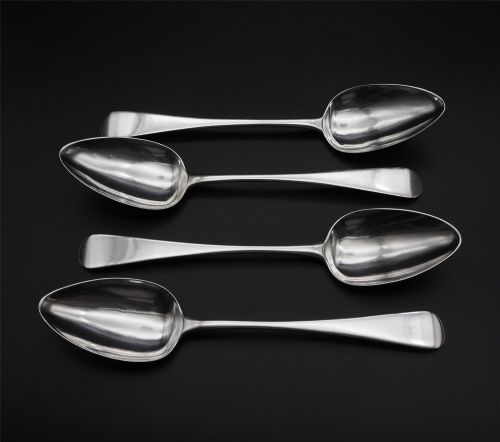
- A traditional 19th-century flatware design characterised by a stem that widens gradually toward a flattened, squared-off terminal resembling a fiddle.
- Bright-Cut
- An engraving technique utilising faceted cuts made with a sharp graving tool to create reflective geometric or floral patterns on silver surfaces.
- Rat Tail
- A prominent dorsal ridge extending from the base of a spoon bowl down the upper stem, common on early pieces to reinforce the joint.
Antique Cutlery Set: Frequently Asked Questions
How do I date an antique cutlery set?
Dating relies primarily on the stamped hallmarks found on silver components, which indicate the specific assay office and year of production.
Stylistic markers, such as Art Deco geometries or Victorian fiddle patterns, offer secondary clues when stamps are absent or worn.
Are silver plated sets less desirable than solid silver?
Silver plated sets often provide larger place settings and durable service for everyday dining without the higher cost of solid silver.
Solid sterling versions attract stronger interest from traditional collectors due to intrinsic metal value and historical hallmarking.
What is the difference between a canteen and a cased set?
A canteen typically refers to a large cabinet, table, or heavy box built to house dozens of pieces for extensive dinner service.
A cased set is generally smaller, portable, and designed to hold specific specialised items like dessert forks or afternoon tea spoons.
How should mother-of-pearl handled cutlery be cleaned?
Mother-of-pearl handles require gentle washing in lukewarm water with mild soap, followed by immediate drying with a soft cloth.
Harsh chemical dips and mechanical polishing machines must be avoided to prevent permanent damage to the delicate organic material.