




Regency Silver Cutlery
Regency silver cutlery encompasses finely crafted utensils and serving pieces from the early nineteenth century that bring genuine elegance to any traditional dining table.
Regency Silver Cutlery
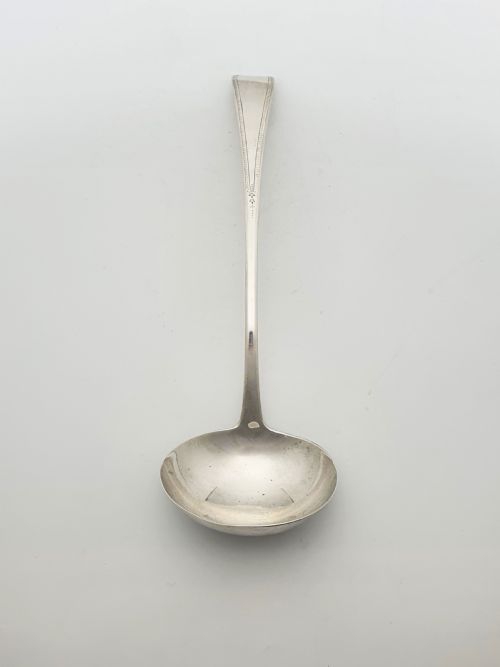
When you search for regency silver cutlery, you encounter a specialised selection of dining implements and serving pieces dating principally from the Georgian and early nineteenth-century periods. The inventory on this page ranges from solid sterling silver fish servers and soup ladles to boxed knife and fork sets featuring mother-of-pearl handles.
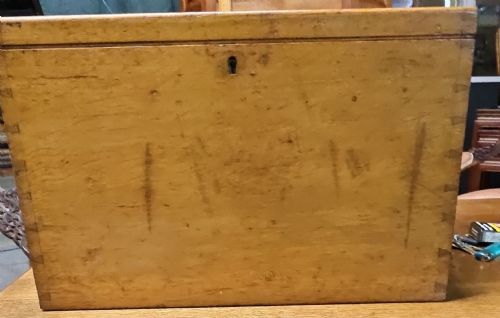
Alongside actual eating utensils, the selection incorporates closely associated dining accessories such as Old Sheffield plated knife trays and fitted mahogany silver chests. These larger serving containers and storage boxes complement the cutlery by providing period-appropriate containment for fine tableware.
Most pieces date from the reigns of George III and George IV, specifically spanning the first quarter of the nineteenth century. Collectors will find both solid sterling silver items bearing London hallmarks and high-quality Old Sheffield plated pieces produced by notable makers.
Materials and construction methods
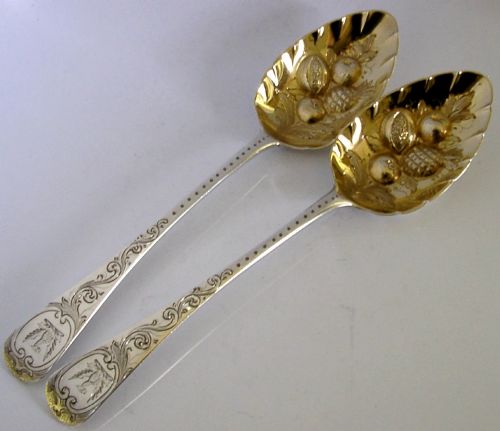
The primary material across these pieces is solid sterling silver, worked by silversmiths using traditional hammering, casting, and chasing techniques. Items such as the berry spoons demonstrate detailed repoussé work, where designs are pushed out from the reverse to create ornamental fruit and foliage motifs.
Alternative items utilise Old Sheffield plate, a precursor to electroplating that fuses a thin layer of sterling silver onto a heavier copper core. This method produced durable trays and utensils with a warm metallic lustre that wears down over decades to reveal subtle hints of copper beneath.
Handle construction frequently incorporates organic materials including mother-of-pearl, secured to metal blades with pins. Storage vessels rely on cabinetmaking traditions, using timbers such as mahogany lined internally with velvet or silk to protect the metal surfaces.
Regency Silver Cutlery Retail Price Guide 2026
Typical asking prices for regency silver cutlery among the pieces listed under this phrase on Sellingantiques today, from the lower quarter to the upper quarter. They describe what is for sale here now, not the wider market.
Listings feature 19th-century materials including sterling silver, Old Sheffield plate, copper, velvet, and mother-of-pearl.
Distinguishing quality in period dining wares
Quality in regency silver cutlery is primarily determined by the crispness of the original ornamentation and the preservation of the maker's marks. Sharply defined crests, clear threaded borders, and legible hallmarks indicate superior craftsmanship and less institutional polishing over the centuries.
For plated pieces, the integrity of the silver skin over the copper base dictates the standard of the item. Utensils and trays that retain their original plating without extensive telegraphing of the underlying base metal represent a higher tier of survival.
The Regency Silver Cutlery Glossary
- Sterling silver
- A silver alloy containing 92.5 percent pure silver and 7.5 percent other metals, usually copper, chosen for durability in tableware. British pieces typically bear a lion passant hallmark to confirm this standard.
- Old Sheffield plate
- An early form of composite metal made by fusing a sheet of silver to a copper ingot and rolling them together. This technique predates modern electroplating and leaves a characteristic visible seam on edges.
- Berry spoon
- A large serving spoon, often dating from the Georgian era, whose bowl is subsequently embossed and engraved with fruit and leaf designs. They were originally used for serving fresh berries with cream.
- Hallmark
- An official stamp or series of stamps applied to precious metals in Britain to guarantee purity, origin city, and the year of assay. These marks provide the most reliable dating evidence for collectors.
Regency Silver Cutlery: Frequently Asked Questions
Can I use these utensils daily?
Solid sterling silver pieces are durable enough for occasional formal dining use, provided they are washed by hand immediately after use. Avoid dishwashers entirely, as harsh detergents and heat will damage both the metal and any fitted handles.
Old Sheffield plated items require extra care because aggressive scrubbing can wear through the thin silver layer over the copper base.
What is a silver chest?
A silver chest is a heavy wooden storage box, often made of mahogany, designed to protect flatware and serving pieces from tarnish and damage. They frequently feature fitted interior trays lined with fabrics like velvet or silk.
These chests keep sets organised and secure while adding a substantial decorative furniture element to a dining room or sideboard.
How do I identify a Georgian fork?
Georgian forks from this era often feature distinct tines forged from a single piece of steel or silver, sometimes paired with decorative handles made of bone or mother-of-pearl. They frequently display simpler prong arrangements compared to later Victorian dinner forks.
Check for small stamped hallmarks on the neck or reverse of the handle to confirm the period of manufacture and city of origin.