



Georgian Silk Work
Georgian silk work brings together delicate needle artistry and period charm, offering a tangible link to eighteenth and nineteenth-century domestic creativity.
Georgian Silk Work
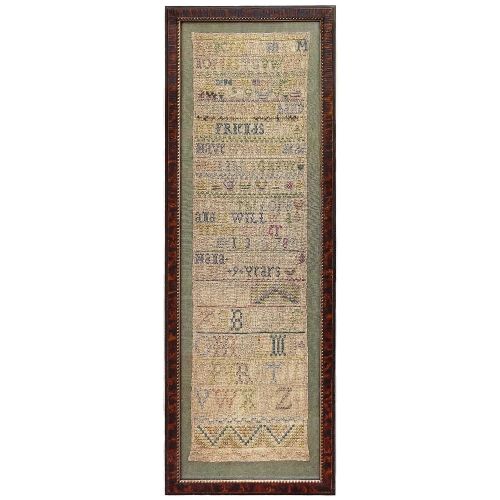
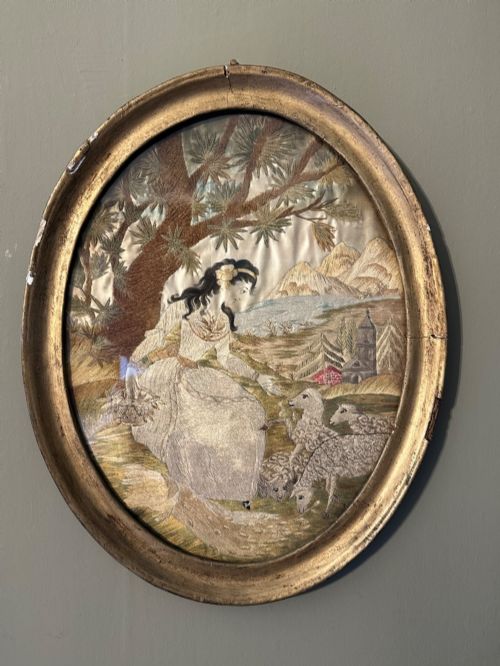
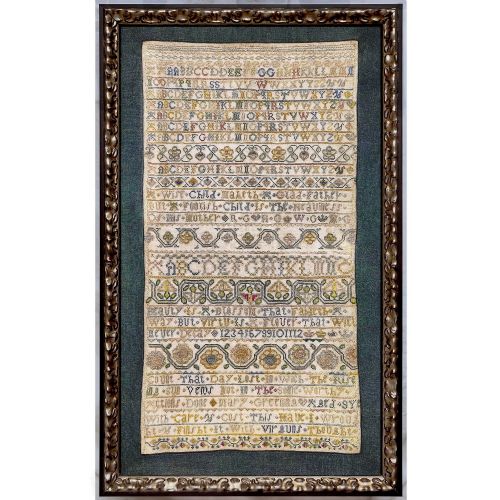
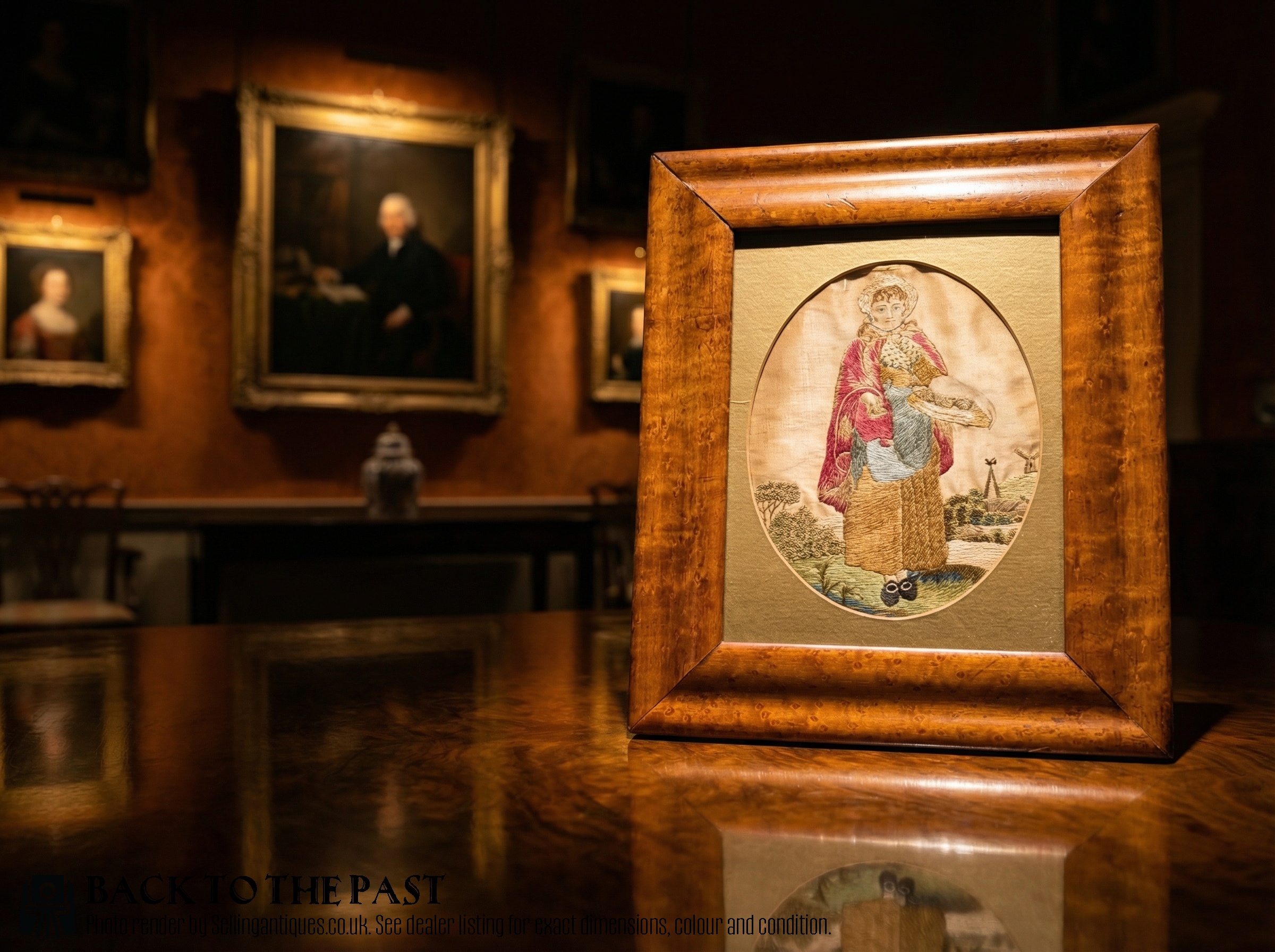
When searching for georgian silk work, a buyer encounters a diverse group of items spanning framed wall art, needlework pictures, and functional sewing furniture lined with fabric. The surviving examples range from meticulous embroidered portraits of figures and biblical scenes to samplers and occasional tables housing storage compartments.
The most common pieces on this page are framed textile art and needlework pictures depicting subjects like oyster sellers, shepherds, and floral arrangements, alongside rosewood and mahogany sewing tables. These works capture the domestic decorative tastes of the Georgian and Regency periods, utilising silk, wool, and glass within period frames.
Originating predominantly from English workshops and domestic settings, these pieces demonstrate the needle skills passed down through generations. They appear in oval gilt frames, mahogany workboxes, and side cabinets, reflecting both ornamental wall display and practical household use.
What varies in quality
The distinction between standard and superior pieces rests on the precision of the needlework and the preservation of the delicate silk threads. Tighter, more complex stitching and well-executed pictorial details elevate the standing of a textile picture.
Quality also depends on the survival of original components, such as period gilt wood frames, mezzotint black glass borders, and intact silk linings within rosewood or satinwood sewing tables. Secondary woods, cabinet-making joinery, and the clarity of painted or inlaid decoration determine the overall integrity of the piece.
Georgian Silk Work Retail Price Guide 2026
Typical asking prices for georgian silk work among the pieces listed under this phrase on Sellingantiques today, from the lower quarter to the upper quarter. They describe what is for sale here now, not the wider market.
Listings feature items spanning the 18th Century, Georgian, Regency, and 19th Century periods, constructed from silk, rosewood, satinwood, and glass.
The Georgian Silk Work Glossary
- Stumpwork
- A raised embroidery style popular in historical needlework where figures and motifs are padded to create a three-dimensional effect. This technique gives pictorial scenes significant physical depth.
- Crewel work
- Embroidery executed using wool yarn on a plain-woven fabric base. It appears on early nineteenth-century textile pieces.
- Sampler
- A piece of fabric worked with various stitches and motifs to demonstrate needlework proficiency. These often record maker names and dates.
- Giltwood
- Wood that has been treated with gold leaf or gold-colored pigment for decorative effect. It frequently frames wall art and needlework pictures.
- Tunbridge Ware
- Small wooden items decorated with precise mosaic patterns formed from multiple tiny pieces of naturally coloured wood. This technique appears on sewing baskets.
Georgian Silk Work: Frequently Asked Questions
What is georgian silk work?
Georgian silk work encompasses framed needlework pictures, embroidered textile art, and specialised sewing furniture created during the eighteenth and nineteenth centuries.
These pieces combine fine silk and wool threads with wooden frames, glass panels, and fabric components to record historical domestic artistry.
How were silk work pictures displayed?
Period silk work pictures were typically mounted behind glass and housed within giltwood, rosewood, or painted wooden frames for wall hanging.
They served as decorative art within domestic interiors, often paired symmetrically on either side of a fireplace or doorway.
What are sewing tables used for?
Sewing tables served as functional furniture pieces featuring integrated workboxes, compartments, and silk-lined interiors for holding thread and needles.
Cabinet makers constructed them in rosewood, mahogany, and satinwood, combining storage utility with decorative occasional tables.
How do you date silk work?
Dating relies on stylistic clues, framing materials, subject matter, and inscribed dates or maker names found on samplers and pictures.
Comparative analysis of woods like satinwood and rosewood alongside framing conventions helps distinguish Georgian pieces from later nineteenth-century items.
How do you care for silk textiles?
Preserving antique silk work requires keeping pieces away from direct sunlight to prevent the fading and degradation of delicate threads.
Maintaining stable indoor humidity protects both the fragile silk fabrics and the surrounding wooden frames and glass mounts.