



Maple Framed Artwork
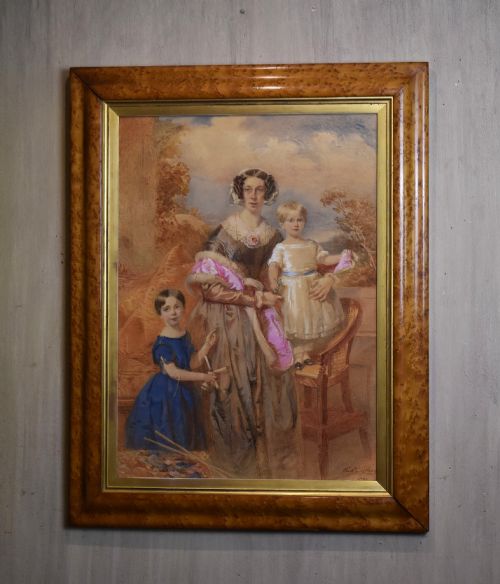
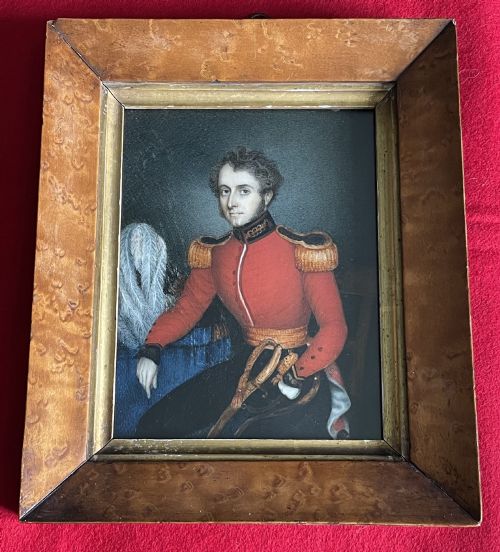
Maple framed artwork brings together timber moulding and delicate works on paper or canvas, offering period character for domestic walls.
Maple Framed Artwork
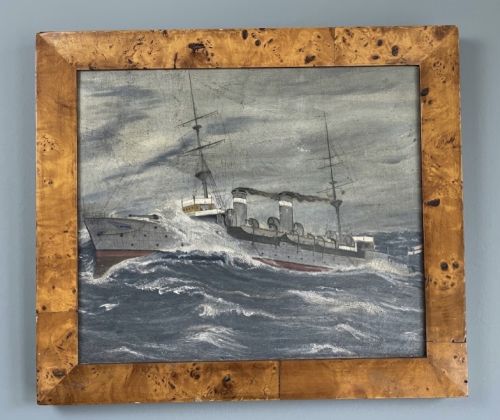
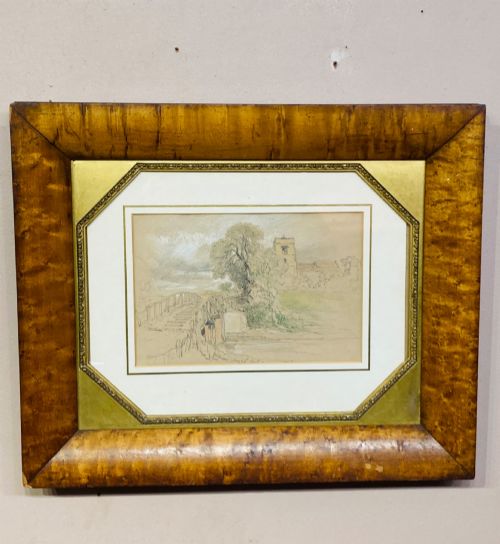
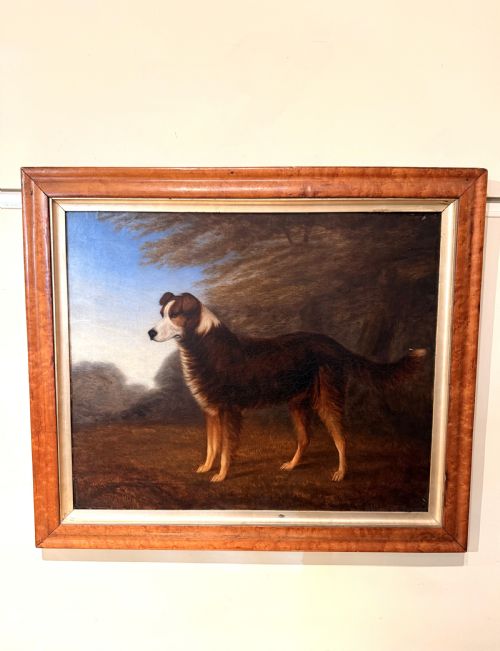
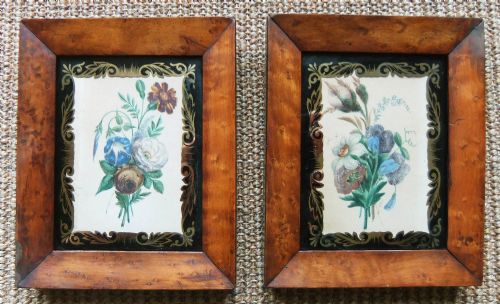
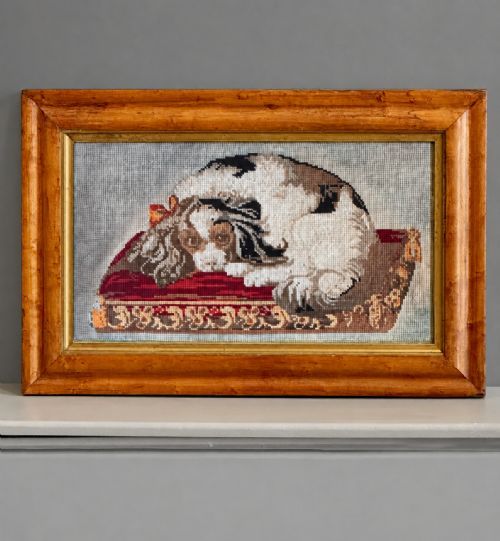
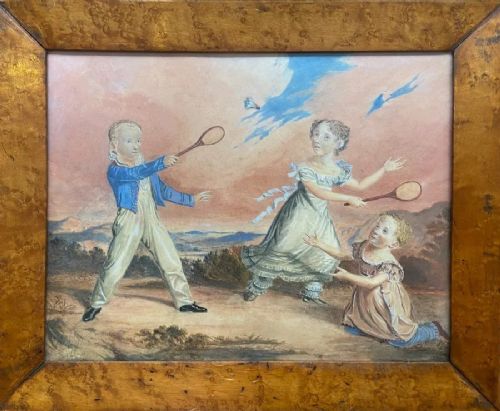
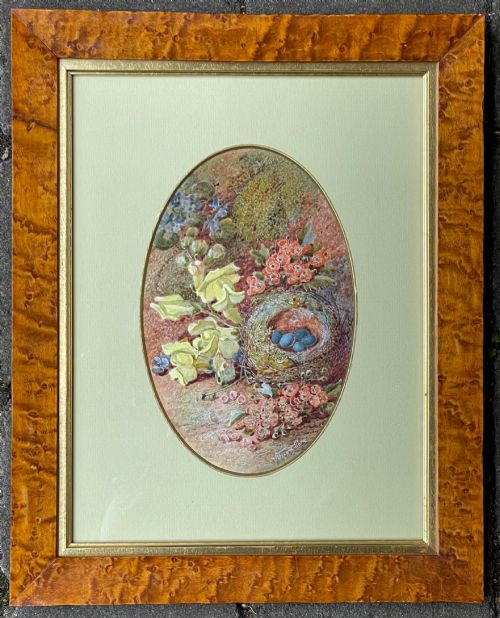
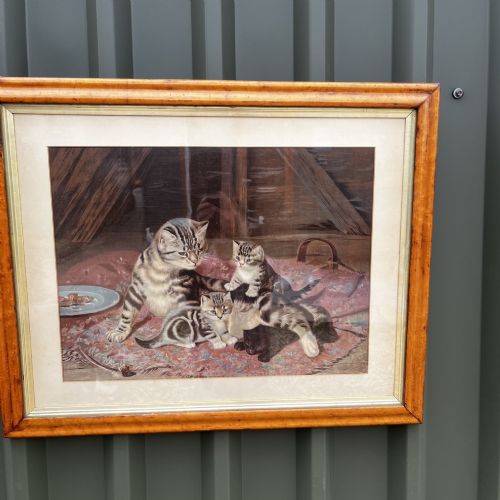
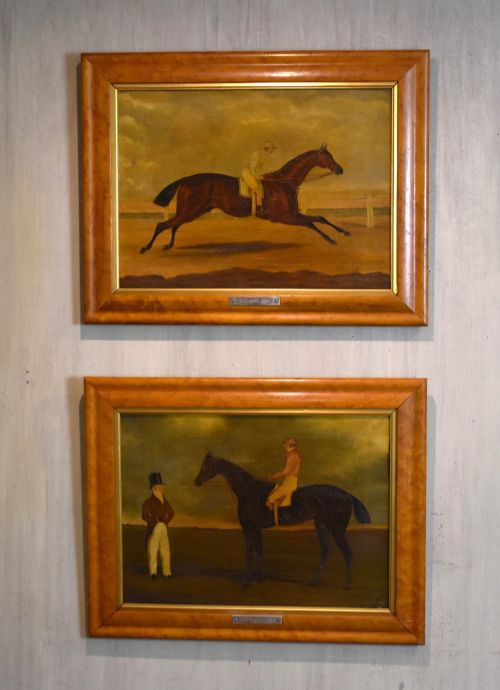
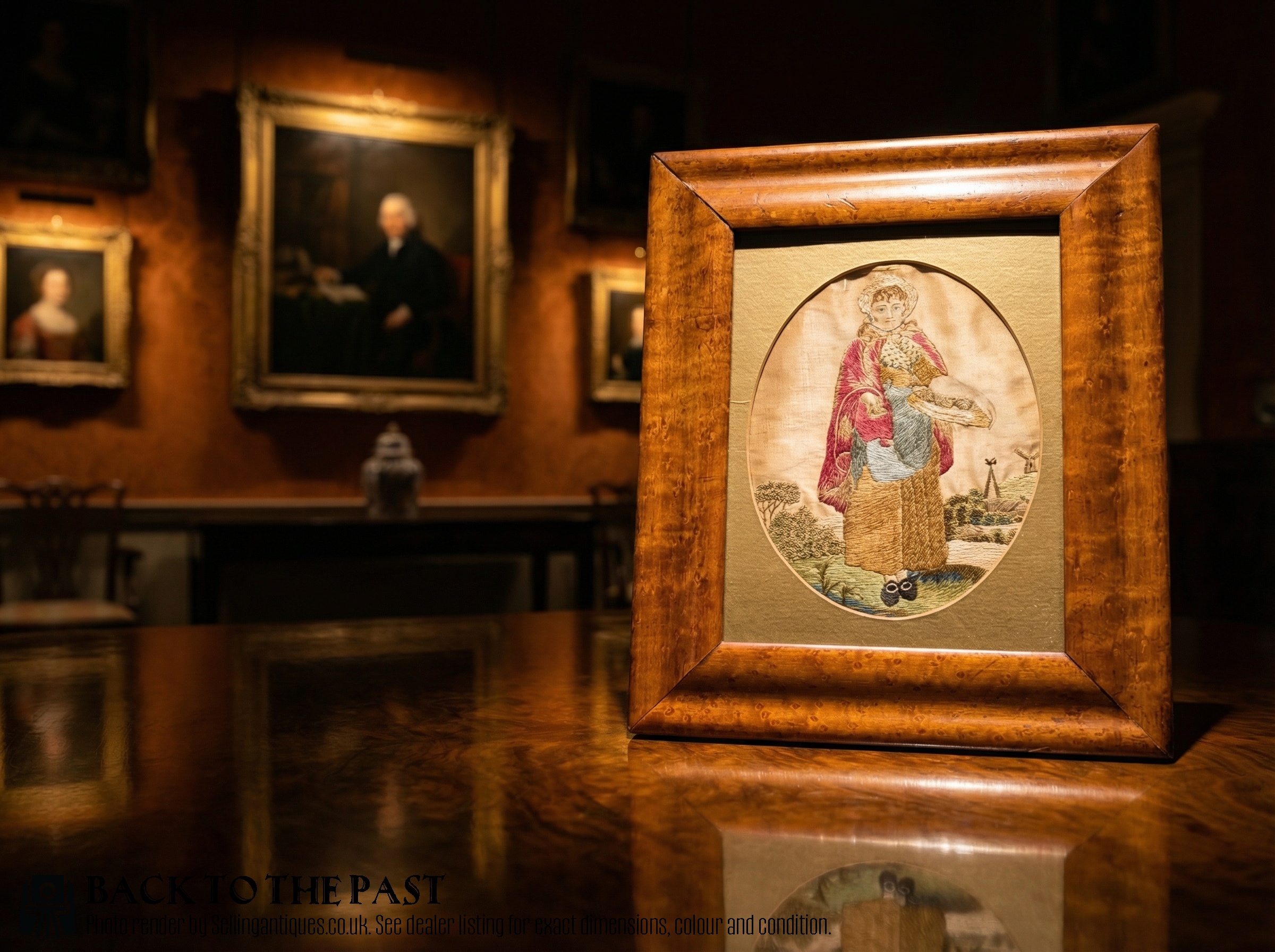
Maple framed artwork covers a diverse selection of 19th-century and early 20th-century visual pieces enclosed in pale wooden surrounds. Buyers seeking maple framed artwork encounter watercolour paintings, silhouettes, engravings, needlework and oil paintings dating from the Georgian, Regency and Victorian eras.
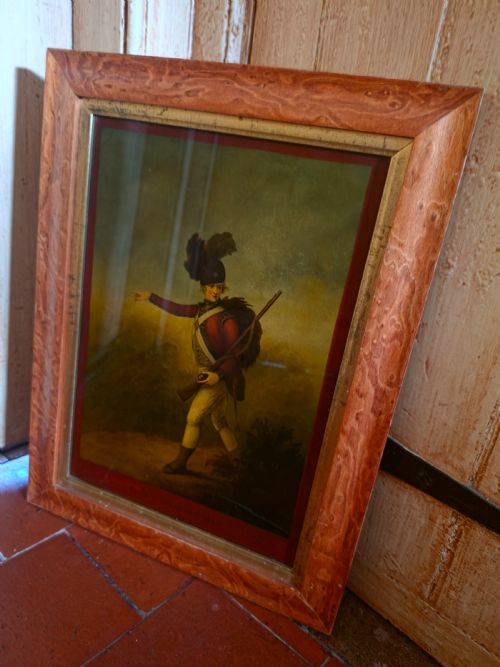
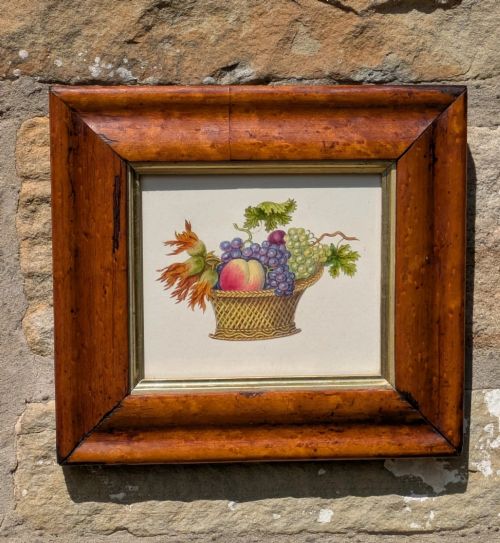
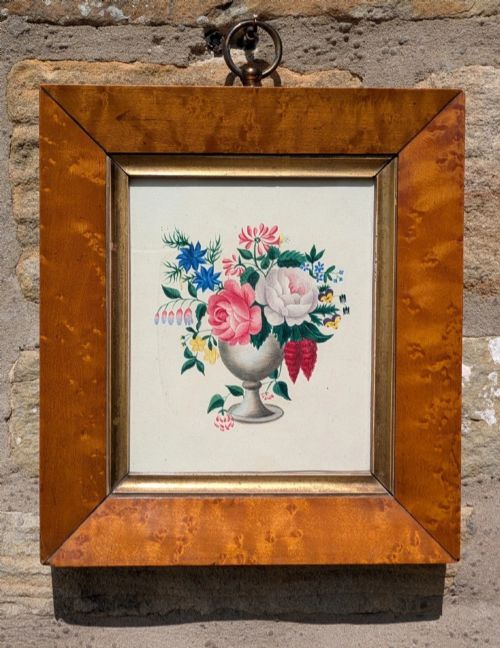
The objects span naive school portraits, botanical studies, sporting scenes and reverse glass pictures, each retaining its period character. These items demonstrate how historical images were customarily presented in figured timber surrounds during the nineteenth century.
Most examples originate from British makers and artists working across the 1800s, utilising distinctive birdseye or burr figuring in the timber. Such pieces provide an authentic glimpse into domestic interior decoration of the past.
Materials and construction
The enclosures rely on wood and maple veneer, often utilising burr or birdseye varieties to achieve a highly figured surface grain. These frames are frequently paired with glass, gold leaf, and gilt slip mounts to accent the central visual work.
The art within is executed on paper, canvas, panel, tin, or silk, employing media such as watercolour, oil paint, printmaking, and needlework. Skilled hands shaped the timber mouldings and mounted the delicate paper or fabric components securely behind glass.
Maple Framed Artwork Retail Price Guide 2026
Typical asking prices for maple framed artwork among the pieces listed under this phrase on Sellingantiques today, from the lower quarter to the upper quarter. They describe what is for sale here now, not the wider market.
The selection spans periods from Georgian through to the early 20th century, predominantly utilising paper, wood, and watercolour.
Distinctions in quality
Quality rests upon the depth and visual activity of the timber figuring in the maple frame, alongside the condition of the surface finish. Superior examples display striking grain patterns and retain their original gilding or polish without excessive disturbance.
The execution of the artwork itself dictates overall merit, separating casual output from accomplished hand-painted watercolours, oils or detailed silhouettes. Original mountings and untouched period backing materials further elevate an example's standing.
Samuel Dixon·Frederick Tatham·Horatio Henry Couldrey·Augustin Edouart·John Ferneley Jnr
The Maple Framed Artwork Glossary
- Maple
- A dense hardwood known for pale tones and distinctive grain patterns including birdseye and burr figures. It is frequently polished to highlight the natural figuring of the timber.
- Burr maple
- A growth distortion in the tree that produces intricate, swirling patterns when sliced into veneer. This material was highly prized for luxury picture frames and small cabinet work.
- Silhouette
- A portrait profile filled in with a solid dark colour, often cut from black paper or painted directly. Examples from the nineteenth century frequently show meticulous detail in hair and costume.
- Reverse glass painting
- An artwork applied directly to the rear side of a glass sheet so the finished image is viewed through the front. This technique protects the pigments from dust and fading.
- Berlin work
- A style of counted-thread embroidery popular during the Victorian period, typically worked in wool on canvas from printed pattern sheets.
Maple Framed Artwork: Frequently Asked Questions
How do I date a maple frame?
Dating relies on timber preparation, moulding profile, and accompanying backing materials. Earlier frames from the Regency and Georgian periods often feature distinct hand-planed joinery and specific gilding techniques.
Subsequent Victorian examples display machine-moulded profiles and different veneer thicknesses. Examining the construction methods at the reverse provides reliable clues to the decade of manufacture.
Are these frames original to the art?
Many pieces retain their original surrounds, which were selected by contemporary framers to complement the tones of the artwork. Burr and birdseye maple housings were particularly favoured for watercolours and needleworks.
Matching wear patterns between the picture and the timber surround usually confirm their long association. Evaluating the rebate and fitting nails offers further proof of originality.
How should I hang these pieces?
These works require stable indoor environments away from direct sunlight to protect delicate watercolours and paper components. Consistent humidity prevents timber shrinkage and cracking in the veneered frames.
Secure picture wire and appropriate wall fixings ensure the weight is properly supported. Professional framing tape on the reverse helps seal out dust and atmospheric moisture.
What subjects are most common?
Portraits, botanical studies, and naive scenes dominate this category, reflecting popular domestic tastes of the nineteenth century. Silhouette profiles and sporting subjects also appear with notable regularity.
Each genre captures a specific aspect of historical life, from family portraits to detailed animal studies. These diverse themes offer broad appeal for collectors of period interiors.