



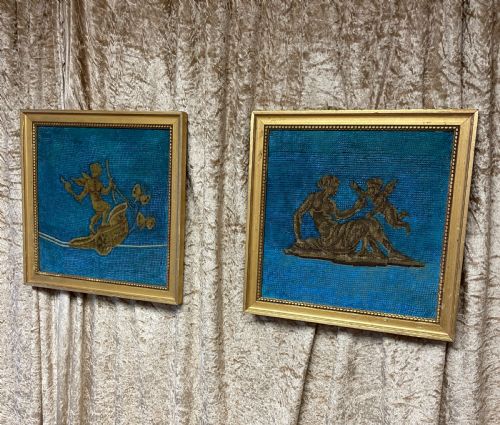

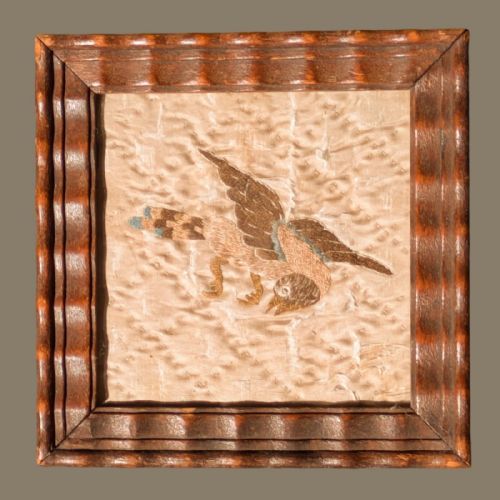


Antique Silk Thread Picture
An antique silk thread picture brings a delicate needlework pastoral or portrait into your room, worked in fine lustrous fibres over linen.
Antique Silk Thread Picture
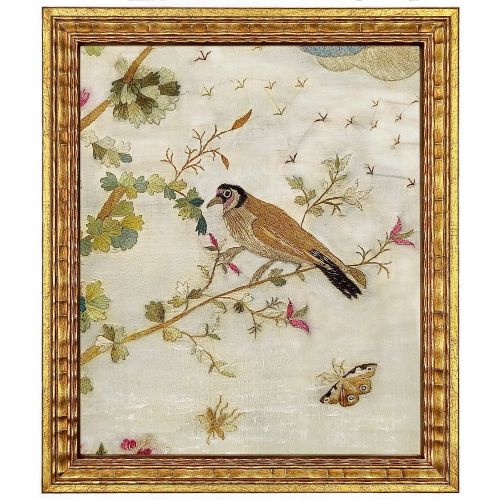
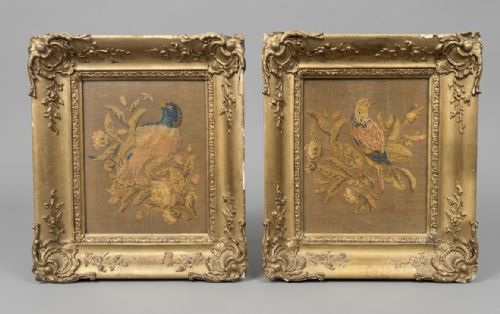
An antique silk thread picture is a historic piece of textile art designed to hang on the wall, often enclosed in a period wood or giltwood frame under glass. When you search for this phrase, you find wall art spanning several centuries, from early needlework samplers and religious scenes to detailed bird and pastoral studies.
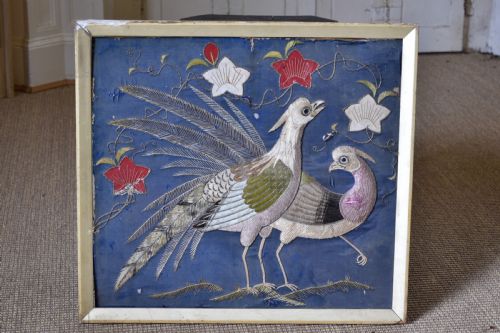
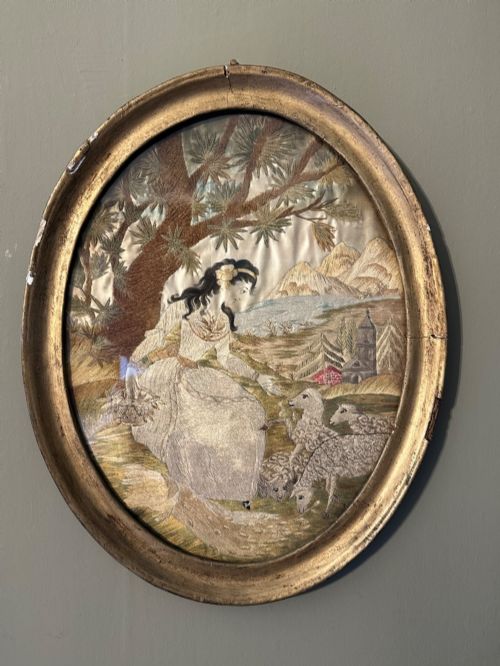
The pieces you are most likely to meet on this page date from the Georgian, Regency, and nineteenth-century periods. They include long stitch silk pictures, Chinoiserie compositions, and framed embroideries depicting everything from pastoral farming scenes to oyster sellers and royal artillery commemoratives.
How they were made
These works rely on a foundation of linen or wool fabric stretched securely before stitching begins. Artisans utilised fine silk threads alongside wool and metallic thread to build up texture, sheen, and depth within each pictorial composition.
Framing is integral to their survival, with original glass and gilt wood frames protecting the delicate textiles from dust and handling. Many examples incorporate specialised techniques such as long stitch or raised stumpwork to create three-dimensional pictorial effects.
Antique Silk Thread Picture Retail Price Guide 2026
Typical asking prices for silk thread picture among the pieces listed under this phrase on Sellingantiques today, from the lower quarter to the upper quarter. They describe what is for sale here now, not the wider market.
King Charles II and his favourite mistress immortalised in raised stumpwork embroidery remind us that historic gossip found its way straight onto the canvas.
What varies in quality
The distinction between ordinary and exceptional examples lies in the precision of the needlework and the fidelity of the pictorial design. Finer works display sophisticated shading, controlled stitch tension, and ambitious subject matter executed by skilled hands.
Preservation of the original materials dictates the standing of a piece, particularly the vibrancy of the surviving silk and metallic threads. The presence of a period frame matching the era of the textile elevates the integrity of the whole object.
The Antique Silk Thread Picture Glossary
- Long stitch
- A straightforward embroidery technique where stitches span a longer distance across the canvas to create smooth pictorial areas. It is frequently seen in Regency compositions.
- Stumpwork
- A raised embroidery style popular in the seventeenth century that uses padding and wire supports to achieve high relief. This technique brings figures and drapery forward from the background plane.
- Sampler
- A piece of needlework created to demonstrate a maker's proficiency in various stitches and alphabets. Dated examples often include the name and age of the young maker.
- Chinoiserie
- A decorative style reflecting European interpretations of Chinese and East Asian artistic traditions. It appears in pastoral and exotic scenes rendered in silk thread.
- Giltwood
- Wood carved and coated with a thin layer of gold leaf or metallic powder. It provides the traditional reflective border found on many framed textile works.
Antique Silk Thread Picture: Frequently Asked Questions
How should I hang silk thread pictures?
Keep textile art away from direct sunlight and damp walls to protect the fragile silk fibres and prevent fading.
Hang them securely using appropriate fixings on interior partition walls where temperature fluctuations remain minimal.
Are these pictures glazed?
Most surviving examples sit behind protective glass to shield the delicate threads from dust, atmospheric pollutants, and accidental damage.
Original glass should be preserved where possible, as it often displays the subtle imperfections characteristic of period manufacture.
How do I date a silk picture?
Look to the style of the frame, the subject matter, and any stitched signatures or dates incorporated into the composition.
Costume details, stitching techniques, and materials like metallic thread or wool also offer clear stylistic indicators for specific centuries.