
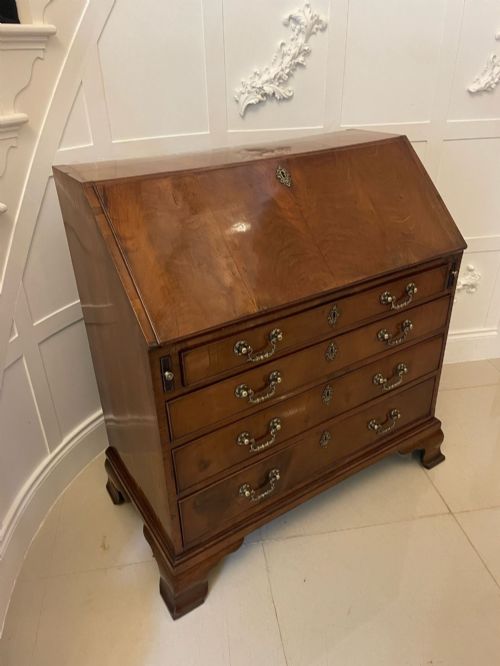
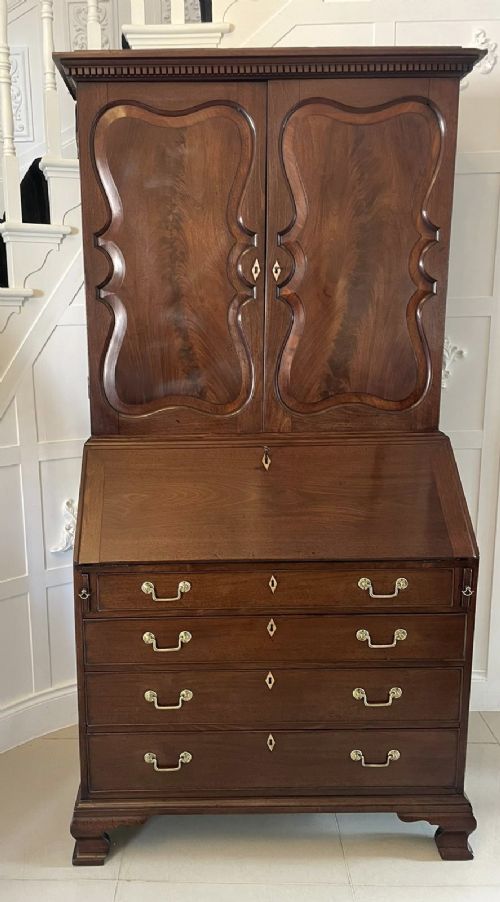
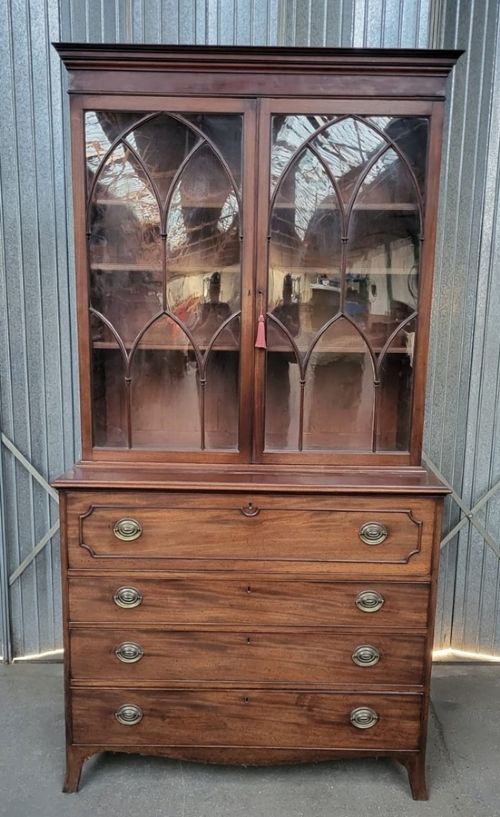
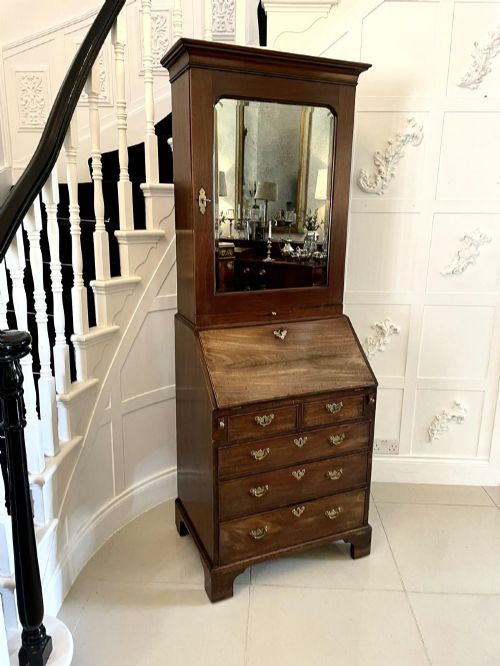


Georgian Secretary Cabinet
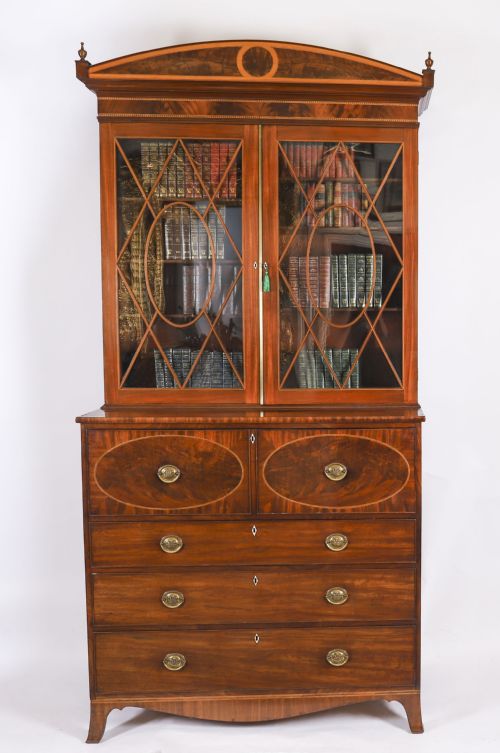
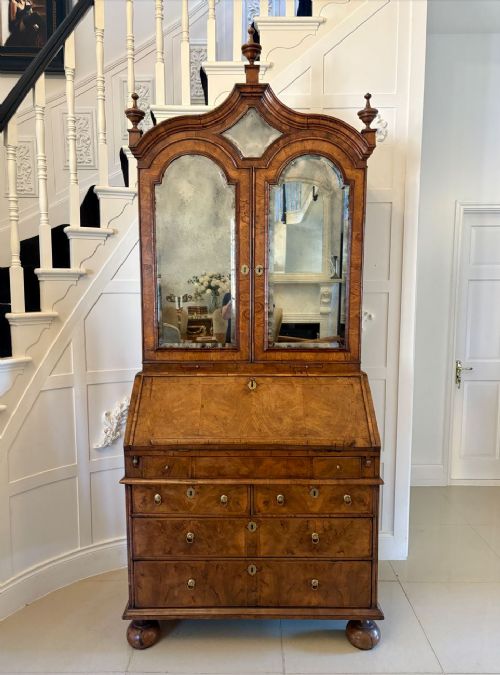
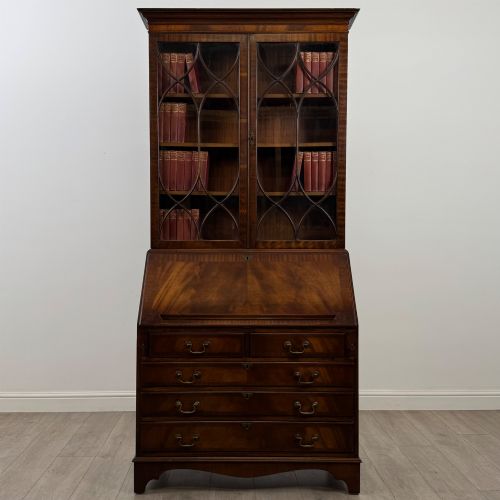
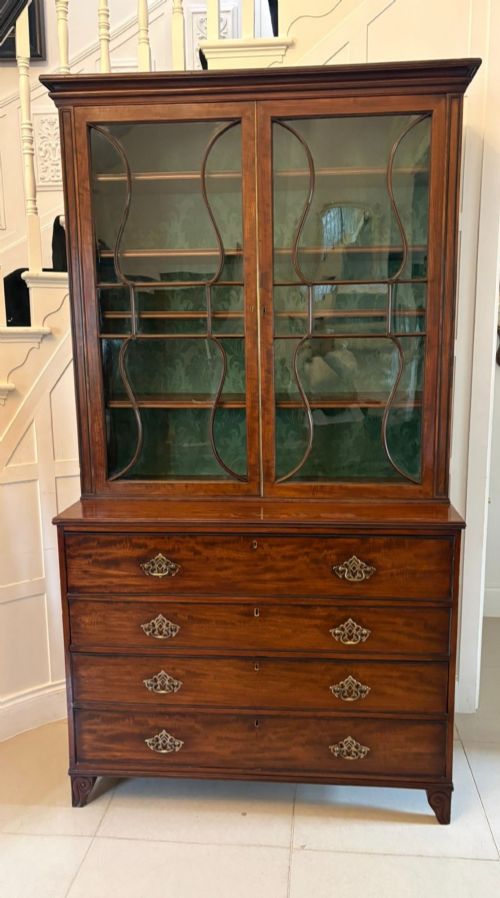
A georgian secretary cabinet combines a practical writing desk with upper shelving, offering a refined dual-purpose furniture piece for period interiors.
Georgian Secretary Cabinet
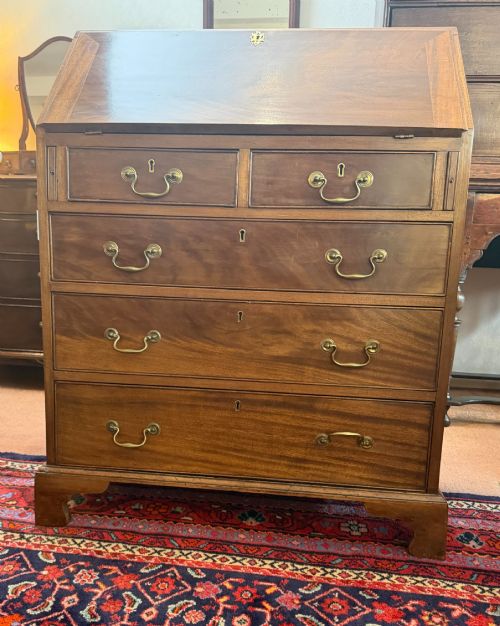
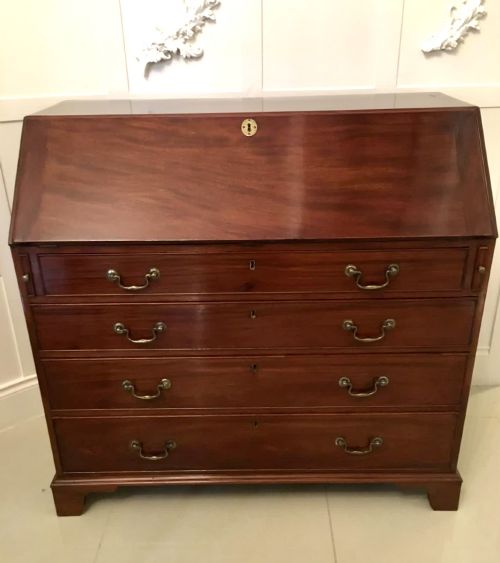
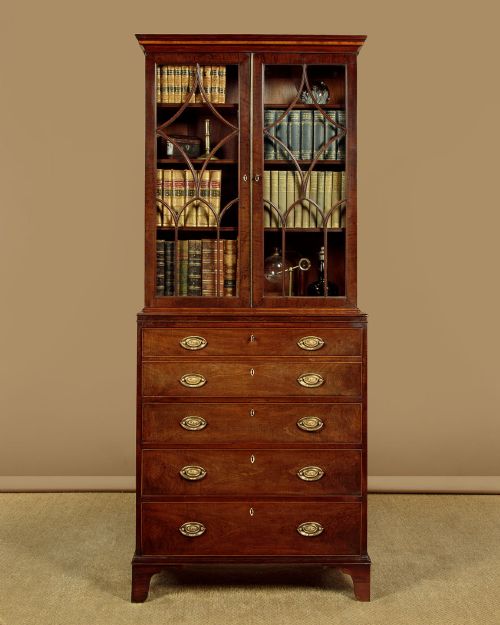
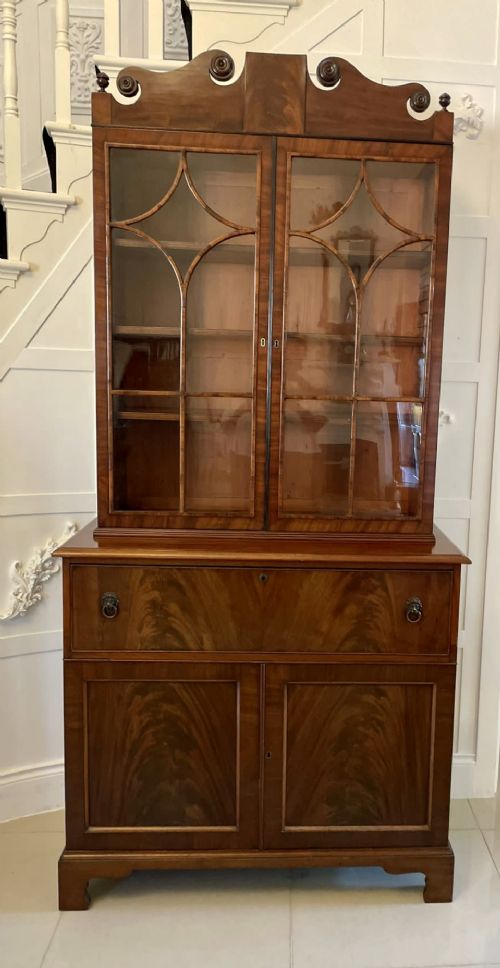
When searching for a georgian secretary cabinet, a buyer encounters forms such as bureau bookcases, secretaire bookcases, and writing desks with fitted interiors. These dual-purpose items combine a lower desk compartment with upper display shelving or enclosed book storage.
The pieces listed on this page span several stylistic eras and periods, including George I, George II, George III, George IV, Queen Anne, Regency, and Edwardian revivals. Oak, walnut, and mahogany are the predominant timbers utilised across these forms.
Originating in domestic and study settings, these cabinets provide concealed writing surfaces alongside upper glazed or panelled doors. Buyers meet both tall three-section bookcase combinations and smaller standalone slant-front writing bureaux.
How they were made
Timber selection dictated the visual character of each cabinet, with craftsmen employing solid oak, figured mahogany, and burr walnut. Flame mahogany veneers and featherbanding add decorative surface detail to primary woods.
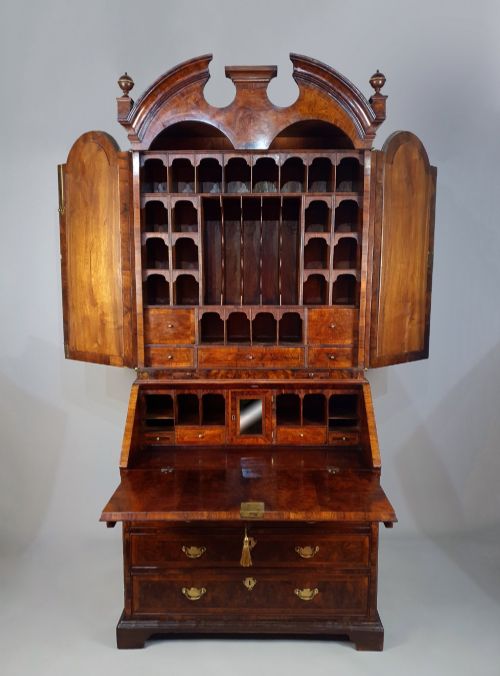
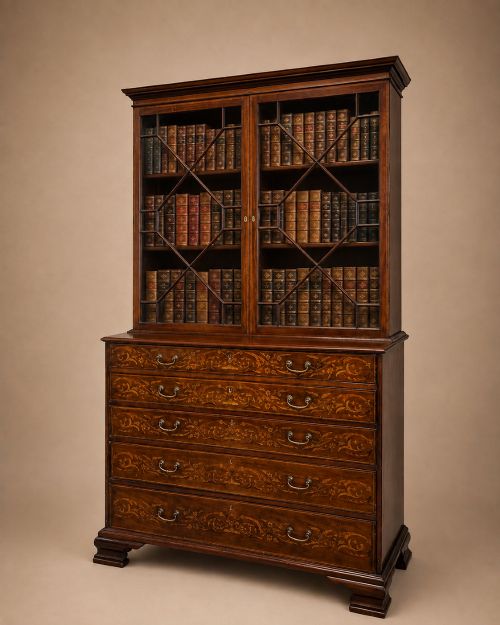
Glazed upper doors reveal interior shelving, while lower desk sections incorporate fitted compartments, pigeonholes, and drawers. Brass hardware such as drop handles and escutcheons secure doors and drawers, and red leather writing surfaces line certain fall-front desks.
Listings feature woods including mahogany, burr walnut, oak, and yew wood, paired with glass, brass, and leather.
What varies in quality
The sophistication of the internal fitting distinguishes finer examples from simpler provincial work. Elaborate stepped interiors, secret compartments, and pigeonhole arrangements elevate the craftsmanship of the desk section.
Timber choice and figure also drive distinctions in standard, with highly figured burr walnut, flame mahogany, and intricate inlay work representing superior material selection. The execution of glazed door framing and original brass hardware further separates workshops.
Thomas Chippendale
The Georgian Secretary Cabinet Glossary
- Bureau bookcase
- A combination furniture form featuring a lower writing bureau with a desk flap and an upper bookcase section enclosed by doors. These units integrate workspace and library storage into a single tall elevation.
- Secretaire
- A desk or writing cabinet containing a drawer or drop-front compartment fitted with small drawers and pigeonholes. The drop-front falls open to provide a flat writing surface.
- Featherbanding
- A decorative inlay technique using small strips of veneer arranged in a herringbone pattern to frame drawer fronts or panels. This detail appears frequently on walnut cabinetry.
- Escritoire
- A writing cabinet or desk, often tall in proportion, used for correspondence and document storage. The term is frequently applied to walnut and mahogany fall-front writing furniture from the late seventeenth and eighteenth centuries.
- Cylinder tambour
- A desk mechanism featuring a rotating slatted wooden shutter that rolls back to reveal the writing surface and interior pigeonholes. This construction gained popularity in the late eighteenth century.
Georgian Secretary Cabinet: Frequently Asked Questions
How do you tell periods apart?
Distinguishing periods involves examining timber choices, hardware styles, and structural proportions. Early pieces from the reign of Queen Anne or George I often utilise burr walnut with featherbanded borders and candle slides.
Later eighteenth-century examples under George III lean towards figured mahogany with architectural cornices and fine inlay work. Regency and nineteenth-century pieces display heavier proportions, bolder grain figures, and occasionally simpler brass mounts.
Where were they used?
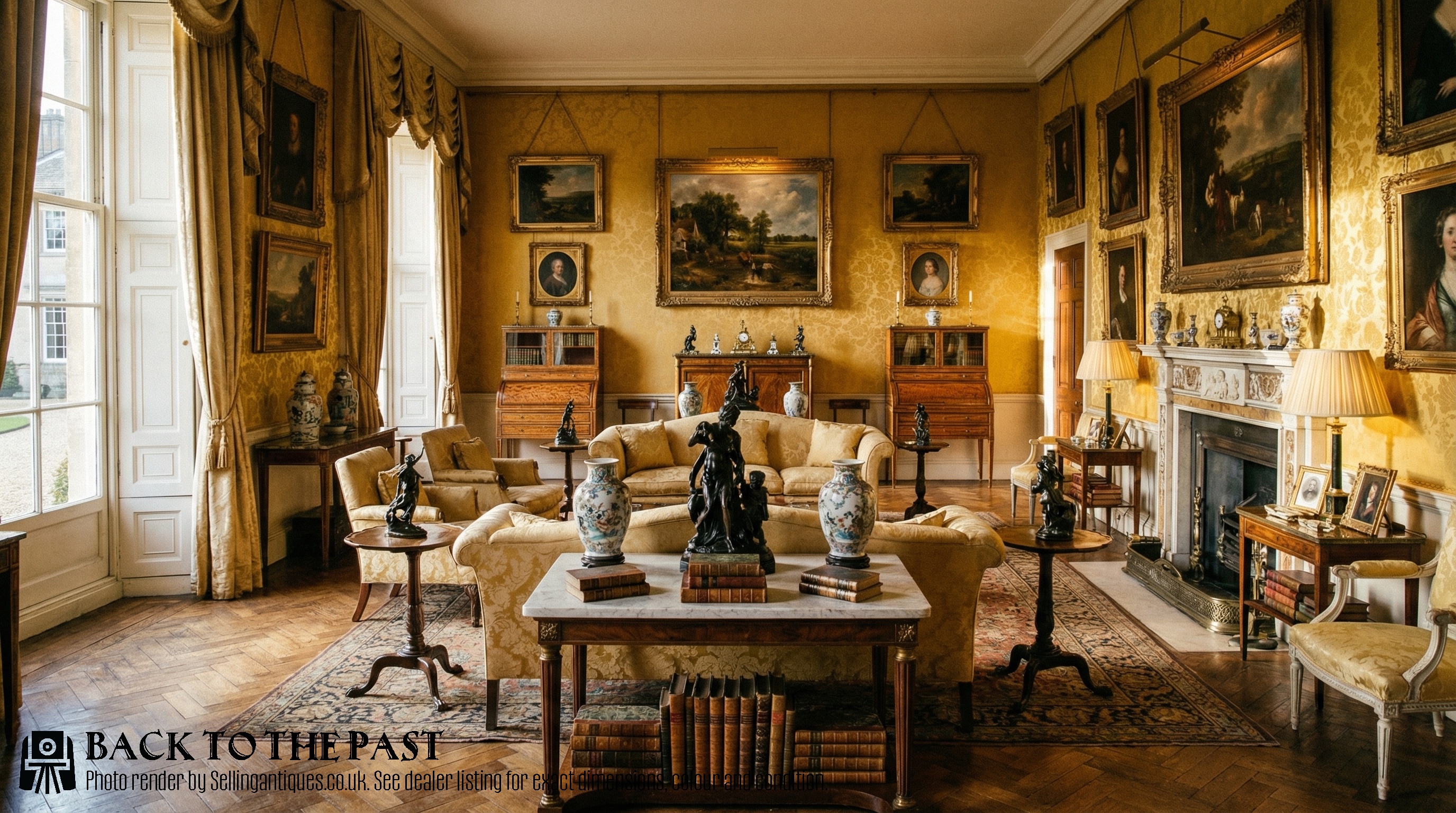
These cabinets were placed in private studies, libraries, and formal drawing rooms of large houses. They functioned as private spaces for letter writing, keeping accounts, and storing household records.
The combination of enclosed storage and display space made them suitable for rooms where books and documents needed organisation but remained protected from dust and light.
How do you live with them?
Living with a georgian secretary cabinet requires balancing its considerable height and depth within a modern room layout. The pull-out or drop-down writing surface provides an active desk space without dominating the floor area permanently.
Maintenance involves regular dusting of the upper glass panels and conditioning timber surfaces with suitable wax. Care must be taken to support fall-front writing flaps with their internal stays or brackets when opened.