



Georgian Provincial Silver
Georgian provincial silver brings forth the distinct hand of local makers working far from London, offering remarkable regional variety.
Georgian Provincial Silver
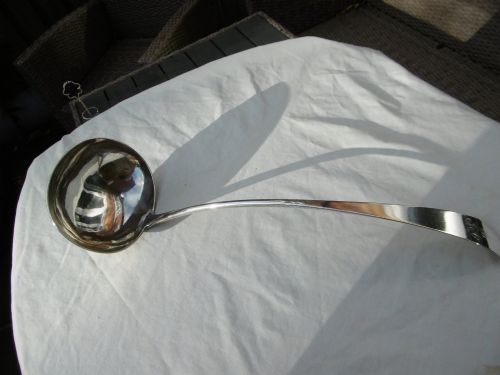
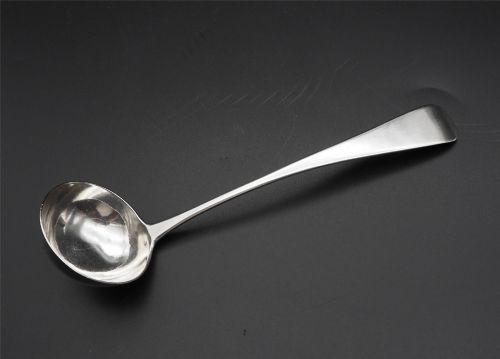
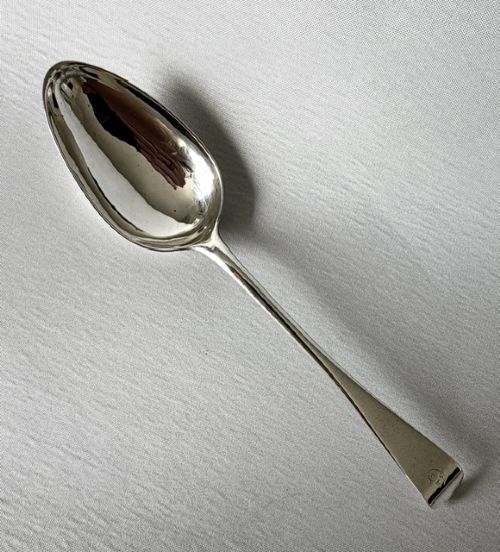
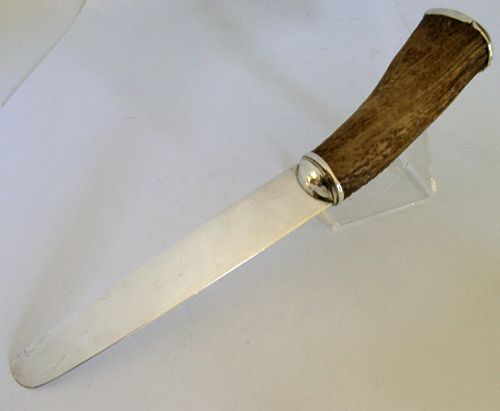
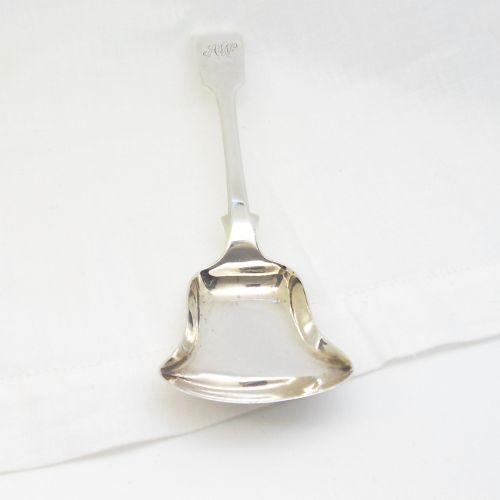
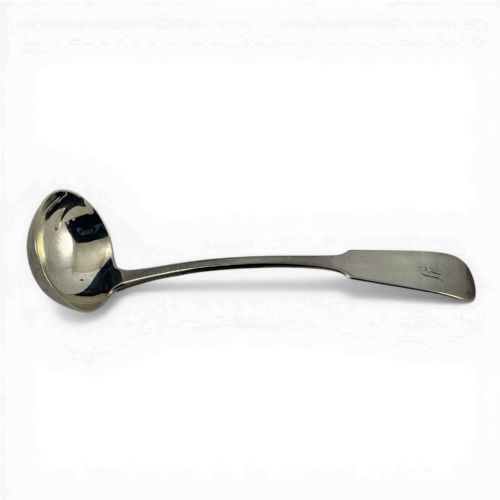
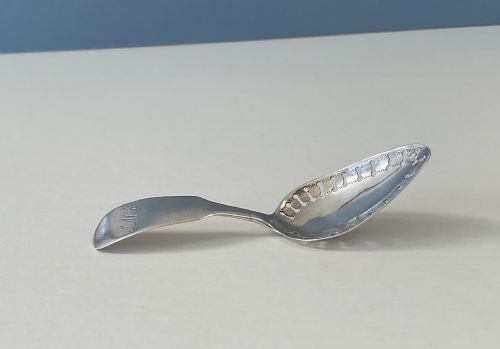
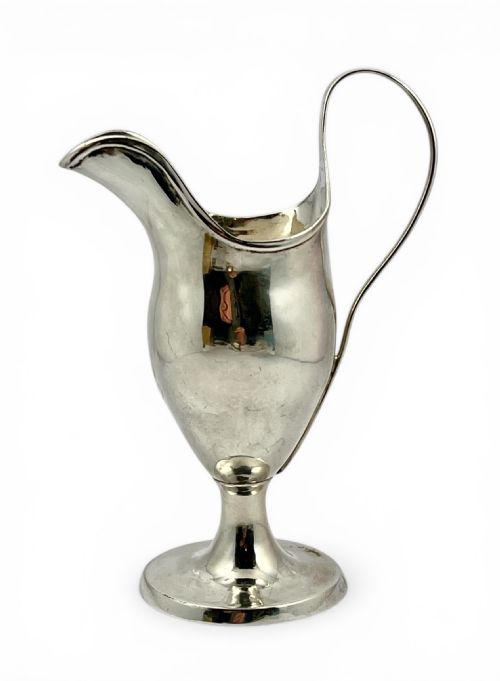
When you examine georgian provincial silver, you encounter functional objects and tableware fashioned outside the capital in regional assay offices or independent towns. The selections span soup ladles, cream jugs, teaspoons, caddy spoons, tankards, and mustard spoons alongside occasional page turners and wine labels.
The objects derive largely from the eighteenth and early nineteenth centuries, bearing the marks of makers operating in Scottish and English towns from Newcastle and Exeter to Aberdeen, Inverness, and Glasgow. These domestic items reflect the daily dining and social habits of provincial households during the Georgian era.
You will notice that many pieces take the form of flatware and holloware, executed in sterling silver with occasional inclusions of horn and wood. The corpus demonstrates how regional silversmiths adapted metropolitan styles to local tastes and demands.
How they were made
Makers shaped sterling silver through hammering, casting, and soldering, raising holloware like tankards and cream jugs from flat sheets of metal. Flatware items such as tablespoons and ladles were beaten from ingots into shape before being polished and engraved.
Selected items incorporate materials like horn and wood, particularly in handles for page turners or desk accessories, requiring specialised joining techniques. The reliance on manual methods ensures that each piece displays small individual variations in weight and form.
Listings feature items in sterling silver alongside horn and wood components, spanning the Georgian period into the twentieth century.
What varies in quality
The distinction between ordinary and exceptional pieces rests upon the clarity of regional hallmarks and the reputation of the maker. Work from remote towns bearing distinct local town marks carries particular weight among collectors.
Execution and gauge of metal also separate examples, with heavier soup ladles and complex holloware demonstrating superior craftsmanship. Preservation of original surface texture and crispness of engraved decoration further elevate the standing of individual items.
Milne and Campbell·John Walton·William Ferguson·James Gordon·George Cooper·James Tait·Jamieson and Naughton·Samuel Blatchford·Christian Ker Reid I·John Robertson II
The Georgian Provincial Silver Glossary
- Hallmark
- Official stamps impressed into silver to indicate standard, maker, and assay office. Regional pieces often display unique town marks alongside maker initials.
- Holloware
- Utilitarian vessels such as teapots, cream jugs, tankards, and sugar boats. These items required advanced skills in raising and soldering sheet metal.
- Rat tail
- A traditional strengthening ridge running down the back of a spoon bowl. This feature is characteristic of early eighteenth century flatware.
- Paten
- A small plate or dish used in ecclesiastical settings, sometimes fashioned by provincial silversmiths. They occasionally appear in early eighteenth century silver inventories.
- Caddy spoon
- A short handled spoon designed for measuring loose tea leaves from a caddy. These small items became popular during the Georgian period and show immense regional design variation.
Georgian Provincial Silver: Frequently Asked Questions
What is provincial silver?
Provincial silver refers to items manufactured outside London, principally in regional centres and Scottish towns. These pieces often carry unique local marks rather than standard metropolitan hallmarks.
Makers in these areas supplied local gentry and merchants, producing everything from heavy soup ladles to small condiment spoons.
How do I identify regional marks?
Regional pieces frequently feature maker initials combined with distinct town symbols or punch marks specific to places like Newcastle, Exeter, or Inverness. These stamps differ from the standard leopard head and lion passant of London.
Consulting specialised reference books helps attribute unrecorded or obscure maker marks to specific towns.
How should I care for silver?
Keep silver away from rubber and damp environments, and wash it gently in warm soapy water when necessary. Avoid harsh abrasive cleaners that wear away thin hallmarks and delicate engravings over time.
Regular handling through use helps maintain a natural, soft lustre on flatware and holloware.