
Georgian Pill Box
A georgian pill box is a small, portable container for medicinal pills, tobacco, or cosmetics that appeals to collectors for its intricate metalwork and enamel painting.
Georgian Pill Box
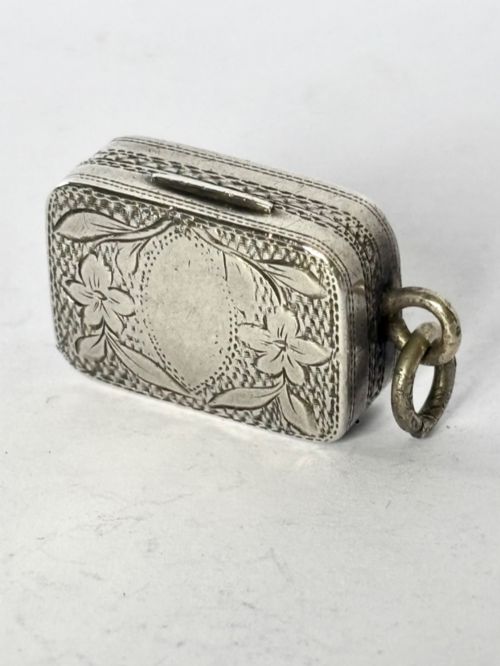
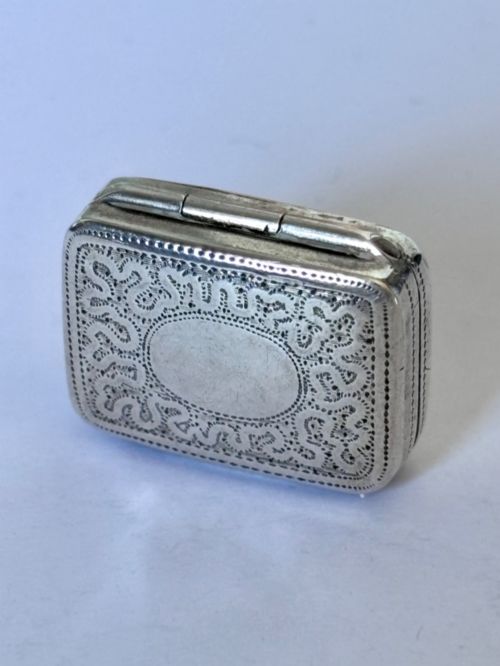
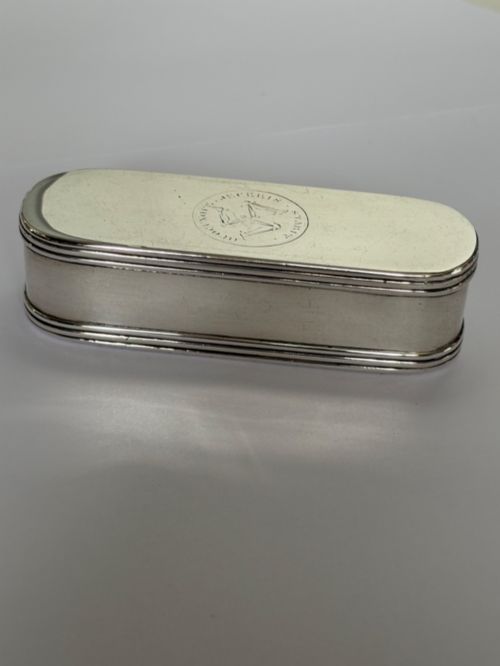
When searching for a georgian pill box, a buyer typically encounters small, pocket-sized containers used historically for carrying pills, patches, or snuff. These items date from the Georgian period and the eighteenth century, taking forms such as hinged boxes, patch boxes, and vinaigrettes.
How they were made
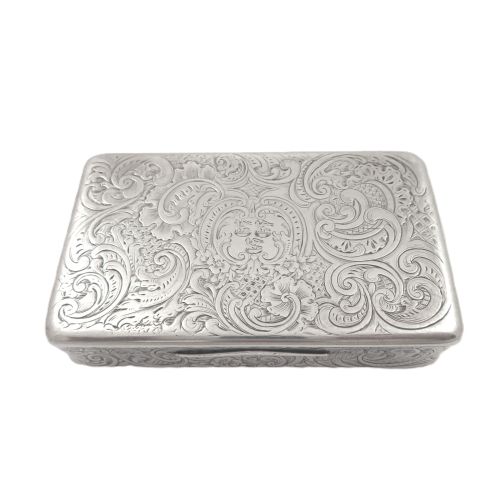
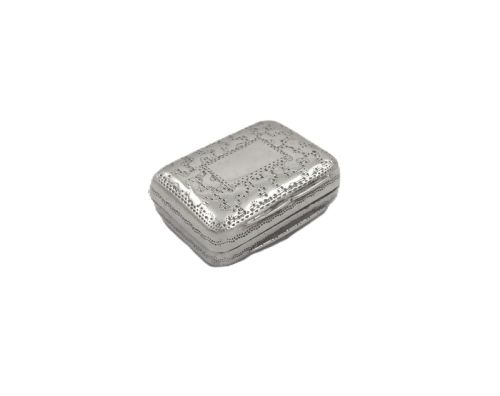
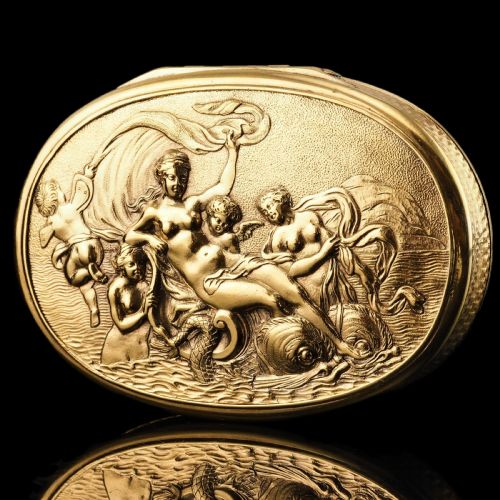
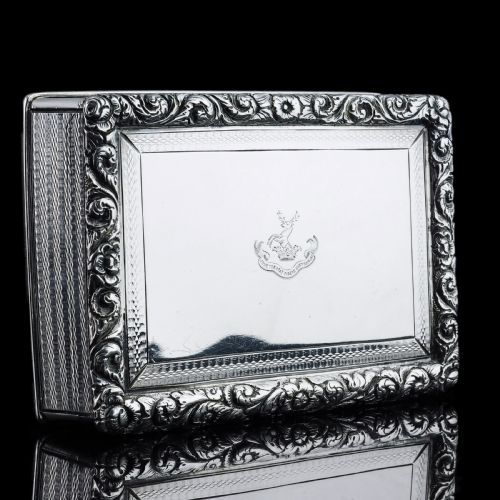
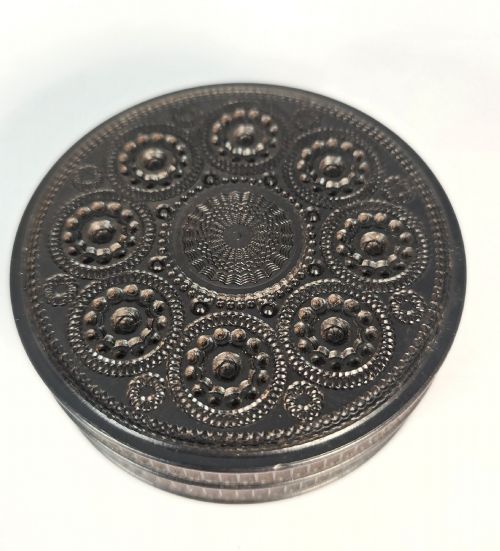
Metalsmiths shaped sterling silver, gold, and copper using techniques like chasing, engraving, and engine turning to create textured surfaces and structural hinges. Silver gilt pieces received a thin layer of gold applied over the silver base to give a rich, uniform interior and exterior finish.
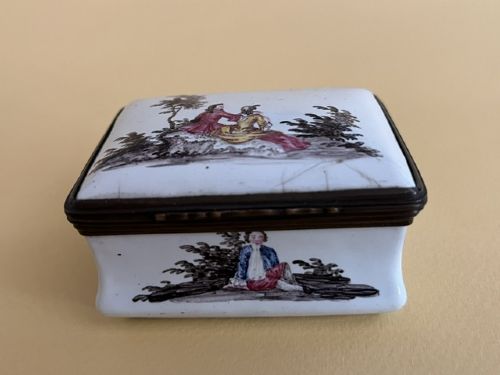
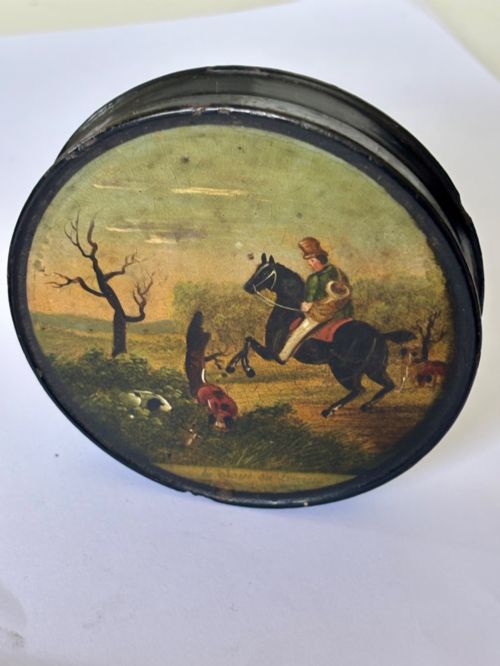
Enamel boxes, particularly those from Bilston and South Staffordshire, relied on fusing powdered glass to a copper base through high-temperature firing. Artisans then hand-painted detailed miniature scenes, landscapes, and floral decorations directly onto the hardened enamel surface.
Listings feature sterling silver, enamel, gold, and agate materials across Georgian, Regency, and nineteenth-century periods.
What varies in quality
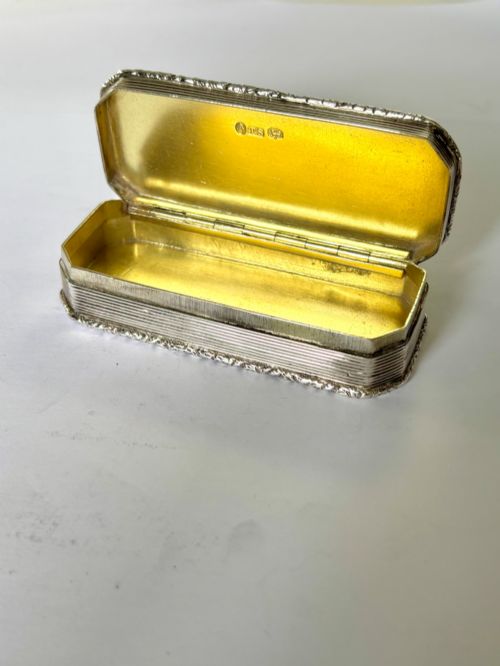
The standard of a georgian pill box depends heavily on the crispness of the chased decoration and the precision of the goldsmith's or silversmith's handwork. Fine examples display sharp, legible hallmarks, tight lid closures, and well-preserved internal gilding.
In enamel and painted pieces, quality rests on the preservation of the painted surface and the absence of firing cracks or extensive restoration. Finer boxes maintain vibrant hand-painted details without fading or loss to the miniature scenes.
SAMUEL PEMBERTON BIRMINGHAM·THOMAS JOHNSON·CORNELIUS BLAND·THOMAS SHAW·Joseph Willmore·JACOB AMYAND·Giles Loyer·Alexander James Strachan·William Eaton
The Georgian Pill Box Glossary
- Vinaigrette
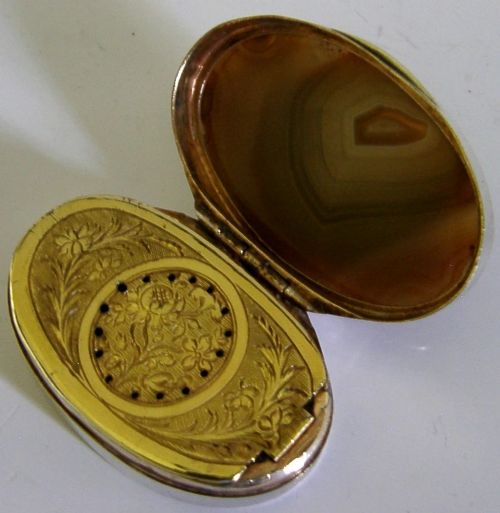
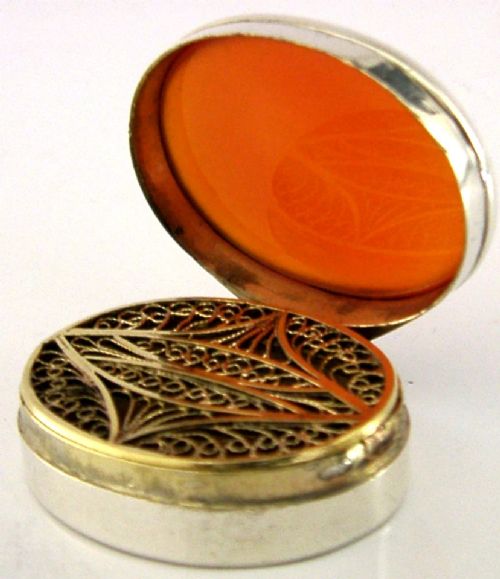
- A small ornamental box containing a perforated internal grille that held a sponge soaked in aromatic vinegar. These pieces were carried for relief from unpleasant odours.
- Silver Gilt
- Silver that has been coated with a thin layer of gold. This technique protects the underlying silver from tarnishing and provides a rich golden appearance.
- Bilston Enamel
- Enamel work produced in the Staffordshire town of Bilston during the eighteenth century. These items typically feature painted copper bodies used for patches or pills.
- Patch Box
- A small box fitted with a mirror inside the lid, used to store small fabric cosmetic patches worn on the face during the Georgian era.
- Cartouche
- An ornamental frame or panel, often oval or shield-shaped, used to enclose initials, crests, or coats of arms on the lid of a box.
Georgian Pill Box: Frequently Asked Questions
What were georgian pill boxes used for?
These small containers were carried in pockets or reticules to hold medicinal pills, herbal remedies, or breath-freshening lozenges. Wealthy individuals used them as functional daily accessories.
They were also utilised for holding small cosmetic patches or scented items, serving as miniature luxury items that displayed the owner's status.
How do I identify a georgian pill box?
Authentic examples often display clear hallmarks indicating the city of assay, maker's mark, and date of production. The materials typically include sterling silver, Bilston enamel, or tortoiseshell.
Stylistic cues such as Neoclassical motifs, hand-painted pastoral scenes, and heavy chased floral borders also point directly to the eighteenth and early nineteenth centuries.
Are these boxes made of solid silver?
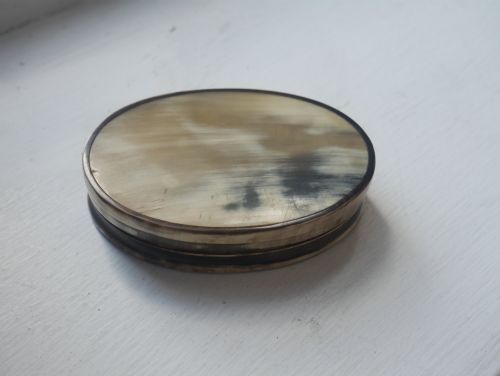
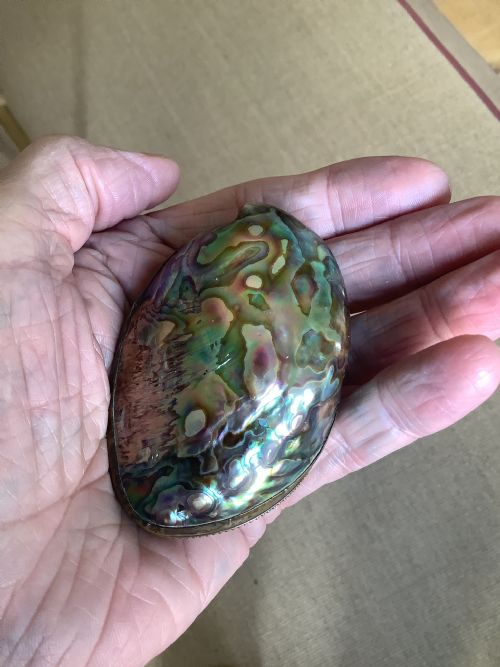
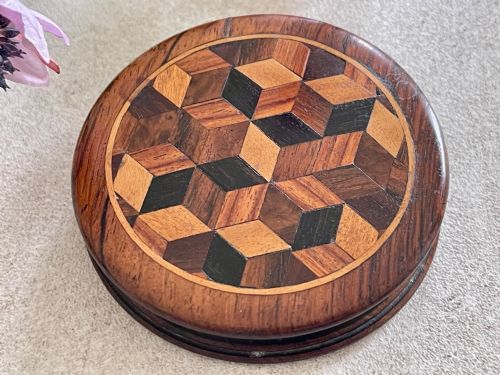
Many surviving examples are fabricated from sterling silver or gold, while others utilise copper bases coated with enamel or silver gilt. Some pieces incorporate organic materials like tortoiseshell, agate, horn, or mother of pearl.
Internal grilles in vinaigrette versions are commonly formed in silver gilt to resist the corrosive nature of aromatic vinegars.
How should I care for an antique box?
Enamel and tortoiseshell surfaces require gentle dusting with a dry microfibre cloth, avoiding harsh chemical cleaners or submersion in water. Silver components may be cleaned sparingly with a soft cloth to preserve original hallmarks and patination.
Store these delicate containers in stable humidity environments away from direct sunlight to protect painted enamels and organic shell inlays.