


Georgian Piecrust Table
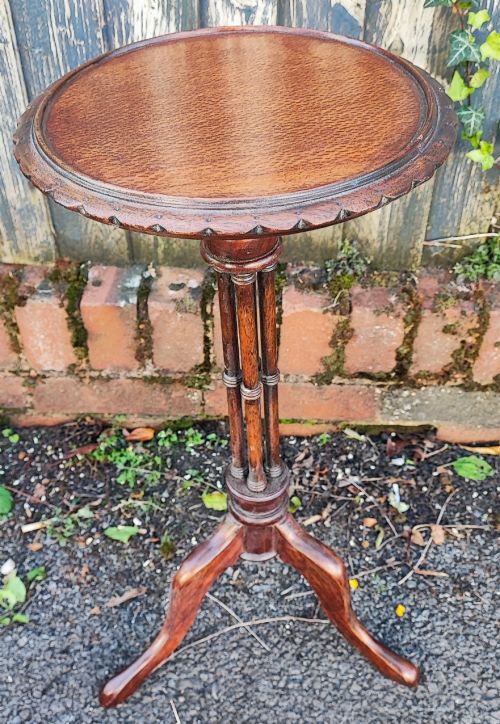
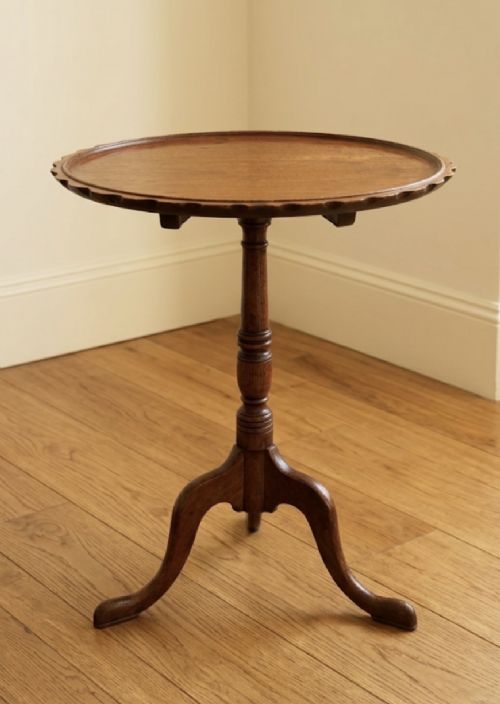
A georgian piecrust table brings unmistakable eighteenth-century character to a room with its characteristic carved moulded edge.
What They Are
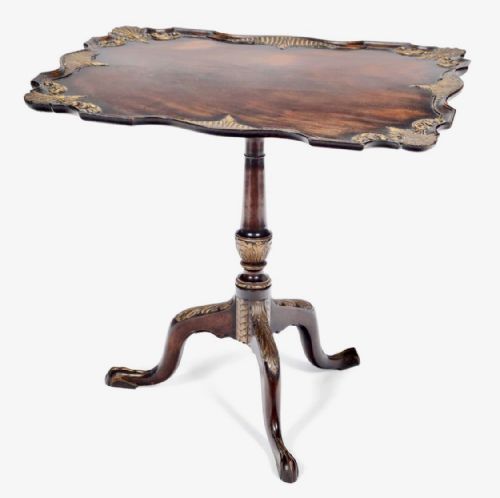
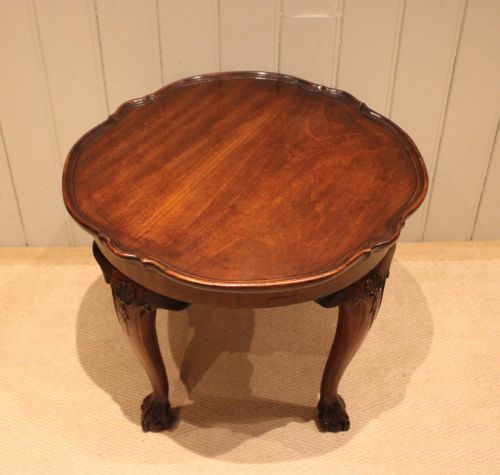
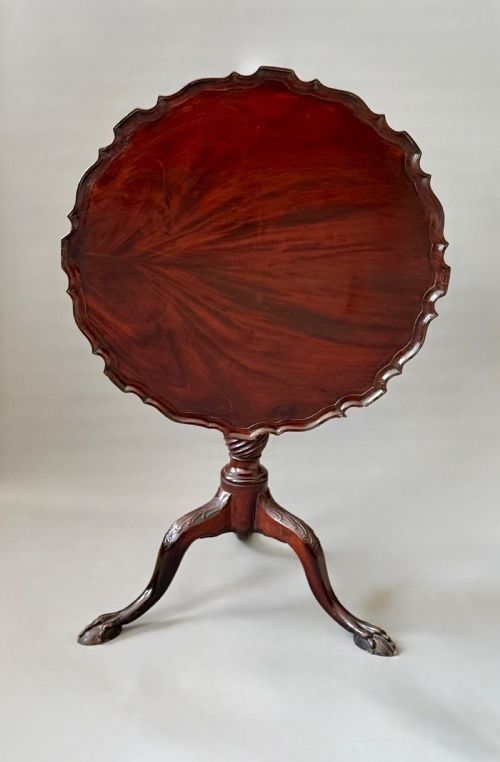
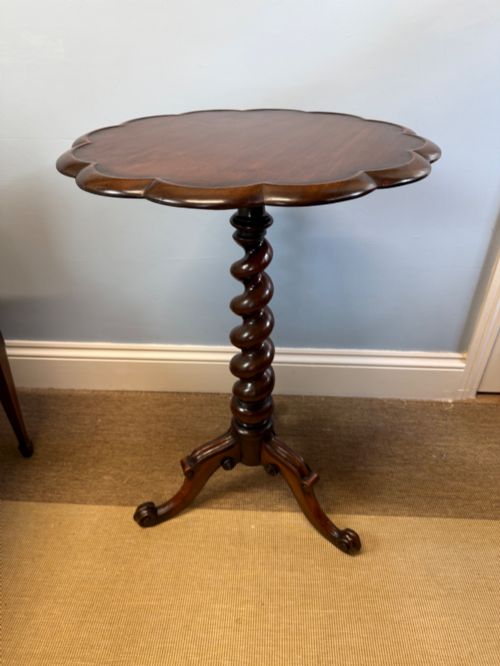
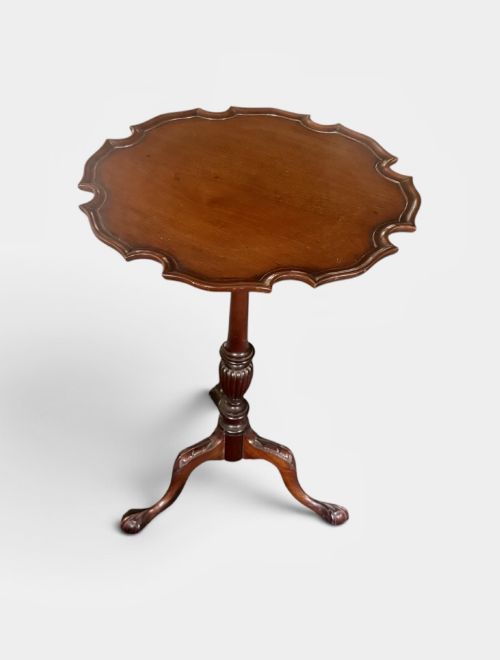
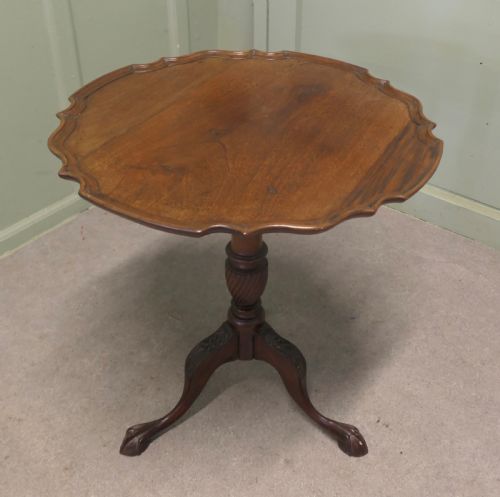
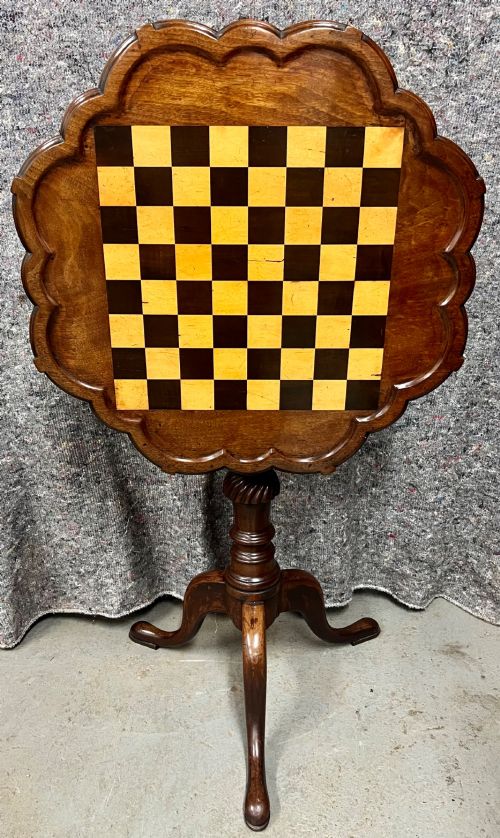
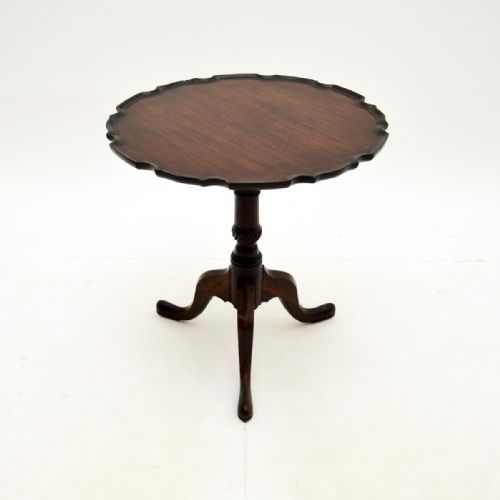
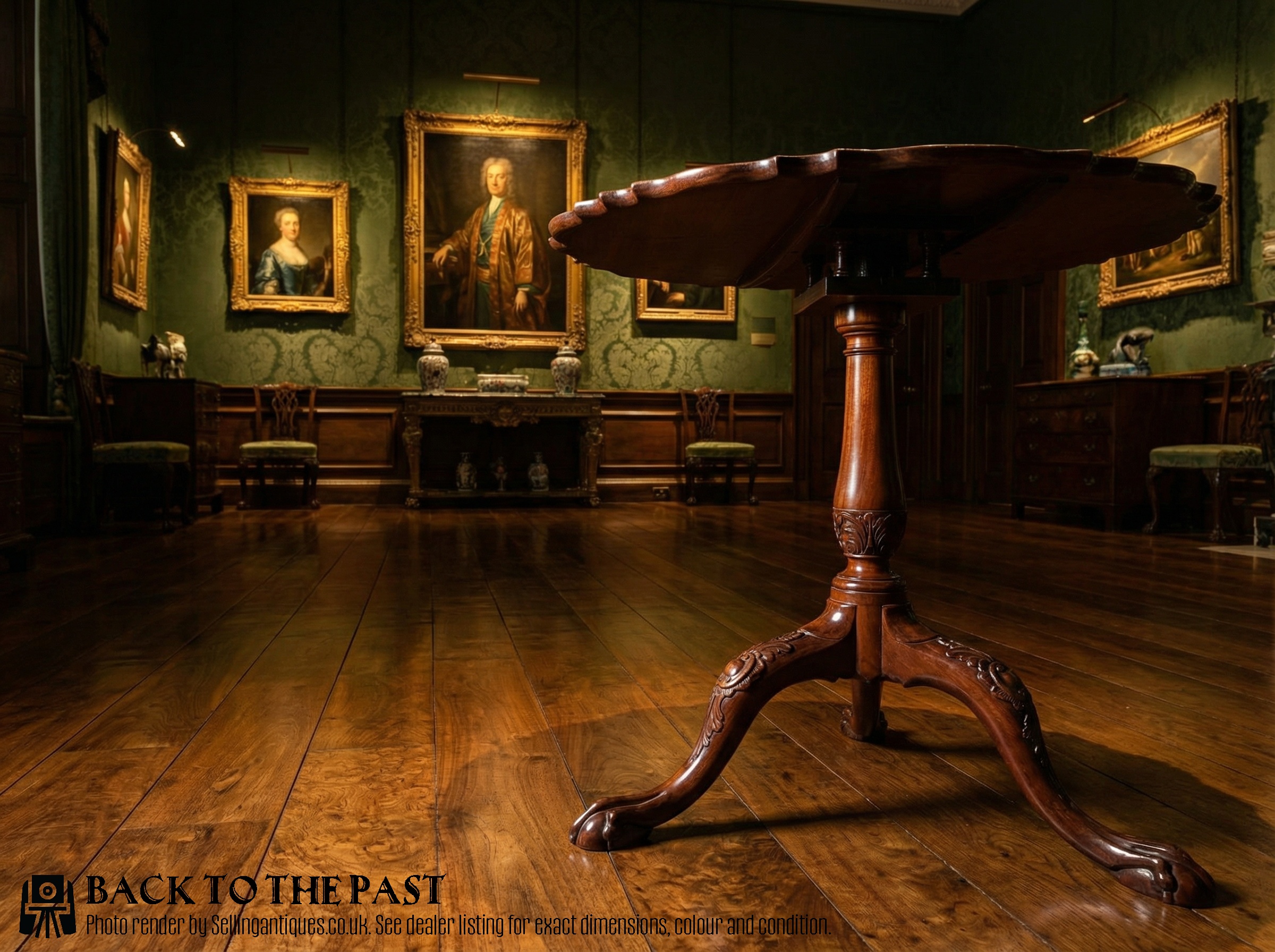
A georgian piecrust table is typically a tripod occasional, side, or coffee table featuring a distinct raised and carved rim that resembles pastry work. These pieces emerge from the eighteenth century, with examples spanning the Georgian and George III periods alongside later nineteenth-century interpretations.
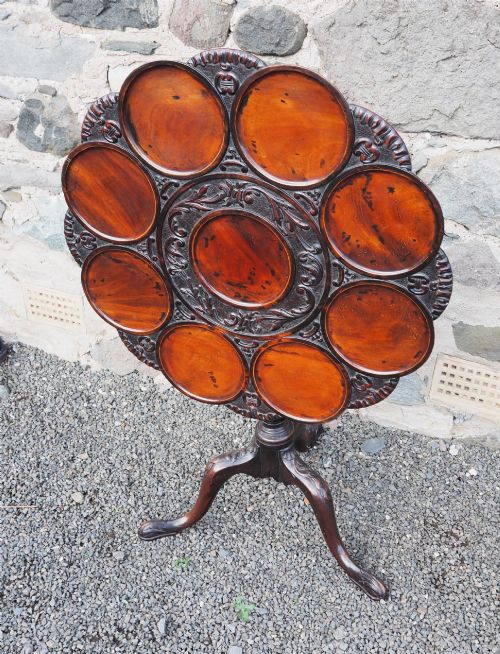
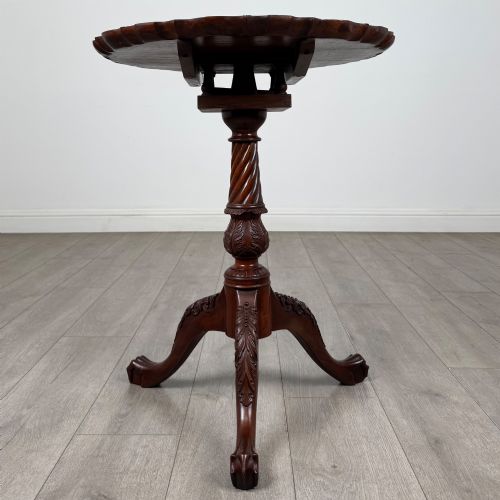
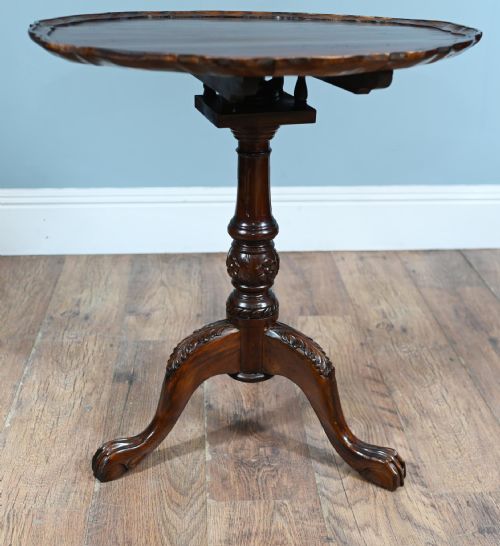
The form commonly incorporates a tilt-top mechanism allowing the circular surface to fold vertically when not in use. Some variations include a birdcage action beneath the top, enabling both rotation and pivoting.
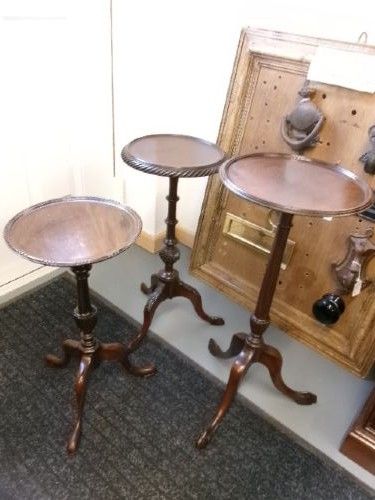
Most examples rely on a central pillar supported by three legs, frequently terminating in pad or claw feet. They function primarily as decorative occasional tables or small coffee tables in traditional and contemporary interiors.
How They Were Made
Cabinet makers constructed these tables predominantly from solid mahogany, often selecting timber with rich grain patterns for the circular top. The signature raised edge was meticulously carved by hand directly from the solid plank rather than applied separately.
Tripod bases and tilt-top mechanisms utilised brass components for hinges, catches, and pivots. Joinery relied on traditional turning and tenoning techniques to secure the central column to the legs.
Retail Price Guide 2026
Typical UK retail prices for georgian piecrust table, calculated from the Sellingantiques database of over a million retail prices indexed since 2003. This retail price guide relies exclusively on Sellingantiques data; no external sources or auction records are used, so the figures do not describe the wider market.
Some tables tilt up so neatly they practically pretend to be wall art when tea time ends.
What Varies in Quality
The distinction between standard and superior pieces rests largely on the crispness and depth of the carved rim. Master carvers achieved fluid, undulating profiles that command attention, whereas lesser examples show stiff or shallow cutting.
Proportion and timber selection dictate the overall elegance of the piece. Tables featuring well-figured mahogany, graceful cabriole legs, and robust birdcage mechanisms represent the upper echelon of craftsmanship.
The Georgian Piecrust Table Glossary
- Piecrust edge
- A raised, decoratively carved rim around the perimeter of a tabletop resembling pastry crust work. This feature requires considerable skill to carve from solid wood.
- Tilt-top
- A hinged tabletop mechanism that allows the surface to rotate and lock into a vertical position. This saved valuable floor space in period rooms.
- Birdcage
- A wooden framework beneath the tabletop that permits both pivoting and rotation. It adds structural complexity and height to tripod tables.
- Tripod table
- A small freestanding table supported by a central pillar and three legs. They appeared frequently in eighteenth-century drawing rooms for tea and social use.
Frequently Asked Questions
What is a piecrust table used for?
These tables served historically for holding tea equipment, books, or small decorative items in reception rooms. Today they function effectively as standalone display pieces or compact coffee tables.
Their tilt-top capability means they can also stand flat against a wall when floor space is needed.
How do I identify a Georgian period table?
Look for timber characteristics such as dense, aged mahogany and traditional joinery methods beneath the top. Period examples from the eighteenth century show hand-carved details rather than machine shaping.
Proportions tend to be lighter and more refined in genuine eighteenth-century pieces compared to later reproductions.
What is a birdcage mechanism?
A birdcage is a small wooden cage structure fitted between the tabletop and the central pillar. It allows the top to rotate horizontally and tilt vertically.
This sophisticated mechanism appears on finer eighteenth-century tripod tables.
How do I care for antique mahogany?
Keep mahogany tables away from direct sunlight and strong heat sources to prevent the wood from drying out or splitting. Gentle dusting with a dry cloth preserves the finish.
Avoid using modern silicone polishes which can build up on old surfaces over time.