
Georgian Period Desk
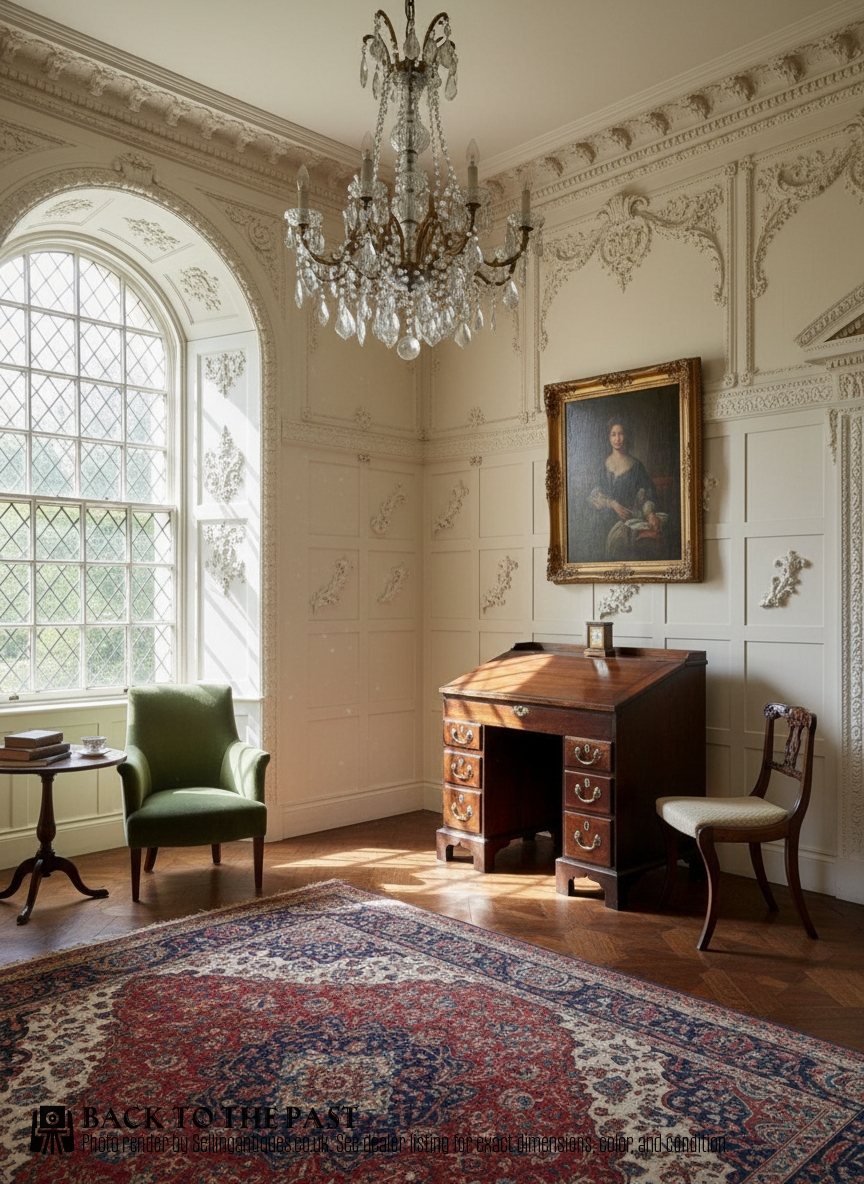
A georgian period desk brings architectural dignity and rich timber grain to a study, offering a tangible connection to eighteenth-century craftsmanship.
Georgian Period Desk
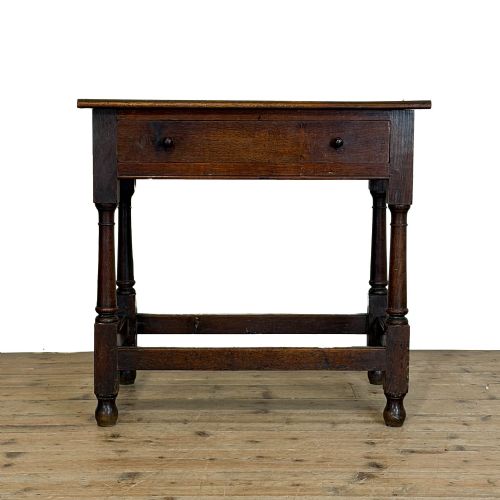
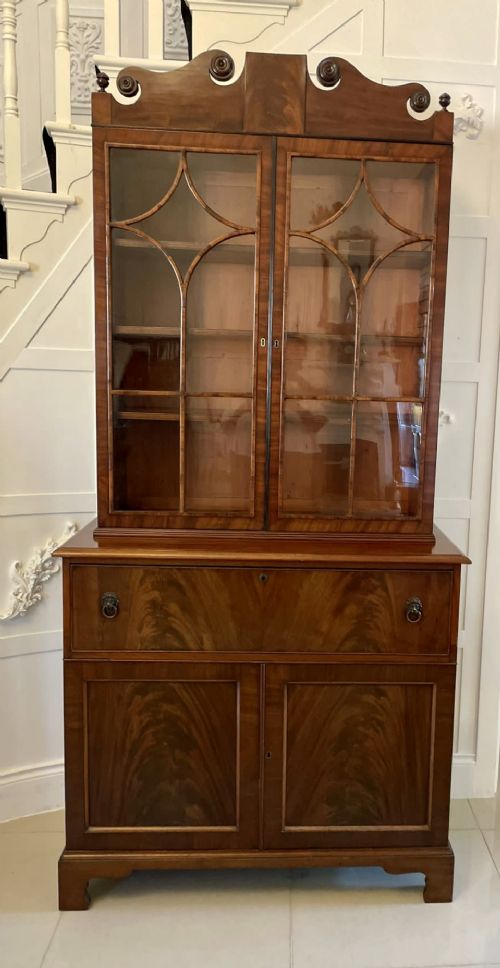
A georgian period desk encompasses substantial partners desks, fitted kneehole desks, and bureau bookcases designed for formal correspondence and estate management. These pieces emerge primarily from the eighteenth century, spanning reigns from George I through George III, alongside later nineteenth-century interpretations.
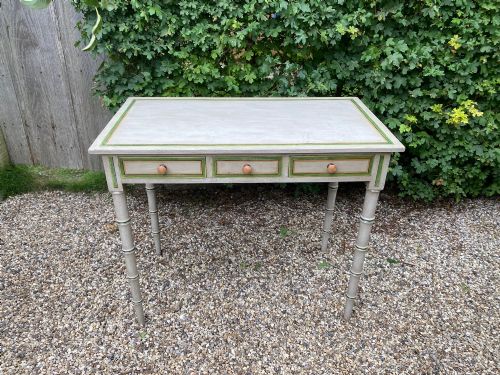
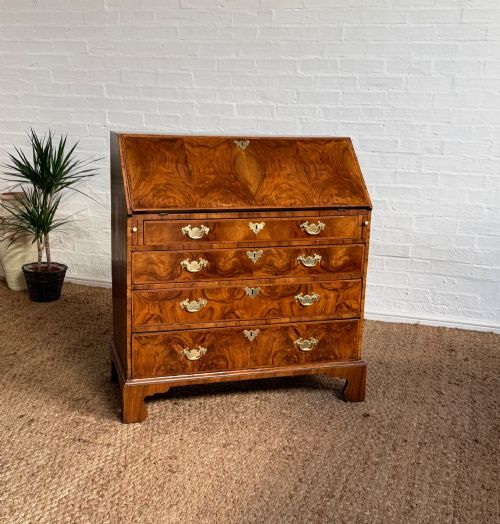
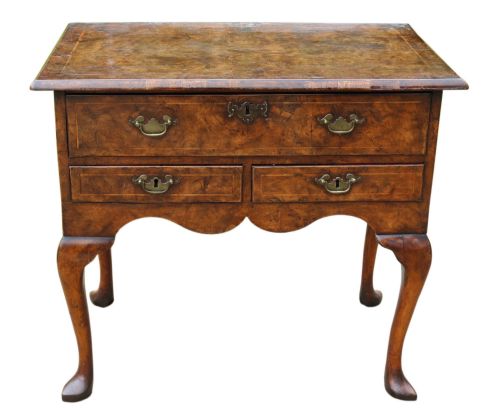
The versions most frequently encountered on this page are mahogany pedestal partners desks and walnut bureaus, often retaining original leather writing surfaces. Alongside these, writing tables and lowboys appear regularly, demonstrating the varied scale of workspaces produced during the period.
How they were made
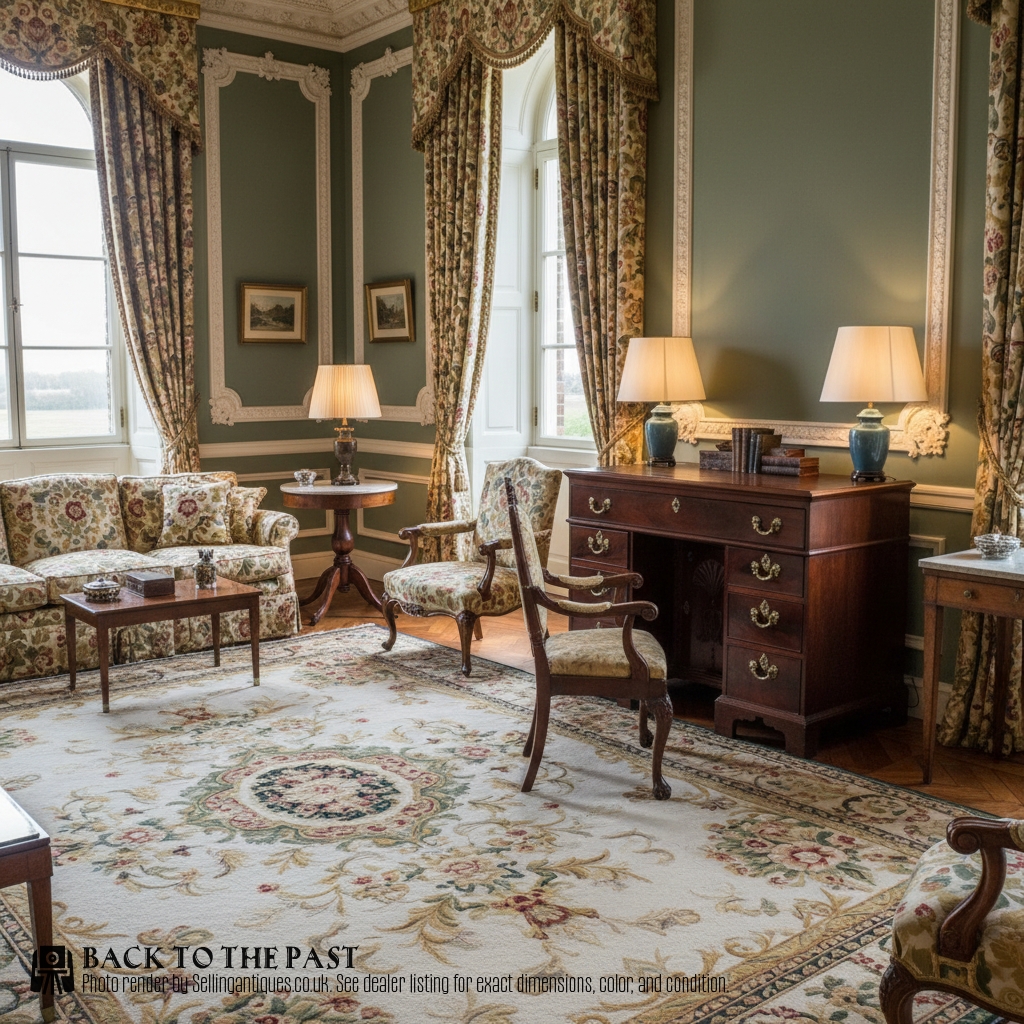
Cabinetmakers utilised dense hardwoods including mahogany, walnut, and oak, selecting timber for high figure and deep grain. Solid construction methods supported large pedestal and partners forms, while secondary timbers like ash and elm reinforced structural framing.
Surface detailing incorporated brass hardware, leather writing inserts, and occasional lacquer or inlay work. Timber surfaces received hand-rubbed finishes that emphasised the natural colour and burr patterns of the walnut and mahogany.
Georgian Period Desk Retail Price Guide 2026
Typical asking prices for georgian period desk among the pieces listed under this phrase on Sellingantiques today, from the lower quarter to the upper quarter. They describe what is for sale here now, not the wider market.
The listings here span multiple timber varieties including mahogany, walnut, oak, rosewood, and elm.
What varies in quality
The distinction between tiers rests upon timber selection and the sophistication of internal cabinetry. Superior examples display carefully matched figured walnut or ribbon mahogany veneers across every elevation, including the reverse of partners desks.
Quality also reveals itself in the proportion of mouldings, the crispness of carved details such as bracket feet or blind fretwork, and the retention of period brass handles and fitted pigeonhole interiors.
The Georgian Period Desk Glossary
- Partners desk
- A large freestanding desk designed with drawers and cupboards on both opposing sides, allowing two people to work face to face. These massive pieces typically feature inset leather surfaces and substantial pedestal bases.
- Kneehole desk
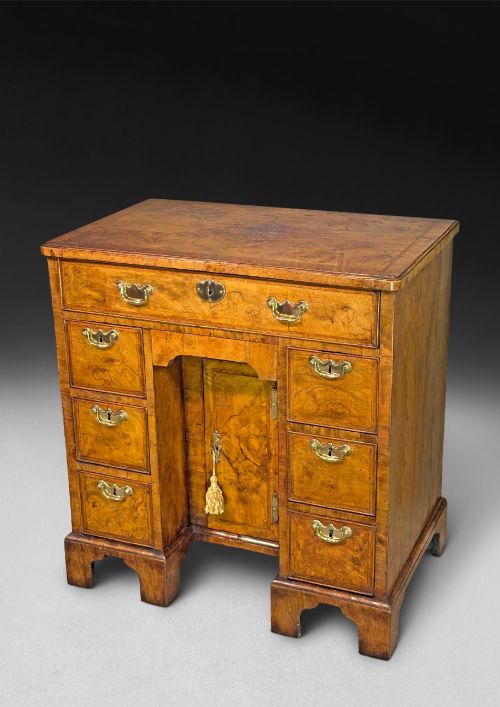
- A compact writing desk featuring a central recessed space for the legs, flanked by vertical banks of drawers. They frequently date to the early eighteenth century in figured walnut.
- Bureau
- A slant-front desk that opens to reveal a fitted interior of small drawers and pigeonholes above a chest of drawers. The fall-front surface often contains a leather or baize writing panel.
- Lowboy
- A small side table with drawers, often utilised as a dressing table or compact writing surface. They appear in oak, walnut, and elm from the early eighteenth century onwards.
- Pedestal desk
- A desk constructed from two separate drawer pedestals supporting a wide top box. This form provides significant storage capacity while maintaining a formal architectural presence.
Georgian Period Desk: Frequently Asked Questions
What defines a partners desk?
A partners desk is built to be accessed from both sides, featuring matching sets of drawers or cupboards facing each other. This design enabled two individuals to work simultaneously at the same piece of furniture.
These large desks typically date from the eighteenth century and served administrative roles in estate offices and libraries. Their dual-sided nature requires placement away from walls to be fully appreciated.
How do I care for leather writing surfaces?
Historic leather writing inserts require gentle maintenance using specialist leather dressings to prevent drying and cracking. Avoiding direct sunlight and excessive moisture preserves both the leather and the surrounding timber.
Many period desks retain their original or early replacement leather, which benefits from minimal intervention beyond dusting and occasional wax application to the wooden surrounds.
How do I distinguish walnut from mahogany desks?
Walnut desks typically display lighter golden-brown tones with prominent dark grain figuring and burr patterns, commonly associated with the early eighteenth century. Mahogany pieces exhibit a deeper reddish-brown hue and a denser, straight-grained or flame pattern.
Cabinetmakers shifted from walnut to mahogany around the middle of the eighteenth century as import routes changed, providing a reliable chronological indicator for dating.
Where should I place a large desk?
Large pedestal and partners desks require substantial floor space, often functioning best as the central focus of a study or library. Because partners desks are finished on all four sides, they sit comfortably in the middle of a room rather than against a wall.
Ensuring adequate clearance around the drawers and chairs allows the piece to be used comfortably while displaying its architectural proportions from every angle.