

Sloping Top Desk
A sloping top desk offers a hinged writing flap that lifts to reveal fitted pigeonholes, bringing centuries of practical handwriting furniture into modern studies.
Sloping Top Desk
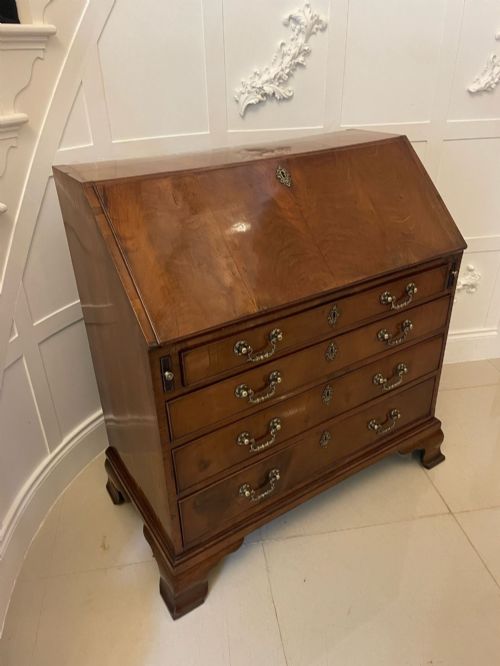
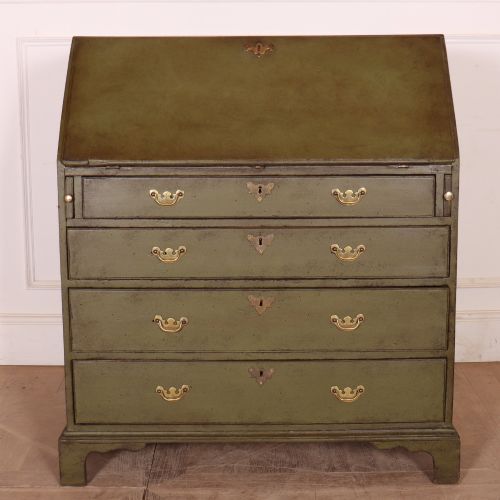
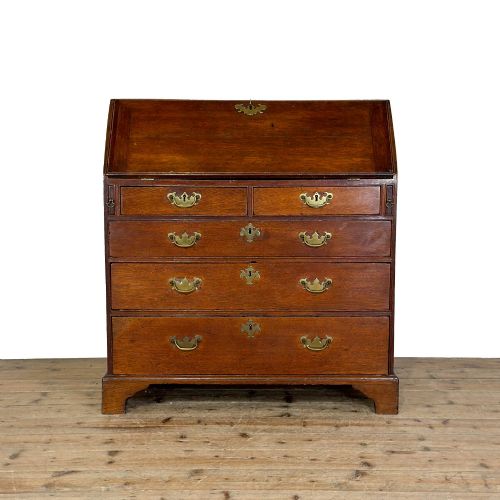
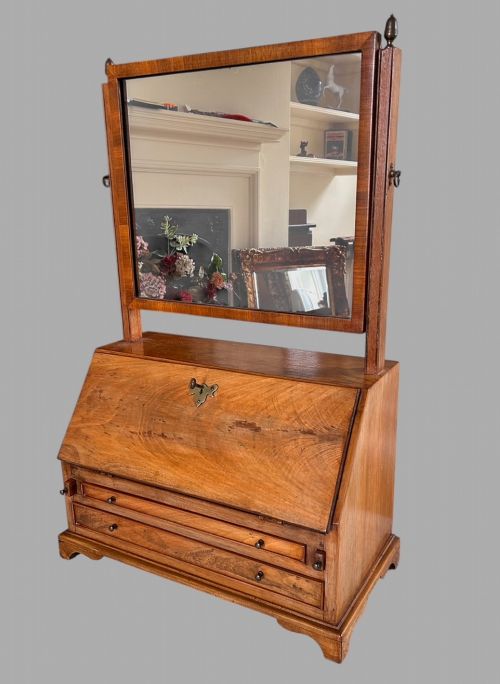
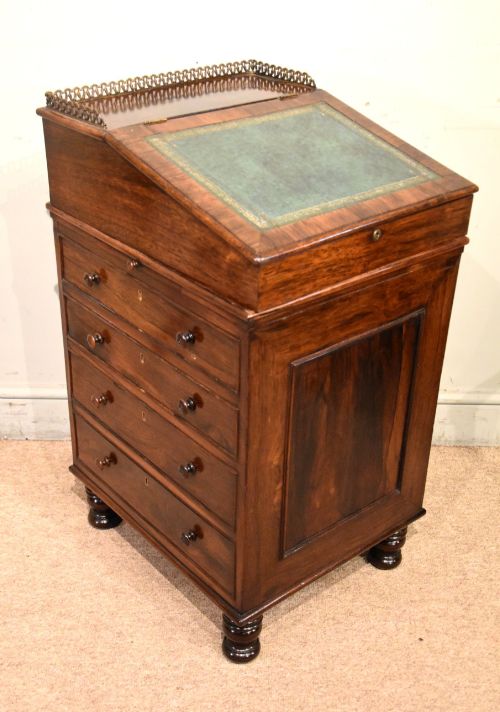
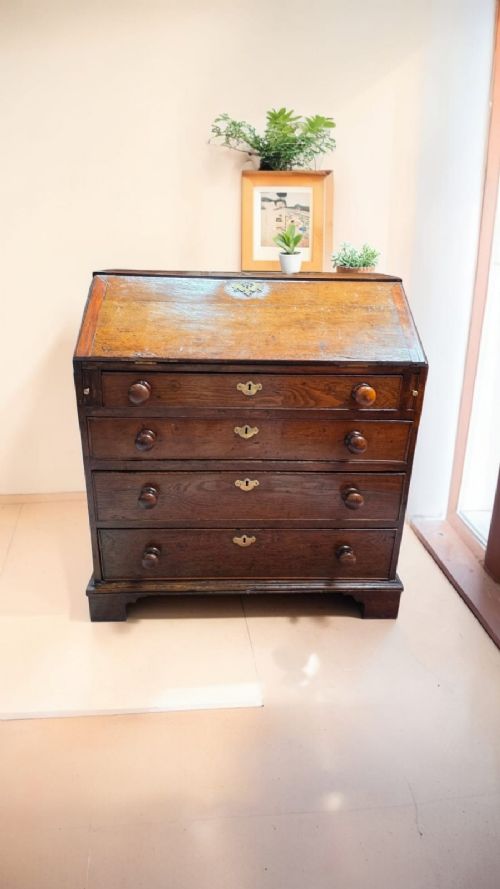
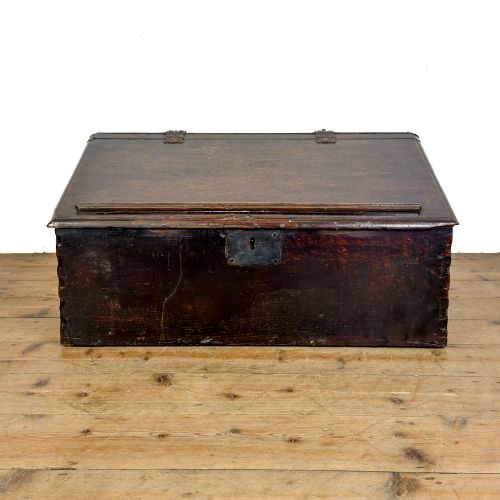
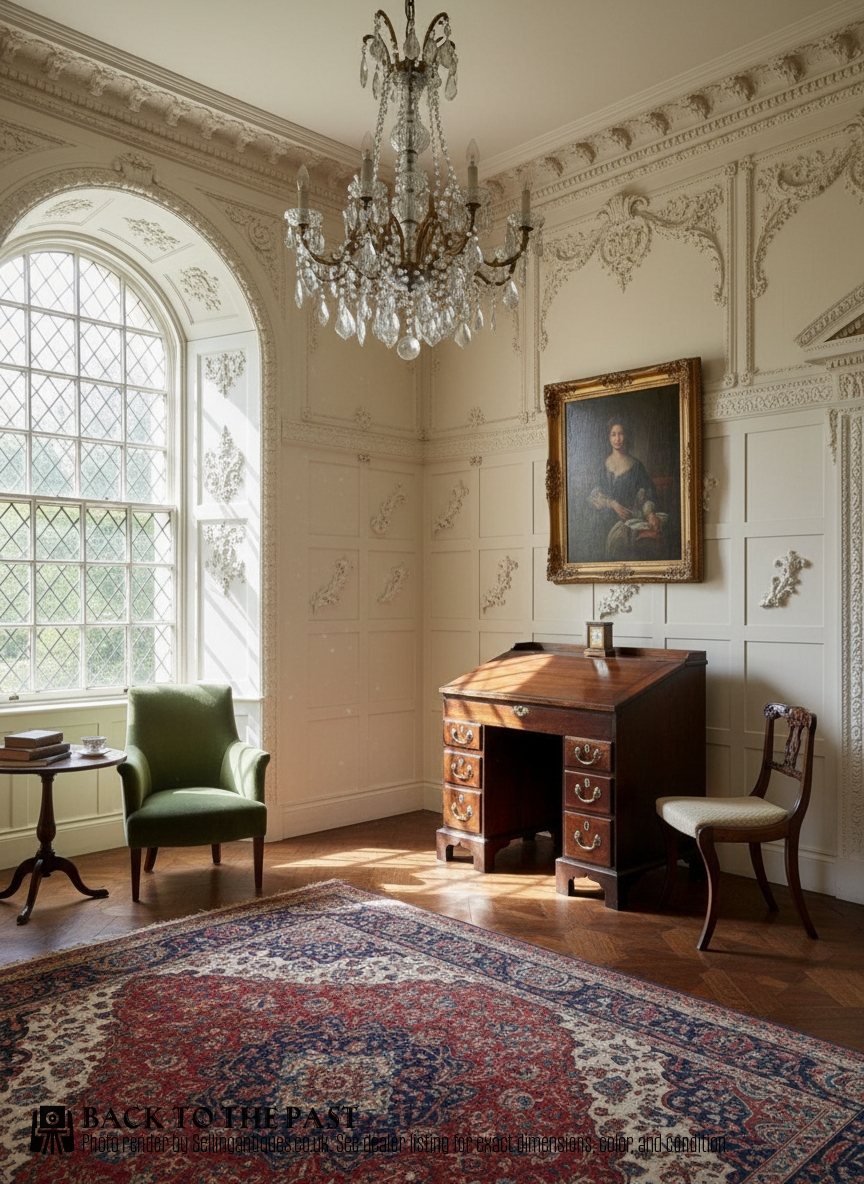
When you search for a sloping top desk, you encounter forms that span compact writing boxes placed on tables to substantial standing bureaux and Davenport desks. The pieces listed on this page run from early oak bible boxes and 18th-century mahogany bureaux to Victorian Davenport desks and Edwardian reading tables.
Mahogany, oak and walnut dominate the selection, alongside exotic timbers like rosewood, amboyna, satinwood and burr walnut. Styles range from Georgian and Regency to William IV, Victorian and Edwardian periods.
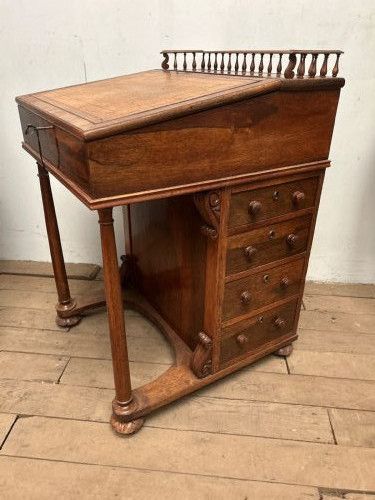
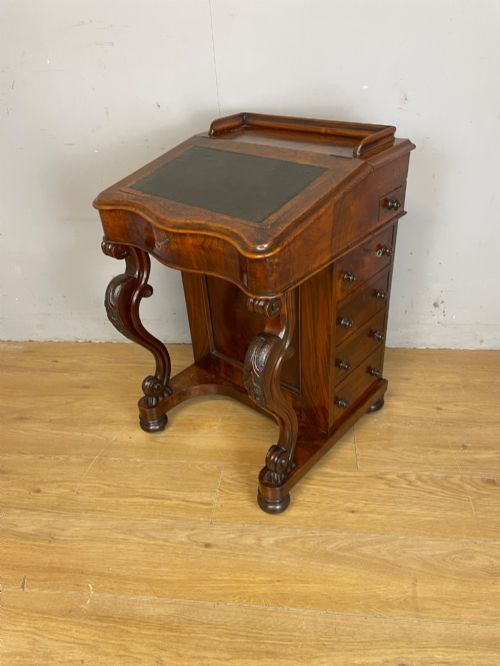
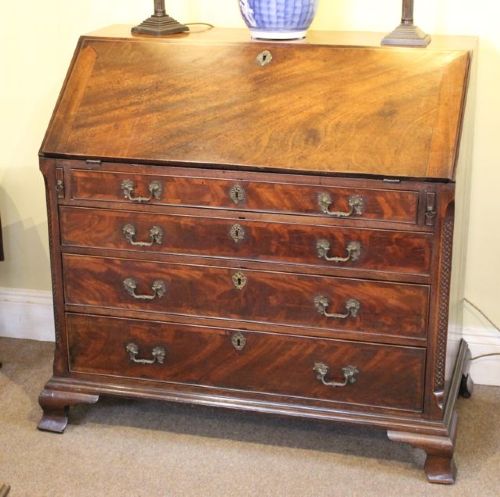
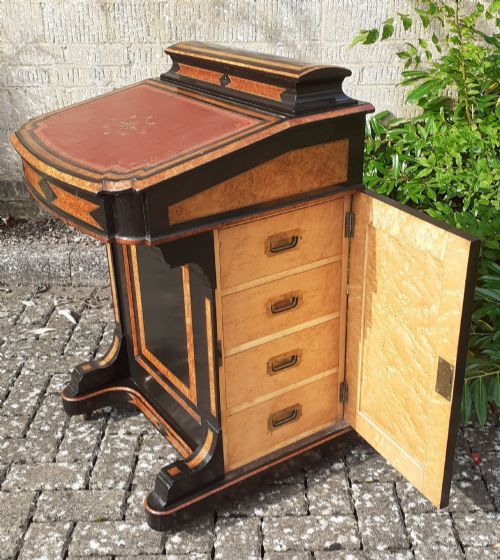
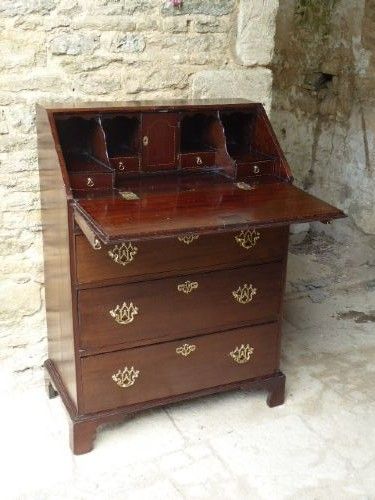
The most common formats you will meet here are the traditional bureau with internal drawers and pigeonholes beneath the sloping lid, and the compact Davenport desk featuring a slant front and side-opening drawers.
Materials and Construction
Cabinet makers utilised dense native timbers like oak and mahogany for structural integrity, often applying veneers of burr walnut, satinwood and rosewood to visible exterior surfaces. Solid timber carcases house dovetailed drawer construction and turned or bracket supports.
Writing surfaces frequently incorporate inset leather panels, sometimes edged with gilt tooling, while brass handles, hinges, locks and gallery rails provide functional hardware and decorative contrast across 18th-century and 19th-century examples.
Listings feature oak, mahogany, walnut, rosewood, amboyna, satinwood and camphor wood across pieces spanning the seventeenth century to the Edwardian era.
Judging Quality
The distinction between ordinary and superior pieces rests on the choice of timber figure, the crispness of inlaid details and the originality of brasswork and interior fittings. Finer 18th-century bureaux display well-figured mahogany or walnut grain matched symmetrically across the fall front.
Gillows of Lancaster·Gillow and Co
The Sloping Top Desk Glossary
- Bureau
- A writing desk with a sloping hinged lid that opens to form a desk surface and conceals small drawers and pigeonholes. Most examples stand on a base of drawers or a frame.
- Davenport
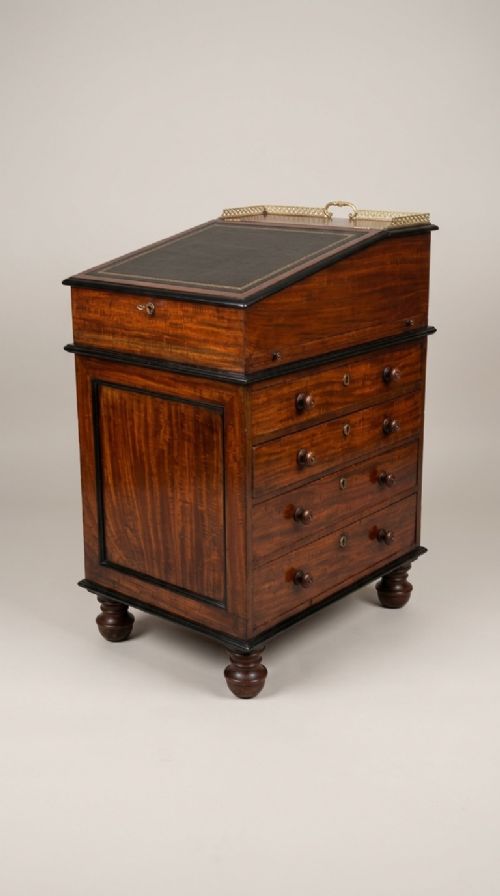
- A compact form of Victorian desk featuring a sloping top writing surface and a pedestal of drawers opening to one side. It typically incorporates a stationery box on the upper rear.
- Bible box
- A small wooden box with a slanted lid, originally designed for storing sacred texts and writing materials before dedicated desks became common. These represent some of the earliest forms on the market.
- Writing slope
- A portable box that opens out to provide an angled writing surface and storage for paper and ink. They often feature fitted compartments and leather-lined writing flaps.
- Pigeonhole
- A small compartment within a desk interior used for sorting letters and documents. They sit above the main writing surface beneath the sloping lid.
Sloping Top Desk: Frequently Asked Questions
What is the difference between a bureau and a Davenport?
A bureau provides a wide writing flap supported by pull-out lopers above a chest of drawers or stand. It sits lower and offers a larger surface area for paperwork.
A Davenport is much more compact, combining a slanted desktop with a pedestal of side drawers. It often includes an upper stationery compartment and a sliding top.
How do I care for the leather writing surface?
Keep the leather clean by dusting it gently with a dry, soft cloth. Avoid using harsh chemical cleaners or excess moisture, which can damage the original material and surrounding wood.
Applying a specialist leather balsam periodically helps maintain suppleness and prevents cracking over time. Protect the surface from direct sunlight to prevent fading.
Where were these desks placed in a historic home?
Bureaux typically stood in studies, libraries or principal parlours where estate management and correspondence took place. Their enclosed compartments kept private documents secure.
Compact Davenport desks were designed for drawing rooms and boudoirs, allowing ladies to write notes without retreating to a formal study.
How do I identify a Georgian bureau from a Victorian one?
Georgian pieces generally feature simpler, cleaner lines in solid mahogany, oak or walnut with bracket feet and understated brass handles. The internal pigeonholes often show simpler serpentine or arched shapes.
Victorian examples frequently utilise heavier timbers, elaborate veneers like burr walnut or amboyna, and more complex mechanical interiors. They may also include turned or carved legs and galleries.