
Georgian Pedestal Candle Stand
A georgian pedestal candle stand brings compact elegance to a room, offering a sturdy column base to support light or display items.
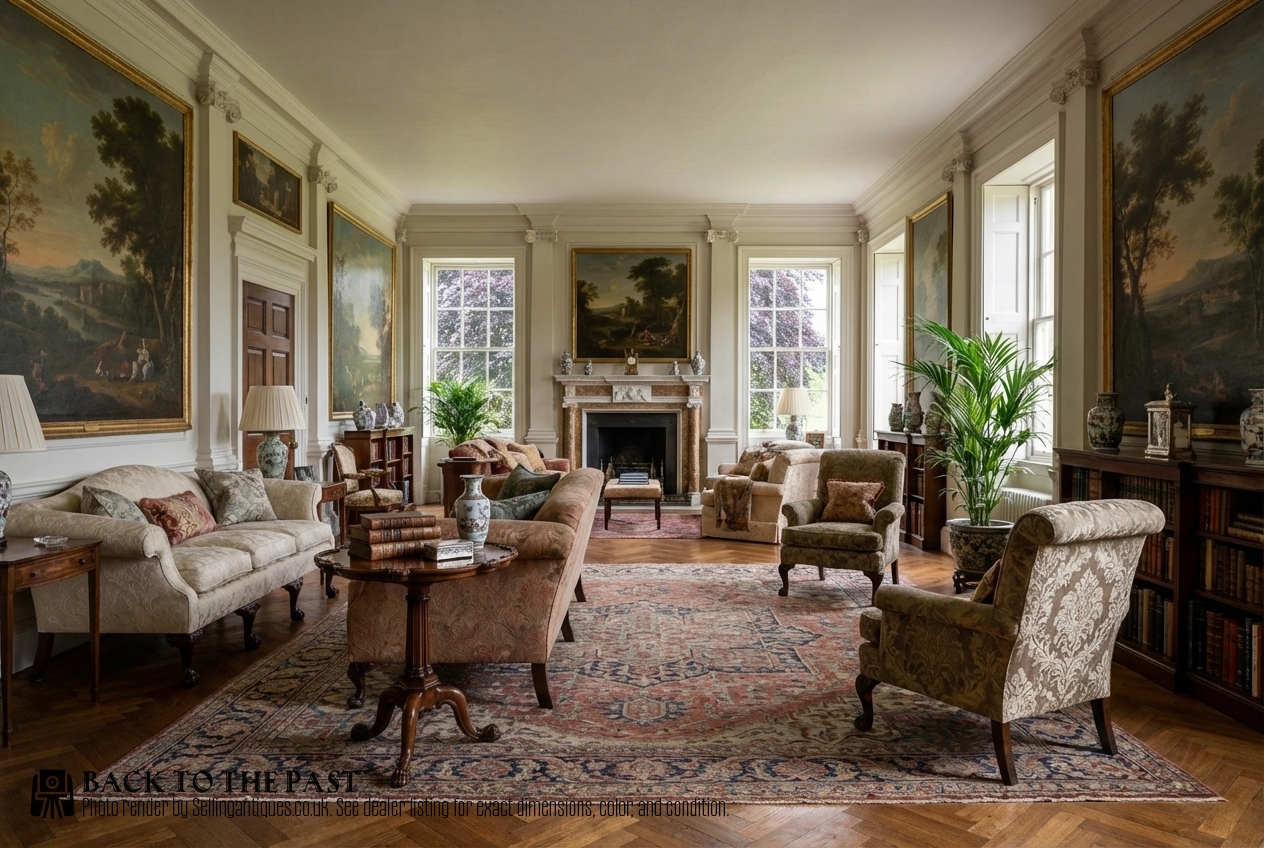
Georgian Pedestal Candle Stand
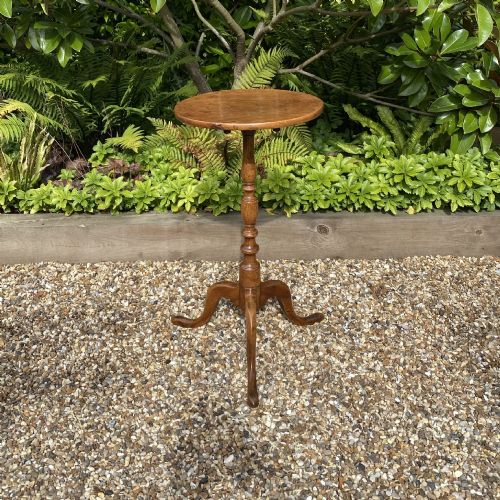
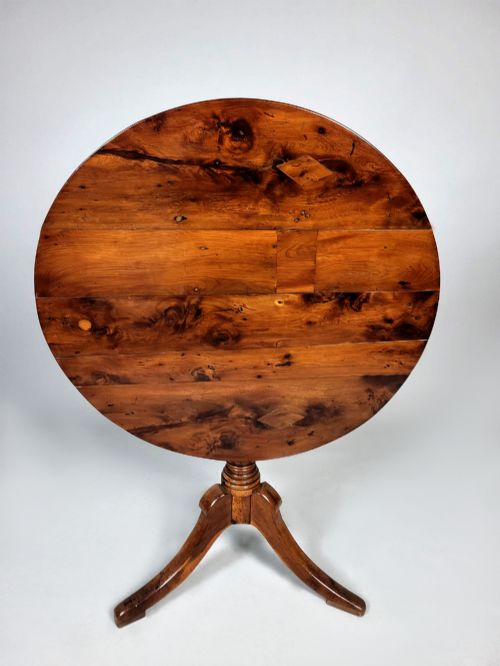
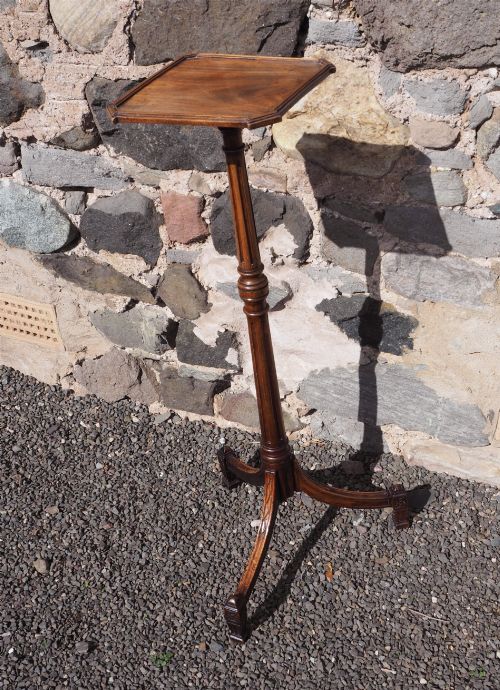
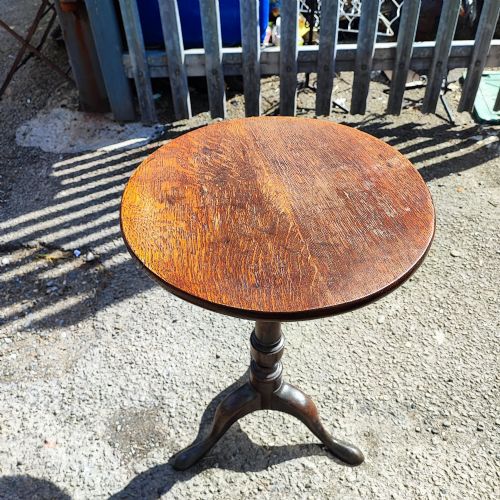
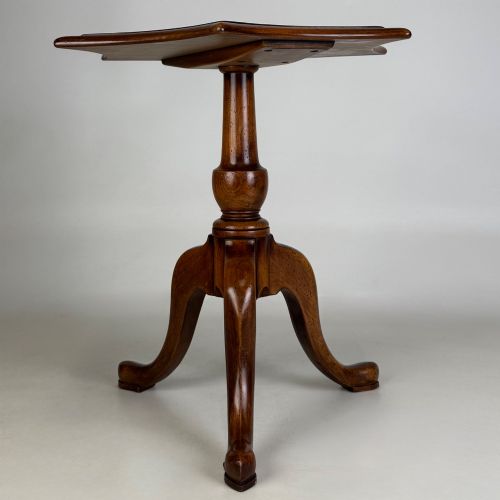
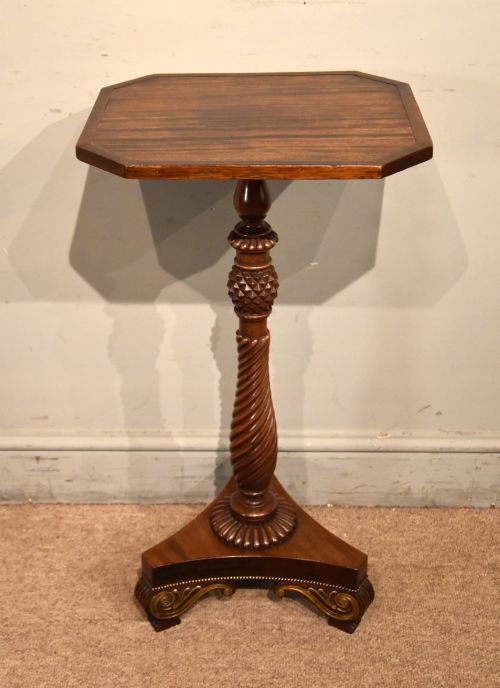
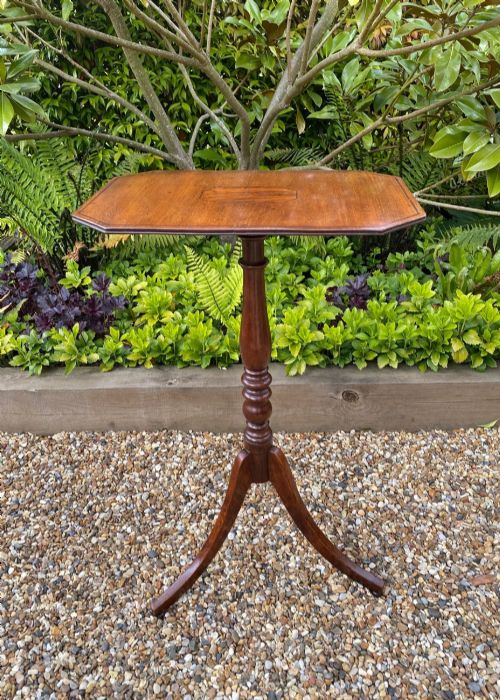
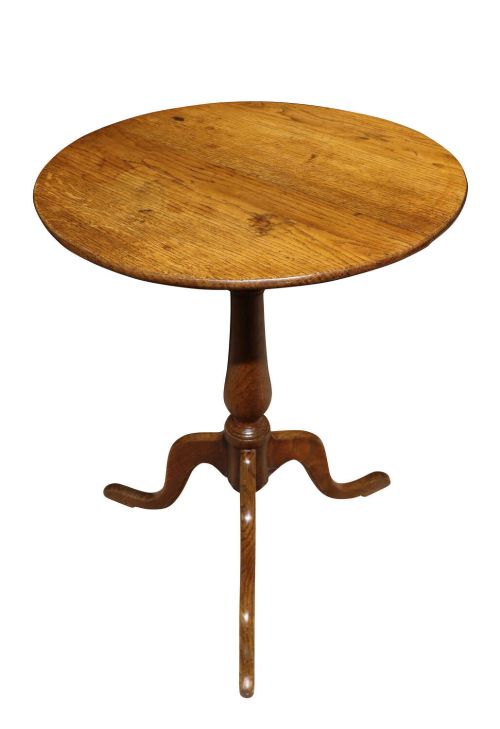
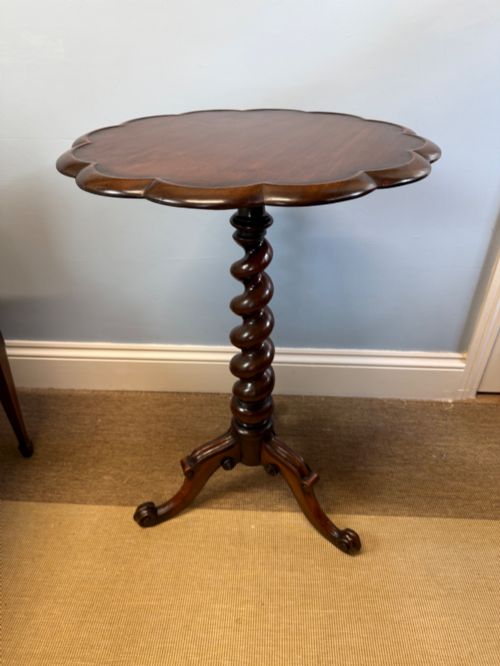
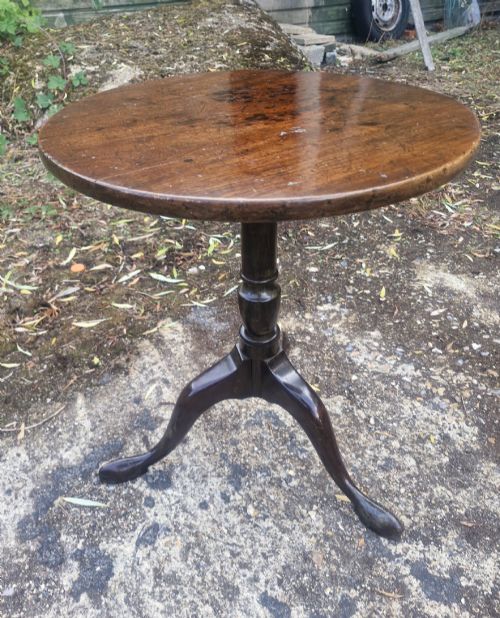
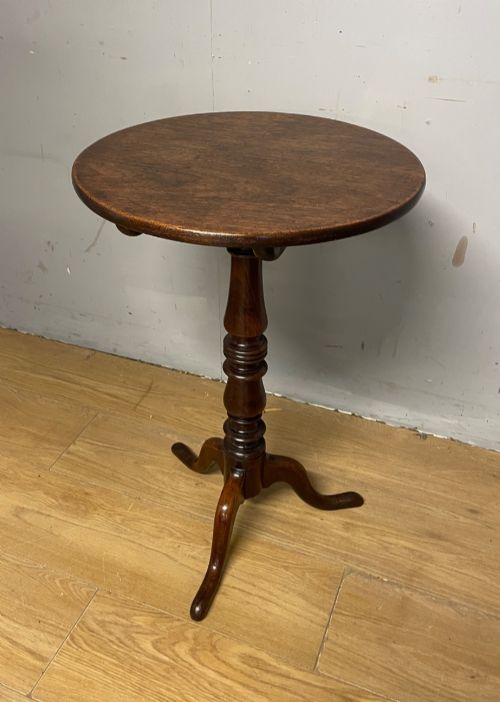
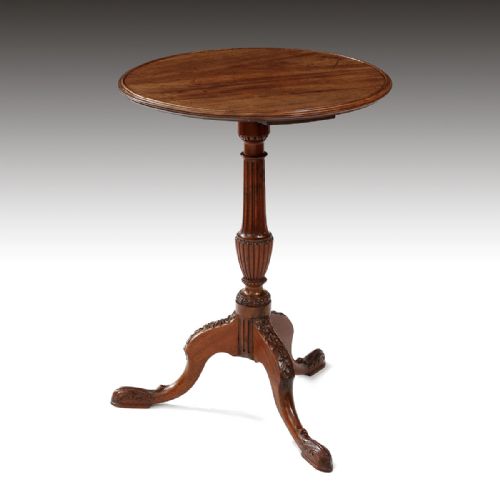
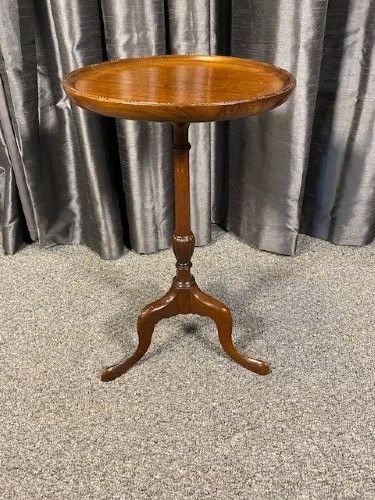
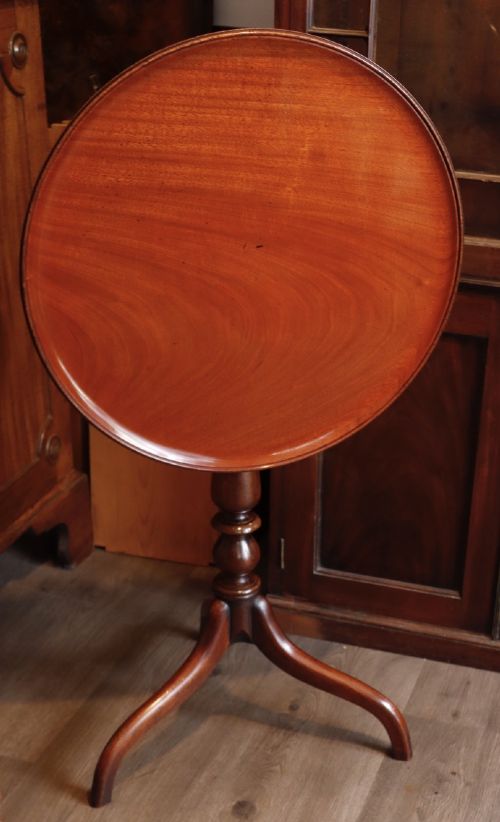
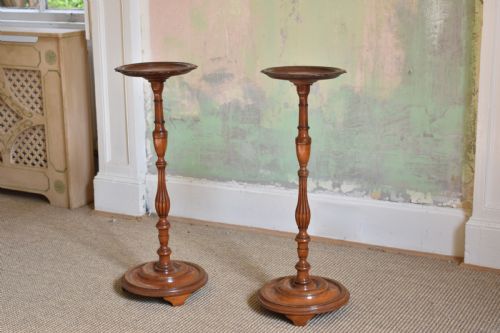
A georgian pedestal candle stand is a small, elevated table designed for holding illumination or small decorative objects, frequently taking the form of a tripod wine table or a torchere. The pieces span periods from the eighteenth century through to the Edwardian era, with strong representations of Regency and George III design.
Buyers most commonly encounter mahogany and oak tripod tables on this page, alongside walnut, fruitwood, and occasional satinwood or elm variations. Forms range from simple tilting circular tops to shaped pie crust rims and tall torchere stands.
Origins include authentic Georgian craftsmanship as well as later Georgian Revival interpretations from the twentieth century. These versatile stands function as lamp tables, plant stands, or occasional side tables in traditional interiors.
How they were made
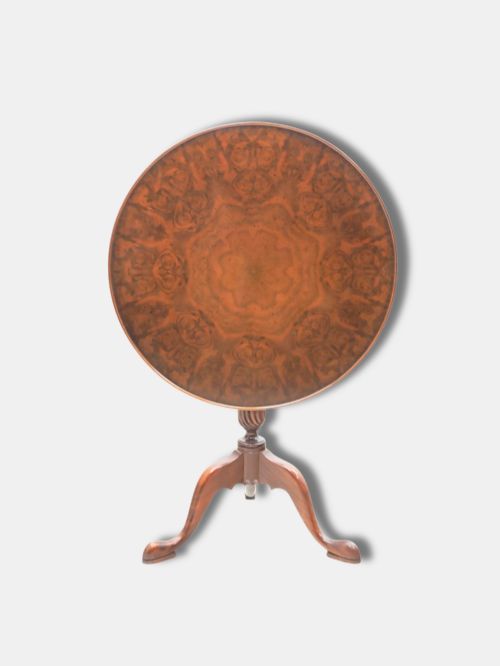
Construction relies heavily on timbers such as mahogany, oak, walnut, and fruitwood, often shaped into slender central pillars supported by three legs in a tripod arrangement. Cabinetmakers utilised solid woods alongside burr oak and burr walnut veneers to create rich surface textures.
Many tables incorporate tilt-top mechanisms, allowing the top to pivot upright when not in use. Additional decorative techniques include boxwood inlay to the top and legs, alongside shaped pie crust edges.
Some tiny tables feature boxwood lines so fine they look like pencil strokes drawn by a very steady hand.
What varies in quality
Quality is distinguished by the choice of timber and the crispness of the turning on the central pedestal column. Dense grain figures in mahogany or burr walnut elevate a piece above standard utility items.
The sophistication of the tripod base and the precision of mechanisms, such as a smooth tilt-top action or neat boxwood inlay, separate workshop productions from simpler regional pieces.
Gillow
The Georgian Pedestal Candle Stand Glossary
- Tripod table
- A small occasional table supported by a central pillar and three legs. This construction remained stable on uneven period floors.
- Torchere
- A tall, slender stand designed to hold a candle or lamp. These pieces often feature elevated platforms for display.
- Tilt-top
- A hinged table top that pivots to a vertical position. This mechanism enabled easy storage against a wall when the table was not needed.
- Pie crust rim
- A raised, decoratively carved edge shaped in small curves resembling pastry. This feature appeared on finer occasional and wine tables.
- Snap top
- A tabletop secured by a catch mechanism that locks into a horizontal position. It works alongside the tilt-top function for convenience.
Georgian Pedestal Candle Stand: Frequently Asked Questions
What is a georgian pedestal candle stand used for?
These pieces originally held candles to provide localized light in sitting rooms and parlours before the widespread availability of gas or electric lighting.
Today, they serve as versatile occasional furniture, well suited for holding a small lamp, a drink, or a decorative plant in compact spaces.
How do I identify a genuine period piece?
Examination of the timber, construction methods, and wear patterns helps determine the age of a stand. Eighteenth and early nineteenth-century examples often display hand-turned columns and traditional joinery without modern fixings.
Revival pieces from the Edwardian era or the 1920s emulate these earlier Georgian styles while exhibiting different secondary woods and cleaner tool marks.
What is a tilt-top mechanism?
A tilt-top mechanism uses a wooden catch or block beneath the surface allowing the tabletop to pivot flat or vertical.
This practical design enabled servants to store multiple tables against the perimeter of a room when entertaining guests.
Where should I place one at home?
A compact tripod stand fits easily beside an armchair, in a vacant corner, or between windows where floor space is limited.
Their narrow footprint makes them ideal for displaying small sculptures, books, or floral arrangements without crowding a room.