
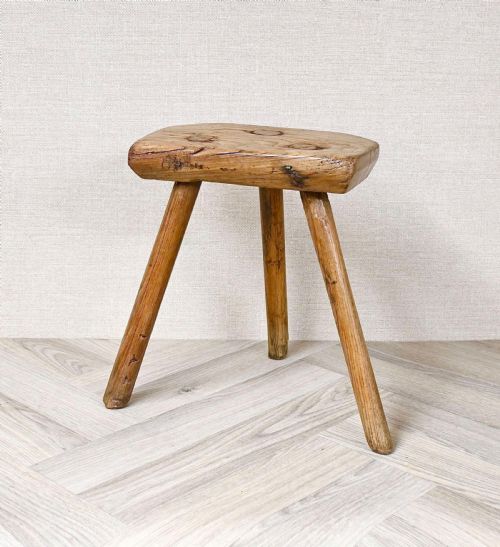


Traditional Wooden Tripod Stand
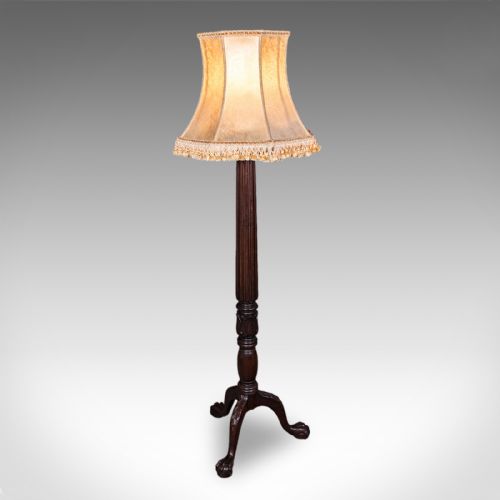
A traditional wooden tripod stand supports plants, lamps or small objects on three legs, bringing compact character to any room.
Traditional Wooden Tripod Stand
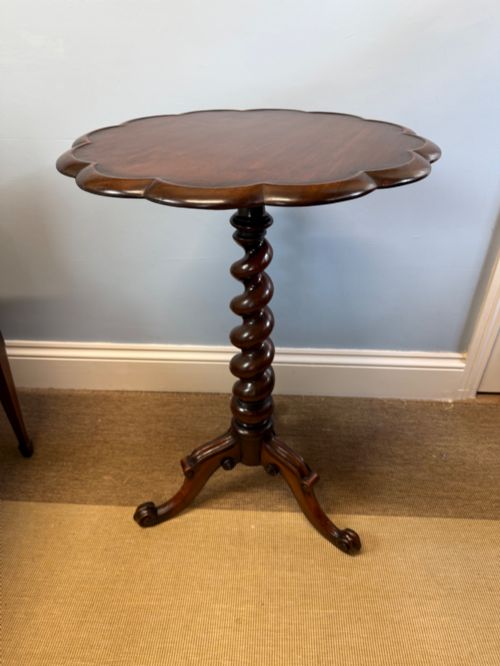
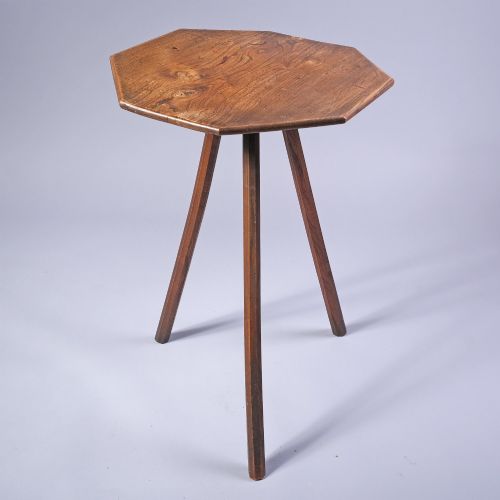
A traditional wooden tripod stand encompasses various forms resting on three legs, ranging from wine tables and torcheres to music stands and plant holders. These pieces emerge from the 18th century, Georgian, Victorian and Edwardian periods.
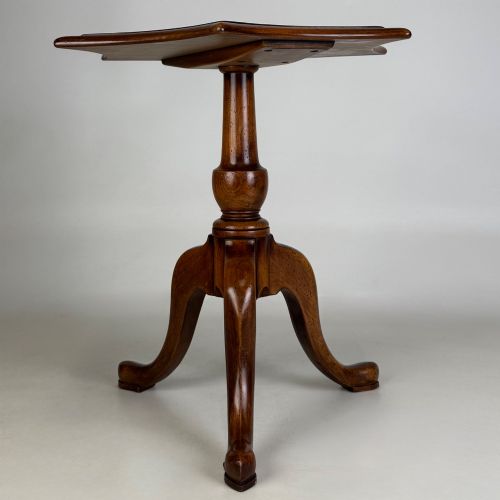
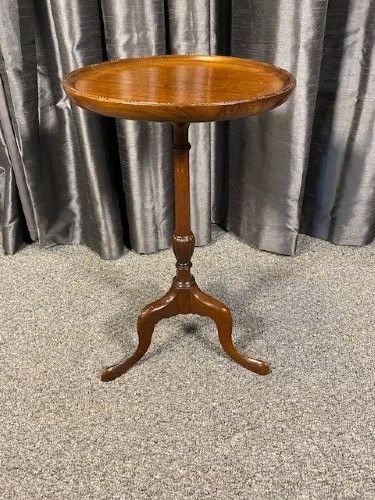
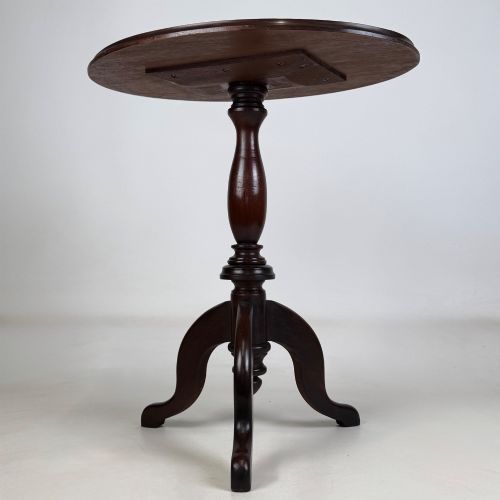
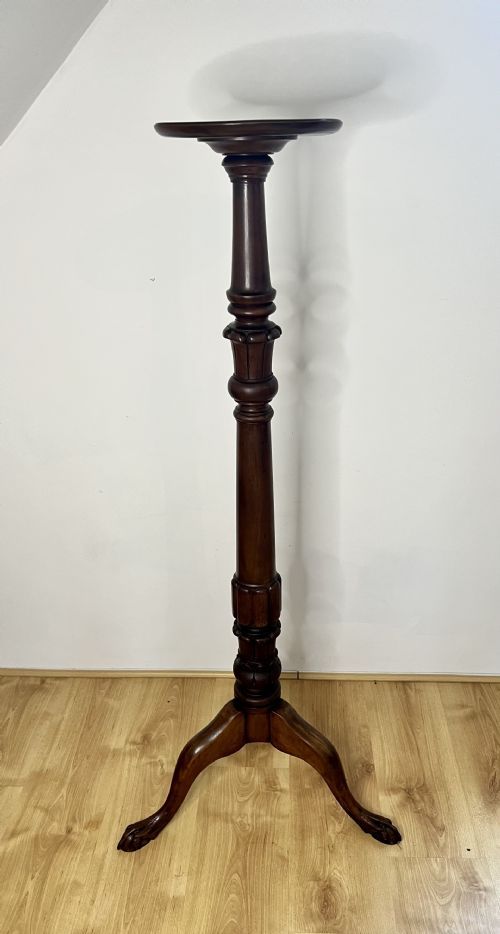
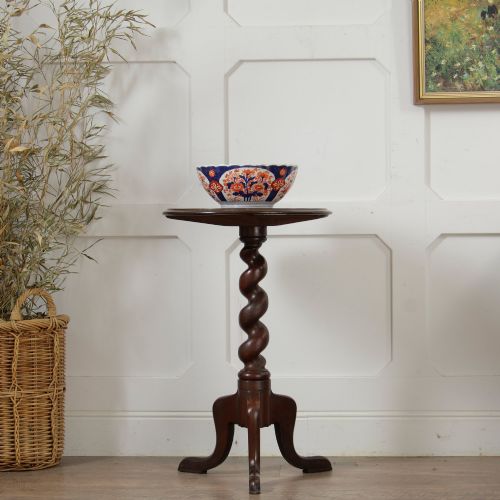
The version most commonly met on this page is the mahogany wine table or torchere, typically featuring a circular top elevated on a single central pillar supported by three splayed legs.
How they were made
Cabinet makers utilised dense hardwoods such as mahogany, walnut and oak, shaping timber on lathes and carving pedestals by hand. Brass fittings appear occasionally for adjustments or hinges.
Construction methods relied on sturdy tenon joints and turned pillars, frequently incorporating tilt-top mechanisms using clever catches and rule joints to save space when not in use.
Among the stands wait a tiny wooden cat stand and a primitive milking stool, proving ancestors had proper priorities for feline comfort.
What varies in quality
The sophistication of the turning on the central pillar and the crispness of any carved foliage on the knees or feet separate standard examples from finer ones. Timber selection also matters, with richly figured mahogany or burr walnut marking out superior items.
Structural integrity depends on the tightness of the joint where the pillar meets the tripod base, as well as the stability of the three legs resting evenly on the floor.
The Traditional Wooden Tripod Stand Glossary
- Torchere
- A tall stand designed to hold a candle or lamp. These slender pedestals often feature carved columns and circular tops.
- Tilt-top
- A table mechanism allowing the surface to swivel vertically. This clever design enabled pieces to be stored flat against a wall when not in service.
- Tripod base
- A support structure composed of three legs radiating from a central point. This configuration ensures stability on uneven historical floors.
- Wine table
- A small occasional table intended for holding glasses or decanters. They frequently appear with circular mahogany tops from the Georgian and Victorian eras.
- Treen
- Small handmade wooden household objects. These items showcase traditional turnery and domestic craftsmanship from earlier centuries.
Traditional Wooden Tripod Stand: Frequently Asked Questions
What were traditional wooden tripod stands used for?
These versatile stands served numerous practical purposes in historic homes, from holding porcelain bowls and reading lecterns to supporting heavy candelabra and serving wine.
Smaller formats functioned as flexible occasional surfaces next to seating, while taller torcheres elevated light sources into dark corners of a room.
How do I place a tripod stand in a modern room?
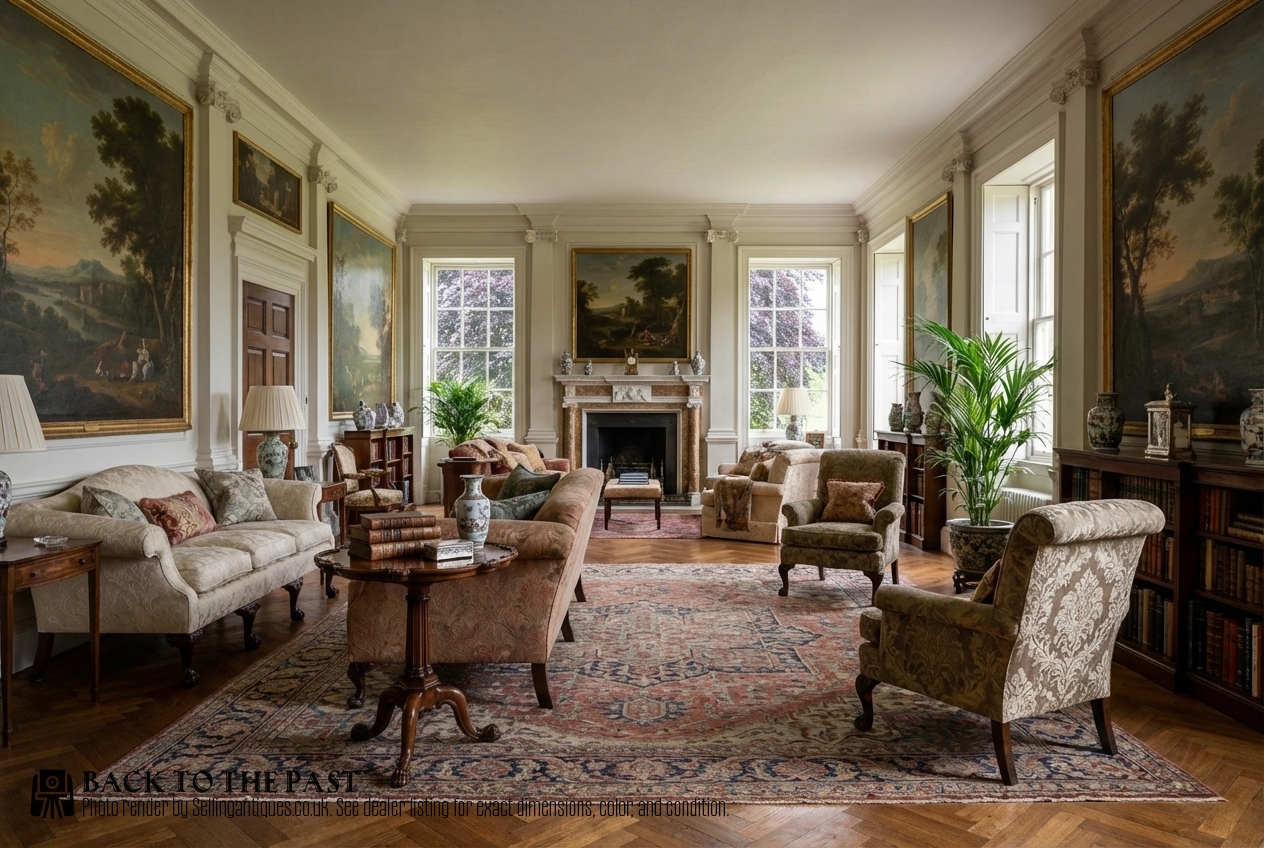
A traditional wooden tripod stand fits easily beside a sofa or armchair as a compact surface for a small lamp or a cup. Their small footprint makes them ideal for filling empty corners without cluttering the floor space.
Tall torchere stands work particularly well with a trailing plant or a decorative ceramic vase placed securely on top.
How do I distinguish Georgian tripod stands from Victorian ones?
Georgian tripod stands typically display restrained classical proportions, elegant pillar turnings and understated mahogany surfaces without heavy carving. The timber often shows a softer, deeper patina accumulated over centuries of polishing.
Victorian and later revival pieces frequently introduce bolder ornamentation, such as barley twist stems, heavier carved acanthus leaves on the legs, or more elaborate figured walnut veneers.
Are tilt-top mechanisms robust?
The original brass catches and wooden blocks on tilt-top tables were engineered to hold the heavy wooden top securely in both vertical and horizontal positions. Careful handling when pivoting the surface preserves these historical metal and wood components.
Checking that the catch locks firmly into place ensures the table top remains level and steady during daily use.