
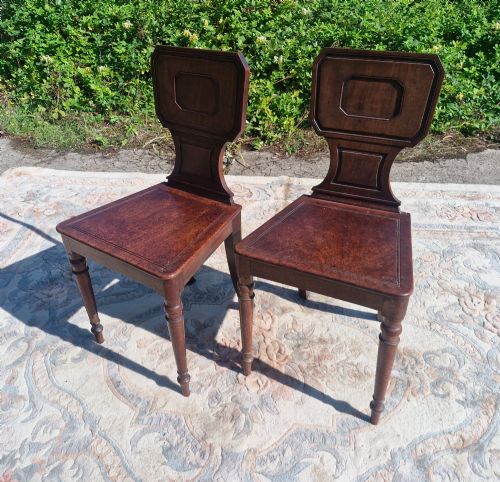
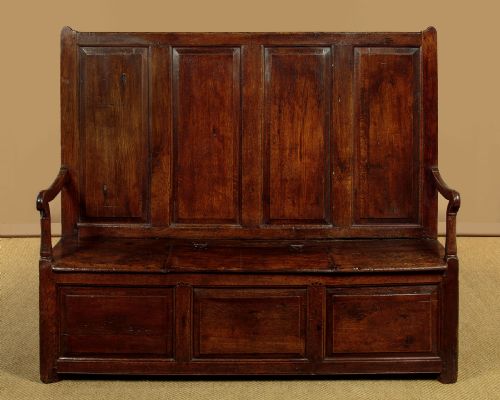
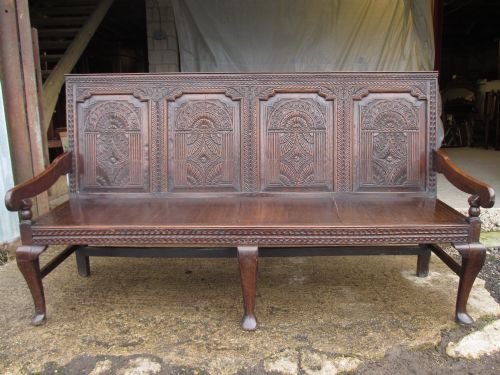
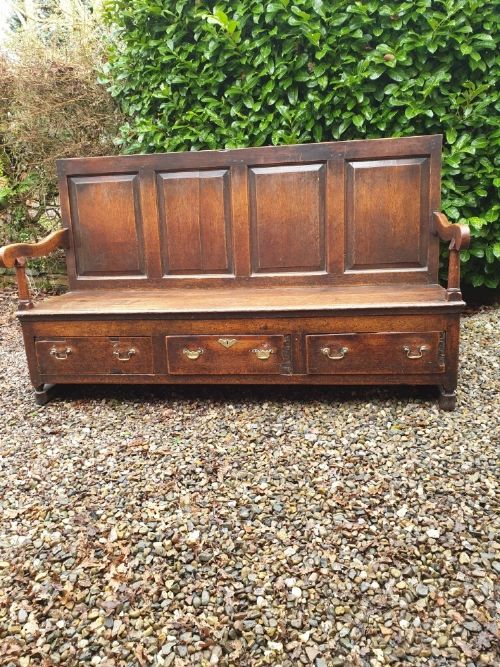
Georgian Panelled Seat
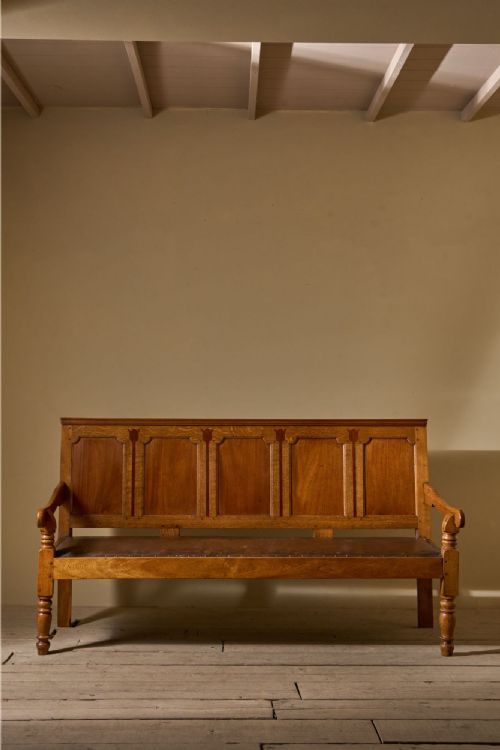
A georgian panelled seat brings solid timber construction and high-backed architectural presence straight into a modern hallway or living space.
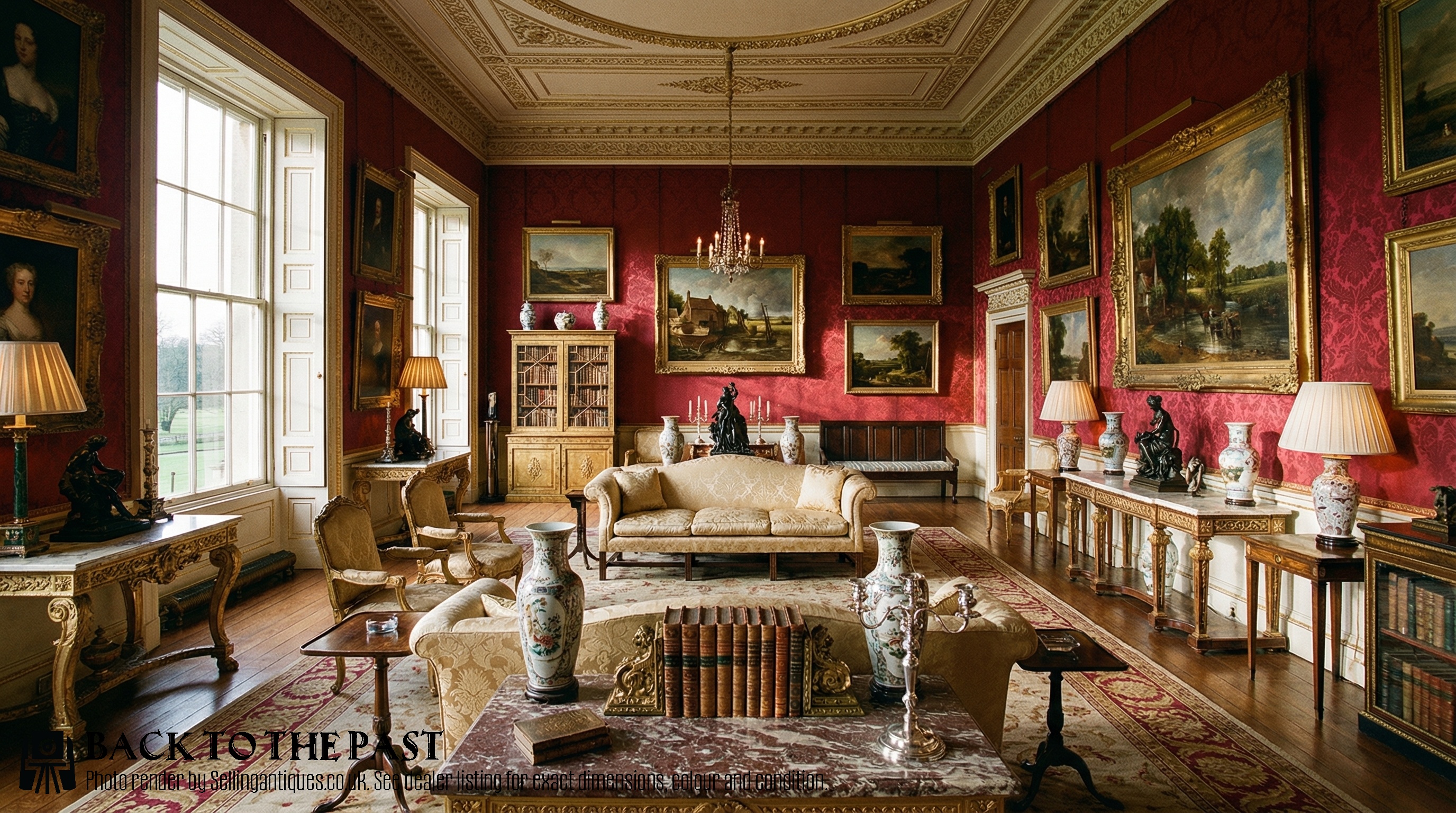
Georgian Panelled Seat
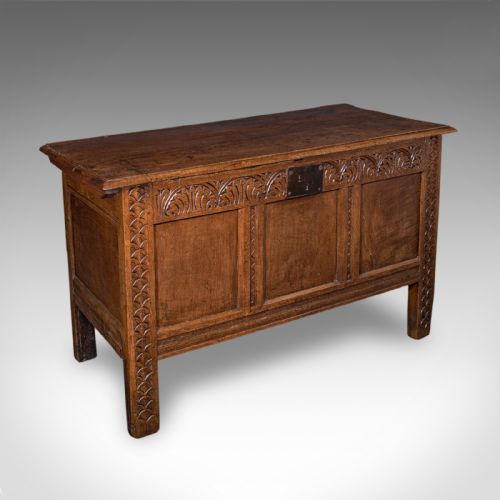
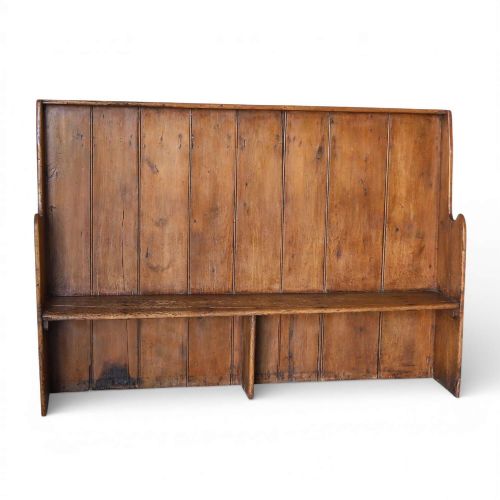
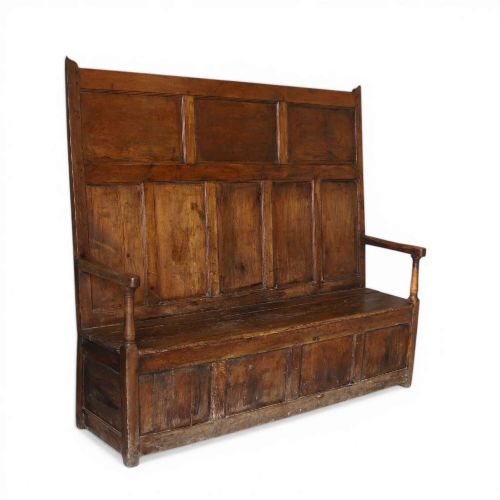
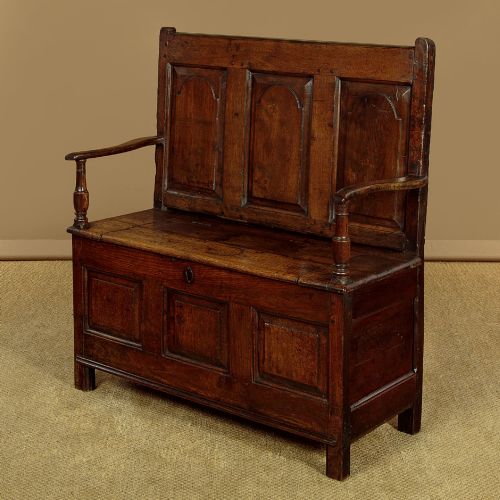
When you search for a georgian panelled seat, you encounter substantial wooden benches, settles, and hall seats originating from the eighteenth and nineteenth centuries. These items combine structural joinery with solid backs designed to block draughts in older homes.
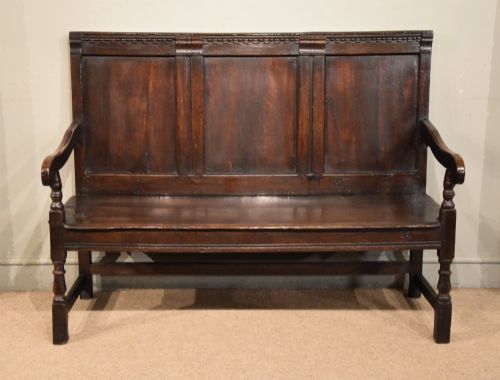
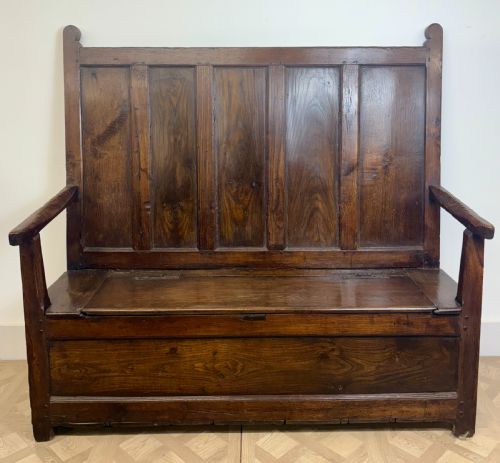
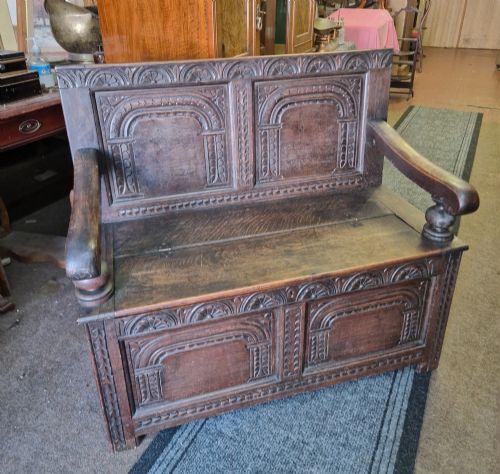
The version you are most likely to meet on this page is the oak settle, frequently featuring a high panelled back and sometimes incorporating a box base or hinged seat for storage. Regional variations from Wales and English provincial workshops appear regularly among the listings.
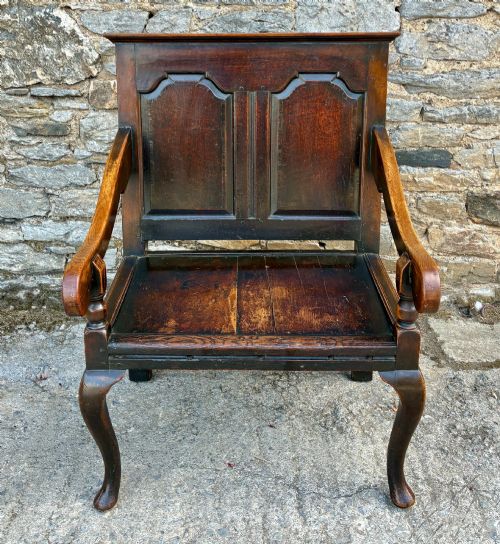
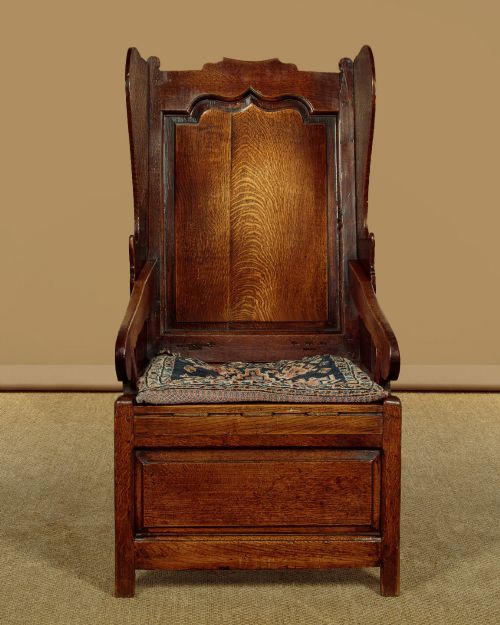
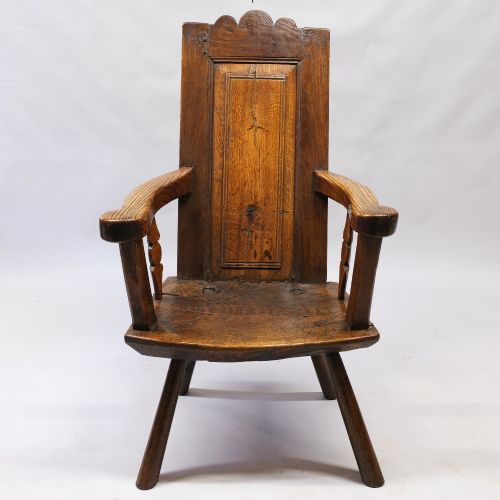
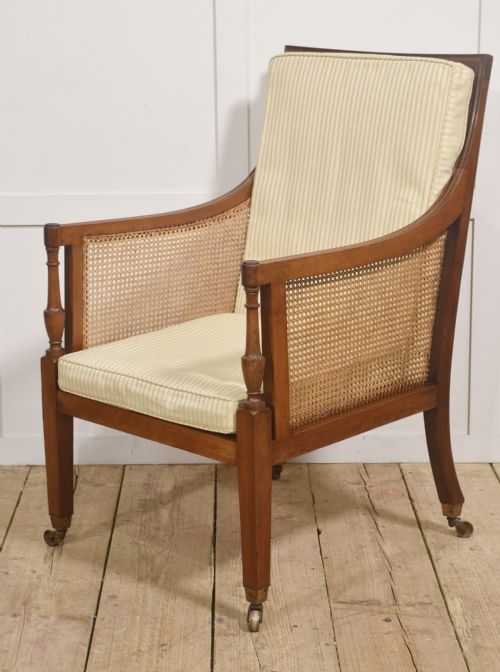
Other forms include wainscot armchairs, lambing chairs with hooded wings, and hall benches constructed from elm, pine, or mahogany. These pieces span early eighteenth-century country examples through to later Regency interpretations.
Materials and construction
Oak dominates the construction of these pieces, joined using traditional mortise and tenon methods alongside pegged framing to secure the heavy panels. Elm, ash, and pine also appear in regional vernacular furniture, selected for local availability and toughness.
Surface treatments range from waxed natural timbers showing deep patination to original painted finishes and decorative tulip carvings. Secondary woods like mahogany are utilised in later Regency items, paired with more refined crossbanding.
Certain antique settles incorporate built-in box bases that doubled as grain bins or clandestine storage for contraband in rural taverns.
Distinctions in quality
Quality rests primarily on the integrity of the original timber and the depth of the patination accumulated over centuries of use. Untouched surfaces with honest wear command greater interest than heavily restored or substantially altered frames.
The complexity of the joinery and carving distinguishes standard utility pieces from high-status country house items. Well-proportioned panel work, intact box storage bases, and original structural timbers elevate certain examples above simpler vernacular forms.
The Georgian Panelled Seat Glossary
- Settle
- A wooden bench with a high panelled back, solid arms, and frequently a box base beneath the seat. This form protected sitters from cold draughts in unheated halls.
- Wainscot
- An early type of wooden armchair constructed with panelled framing and solid wooden seats before upholstered versions became common. The term relates directly to fine imported oak boards.
- Lambing chair
- An enclosed wooden armchair featuring high wings and a hood designed to trap heat near the fire. Examples often include a small drawer or compartment beneath the seat.
- Crossbanding
- A decorative border technique where thin strips of veneer are laid across the grain of the primary wood. This method appears on finer late Georgian and Regency pieces.
- Patina
- The surface sheen and softened texture acquired by wood through decades of handling, polishing, and natural oxidation. It serves as a primary indicator of age and authenticity.
Georgian Panelled Seat: Frequently Asked Questions
What is a settle bench?
A settle bench is a rigid wooden seat featuring a high back made of framed panels. It was traditionally placed near the hearth to shield occupants from cold air currents.
The high back and solid wooden sides function as an architectural screen within open rooms. Many traditional examples include built-in box storage beneath the lifting seat lid.
Where were settles placed?
These seats stood primarily in the halls, kitchens, and parlours of country houses, farmhouses, and taverns. Their solid construction handled heavy daily use.
Placing them near the fireplace maximised their ability to block draughts and trap heat. In modern interiors, they function effectively in hallways, boot rooms, and large dining spaces.
How do I care for old oak?
Maintain antique oak furniture by applying occasional coats of traditional beeswax to nourish the dry timber. Avoid modern silicone polishes that build up sticky residues.
Keep wooden seats away from direct heat sources and severe humidity fluctuations to prevent splitting. Gentle dusting with a dry, soft cloth preserves the historic surface finish.
How can I tell the age?
Dating relies on examining the construction marks, timber species, tool evidence, and overall style. Hand-riven boards and pegged joints usually indicate older eighteenth-century vernacular work.
Secondary woods, finer proportions, and decorative details like crossbanding point towards the later Regency period. Patina and wear patterns also reveal the passage of time on exposed surfaces.