


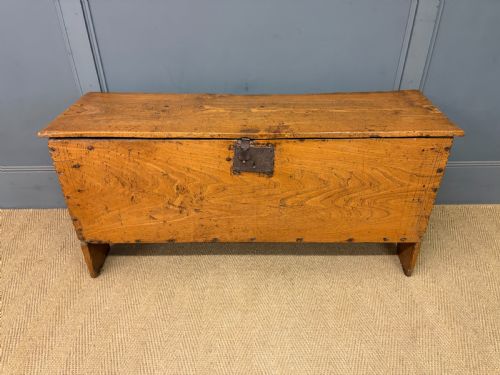
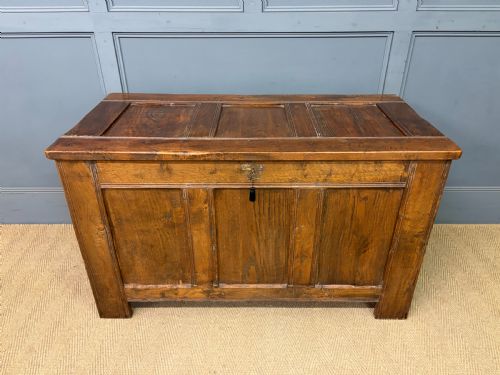
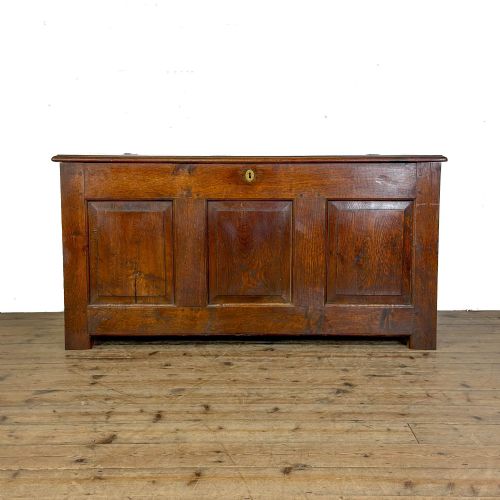
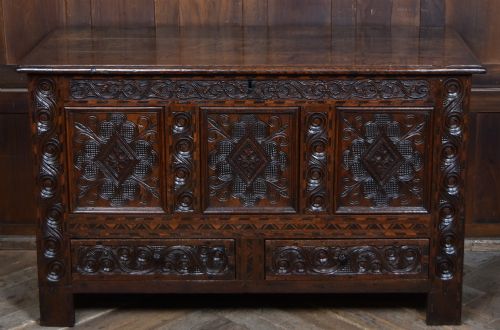
Georgian Oak Blanket Chest
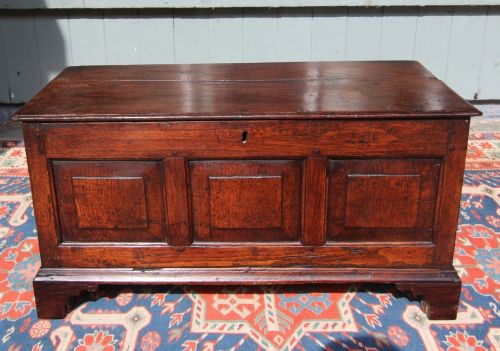
A georgian oak blanket chest offers solid storage built to last generations, bringing honest craftsmanship and rich timber grain into a modern home.
Georgian Oak Blanket Chest
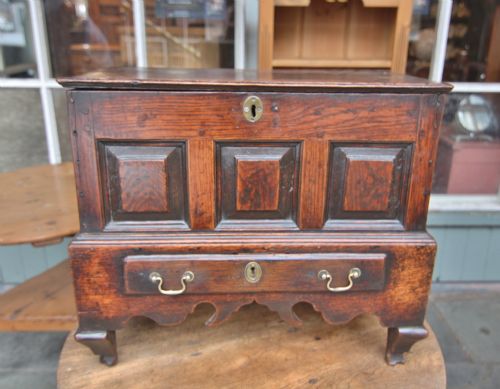
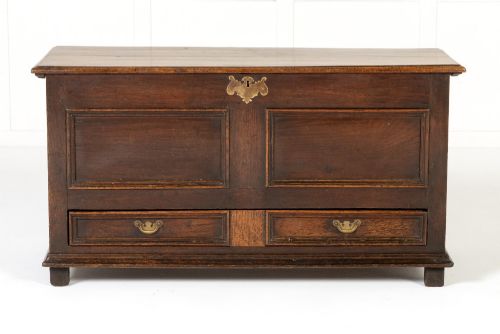
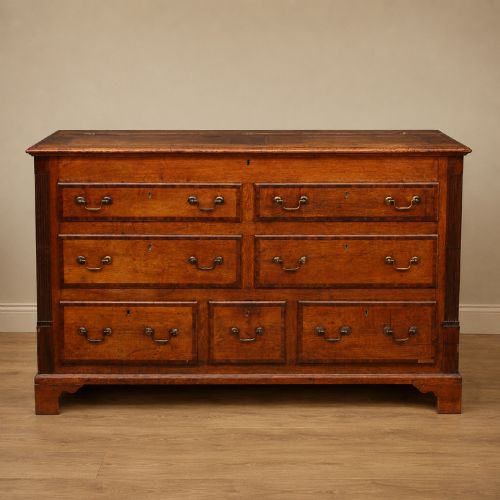
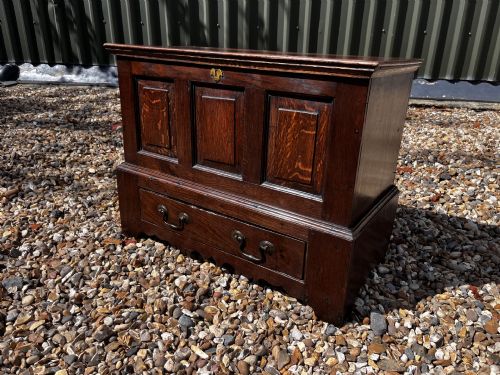
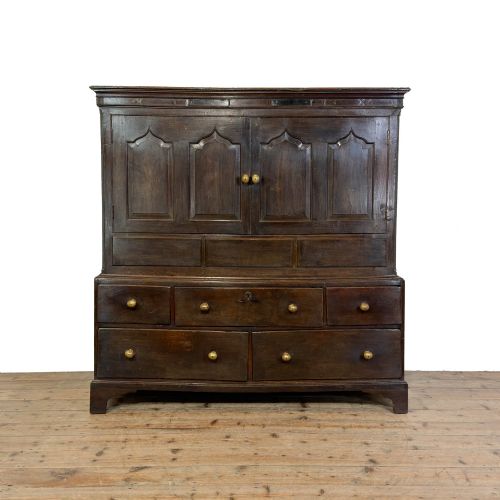
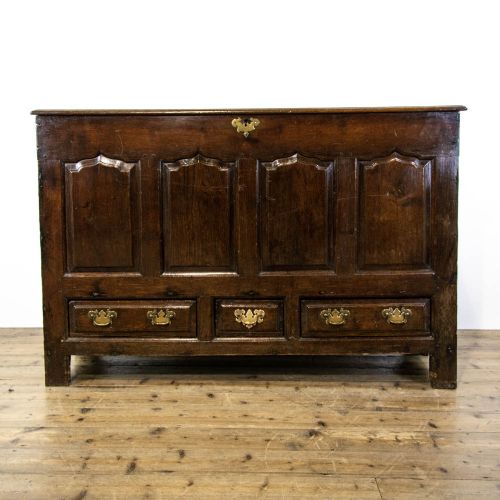
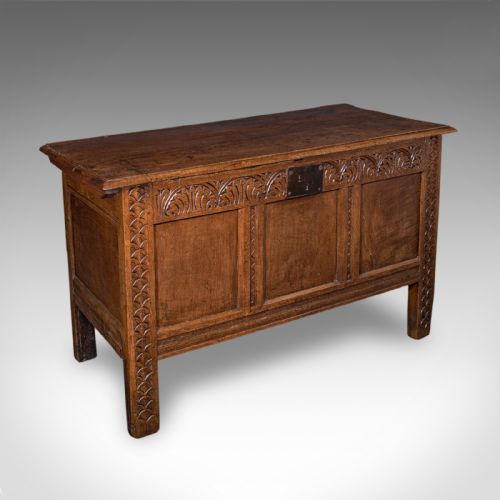
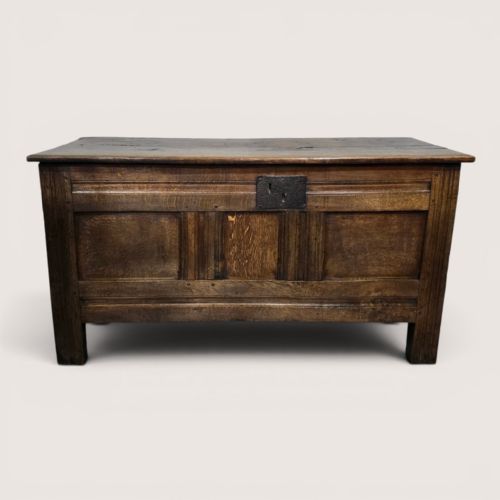
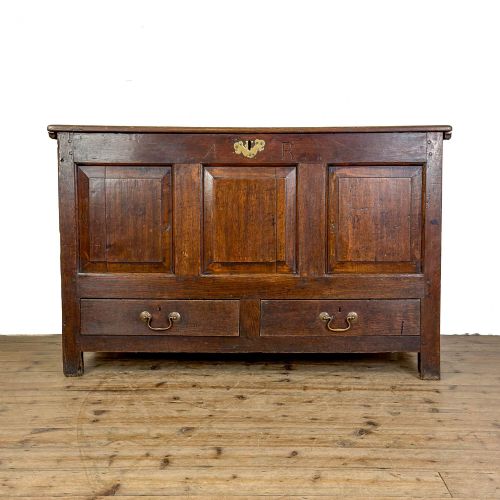
When searching for a georgian oak blanket chest, buyers encounter practical storage furniture ranging from plain coffers to large mule chests fitted with bottom drawers. These pieces date principally from the eighteenth and nineteenth centuries, reflecting domestic rural life and robust carpentry.
Regional variations appear frequently, including Welsh vernacular pieces such as the small coffer bach and crossbanded Lancashire designs. Most examples rely on heavy joined framework and panelled construction designed to store household textiles securely.
Materials and Construction
Carpenters built these chests primarily from native oak, occasionally incorporating secondary timbers like elm, pine, and mahogany for panels or internal compartments. Wood inlay, brass hardware, and iron hinges provide structural reinforcement and understated decoration.
Joinery techniques relied on pegged mortise and tenon frames surrounding heavy fielded panels. Drawer fronts on mule chests often feature decorative crossbanding or geometric mouldings that highlight the natural grain of the timber.
Georgian Oak Blanket Chest Retail Price Guide 2026
Typical asking prices for georgian oak blanket chest among the pieces listed under this phrase on Sellingantiques today, from the lower quarter to the upper quarter. They describe what is for sale here now, not the wider market.
Materials span native oak and elm supplemented by decorative wood inlay, brass, and iron hardware.
Evaluating Quality
Quality rests upon the selection of timber and the crispness of the original joinery. Pieces featuring figured burr elm panels or well-executed geometric carving sit at the upper end of the scale.
Proportion and surface patination dictate desirability. Unspoilt surfaces showing deep wax accumulation and original brass or iron fittings command greater appreciation than heavily restored examples.
The Georgian Oak Blanket Chest Glossary
- Coffer
- A heavy wooden chest traditionally used for storing valuables or linen. These form the baseline of early domestic storage.
- Mule chest
- A chest featuring one or more drawers built into the base beneath the main compartment. This development bridged the gap between simple coffers and full chests of drawers.
- Coffer bach
- A small Welsh tabletop or miniature coffer, translated literally as little chest. These served domestic or presentation functions in rural households.
- Crossbanding
- A strip of veneer applied to the borders of a panel or drawer front with the grain running perpendicular to the core. This technique frames the primary wood surface.
Georgian Oak Blanket Chest: Frequently Asked Questions
What is a mule chest?
A mule chest combines a traditional lift-lid storage compartment with one or more functional drawers positioned underneath. This hybrid design emerged to provide easier access to everyday items without unstacking textiles from the top.
Cabinetmakers produced them extensively throughout the eighteenth century in regional workshops across England and Wales.
How are these chests dated?
Carpentry methods offer the clearest indication of age, shifting from heavy joined framing in the early period to lighter panel construction later. Peg construction, tool marks, and secondary woods give further clues to the decade of manufacture.
Hardware styles and decorative crossbanding also align with specific stylistic phases of the eighteenth and nineteenth centuries.
Where were they used?
Households placed these chests in bedchambers, hallways, and living spaces to store blankets, linen, and family documents. Their robust flat lids also allowed them to function as makeshift seating or window benches.
In Welsh cottages, smaller miniature versions sat upon tables to hold precious personal items.
How do I maintain oak timber?
Regular applications of natural beeswax maintain the moisture balance and preserve the historic finish of the wood. Direct sunlight and sudden changes in room temperature should be avoided to prevent timber splitting.
Gentle dusting with a dry cloth keeps the surface clean without stripping the aged patination.