
Georgian Mirror Gold
A georgian mirror gold brings warmth and historic presence to a room through centuries-old craftsmanship.
Georgian Mirror Gold
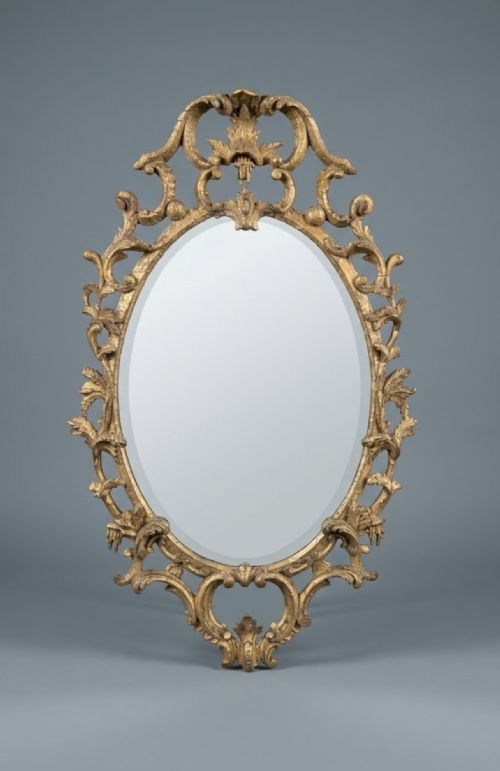
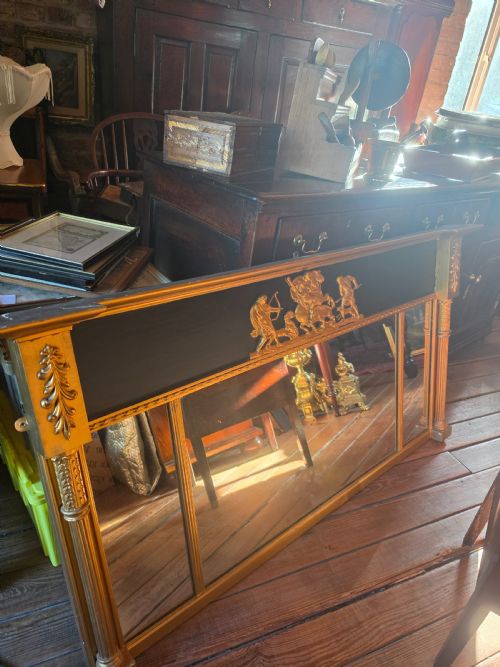
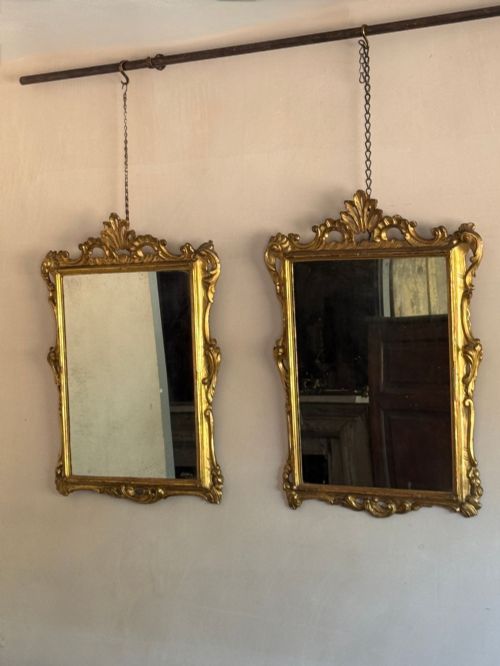
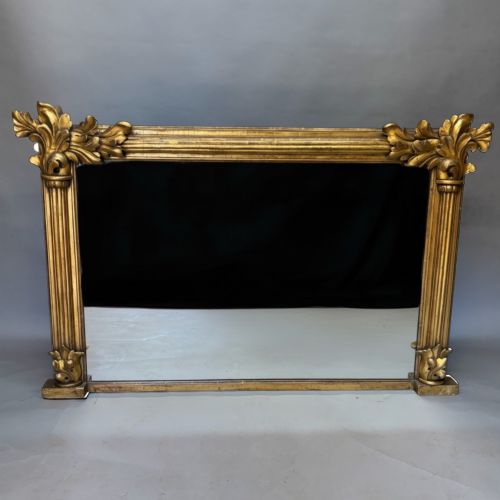
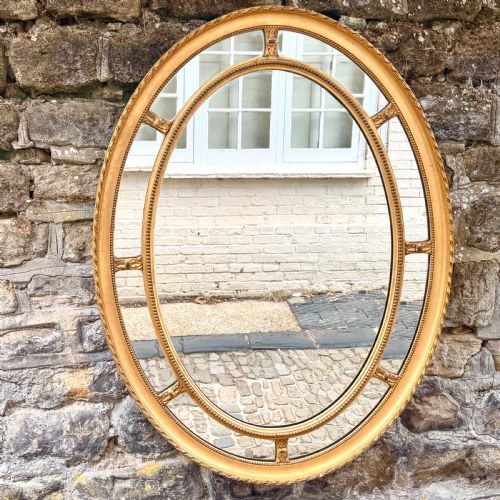
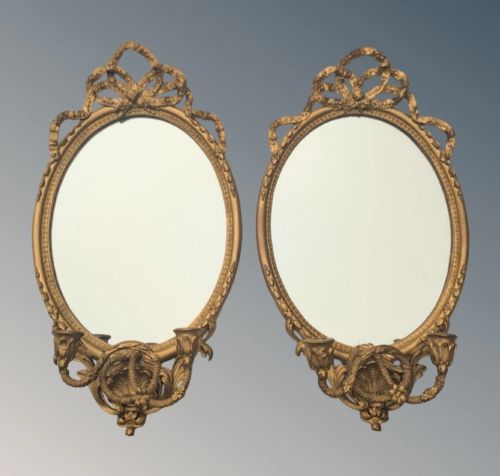
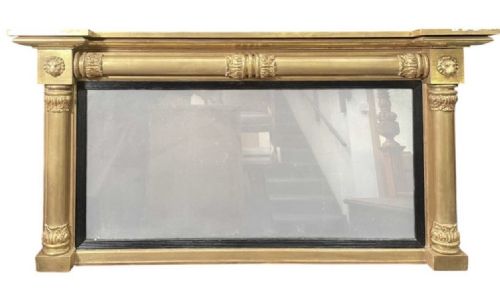
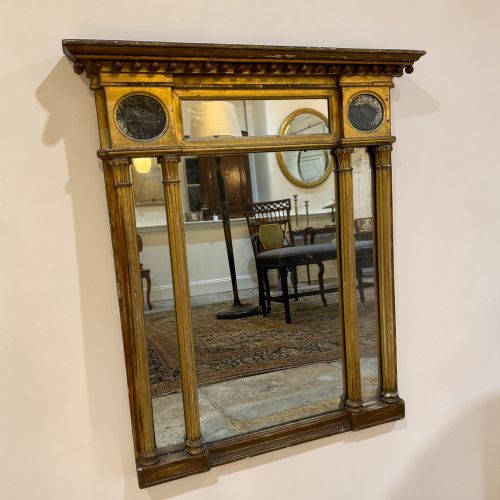
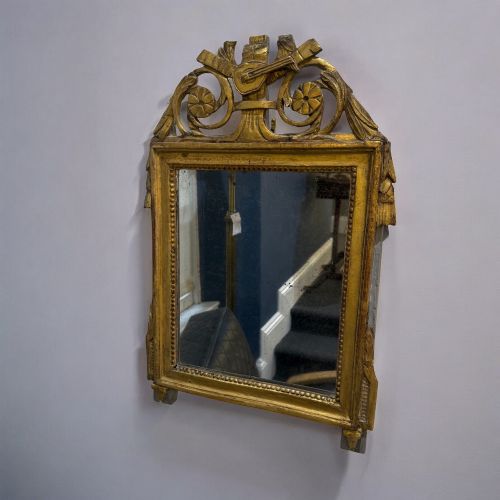
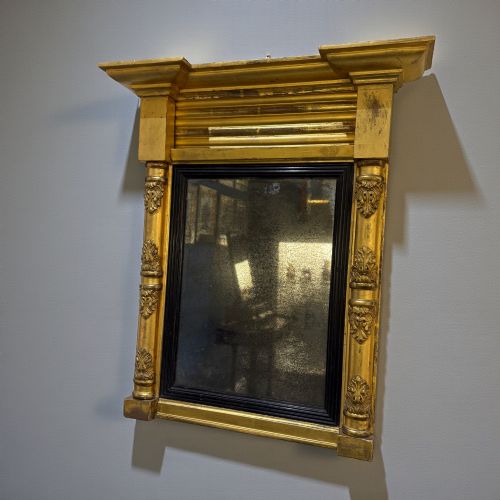
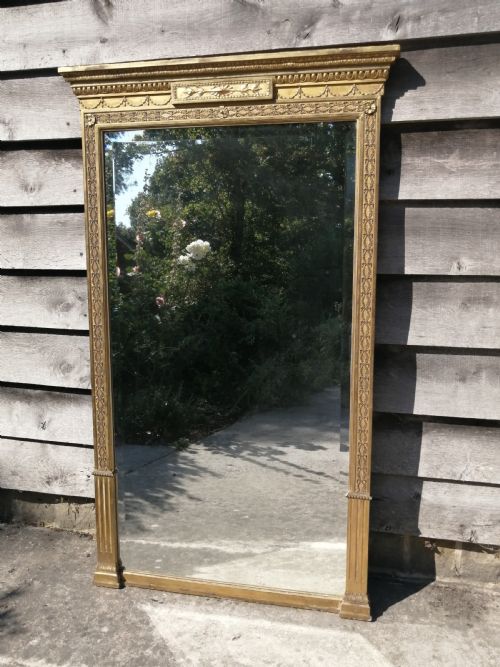
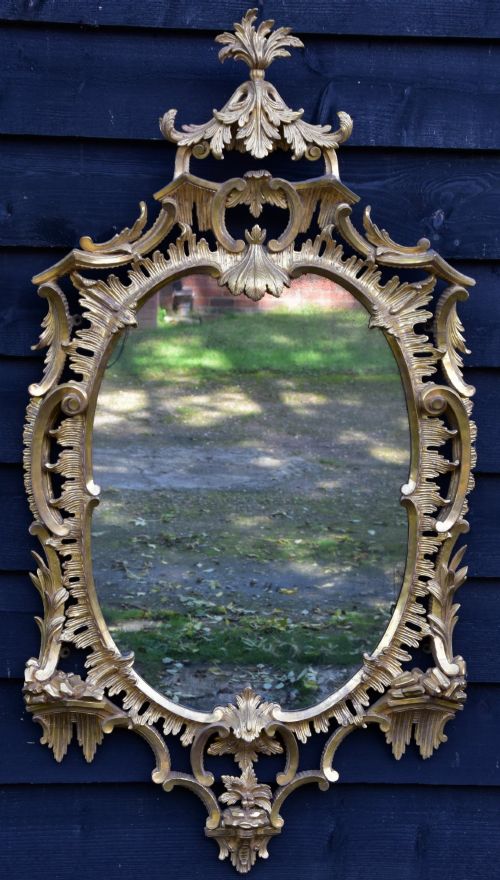
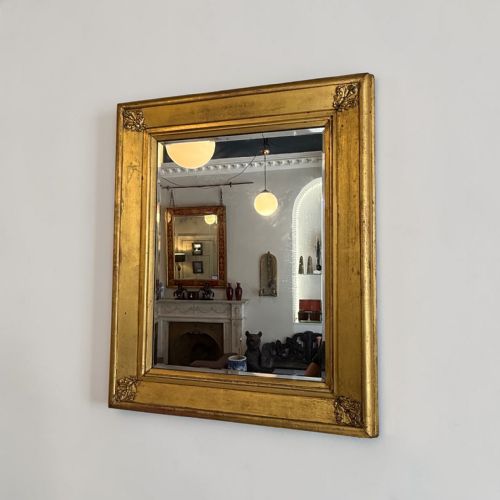
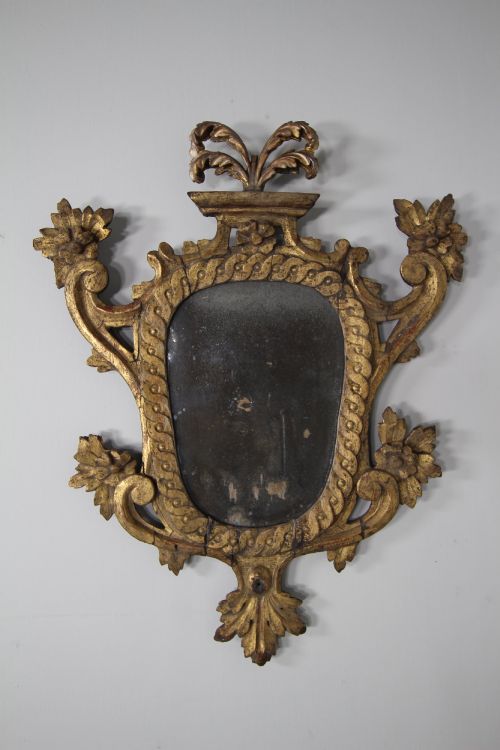
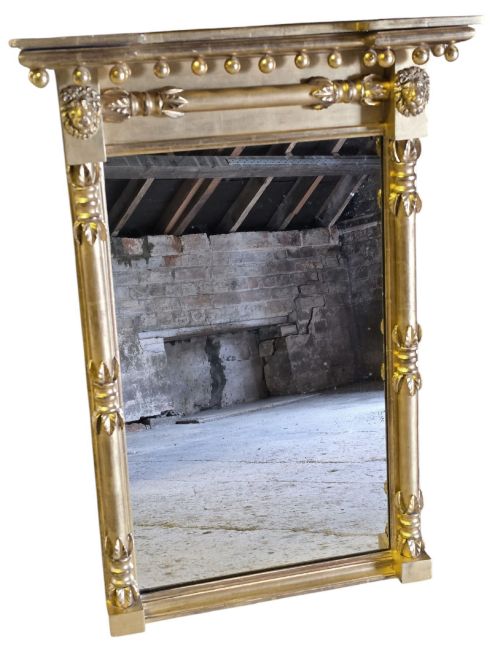
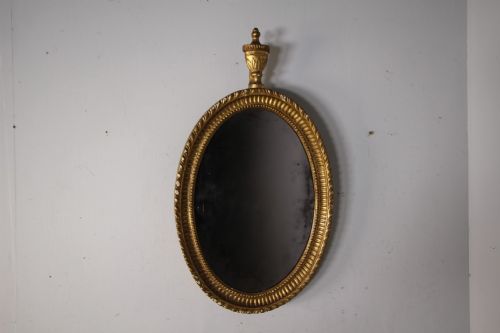
When searching for a georgian mirror gold, collectors encounter wall mirrors, overmantel mirrors, and pier mirrors from the eighteenth and nineteenth centuries. These pieces reflect the decorative tastes of the Georgian and Regency periods, utilising rich gilding to catch and refract light within a room.
The most common examples on this page are giltwood and gesso frames, often displaying classical proportions or regional English styles. Many pieces retain original elements such as mercury glass plates, offering an authentic historic appearance.
Originating primarily from English workshops, these items also include continental interpretations such as French neoclassical or Chinese Chippendale designs. Each format serves a distinct architectural purpose, from dressing mirrors to grand mantelpieces.
Materials and Construction
Makers shaped the foundational frames from timber such as mahogany or walnut, frequently applying a layer of gesso to carve intricate ornamentation before gilding. Gold leaf or composition was then meticulously laid over the prepared surfaces to create a luminous finish.
The glass plates themselves are set into the rabbet, with older examples frequently utilising mercury glass that displays characteristic foxing or ageing over the silvered backing. Brass fixtures and ebonised wood details often supplement the primary gilded scheme.
Distinctions in Quality
The depth and crispness of the hand-carved gesso or wood ornamentation separate finer examples from standard workshop production. Superior pieces exhibit precise tool work and harmonious proportions that retain their visual balance across the entire frame.
The preservation of the original mercury glass plate and the intactness of the gold leaf layer strongly influence the integrity of a piece. Finer mirrors maintain their original backing and gilding without extensive over-painting or later structural intervention.
The Georgian Mirror Gold Glossary
- Giltwood
- Wood carved and coated with gold leaf or metallic powder. This finish defines the reflective surface of the frame.
- Gesso
- A plaster mixture applied to wood frames to provide a smooth ground for carving and gilding. It allows for sharp decorative details.
- Convex Mirror
- A round mirror with a curved glass plate that widens the field of view in an interior. These often feature eagle crests or ball-turned bezels.
- Verre Eglomise
- A cold decoration technique involving gilding and painting on the reverse of glass panels. It frequently appears on pier mirrors above the main glass plate.
- Overmantel Mirror
- A large horizontal mirror designed to sit directly above a fireplace mantel. These anchor the architectural focal point of a historic room.
Georgian Mirror Gold: Frequently Asked Questions
How do I hang a heavy overmantel mirror?
These large wall pieces require secure fixing directly into masonry or substantial timber studs using appropriate brackets.
Professional installation ensures the substantial weight of the timber and glass frame is safely supported.
What is foxing on antique glass?
Foxing refers to the small dark spots and discolouration that develop behind the glass over many decades.
This ageing process occurs as the reflective backing slowly oxidises and serves as an indicator of original glass plates.
How do I clean a gilded frame?
Dusting requires only a very soft, dry brush to prevent any disruption to fragile gold leaf or composition surfaces.
Moisture and commercial cleaning products must be avoided entirely to protect the historic finish from damage.
Are convex mirrors functional or decorative?
Convex glass bends light to project a panoramic view of the surrounding interior space rather than a direct reflection.
Historically placed to monitor activity across a room, they function today primarily as striking visual focal points.
How do I identify a Regency mirror?
Regency pieces typically display bolder classical motifs, ebonised details, and occasionally convex plates framed with reeded bezels.
Their design reflects early nineteenth-century interpretations of Greek and Roman antiquity.