

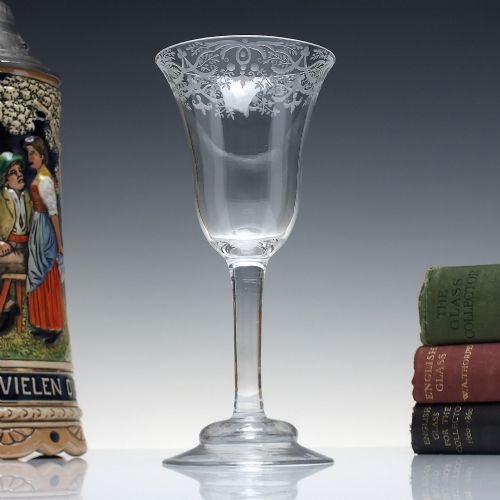
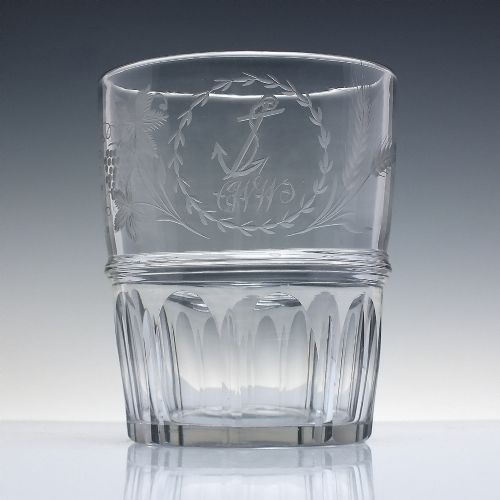
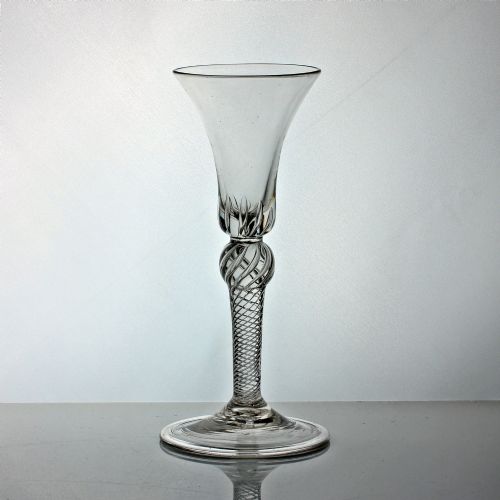
Georgian Lead Crystal
Georgian lead crystal drinking glasses and vessels are brilliant, heavy table pieces prized for their clarity, tactile weight and hand-blown forms.
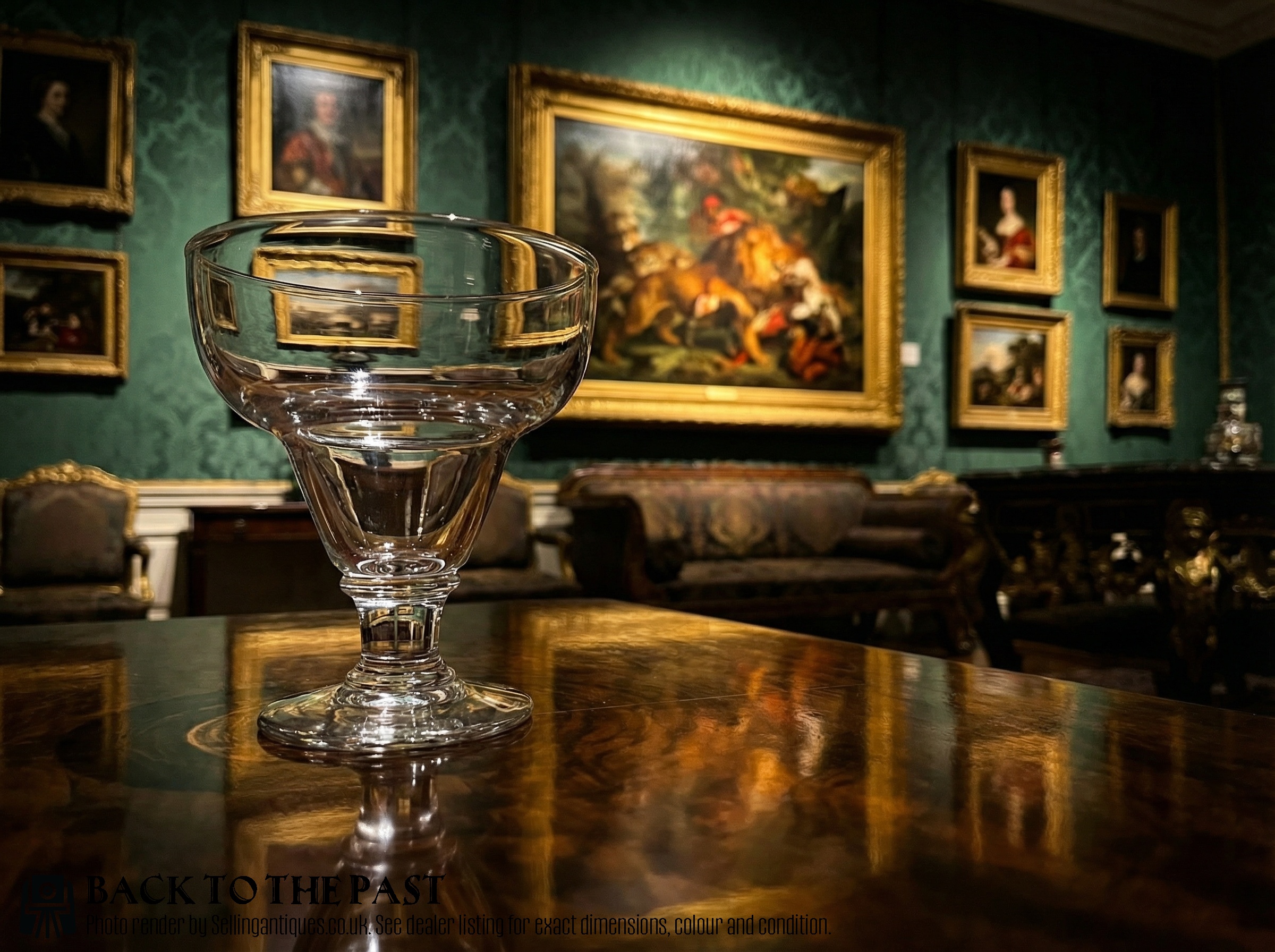
Georgian Lead Crystal
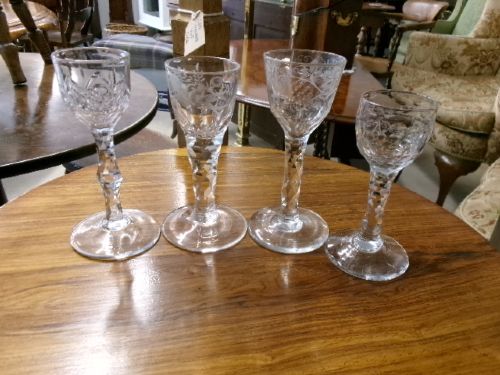
When searching for georgian lead crystal, a buyer encounters drinking vessels, wine glasses, rummers, dram glasses and celery vases dating from the eighteenth century into the Regency period. These items represent the drinking culture of the era, produced in clear glass and hand-blown lead glass.
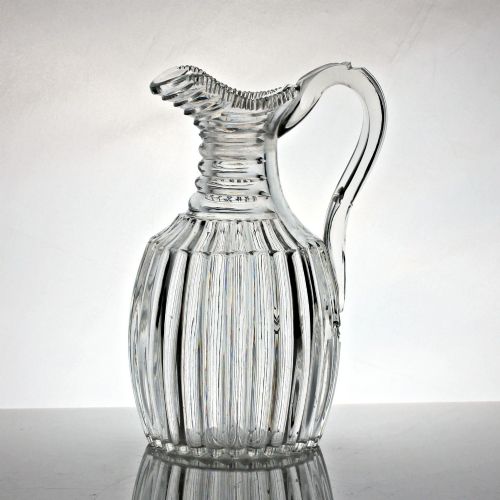
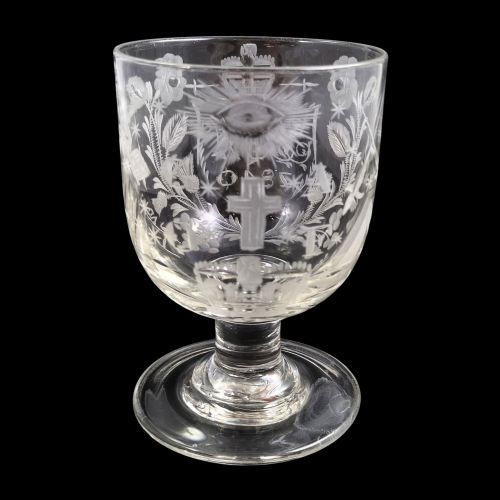
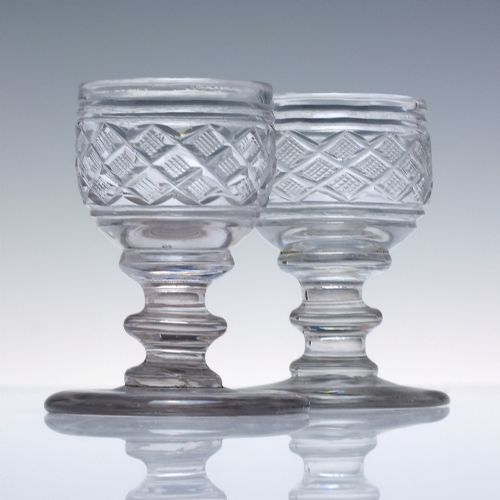
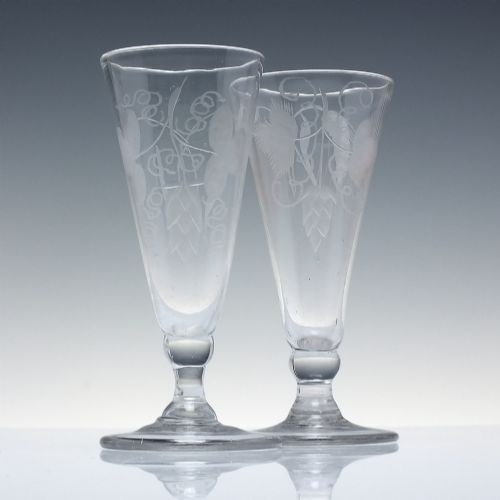
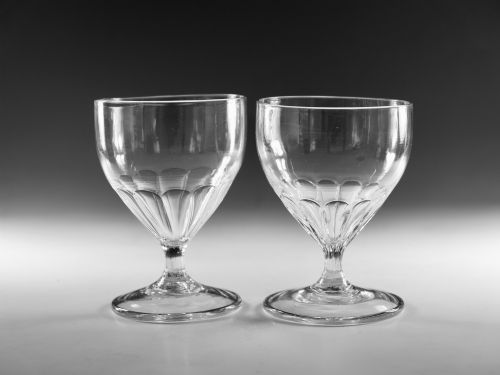
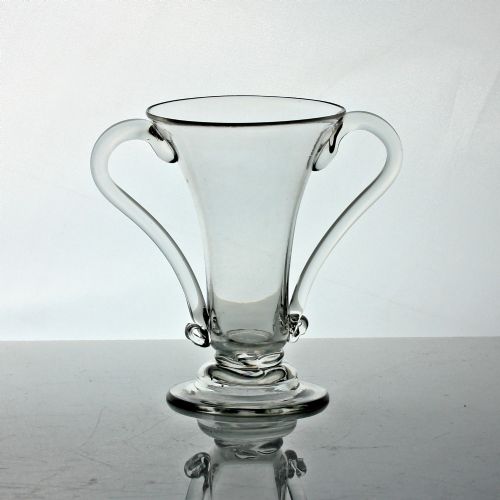
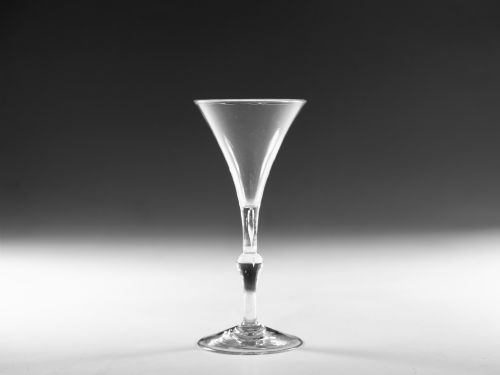
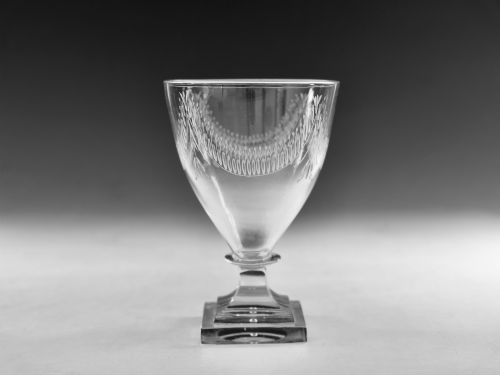
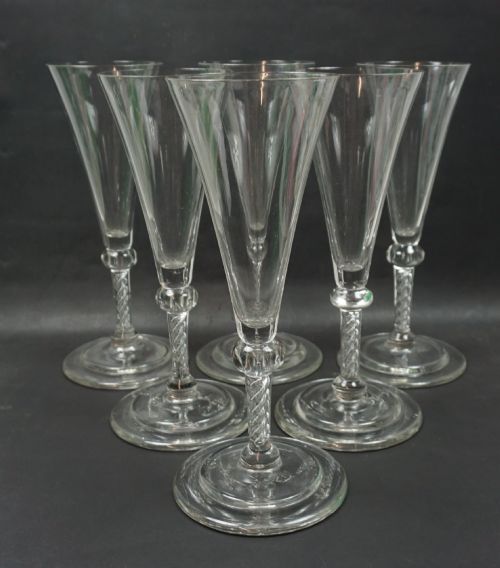
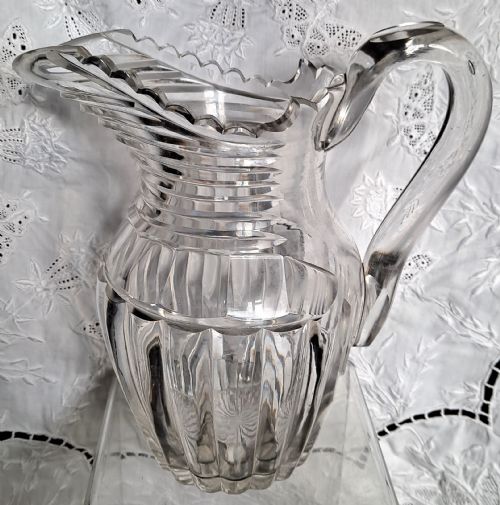
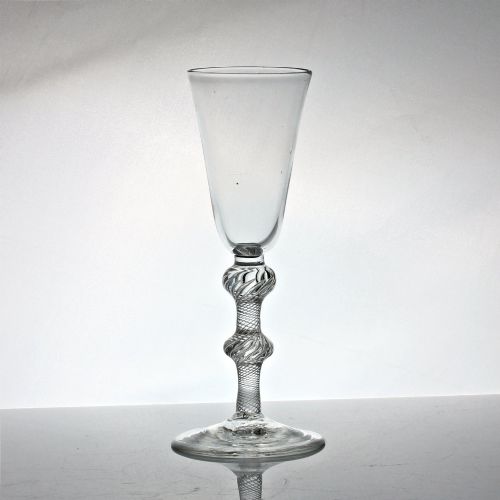
The pieces on this page span the Georgian era and the year 1800, encompassing styles from the mid-eighteenth century to Regency designs. Forms include ribbed dram glasses, air twist wine glasses, pan top rummers and tall celery vases.
Most examples originate from English workshops of the period, demonstrating the evolution of table glass from lightweight tavern pieces to heavy, cut crystal carafes and rummers.
Materials and construction
The material behind these objects is lead glass or flint glass, containing lead oxide to increase refractive index, weight and brilliance. Artisans formed each piece using hand-blown techniques, shaping the molten metal at the end of a blowing iron.
Makers employed rib moulding to create tactile fluting on the body of dram glasses and rummers. Stems of drinking vessels often incorporate internal air twists, while heavier items feature cut decoration and applied collars or knops.
Georgian Lead Crystal Retail Price Guide 2026
Typical asking prices for georgian lead crystal among the pieces listed under this phrase on Sellingantiques today, from the lower quarter to the upper quarter. They describe what is for sale here now, not the wider market.
Listings on this page exclusively feature eighteenth-century and Regency periods, spanning materials from clear lead crystal to hand-blown flint glass.
Assessing quality and character
Quality in these pieces rests upon the crispness of the forming and the purity of the metal. Fine examples exhibit brilliant clarity in the lead crystal without excessive clouding or heavy impurities, alongside well-proportioned stems and evenly spaced ribbing.
The sophistication of the internal air twist or the precision of the cut facets determines the standing of a vessel. Pieces that retain a balanced weight and confident hand-formed contours sit at the top of the range.
The Georgian Lead Crystal Glossary
- Lead crystal
- A type of glass containing lead oxide, which increases weight, brilliance and the dispersion of light. This material allows for deep cutting and polishing.
- Air twist
- A decorative stem formation enclosing a spiral column of elongated air bubbles. It is created by drawing and twisting glass rods during the manufacture of eighteenth-century wine glasses.
- Rummer
- A large, sturdy goblet used for wine, ale or rum during the eighteenth and nineteenth centuries. They typically feature a thick stem and a capacious bowl.
- Celery vase
- A tall vessel designed to stand upright on the dining table to hold stalks of celery. Regency examples often feature heavy cut crystal bodies and spreading feet.
Georgian Lead Crystal: Frequently Asked Questions
What is georgian lead crystal?
Georgian lead crystal comprises table glass and drinking vessels produced in England during the eighteenth and early nineteenth centuries. These objects utilise lead oxide for added weight and optical brilliance.
The category includes functional table wares such as wine glasses, rummers, carafes and celery vases shaped by hand-blowing and rib-moulding techniques.
How do I date a piece?
Dating relies on form, stem construction, manufacturing marks and decorative styles typical of the eighteenth century or the Regency period. Air twists and rib-moulding point to mid-eighteenth-century manufacture.
Heavier cut crystal carafes and pedestal celery vases generally align with the later Georgian and Regency eras around eighteen hundred.
How were these glasses used?
These vessels served various dining and social functions, from formal wine drinking to toast-making and serving preserved celery at the table. Smaller dram glasses held spirits, while rummers accommodated larger measures of ale or punch.
Carafes held wine at the dining board, combining utility with the display of brilliant lead glass under candlelight.
Are these pieces hand-blown?
Yes, the pieces listed on this page are hand-blown lead glass creations shaped by historical glassmakers. Artisans manipulated the molten metal using blowing irons, moulds and cutting tools.
This manual process results in subtle individual variations in weight, thickness and optical properties across surviving examples.