
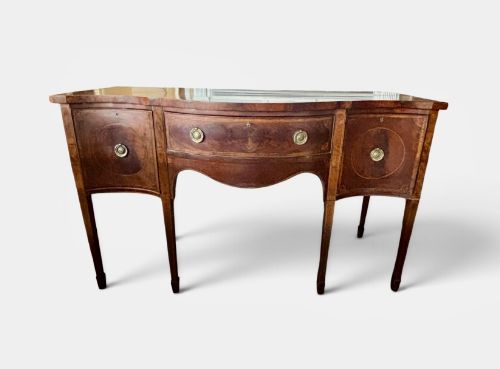
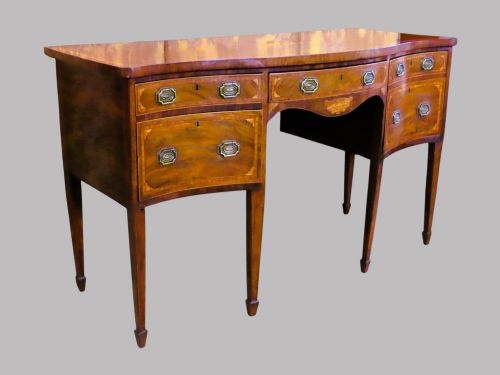
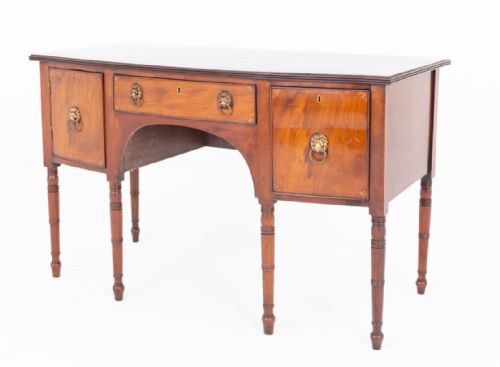
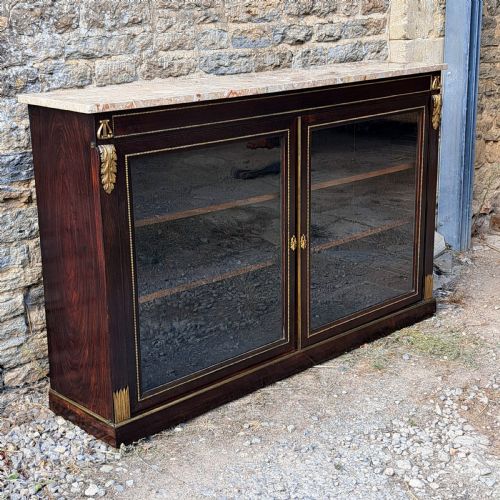
Georgian Inlaid Credenza
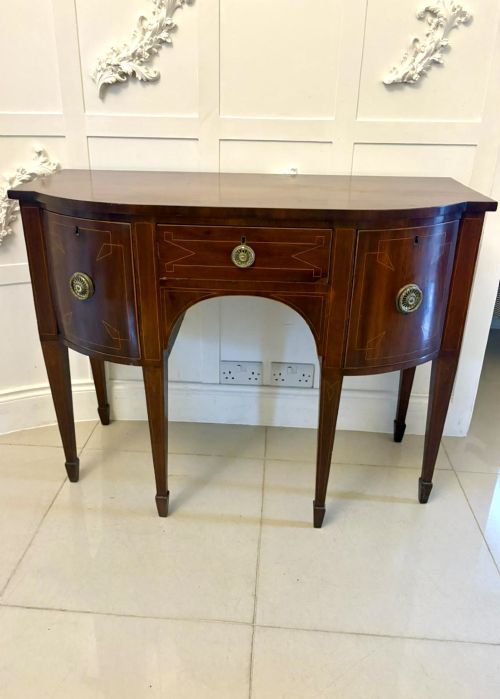
A georgian inlaid credenza is a sophisticated antique storage piece that brings refined British craftsmanship and distinctive timber patterns to a traditional interior.
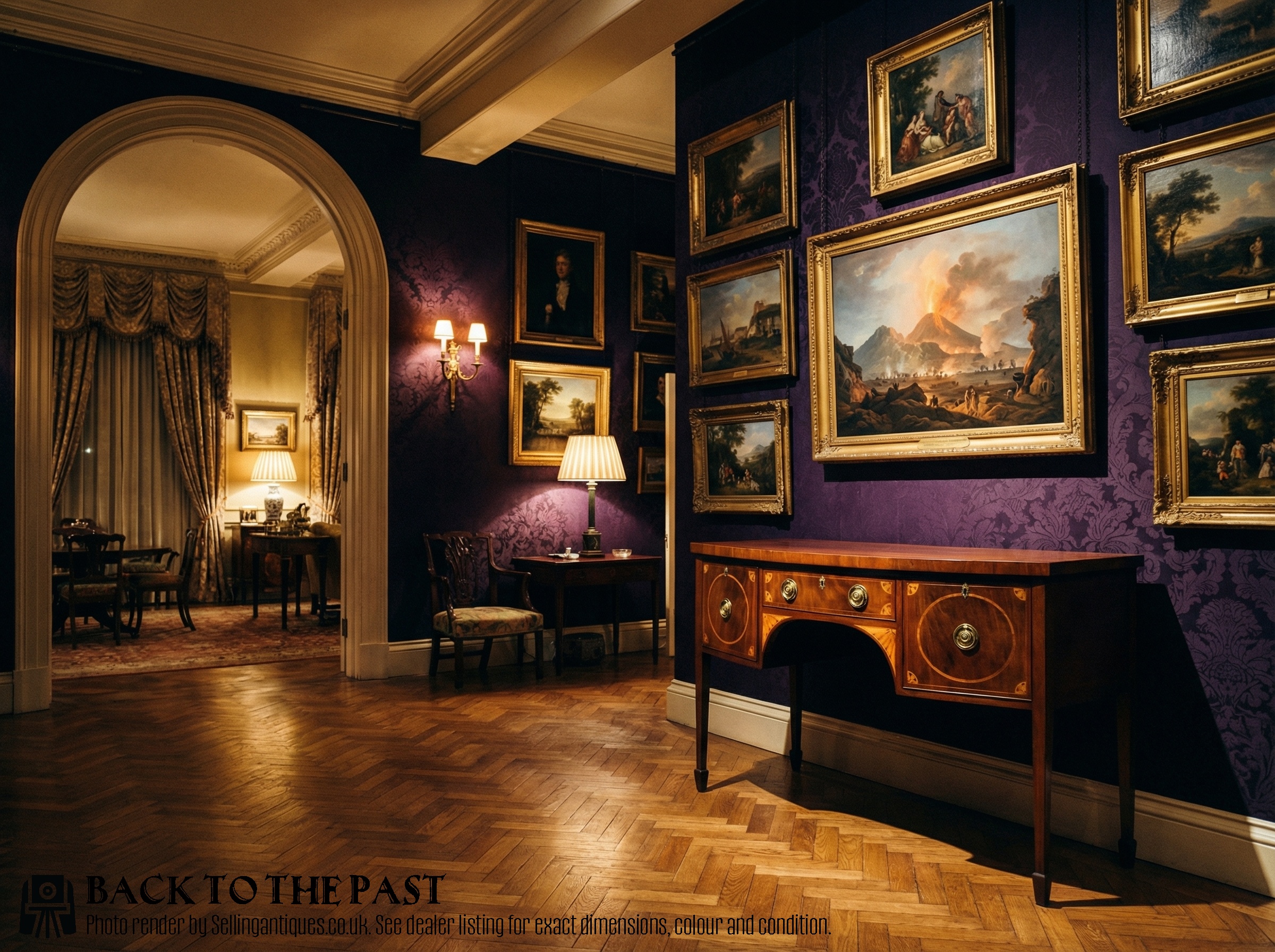
Georgian Inlaid Credenza
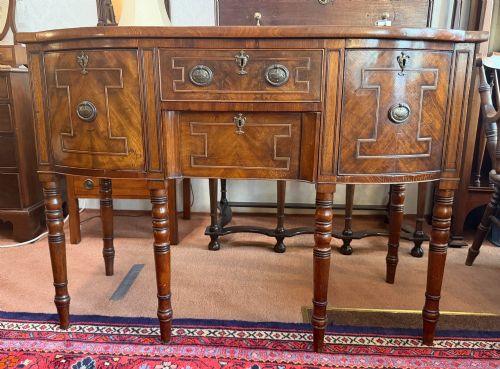
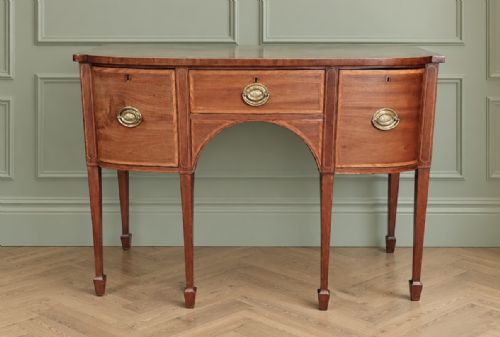
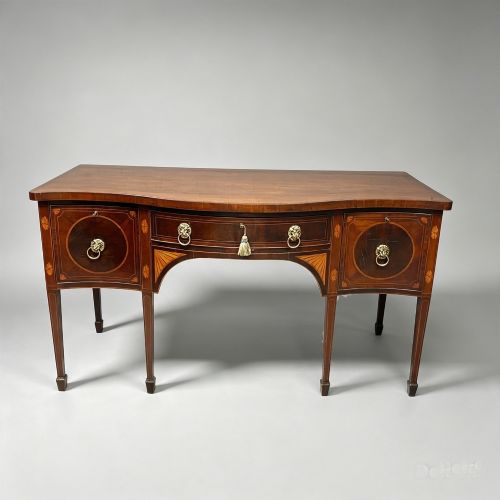
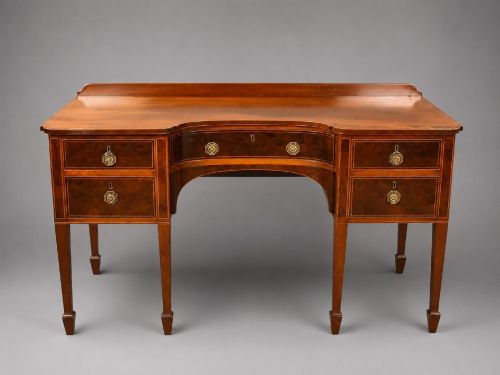
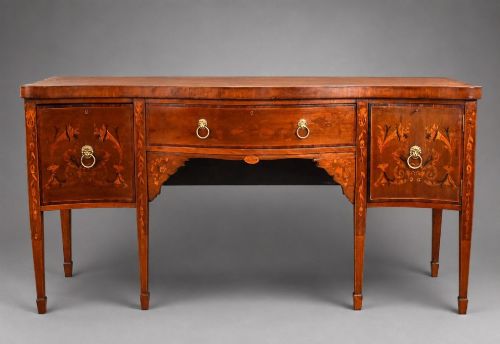
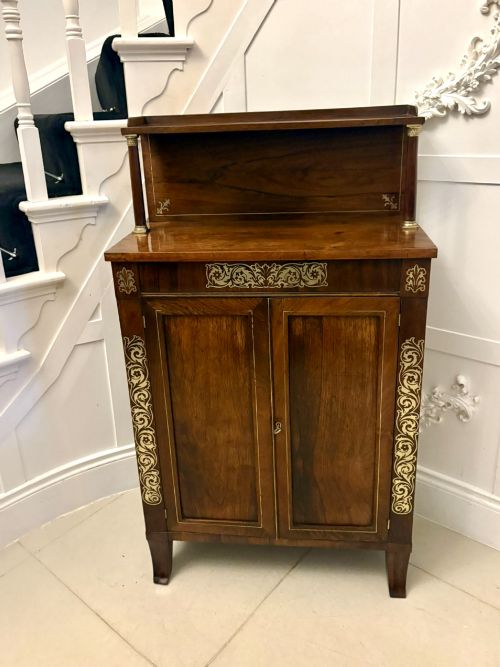
When you search for a georgian inlaid credenza, you encounter a selection of formal British storage furniture centred primarily on sideboards, side cabinets, and chiffoniers. These items hail predominantly from the Georgian, Regency, and Edwardian periods, including revival iterations that emulate earlier aesthetics.
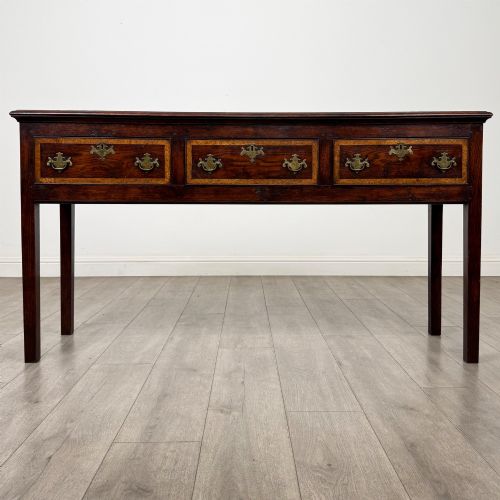
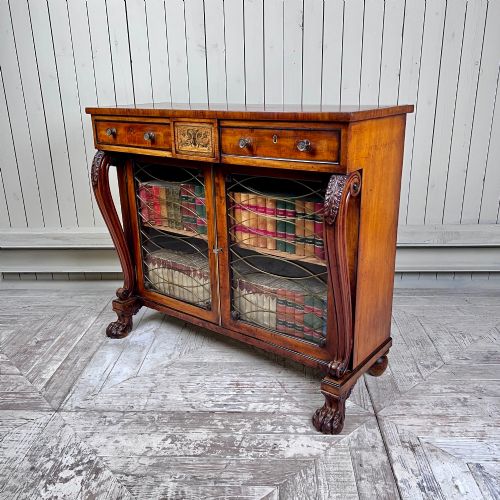
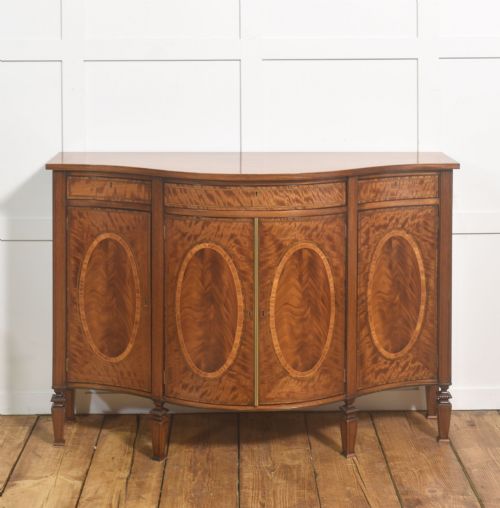
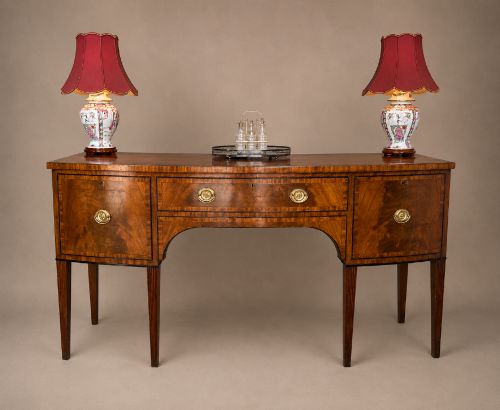
The dominant forms on this page include mahogany sideboard servers, bow-front and serpentine cabinets, and occasional bookcases or chiffoniers. Oak dresser bases and satinwood side cabinets also appear alongside mahogany and rosewood configurations.
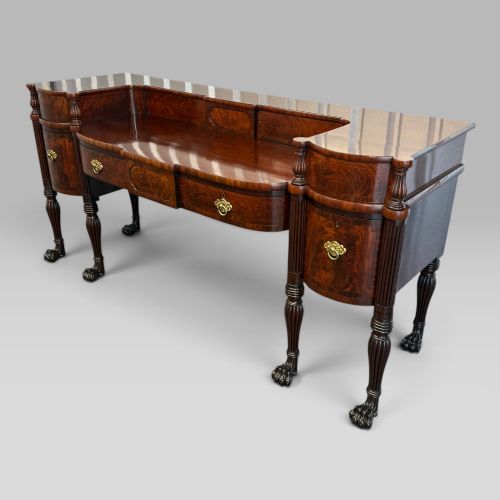
Makers and craftsmen from the eighteenth and nineteenth centuries engineered these carcasses to serve dining rooms and drawing rooms with substantial surface space and concealed interior storage. The regional styles range from Scottish stage-back sideboards to English serpentine designs.
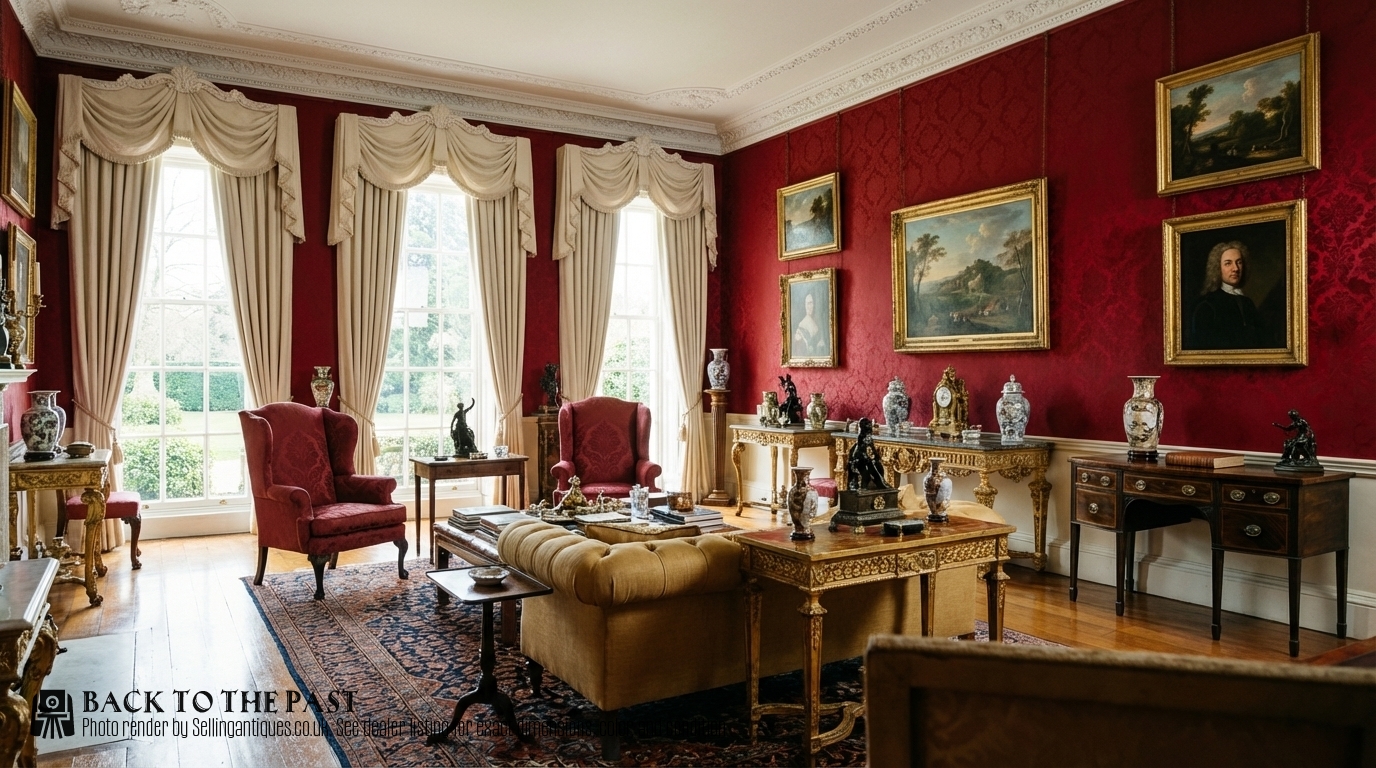
Materials and construction
Makers utilised primary timbers such as figured mahogany, flame mahogany, rosewood, and oak for the structural carcass, ensuring durable and heavy furniture. Satinwood, boxwood, and ebony were deployed extensively for contrasting stringing, banding, and pictorial marquetry motifs.
Surface ornamentation relied on precision wood inlay, where fine veneers were cut and fitted into channels carved into the primary wood. Brass mounts, lion paw feet, and inlaid brass stringing were frequently incorporated during the Regency period to accent the dark timbers.
Georgian Inlaid Credenza Retail Price Guide 2026
Typical asking prices for georgian inlaid credenza among the pieces listed under this phrase on Sellingantiques today, from the lower quarter to the upper quarter. They describe what is for sale here now, not the wider market.
The inventory spans the eighteenth, nineteenth, and early twentieth centuries, including Edwardian and Sheraton revival pieces.
Distinguishing quality
The calibre of a piece rests heavily on the selection of the timber, particularly the choice of flame or figured mahogany and finely figured satinwood veneers. Superior items display meticulous grain matching across drawer fronts and harmonious integration of contrasting boxwood and ebony stringing.
Structural integrity and the finesse of the joinery define the upper tier of these pieces. Original brass hardware, crisp carving on paw feet, and retention of patination elevate examples far above utilitarian or later heavy-handed revival output.
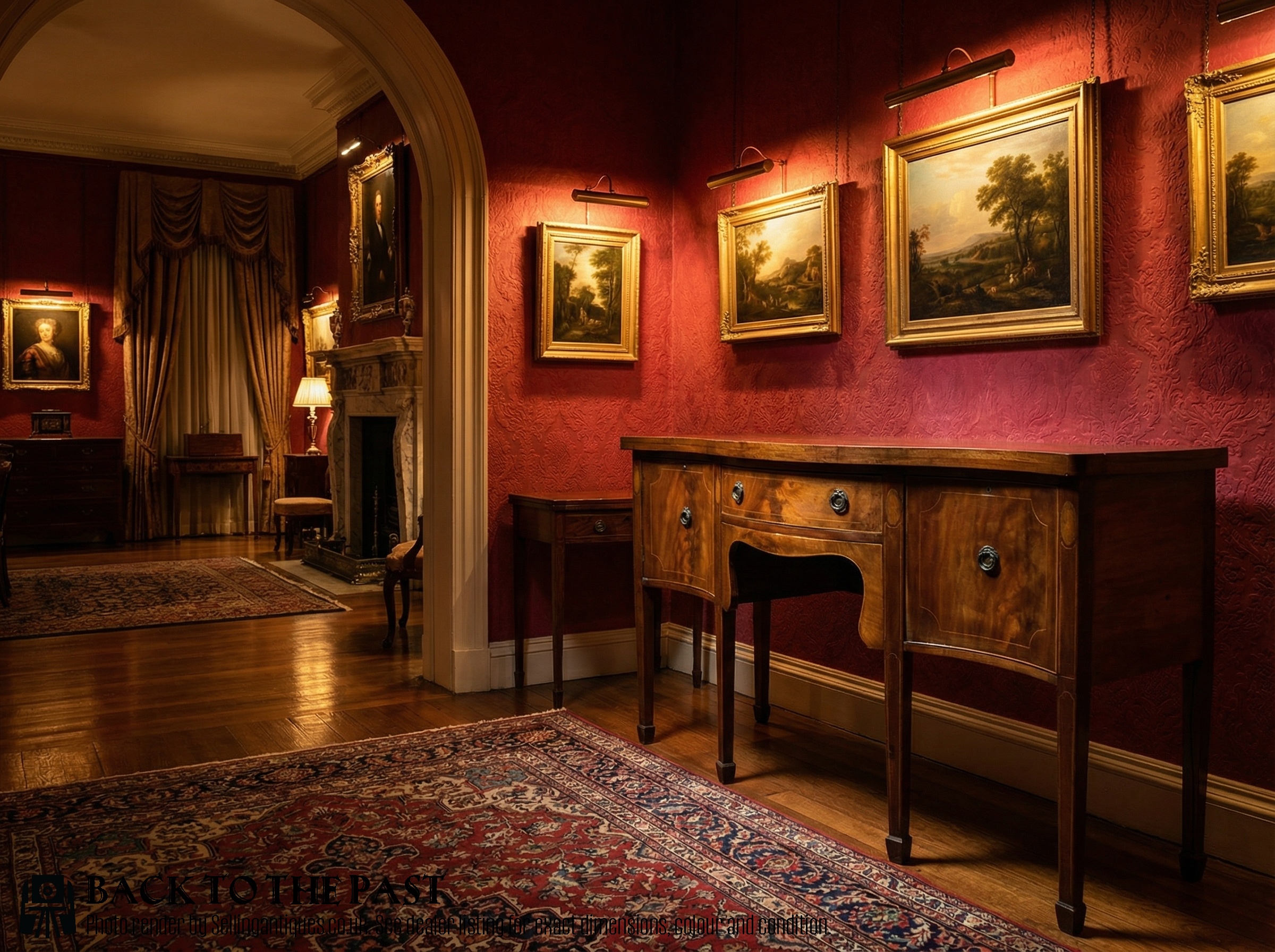
Maple and Co.
The Georgian Inlaid Credenza Glossary
- Credenza
- A low cabinet or sideboard designed for display and storage. While the term originates from continental furniture, it is commonly applied to low British side cabinets.
- Serpentine
- A furniture front curving outward in the centre and inward at the sides. This shape demands exceptional skill from the cabinetmaker to execute cleanly.
- Bow-front
- A convex curved front projecting outward in an arc. This form gained immense popularity during the Georgian and Sheraton periods.
- Chiffonier
- A compact sideboard or cabinet featuring shelves or a small bookcase superstructure. Regency examples often incorporate brass grille doors and delicate feet.
- Stringing
- Thin lines of contrasting wood inlay used to outline drawers, panels, and borders. Boxwood and ebony are typical contrasting materials.
Georgian Inlaid Credenza: Frequently Asked Questions
What is a georgian inlaid credenza?
A georgian inlaid credenza is a formal antique storage item incorporating decorative wood veneers and stringing. The listings here primarily encompass related sideboard and chiffonier forms from the period.
These items were constructed to anchor formal dining rooms and drawing rooms, offering surface display space and deep internal capacity.
How do I identify a Regency piece?
Regency pieces often feature darker timbers like rosewood or mahogany paired with distinct brass inlay. Look for decorative elements such as lion paw feet and brass grilles.
Cabinetmakers of this era favoured architectural symmetry and classical motifs influenced by the Regency style.
What is satinwood inlay?
Satinwood inlay involves setting pale, golden-hued satinwood veneers into darker primary woods like mahogany. This technique created striking visual contrast on drawer fronts and tabletops.
Cabinetmakers utilised boxwood and ebony alongside satinwood to construct intricate geometric and floral banding patterns.