

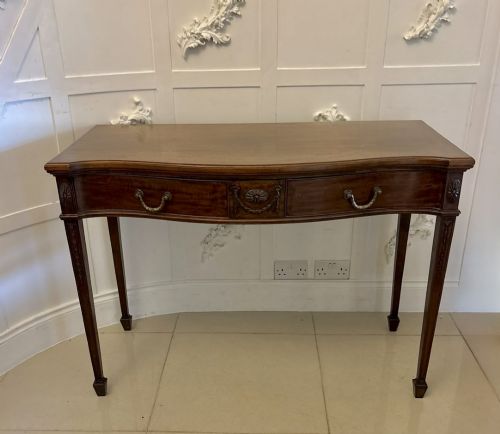
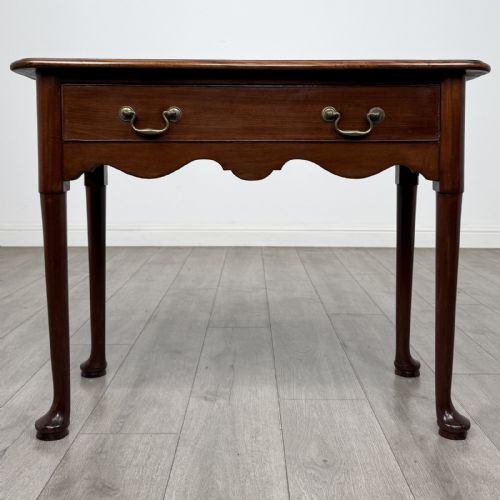
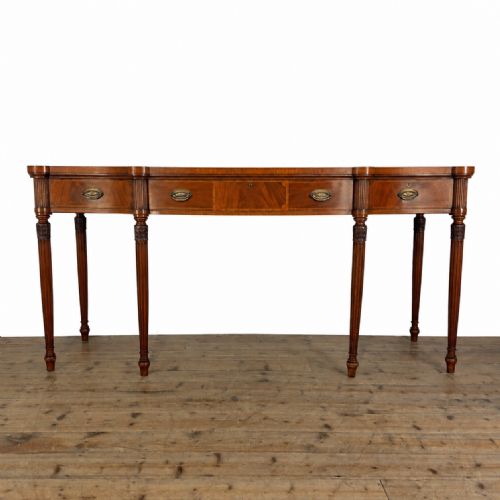
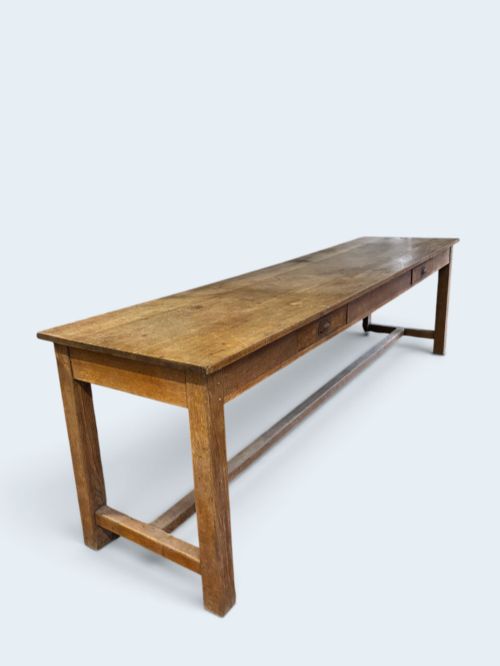



Brown Wood Serving Table
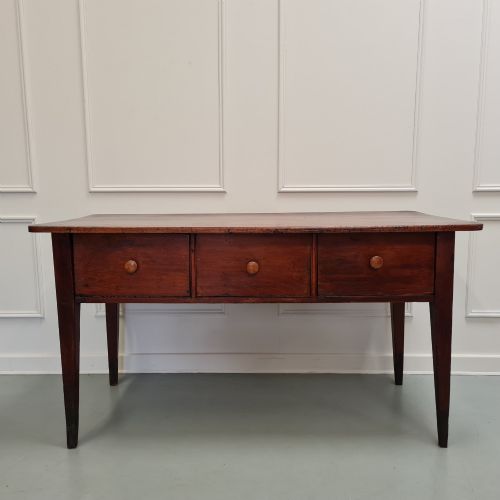
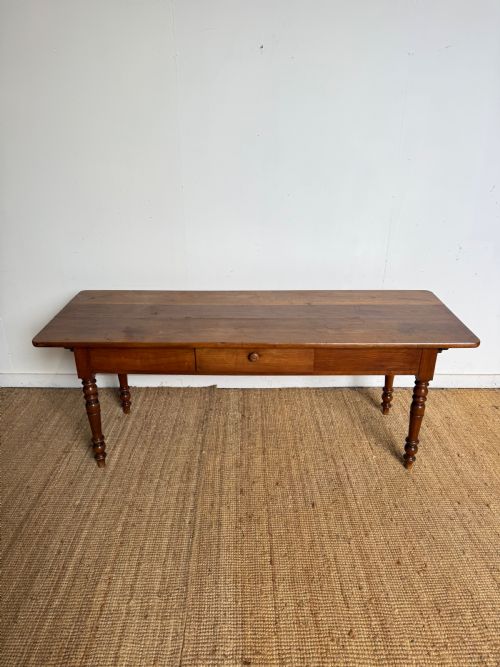
These brown wood serving table pieces offer solid utility and refined timber surfaces, providing a practical focal point for any traditional dining space.
Brown Wood Serving Table
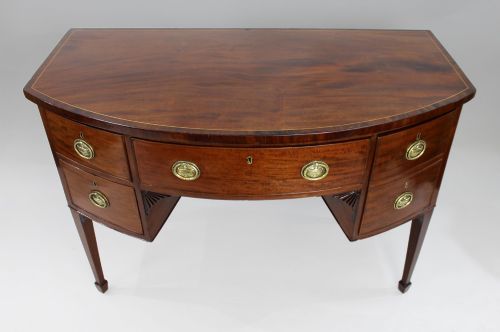
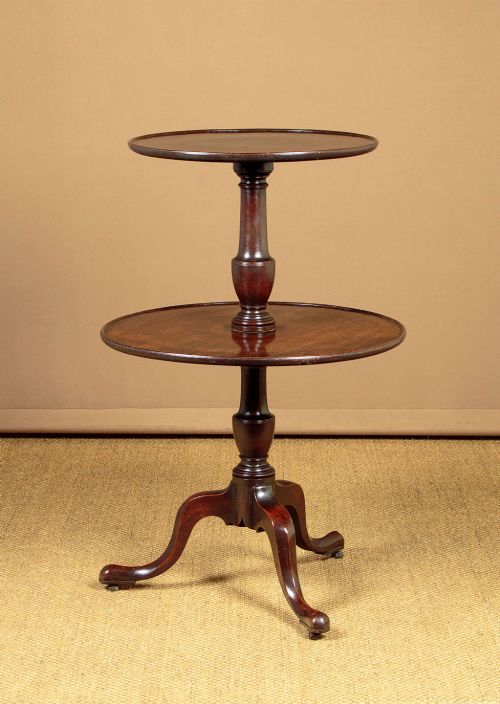
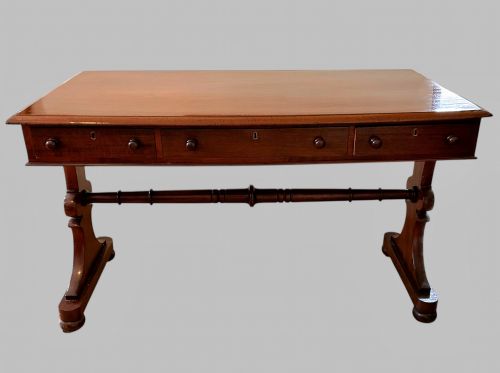
A brown wood serving table encompasses a variety of antique dining furniture forms designed for food presentation and storage. The selection includes sideboards and dumb waiters from multiple periods.
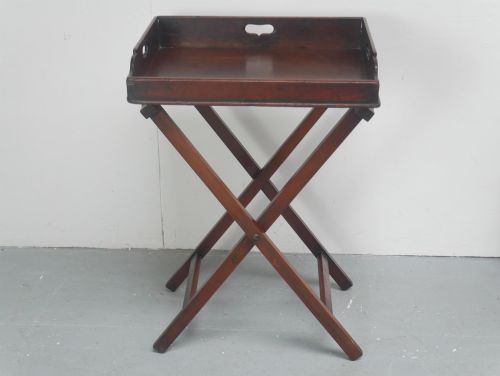
Examples span the Georgian, George IV, Regency and Victorian eras, alongside mid-nineteenth century designs. Pieces range from folding garden party tables to substantial bowfront sideboards.
Constructed primarily in England, these items reflect the domestic habits of the nineteenth century. Buyers will frequently encounter mahogany surfaces paired with varied inlay and structural timber.
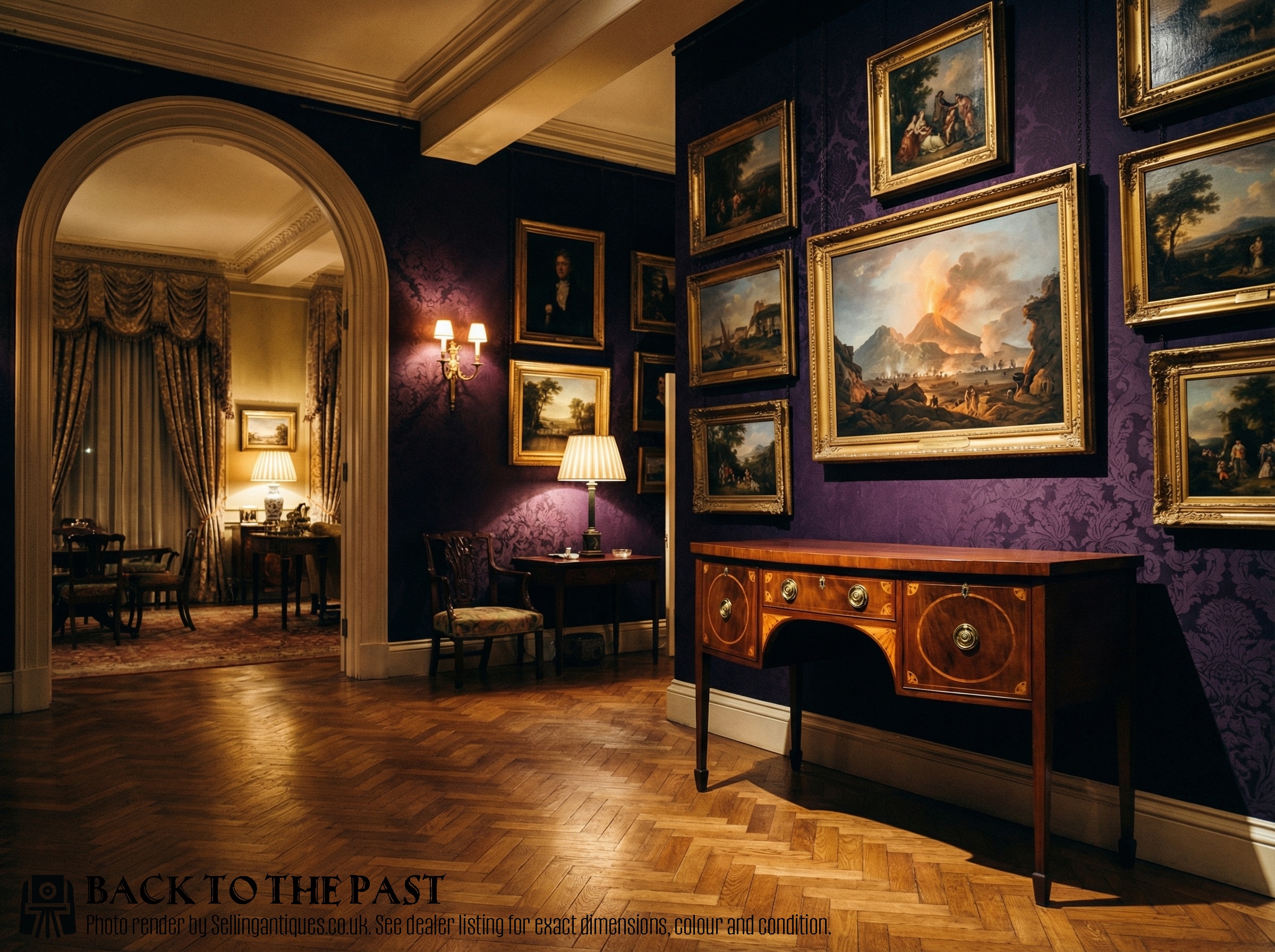
Materials and construction
Cabinet makers relied heavily on mahogany as the principal timber, often supplemented by secondary woods like pine for internal framing. Decorative touches include amboyna veneer, satinwood inlay, ebonised wood and parcel gilt details.
Hardware and functional elements incorporate brass, particularly on castors, handles and mechanical folding joints. Construction techniques range from rigid timber framing to collapsible mechanisms designed for veranda or lounge use.
Brown Wood Serving Table Retail Price Guide 2026
Typical asking prices for brown wood serving table among the pieces listed under this phrase on Sellingantiques today, from the lower quarter to the upper quarter. They describe what is for sale here now, not the wider market.
The documented forms span occasional tables, sideboards, serving tables and tiered dumb waiters from Georgian and Victorian eras.
Assessing quality and execution
Superior examples distinguish themselves through the quality of the timber selection and the precision of decorative inlays such as satinwood. The integration of finer secondary woods like amboyna veneer elevates a piece above standard utility items.
Structural integrity and the retention of original brass fittings dictate the standing of an individual piece. The finesse of the carving and the proportional balance of bowfront designs separate workshop output from mass production.
The Brown Wood Serving Table Glossary
- Bowfront
- A convex curved cabinet front popular in the Georgian and nineteenth century periods. This shape softens room lines while increasing interior storage capacity.
- Dumb Waiter
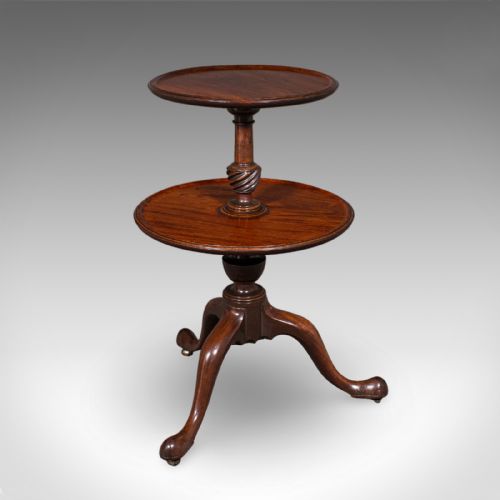
- A tiered serving table or stand utilised for holding dishes without servants present. These pieces often feature revolving or fixed circular trays supported on a central column.
- Parcel Gilt
- Partial gilding applied to specific carved details or highlights on a wooden surface. This technique contrasts metallic gold against dark timber.
Brown Wood Serving Table: Frequently Asked Questions
What is a dumb waiter table?
A dumb waiter is a multi-tiered serving table designed to hold plates, cutlery and food during meals. They allowed diners to help themselves without domestic staff present in the room.
These pieces typically feature graduated circular shelves supported on a turned pillar and tripod base. They suit dining rooms or libraries as movable side surfaces.
How do I care for mahogany?
Maintain mahogany timber by keeping it away from direct sunlight and sudden temperature changes. Regular dusting with a soft, dry cloth preserves the finish.
Apply traditional beeswax periodically to nourish the wood and maintain its natural lustre. Avoid silicone-based sprays which can damage antique French polish surfaces.
Where were these tables used?
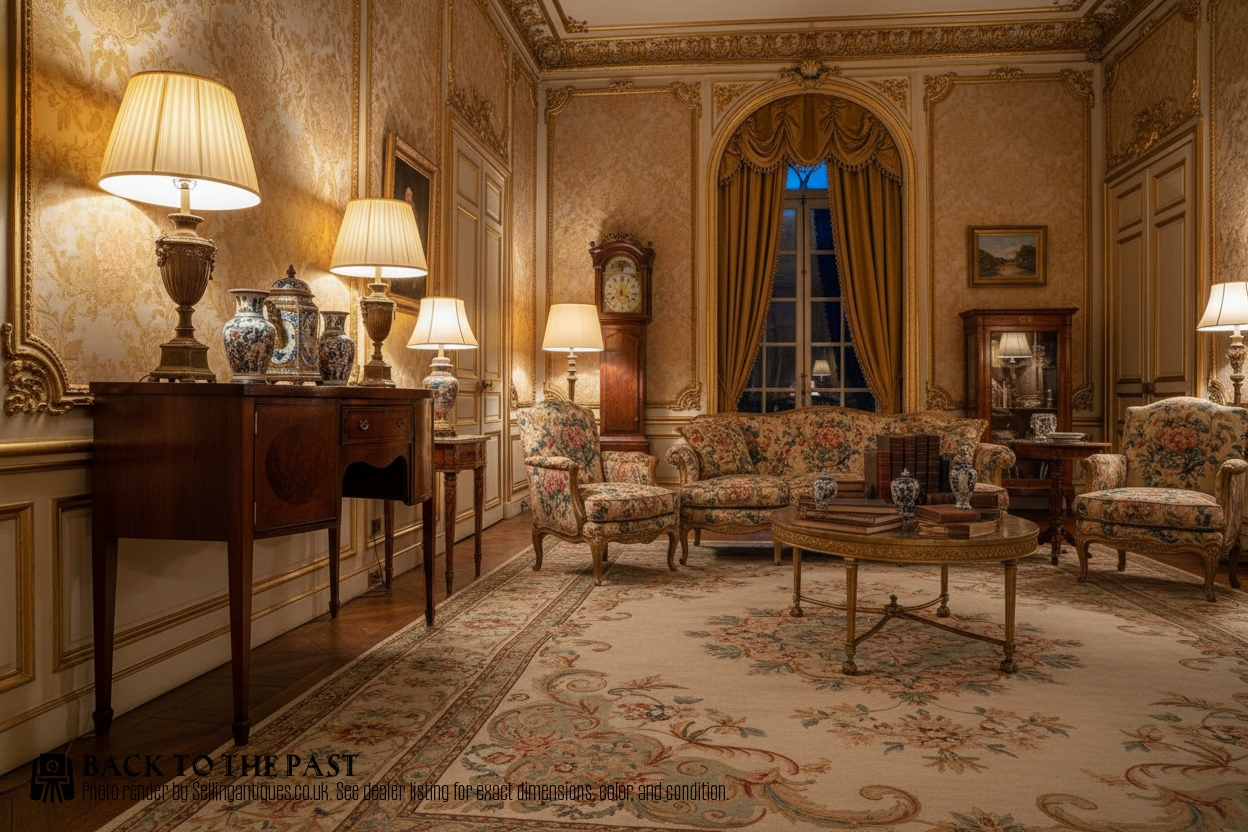
These tables served primarily in formal dining rooms, drawing rooms and country house reception spaces. Folding variants were also taken out to verandas and gardens for seasonal gatherings.
Their main function was supporting food service, holding silver or displaying decorative objects when not in active use during meals.
How do I date a sideboard?
Dating relies on examining the structural timber, joinery methods, hardware and overall stylistic proportions. Georgian and Regency pieces show specific carcase construction and linear inlay motifs.
Victorian items often display heavier proportions and different secondary woods like pine. Comparing the carcass assembly to known period examples confirms the era.