




19th Century Dumb Waiter
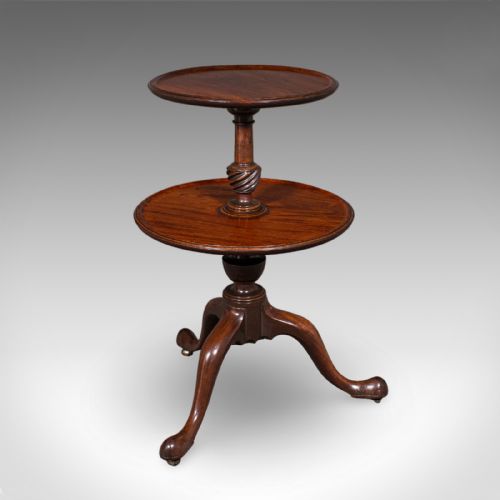
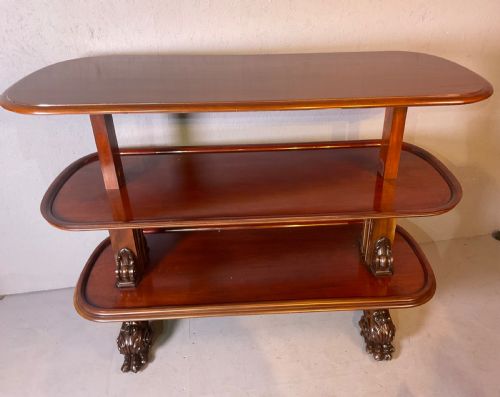
A 19th century dumb waiter brings tiered practicality and classic timber grain to a dining room.
19th Century Dumb Waiter
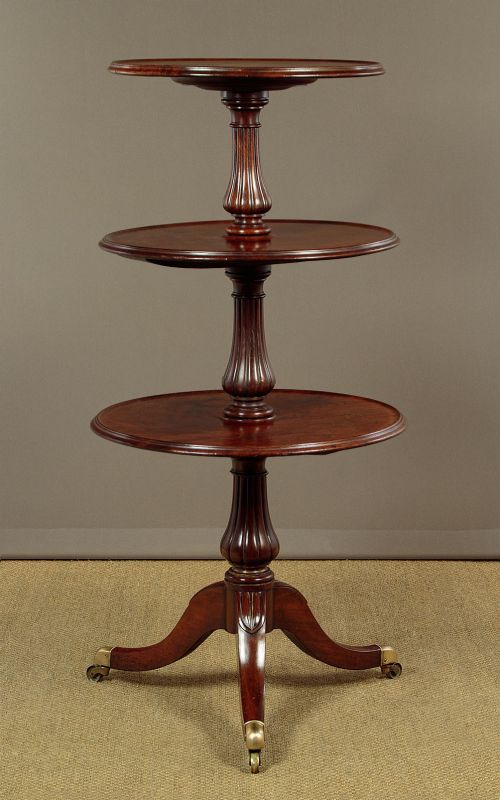
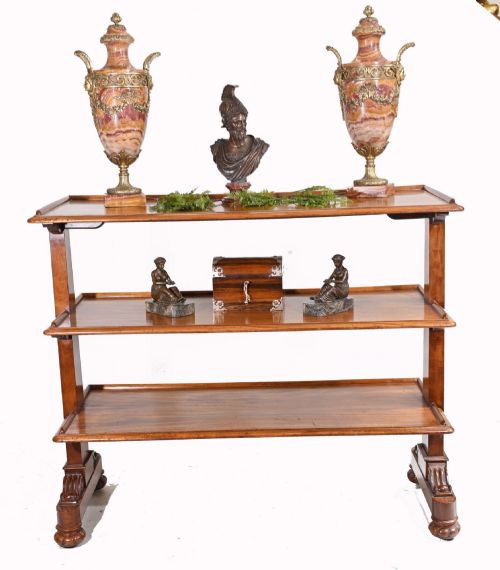
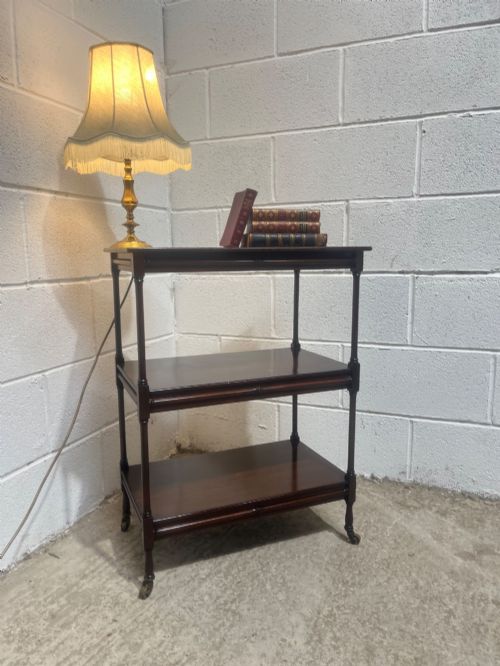
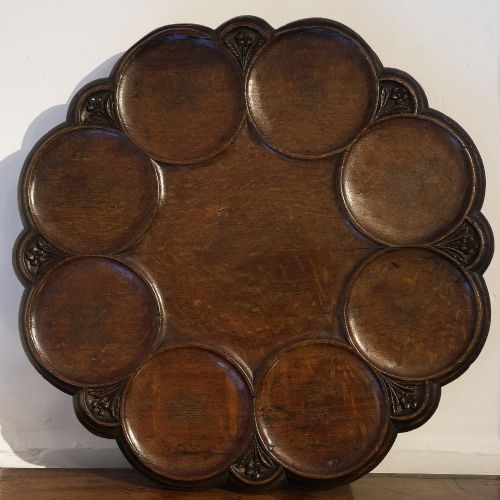
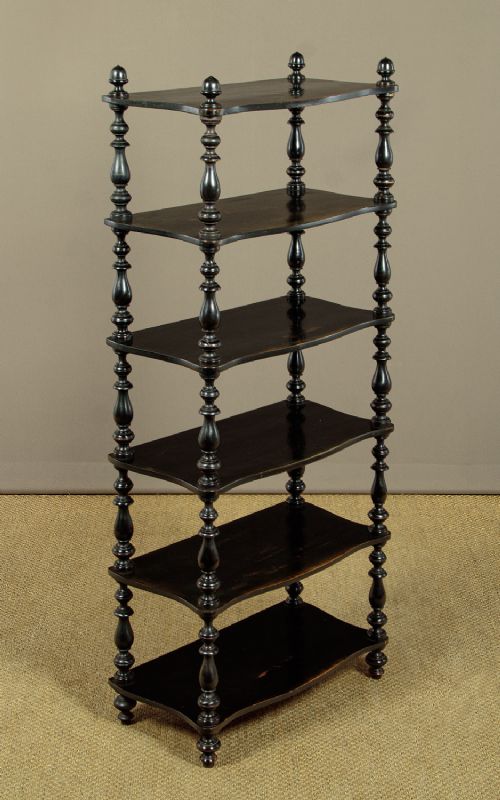
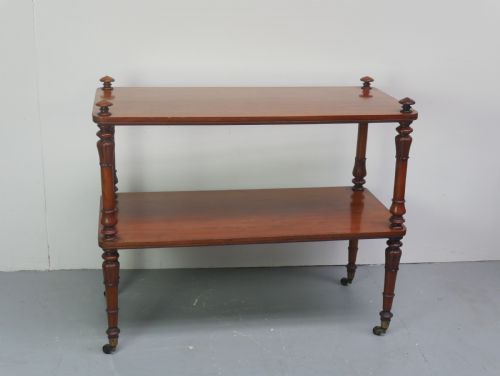
A 19th century dumb waiter spans multi-tiered serving furniture, rotating lazy susans, and expandable buffets designed for period dining rooms. Mahogany forms predominate alongside oak, rosewood, and walnut, presenting options from two-tier revolving models to tall etageres.
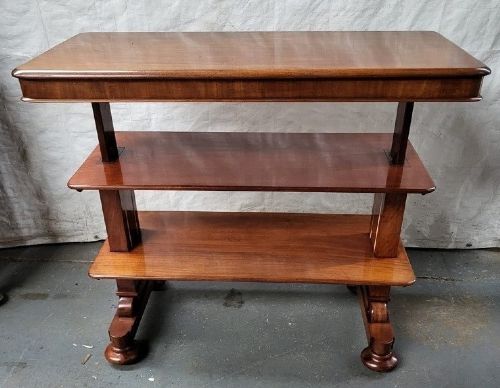
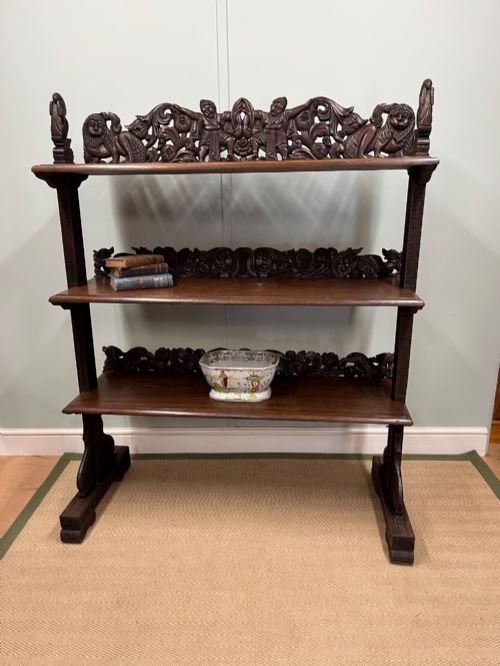
Makers shaped these pieces through Regency, William IV, and Victorian eras, producing rotating trays, drop flaps, and metamorphic serving tables. English country and Anglo-Indian variants also appear, offering alternative woods like teak and hardwood.
Buyers encounter revolving tripod tables, three-tier trolleys, and heavy serving sideboards intended to hold dishes near the dining table. These utilitarian items bridge the gap between heavy storage and accessible tabletop service.
Materials and Construction
Cabinetmakers built these pieces primarily in solid mahogany and figured veneers, often incorporating brass castors, hinges, and rotating mechanisms to support movement. Secondary timbers include oak and hardwood, while ebonised wood and amboyna veneer provide decorative contrast.
Joinery techniques included turned central pillars, tripod support legs, and graduated tiered shelving secured by robust vertical turnings. Drop flaps and metamorphic folding actions required precise fitting of wooden pivots and brass hardware.
19th Century Dumb Waiter Retail Price Guide 2026
Typical asking prices for 19th century dumb waiter among the pieces listed under this phrase on Sellingantiques today, from the lower quarter to the upper quarter. They describe what is for sale here now, not the wider market.
Period styles cover Georgian roots through Regency, William IV, and Victorian eras.
Craftsmanship and Proportion
The distinction between tiers rests upon timber selection, such as fiddleback mahogany or pollard oak, paired with stable revolving actions. Heavier pieces rely on solid column supports and balanced tripod bases that prevent tipping under heavy service.
Refined examples display careful edge moulding, matched veneer grains, and integrated brass fittings that operate smoothly. Simpler country workshop pieces utilise straightforward plank construction and simpler turning.
The 19th Century Dumb Waiter Glossary
- Dumb waiter
- A tiered serving stand designed to hold dishes and utensils near a dining table without requiring servants. These pieces often feature rotating tiers or drop flaps.
- Etagere
- A set of open shelves for displaying or serving items, arranged in multiple tiers. This form provides vertical storage space in a compact footprint.
- Metamorphic
- Describing furniture that transforms from one form into another, such as a serving table that alters its configuration for different uses. This mechanism involves hinged or sliding elements.
- Fiddleback mahogany
- Mahogany timber featuring a wavy, transverse grain pattern resembling the back of a violin. Cabinetmakers selected this figured wood for high-status surfaces.
- Lazy susan
- A rotating tray placed on a table or tier to allow easy access to food items. These revolve smoothly on a central pivot or bearing.
19th Century Dumb Waiter: Frequently Asked Questions
How do I use a dumb waiter today?
These tiered stands serve well as side tables for holding drinks, books, or displaying decorative items in a living space.
Revolving versions function effectively in dining rooms for serving dishes or sharing condiments across a table.
What is a metamorphic dumb waiter?
A metamorphic piece incorporates mechanical actions that allow it to change its shape or function, such as shifting from a low stand to a tall serving table.
These designs demonstrate ingenuity from the Regency and Victorian periods, offering versatile domestic utility.
Are these pieces stable?
Most designs utilise heavy timber pillars and sturdy tripod or multi-legged bases to support multiple tiers safely.
Heavier items like oak or mahogany buffets remain firmly planted, while rotating tier models require balanced loading.
How do I tell Regency from Victorian examples?
Regency pieces often exhibit cleaner classical lines, lighter proportions, and rich flame mahogany surfaces dating from the early decades of the century.
Victorian items tend to be heavier, sometimes incorporating elaborate carvings, dark ebonised woods, or exotic veneers like amboyna.