
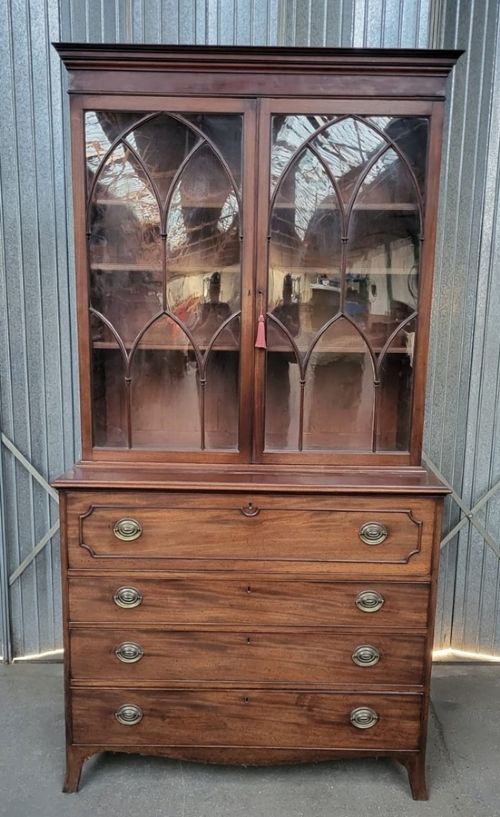
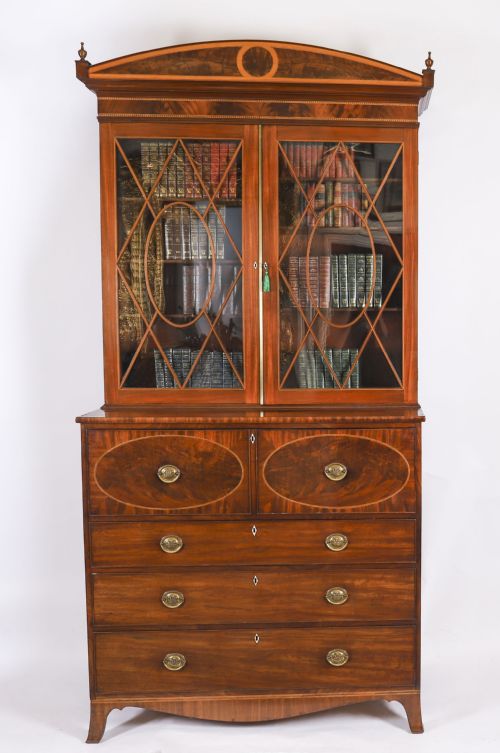

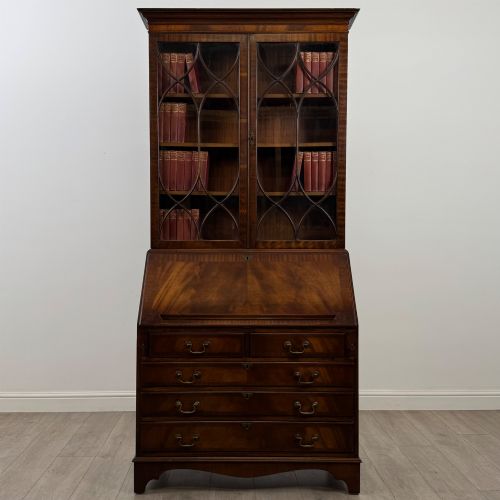
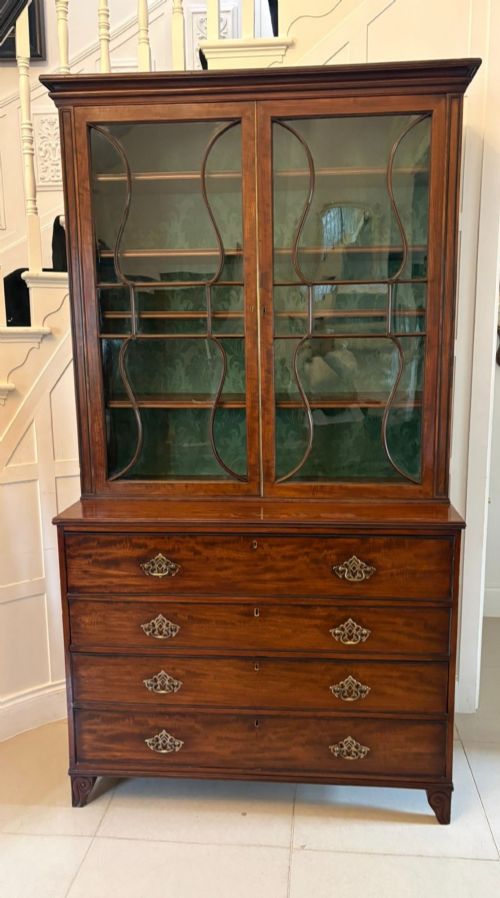
Georgian Glazed Cabinet Desk
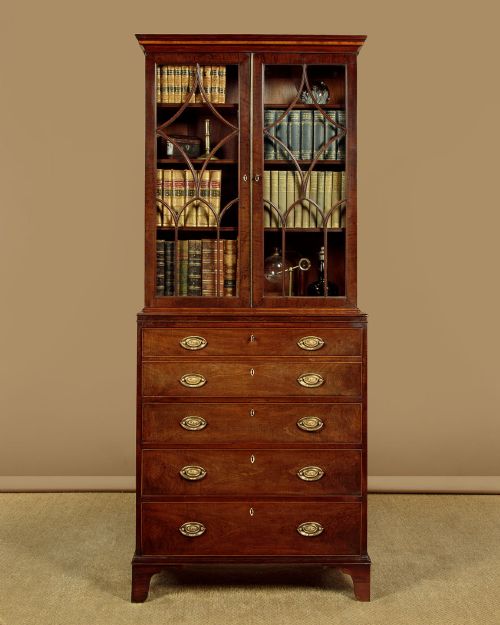
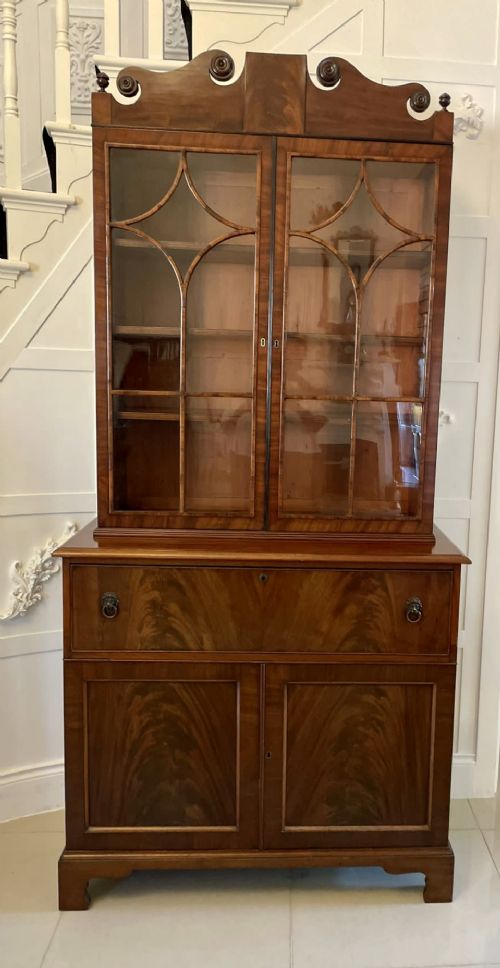
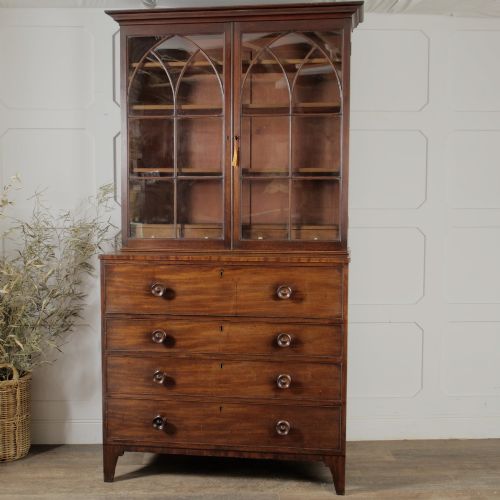
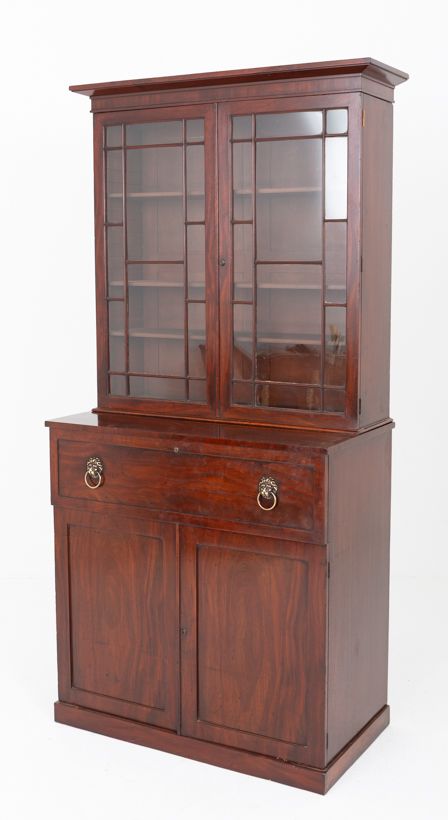
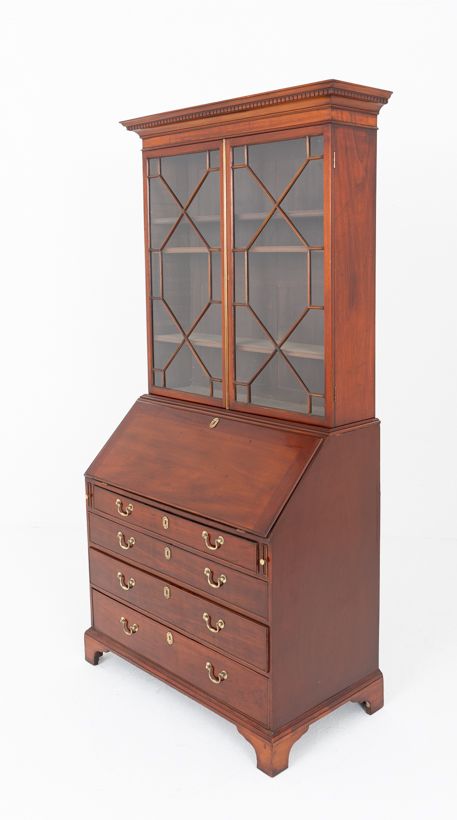
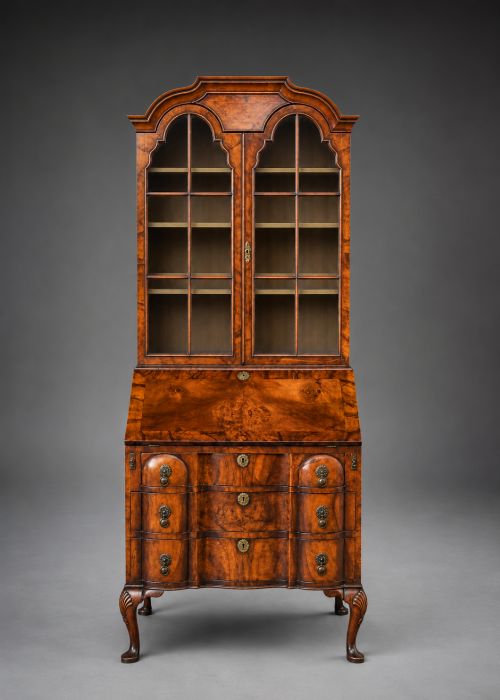
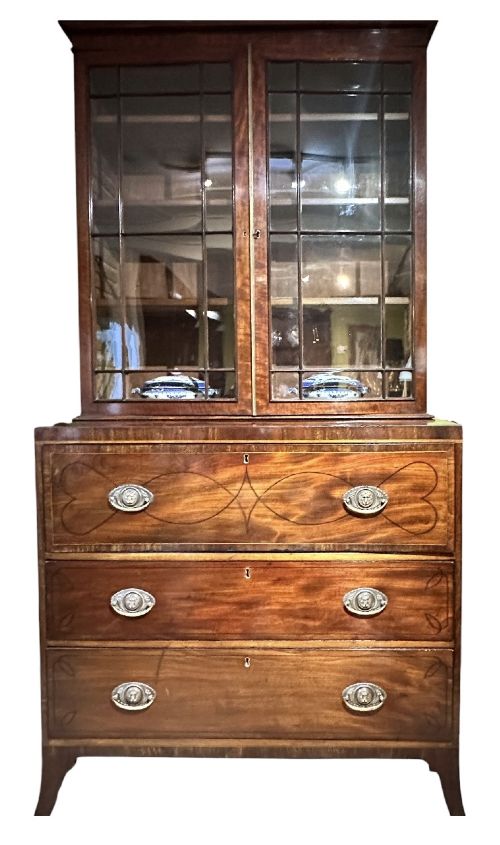
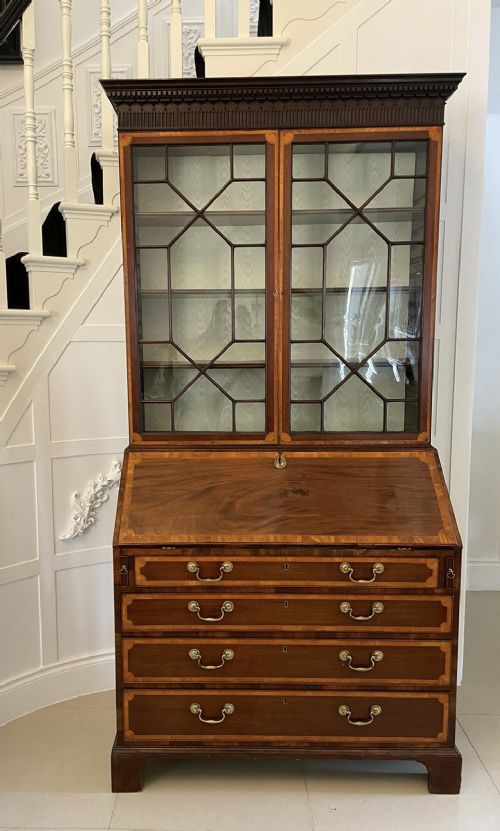
A georgian glazed cabinet desk combines a display top with a drop-front writing drawer, offering functional elegance for storage and daily correspondence.
Georgian Glazed Cabinet Desk
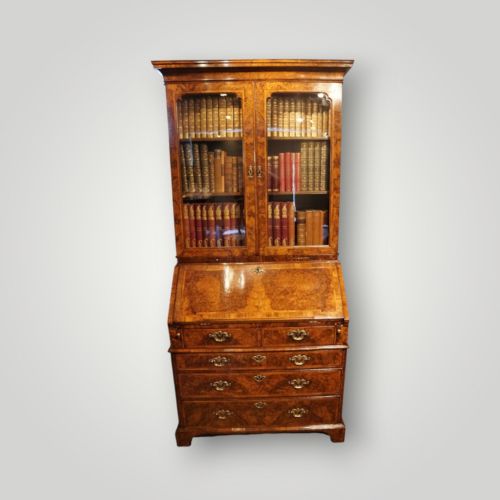
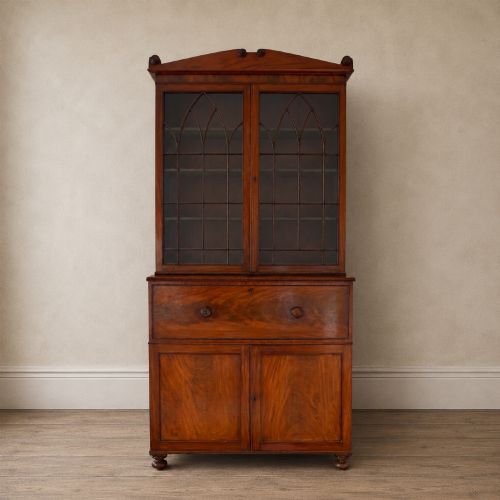
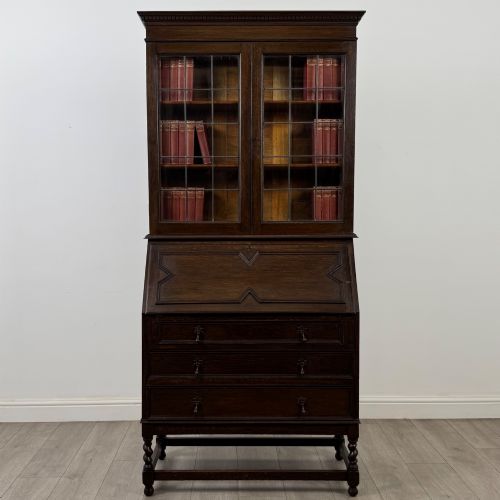
A georgian glazed cabinet desk principally appears as a secretaire bookcase or bureau bookcase, uniting upper glass-fronted shelves with a lower writing compartment. These pieces emerge predominantly from the 18th century and the Regency period, surviving in variations from tall proportions to smaller scaled examples.
Makers constructed these cabinets using diverse timbers including mahogany, walnut, oak, and satinwood, often pairing glazed upper doors with fitted interior drawers and pigeonholes. Variations span from George I and George II walnut models to George III and Regency mahogany pieces, alongside later Edwardian revivals.
Materials and Construction
Cabinet makers utilised solid and veneered timbers such as mahogany, flame mahogany, walnut, and satinwood, frequently embellishing surfaces with fine inlay. Structural elements incorporate glass for the upper doors, brass hardware for handles and escutcheons, and leather inserts for writing surfaces.
Interior sections utilise complex joinery to create fitted drawers, central cupboards, and pigeonholes within the drop-front secretaire drawer. Glazing bars hold individual glass panes within the upper cabinet doors, while lower sections often employ sturdy bracket feet or plinth bases.
The documented materials include glass, brass, mahogany, flame mahogany, walnut, satinwood, oak, and leather.
Judging Quality
The degree of refinement in timber selection and figuring largely dictates the distinction between standard and superior examples, with highly figured mahogany, flame veneers, and decorative satinwood marking the finer pieces. Finely executed inlay work and well-proportioned architectural cornices further separate exemplary cabinets from simpler utilitarian versions.
Internal complexity and the retention of original brasses, glass, and fitted interior components influence the standing of a piece. Superior execution is evident in the crispness of astragal glazing bars and the careful dovetailing of internal drawers.
Tudor and Burrey·Gillows of Lancaster
The Georgian Glazed Cabinet Desk Glossary
- Secretaire
- A desk or writing drawer featuring a drop-front flap that conceals small drawers and pigeonholes inside. This component forms the central writing surface of the cabinet.
- Astragal
- Moulding strips that divide the glass panes within the glazed cabinet doors. These wooden bars form geometric patterns across the upper section.
- Flame Mahogany
- A distinctive wood veneer cut from the fork of the mahogany tree to produce a flame-like pattern. Cabinet makers used this figure on prominent drawer fronts and doors.
- Satinwood
- A pale, hard timber utilised for decorative veneers and inlay work during the 18th century. It provides strong contrast against darker woods like mahogany.
Georgian Glazed Cabinet Desk: Frequently Asked Questions
What is a secretaire bookcase?
A secretaire bookcase is a tall piece of furniture featuring glazed doors above and a pull-out writing drawer with a drop front below. It combines a library bookcase with a compact bureau.
The internal fittings usually include small drawers and pigeonholes for correspondence, resting above lower storage drawers or cupboard doors.
How do I date a cabinet desk?
Dating relies on timber choices, construction methods, hardware, and stylistic details such as cornices and feet. Walnut predominantly indicates earlier periods, while mahogany and satinwood span the mid-to-late 18th century and Regency eras.
Secondary woods inside the drawers and the style of the glazing bars also offer clear chronological indicators for these pieces.
Were these used for writing?
These cabinets served as both working desks and display storage for books and valued objects. The drop-front drawer pulls out to provide a convenient writing surface without requiring a separate table.
Inside the drop front, compartments held stationery, inkwells, and private papers, keeping writing materials organised and concealed when closed.
How do I care for mahogany furniture?
Maintaining mahogany and other antique cabinet woods involves keeping them away from direct sunlight and extreme temperature fluctuations. Consistent indoor humidity prevents timber splitting and veneer lifting.
Periodic application of appropriate wax polish maintains the lustre of the polished wood surface without building up excessive residue.