
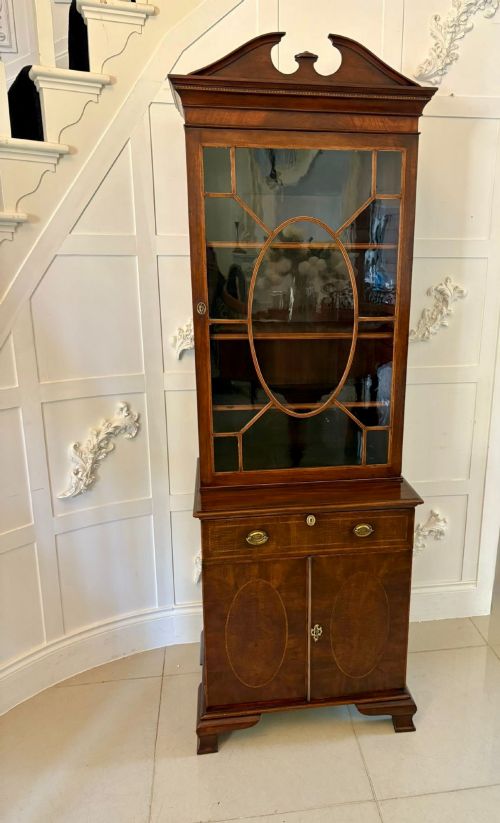
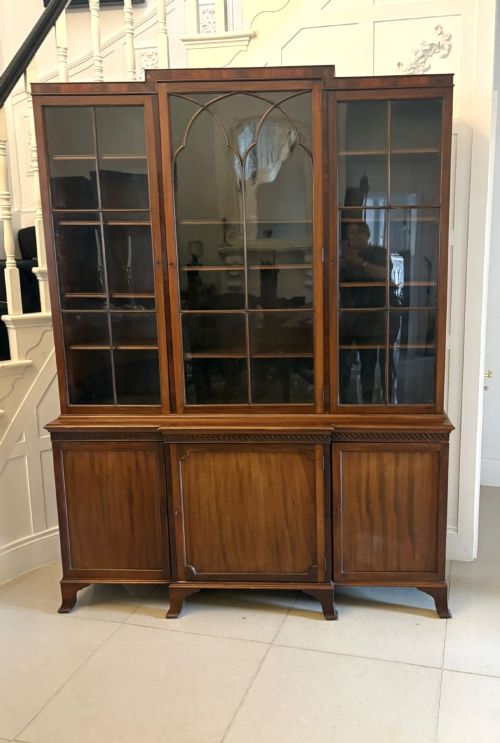
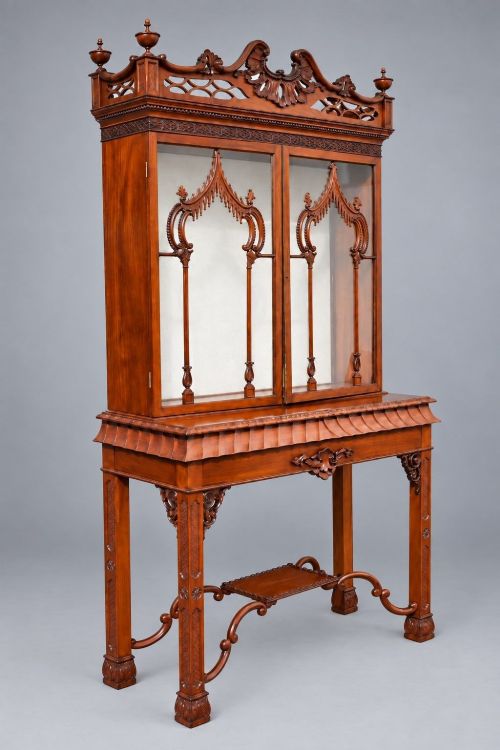


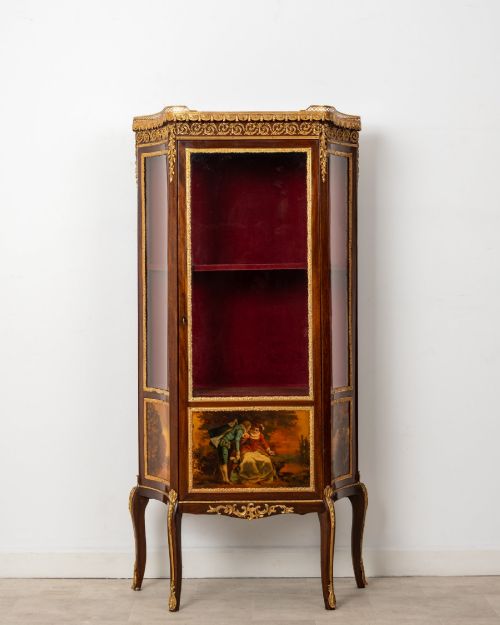
Glazed Mahogany China Cabinet
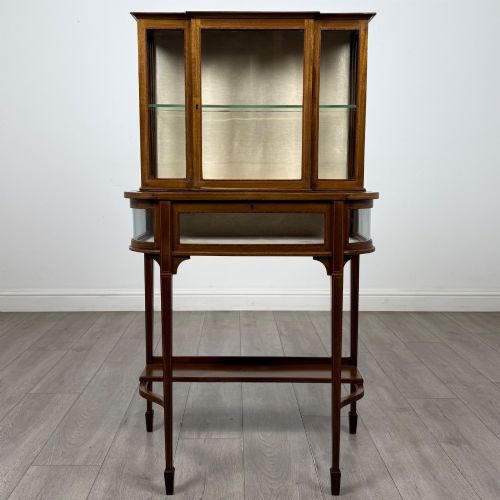
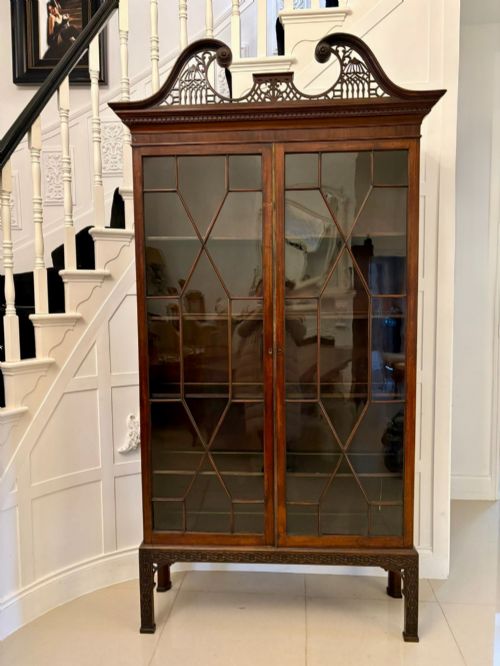
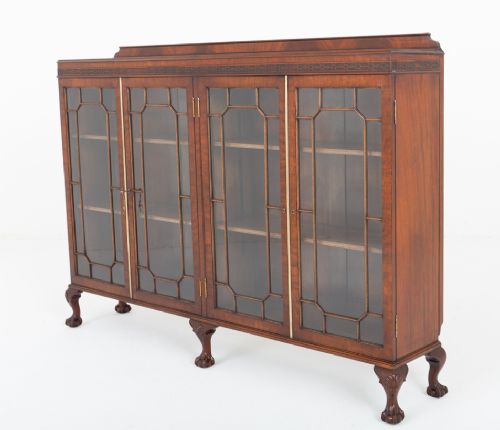
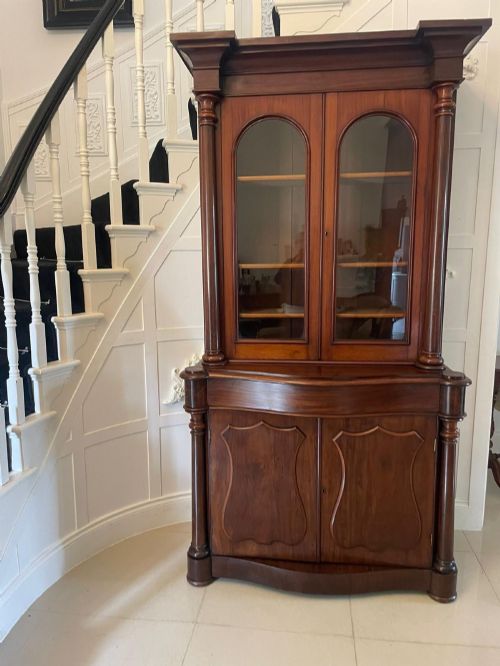
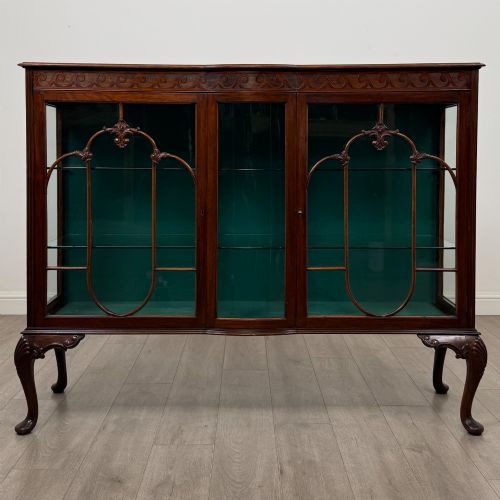
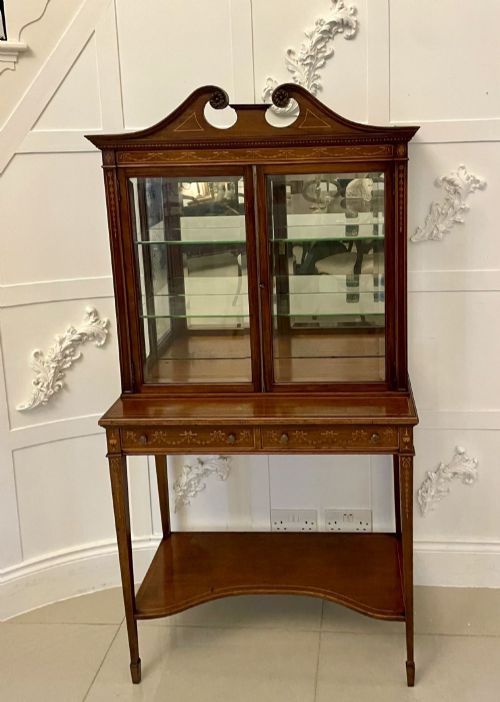
A glazed mahogany china cabinet brings together timber and glass to display porcelain where natural light reaches it.
Glazed Mahogany China Cabinet
A glazed mahogany china cabinet forms part of a broad family of storage and display furniture spanning the Georgian, Victorian, and Edwardian periods. Buyers search for these pieces to house collections behind glass panels while keeping dust at bay in domestic rooms.
Makers such as Jas Shoolbred, Edwards & Roberts, and Maple & Co. produced notable examples during the late nineteenth and early twentieth centuries. These makers often utilised Sheraton Revival and Chinese Chippendale styles alongside standard Victorian forms.
How they were made
Cabinet makers constructed the primary carcase and framing from mahogany, selecting boards for grain movement and colour depth. Secondary timbers often lined the interior shelves and backboards.
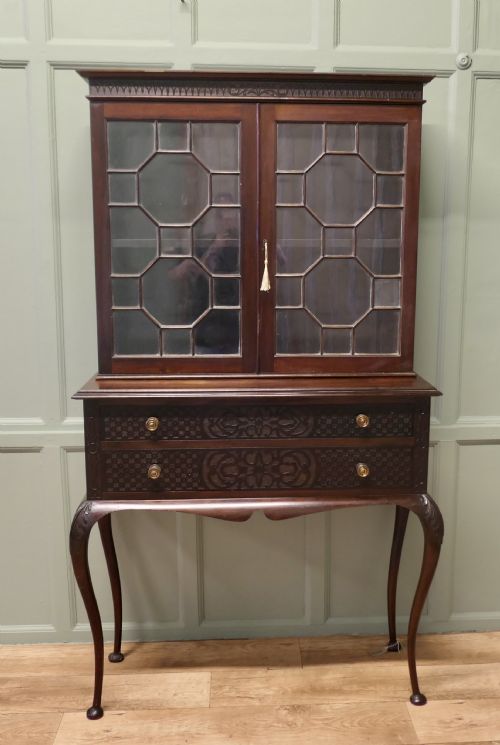
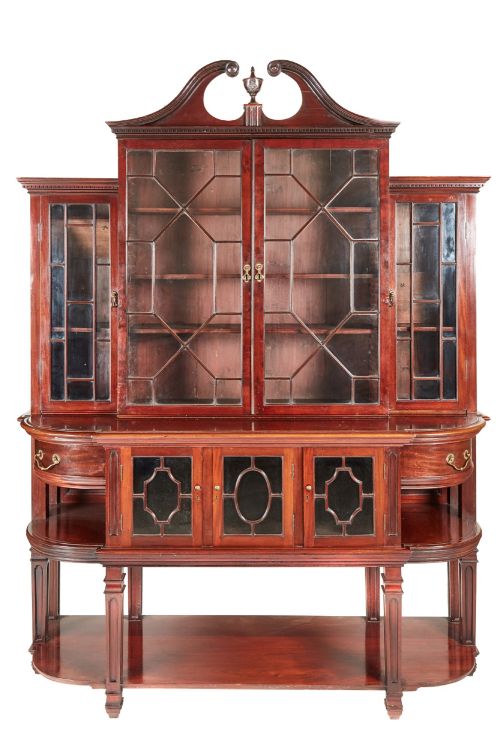
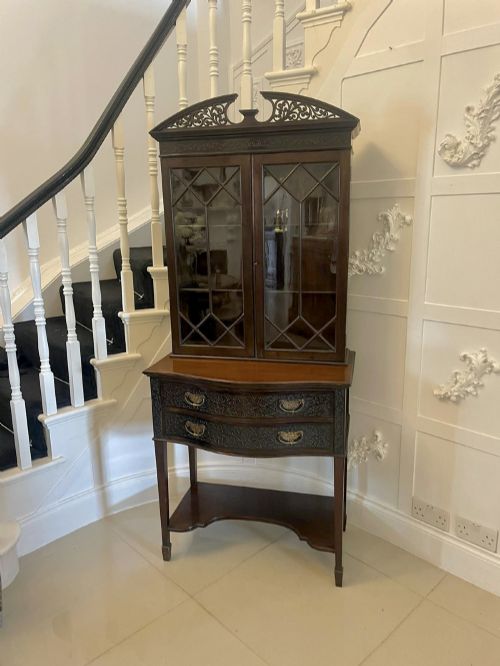
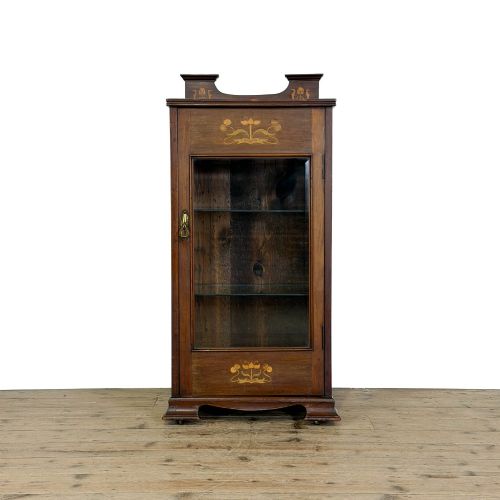
Glass panels were secured within wooden astragals or framework to form the doors, allowing visibility into the interior. Brass hardware served for hinges and locks, while satinwood inlay and marquetry provided surface ornament on Edwardian and Sheraton Revival pieces.
A Welsh kitchen dresser occasionally sneaks in among the refined London display cabinets, proving that even mahogany likes a rural view.
What varies in quality
The standard of timber selection and the precision of cabinet work separate standard utility items from pieces by prominent makers. Figured mahogany grain and balanced proportions indicate greater workshop care.
Decoration such as hand-painted details, fine satinwood inlay, and intricate astragal glazing add to the finish of the piece. The retention of original glass and internal fittings also influences the overall character.
Jas Shoolbred·Edwards & Roberts·Maple & Co.
The Glazed Mahogany China Cabinet Glossary
- Astragal
- The narrow wooden moulding that divides panes of glass within a glazed door. These dividers form geometric patterns across the front of the cabinet.
- Breakfront
- A piece of furniture where the central section projects forward from the flanking wings. This architectural arrangement creates depth and visual interest.
- Marquetry
- The art of applying veneer pieces in decorative patterns to a surface. Makers used contrasting woods to create floral or geometric motifs.
- Sheraton Revival
- A late nineteenth and early twentieth-century design movement inspired by eighteenth-century neoclassical furniture. These pieces feature lighter proportions and delicate inlay.
- Vernis Martin
- A type of simulated Japanese lacquer developed in France. It appears on select continental-influenced display cabinets.
Glazed Mahogany China Cabinet: Frequently Asked Questions
What periods do these cabinets date from?
The pieces span from the late eighteenth century through the Victorian and Edwardian eras into the early twentieth century. Most examples seen here originate from the nineteenth and early twentieth centuries.
Georgian and Victorian pieces tend to show heavier proportions, while Edwardian versions frequently incorporate Sheraton Revival styling and lighter inlay work.
How were glazed mahogany china cabinets used?
These cabinets served in dining rooms and drawing rooms to store and display ceramic collections, glassware, and books. The glazed doors protected delicate porcelain from dust while keeping it visible.
Corner cupboards and floor-standing cabinets maximised floor space in domestic interiors while providing secure storage for valued household items.
How do I identify a Sheraton Revival piece?
Sheraton Revival cabinets date predominantly from the Edwardian period and draw inspiration from late eighteenth-century neoclassical designs. They often feature satinwood inlay and lighter framing.
These pieces emphasise symmetry and refined surface ornament rather than heavy carving.
How do I care for mahogany and glass?
Maintain the timber with appropriate wax polish applied sparingly to preserve the finish and natural grain. Avoid placing the cabinet in direct sunlight to prevent timber fading.
Clean the glass panels with standard solutions while taking care not to moisture-damage the surrounding wooden astragals.