


Georgian Derby Porcelain
Georgian Derby porcelain spans delicate painted figures, botanical plates and functional tableware made during the eighteenth and early nineteenth centuries.
Georgian Derby Porcelain
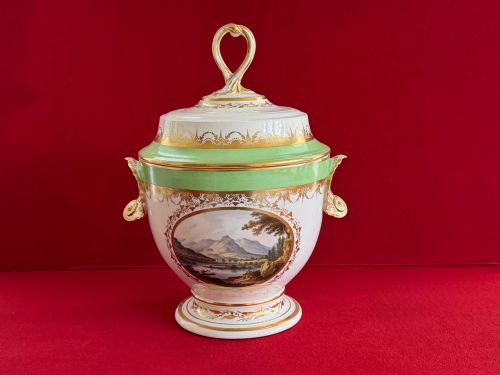
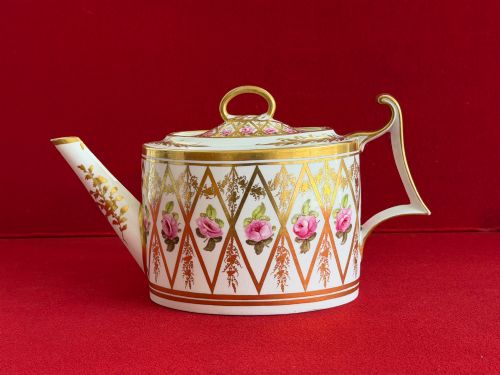
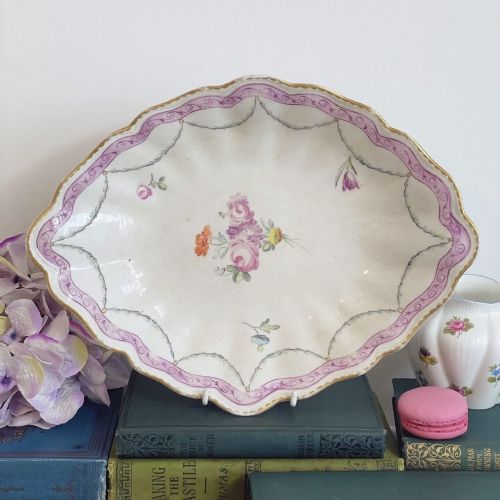
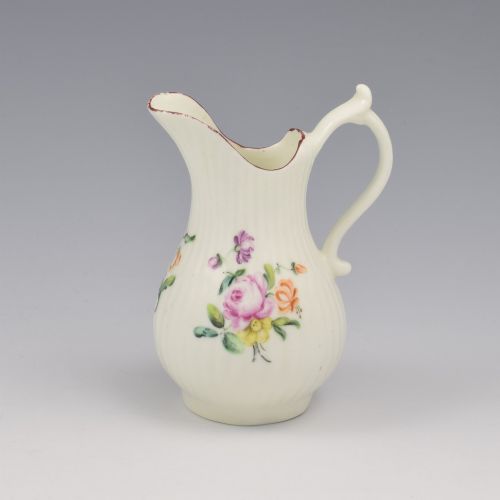
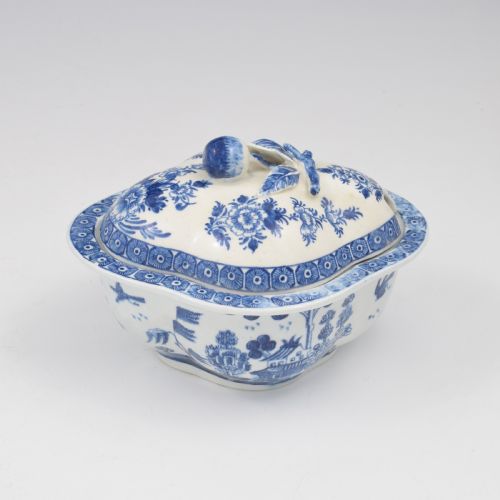
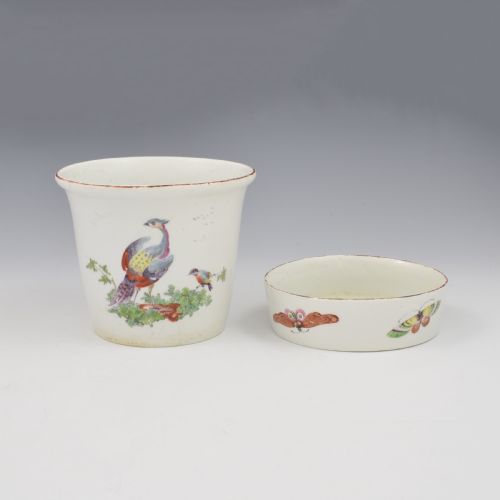
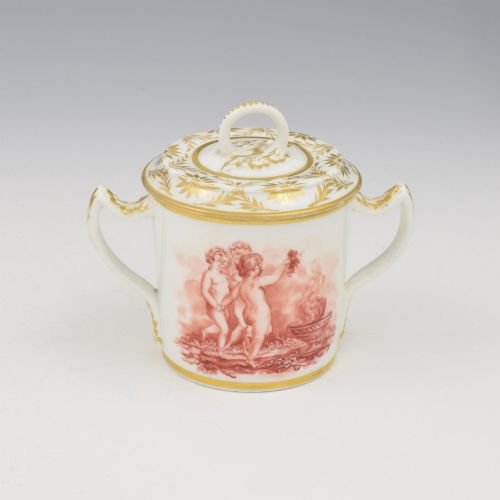
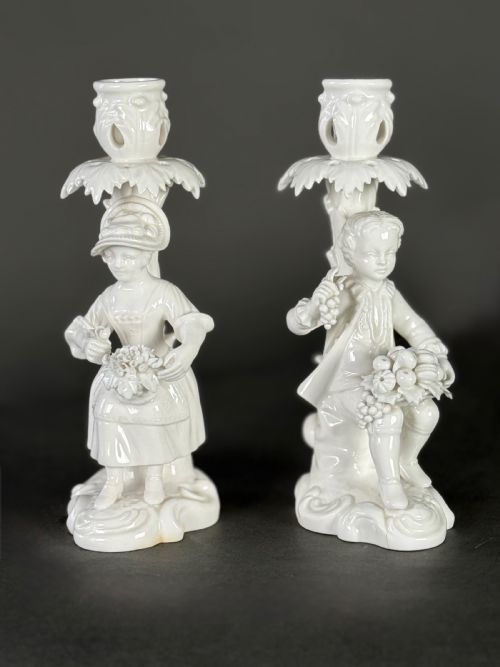
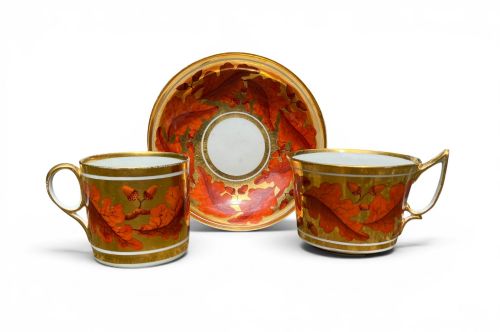
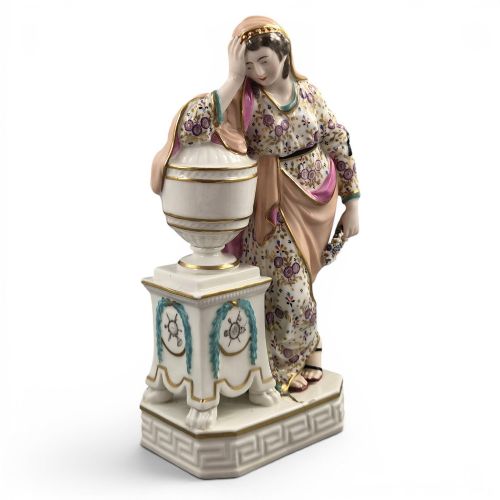
Georgian Derby porcelain encompasses a diverse array of domestic tablewares and ornamental figures produced in Derbyshire during the Georgian and Regency eras. Buyers encounter functional forms such as teapots, cream jugs, coffee cans and tureens alongside sculptural figures, candlesticks and decorative vases.
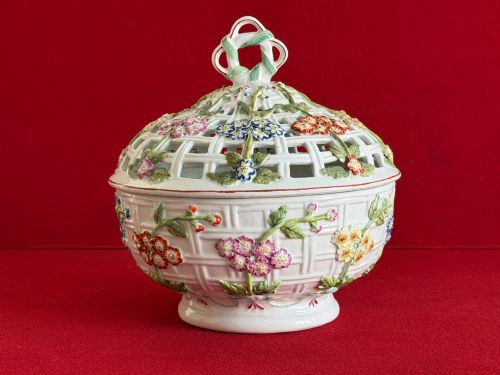
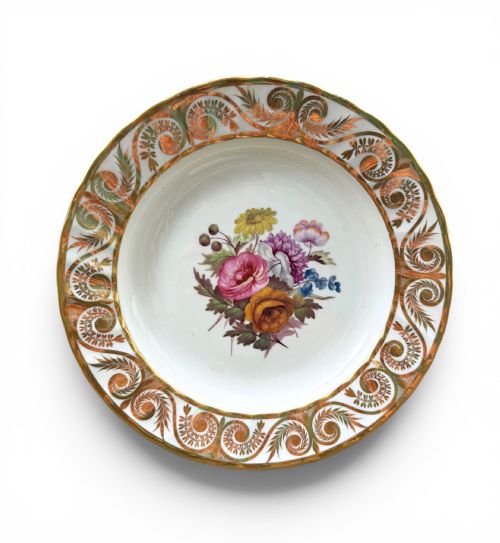
The material ranges from early soft-paste bodies and unglazed biscuit porcelain to later refined paste formulations. Surviving examples often display hand-painted botanical studies, landscapes, armorial crests or polychrome floral sprays.
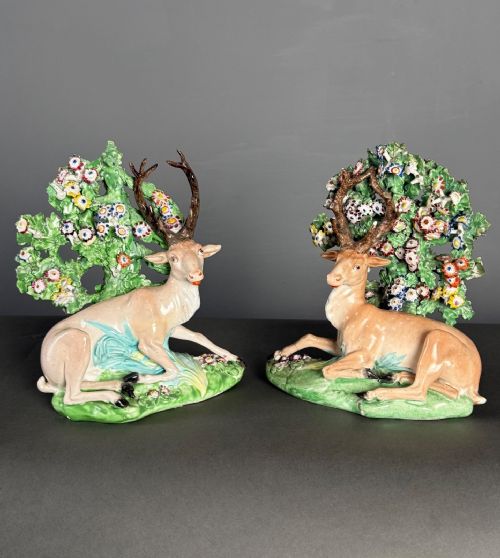
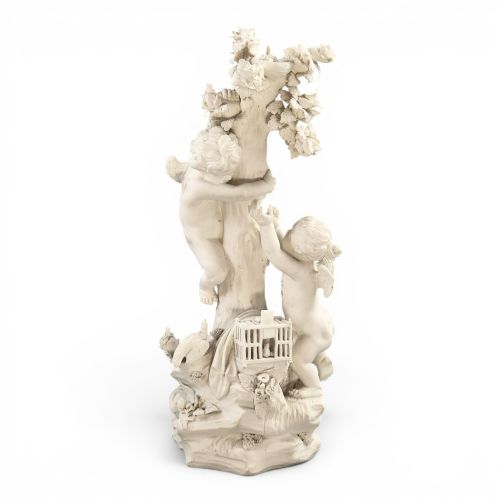
Figural works frequently depict pastoral subjects, mythological characters or animals framed by applied floral encrustations and bocage foliage. These pieces reflect the transition from eighteenth-century Rococo modelling towards more formal Regency styles.
How they were made
Early wares utilise soft-paste porcelain bodies fired at lower temperatures, which yielded a warm, slightly translucent ground suited to underglaze blue painting and enamel decoration. Biscuit porcelain required no glaze, allowing fine sculptural details in figures and portrait busts to remain crisp and matte.
Pinted decoration relied on skilled hands applying enamels and gold leaf or gilding over the glaze before secondary firing in a kiln. Potters formed hollow wares and figures using press-moulding techniques, assembling multi-part figures by hand before finishing the surfaces.
Several sheep figurines manage to look mildly startled despite being made entirely of fired clay.
What varies in quality
Quality in these ceramics depends heavily on the precision of the modelling and the finesse of the hand-painted details. Superior pieces exhibit carefully painted landscapes, botanicals or armorial crests executed by named artists, whereas standard domestic wares feature repetitive factory patterns.
The clarity of the porcelain body and the crispness of applied elements such as bocage foliage or frill work differentiate standard production from exceptional studio output. Preservation of delicate enamel colours and gold gilding also determines the standing of an individual piece.
George Robertson·Moses Webster·Thomas Steele·Zachariah Boreman·Duesbury and Kean·Bloor Derby
The Georgian Derby Porcelain Glossary
- Soft-paste porcelain
- An early ceramic composition of glass frit and white clay that created a warm, translucent body before hard-paste formulas became standard.
- Biscuit porcelain
- Unglazed ceramic fired to a matte finish, frequently utilised for classical figures and portrait busts to emphasise sculptural modelling.
- Bocage
- Applied ceramic foliage and background greenery framing eighteenth-century figural groups.
- Coffee can
- A straight-sided cylindrical porcelain cup used for drinking coffee during the Georgian period.
- Imari pattern
- A decorative scheme employing underglaze blue, iron red and gold gilding, inspired by Japanese export wares.
Georgian Derby Porcelain: Frequently Asked Questions
What is biscuit porcelain?
Biscuit porcelain is an unglazed ceramic material that is fired to a matte, stone-like finish. This surface treatment allowed makers to highlight the sharp details of sculptural figures.
Evolving from eighteenth-century studio traditions, this technique was frequently used for classical subjects and portrait busts where gloss would obscure fine modelling.
How do I identify a Bloor period piece?
Bloor Derby items date from the nineteenth century when Robert Bloor managed the factory. They often feature rich gilding and vibrant botanical paintings.
These later pieces reflect Regency tastes, moving away from earlier Rococo forms toward bolder armorial designs and detailed landscape scenes.
Were these figures used as toys?
These porcelain figures were strictly ornamental items displayed on mantelpieces, side tables and cabinets by wealthy households. They served as conversation pieces rather than playthings.
Many incorporated mythological or pastoral themes popular among collectors of the period.
What is a coffee can?
A coffee can is a small, straight-sided cylindrical cup without a foot rim, designed specifically for drinking coffee during the Georgian era. They often featured ear-shaped handles.
These vessels were frequently decorated with named landscape views, armorial crests or Imari patterns.