



Antique Porcelain Lidded Dish
An antique porcelain lidded dish brings tangible craft and history to a table, offering both decorative form and practical storage for small treasures.
Antique Porcelain Lidded Dish
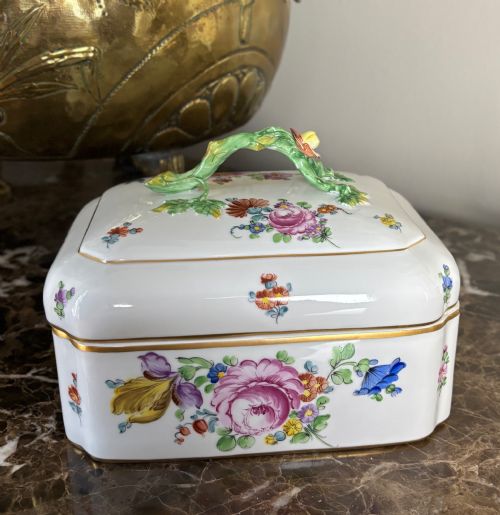
When you search for an antique porcelain lidded dish, you encounter a diverse selection of vessel types designed for the table and the boudoir. The listings span multiple periods from the eighteenth century through to the Art Deco era of the nineteen-thirties, reflecting changing domestic tastes.
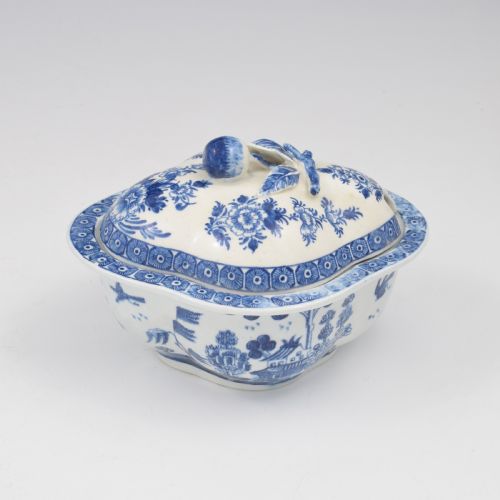
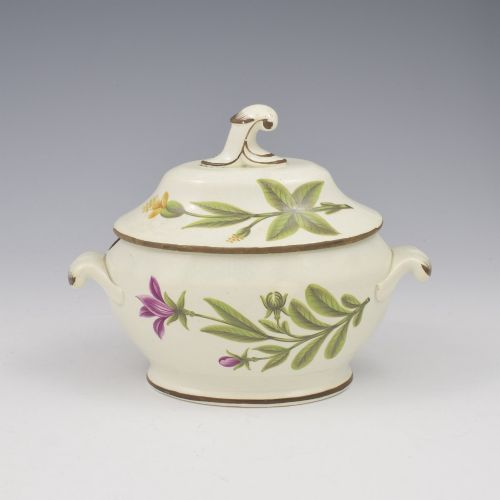
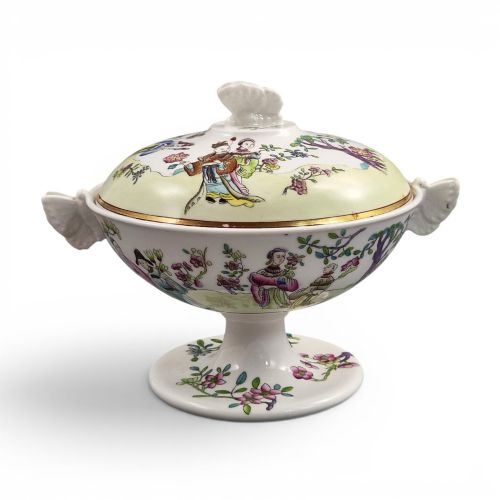
The objects take many forms, including sauce tureens, sugar boxes, trinket containers, powder boxes, and larger potpourri bowls. English and continental potteries dominate the selection, showing both utility and ornamental design.
Georgian and nineteenth-century pieces often present traditional botanical or Chinoiserie patterns, whilst later twentieth-century examples embrace French ceramic styling and distinct Art Deco geometry.
Materials and Technique
Makers shaped these covered vessels using ceramic materials such as standard porcelain, ironstone, and pearlware. Firing achieved durable bodies capable of holding glazes and detailed hand-painted scenes.
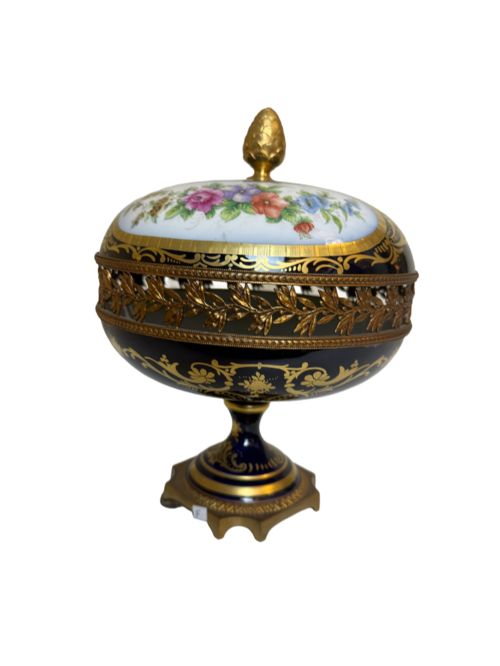
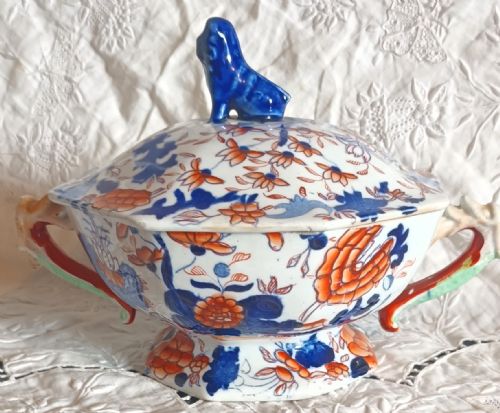
Decoration relied on applied enamel colours, intricate gold leaf accents, and cobalt blue underglaze motifs. Artisans combined these techniques to produce rich surface patterns like Imari designs and botanical studies.
Evaluating Quality
The distinction between standard utility wares and finer cabinet pieces rests on the execution of the painting and the crispness of the porcelain moulding. Hand-painted botanical motifs and careful gilding elevate a piece above routine transfer-printed items.
Well-preserved surfaces with intact gold leaf, vibrant enamel colours, and crisp painted details command attention. The integration of the cover with the base and the survival of matching stands or ladles also define the upper tier of these objects.
Derby Porcelain·Swansea·Spode·Limoges·Mason's Ironstone·Dresden·Royal Crown Derby·Meissen·Flight Barr and Barr Worcester·Coalbrookdale
The Antique Porcelain Lidded Dish Glossary
- Tureen
- A deep covered dish used traditionally for serving soups, sauces, or gravies at the dining table. These often sit upon matched ceramic stands.
- Ironstone
- A heavy, durable type of earthenware patented in the nineteenth century to imitate true porcelain. It resists chipping and bears bold transfer-printed or hand-painted patterns.
- Pearlware
- A refined earthenware developed during the Georgian period featuring a pale bluish glaze that pooled in crevices. It served as an affordable alternative to porcelain.
- Bonbonniere
- A small decorative box or dish intended to hold sweets or bonbons. These pieces frequently feature hinged or loose lids and detailed surface painting.
- Imari
- A decorative style inspired by Japanese export wares, characterised by a palette of cobalt blue, iron red, and gilt. European potteries frequently copied these bold patterns.
Antique Porcelain Lidded Dish: Frequently Asked Questions
What were lidded porcelain dishes used for?
These covered vessels served varied roles in the domestic sphere, from holding sauces and sugar at the dining table to containing cosmetics and trinkets on a dressing table.
Larger covered bowls functioned as tureens for serving food, whilst smaller boxes secured precious items in private rooms.
How do I care for antique porcelain?
Wash antique pieces by hand in warm water using a mild detergent, avoiding abrasive sponges or modern dishwashers that can damage delicate glazes.
Keep pieces away from sudden temperature changes and protect gilt surfaces from harsh chemical cleaners.
How do I identify a Georgian piece?
Georgian items often feature early paste bodies like pearlware or fine bone china, accompanied by hand-painted botanical studies or early blue and white transfer prints.
Look at the form and weight of the ceramic, as eighteenth and early nineteenth-century pieces display distinct potting techniques compared to later mass-produced wares.
What is ironstone?
Ironstone is a sturdy, dense ceramic material developed in the nineteenth century to provide a durable alternative to expensive porcelain.
Factories utilised this robust body for heavy-use items like tureens and large platters, often decorating the surface with vibrant Chinoiserie or Imari patterns.