

Georgian Dark Wood Cupboard
A georgian dark wood cupboard brings rich timber grain and period utility to any room, offering versatile storage in mahogany and oak.
Georgian Dark Wood Cupboard
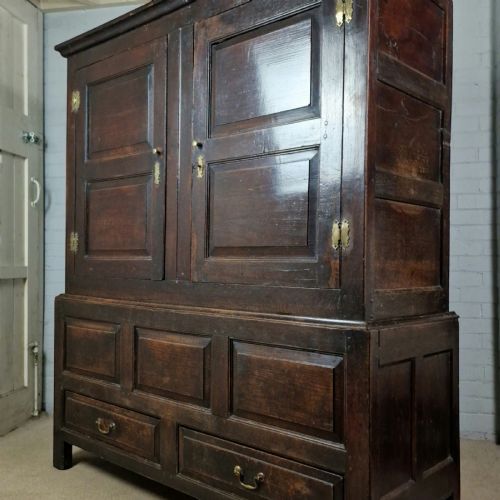
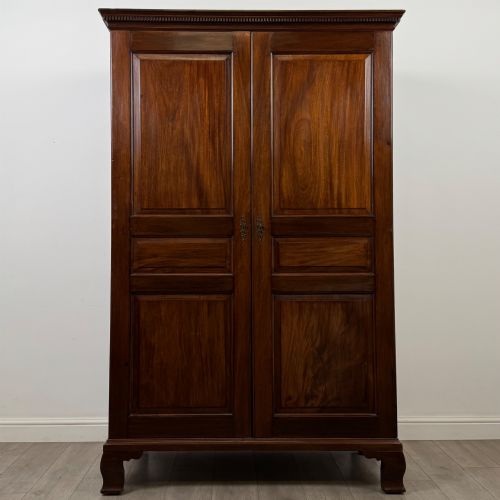
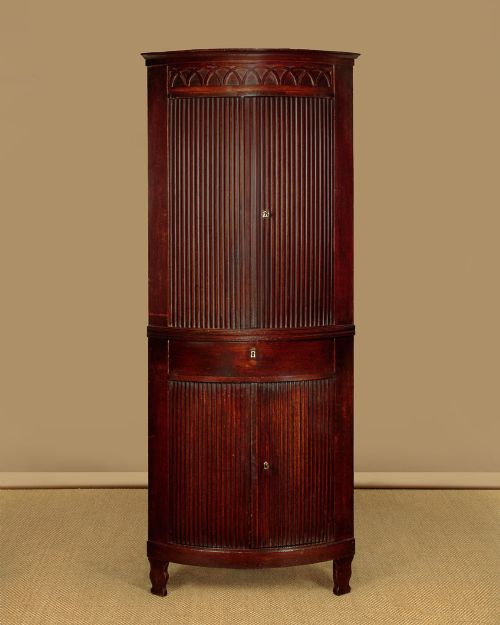
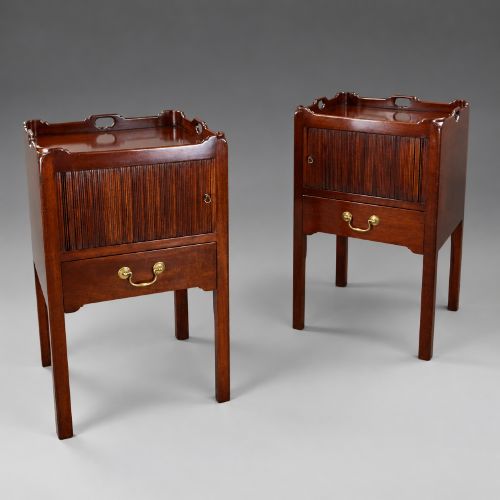
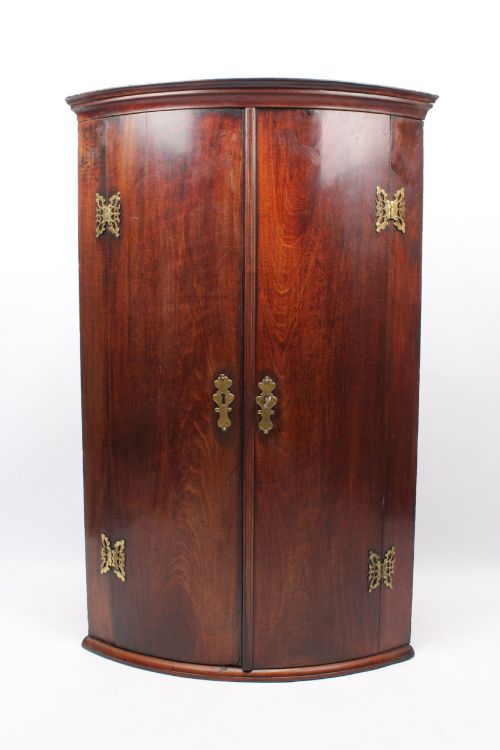
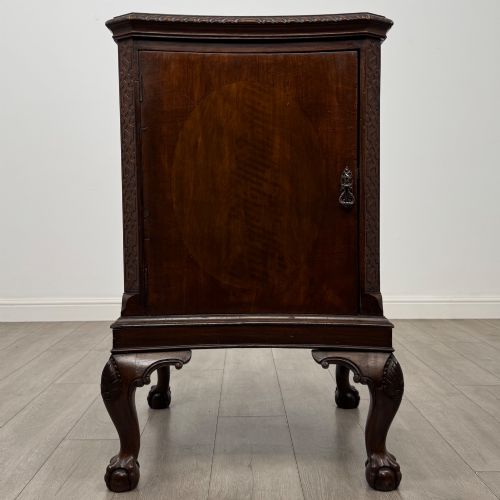
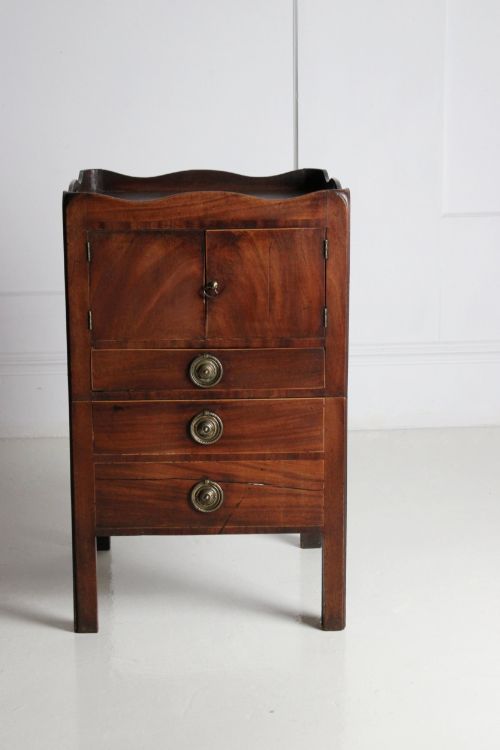
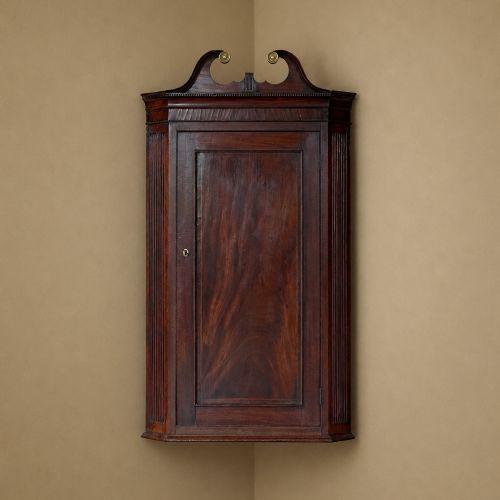
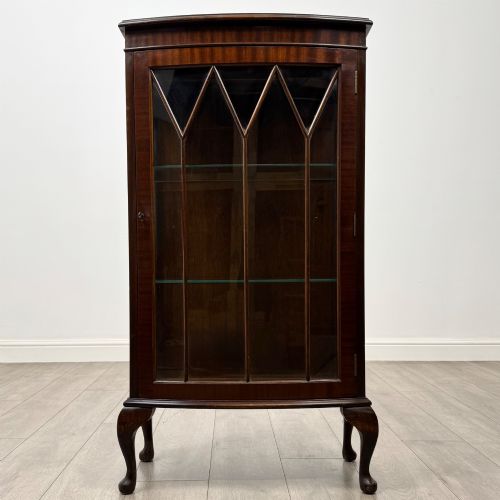
A georgian dark wood cupboard encompasses a wide range of storage forms, from corner cabinets and bedside night tables to substantial linen presses and display cases. The pieces span periods including the Georgian era, the nineteenth century, and later revivals, reflecting shifts in domestic storage needs.
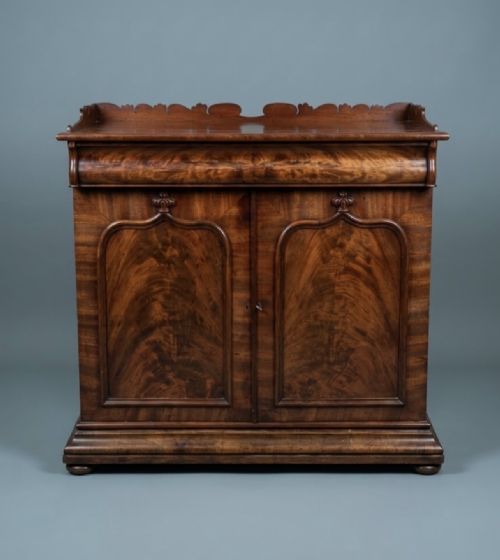
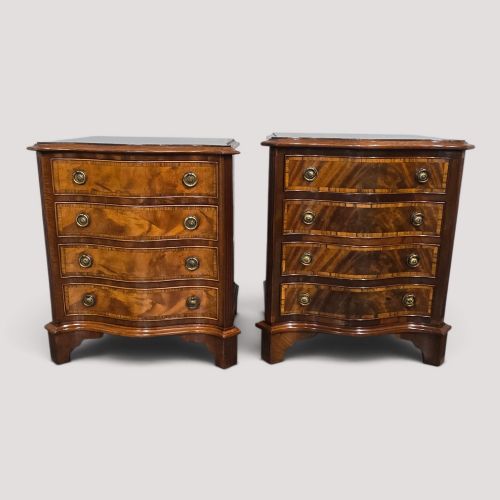
Mahogany and oak dominate the selection, often enriched with flame veneer, satinwood, or boxwood stringing. Most examples function as corner cupboards, bedside cabinets, or side storage units designed for domestic interiors.
The assortment includes hanging wall cupboards, floor-standing double height pieces, and bedside chests. Buyers encounter both authentic eighteenth-century forms and later revival pieces from the Edwardian period and the twentieth century.
What varies in quality
The selection of timber grain largely dictates the visual merit of a piece, particularly where figured mahogany or flame veneers are employed. Finer examples display carefully matched grain patterns across doors and drawer fronts.
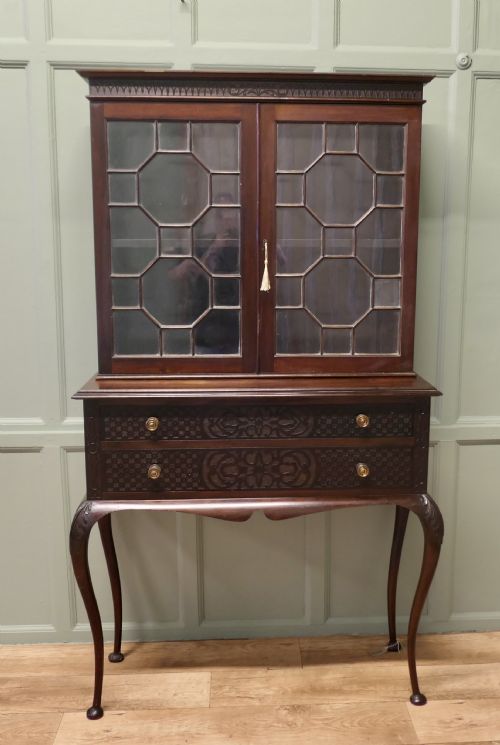
Proportion and decorative restraint distinguish superior cabinet work, especially in pieces referencing Chippendale or Sheraton styles. Subtle details such as fine stringing, brass mounts, and original hardware elevate the standing of individual cabinets.
Many a midnight visitor has mistaken a discreet eighteenth-century bedside pot cupboard for a dignified miniature bookcase.
The Georgian Dark Wood Cupboard Glossary
- Linen Press
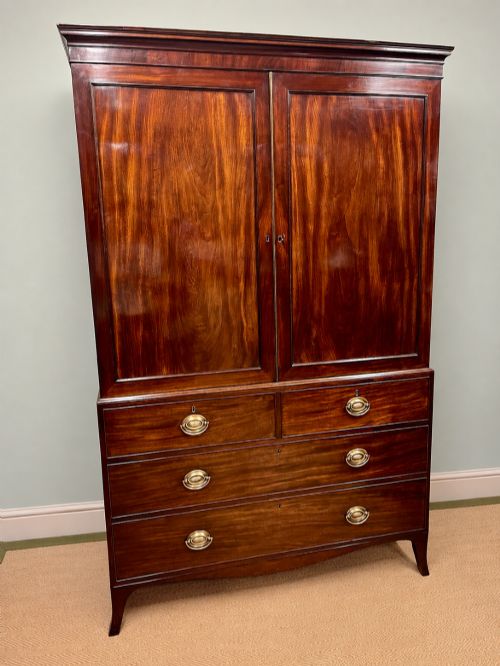
- A tall storage piece designed for textiles, typically featuring upper doors enclosing sliding trays and lower drawers. These items formed an essential part of period bedroom furniture.
- Pot Cupboard
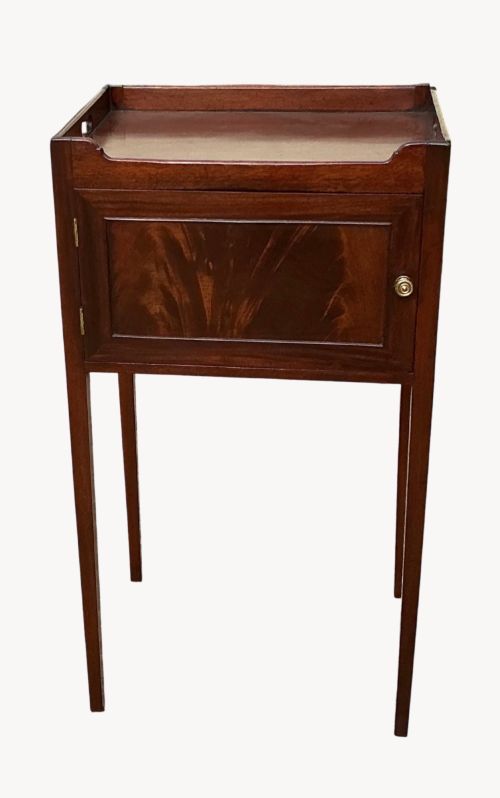
- A compact bedside table or cabinet originally constructed to house a chamber pot. They frequently feature enclosed cupboards or tray tops.
- Astral Glazing
- A network of wooden bars dividing glass panes within a cabinet door. This technique defines many display cabinets and bookcases.
- Chiffonier
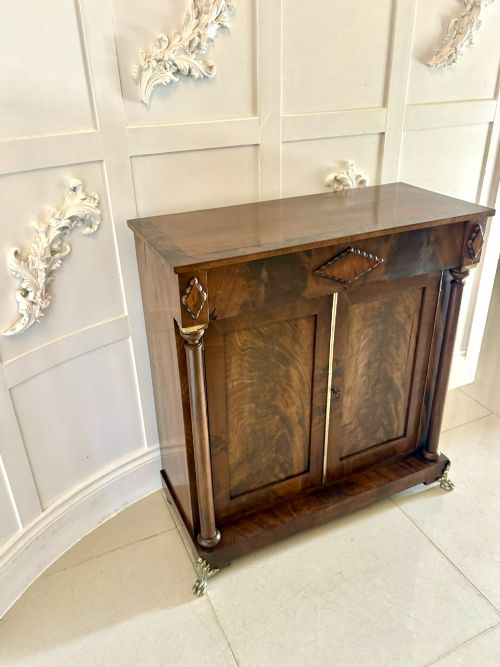
- A low sideboard or cabinet developed in the Regency period, often fitted with enclosed shelving and drawers. They served practical storage roles in dining and living rooms.
- Stringing
- A narrow inlay of contrasting wood, such as satinwood or boxwood, inserted into dark timber surfaces to create linear decoration. It outlines panels and drawers on finer furniture.
Georgian Dark Wood Cupboard: Frequently Asked Questions
What is a pot cupboard?
A pot cupboard is a small bedside cabinet historically designed to house a chamber pot behind an enclosed door. They often include a tray top or surface rail to secure items placed on top.
Today, these compact pieces function well as bedside tables or small lamp stands in various rooms.
How do I identify a linen press?
A linen press is a substantial piece comprising upper doors that open to reveal sliding trays or shelves, positioned above a base of wider drawers. They were built to store folded textiles and garments before fitted wardrobes became common.
These taller items provide considerable storage capacity while displaying significant timber grain on their front facades.
Where were corner cupboards placed?
Corner cupboards were built specifically to fit into room angles, making efficient use of otherwise wasted space. Hanging versions mounted directly to walls, while standing variants rested on the floor.
They served to store tableware, glassware, or household provisions in dining rooms and parlours.
What timber was used most often?
Mahogany and oak form the vast majority of these cabinets, selected for their durability and rich colour. Craftsmen also applied flame mahogany veneer and decorative inlays of satinwood and boxwood.
Secondary woods such as deal or pine frequently appear in internal drawer linings and backboards.