

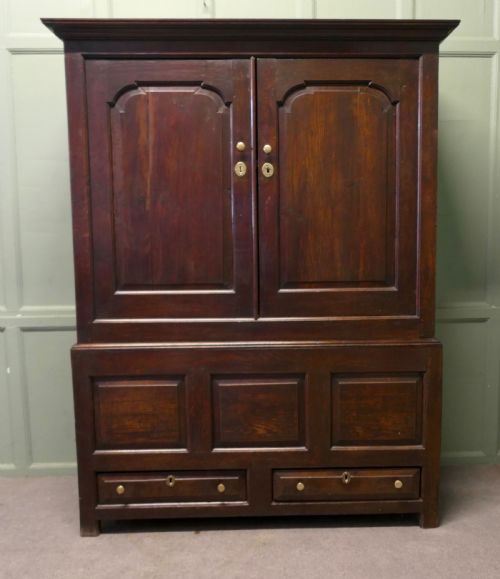
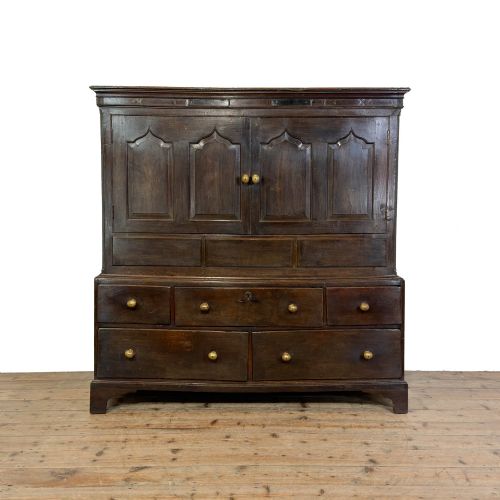


Traditional Oak Linen Press
A traditional oak linen press is a substantial piece of storage furniture designed to hold textiles, and buyers seek them for their warm timber grain and historic utility.
Traditional Oak Linen Press
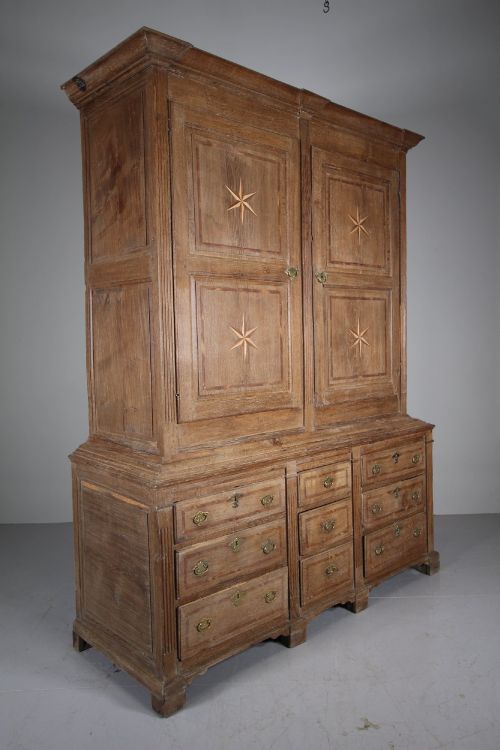
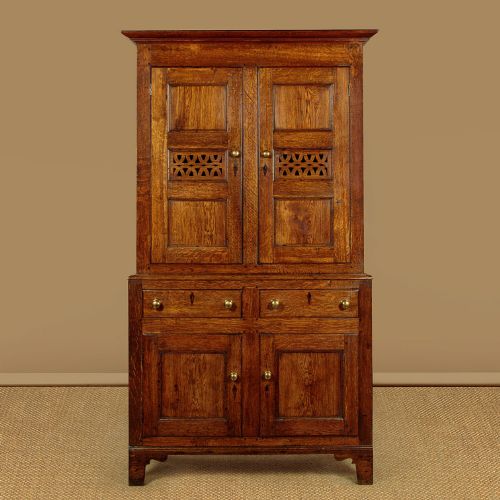
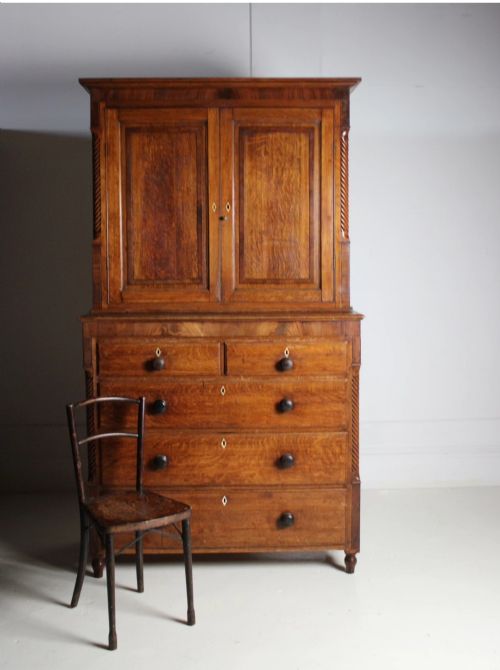
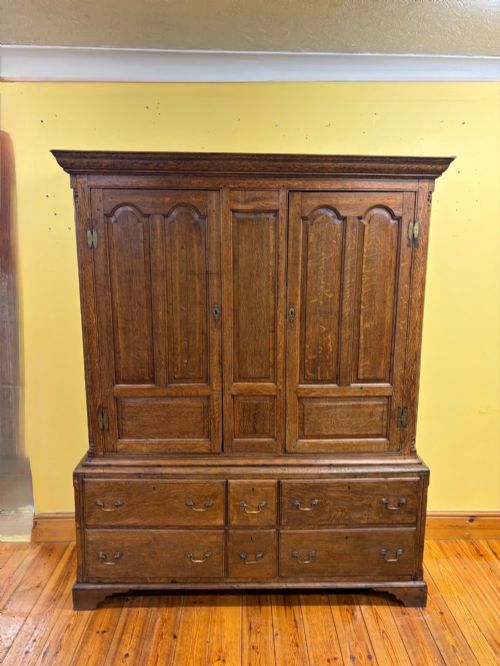
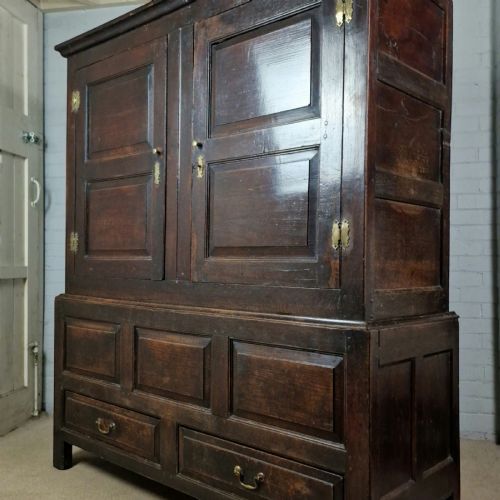
A traditional oak linen press typically presents as a tall, two-part piece of furniture combining upper cupboard doors with lower drawers. These items span the eighteenth and nineteenth centuries, reflecting Georgian and Victorian domestic storage needs.
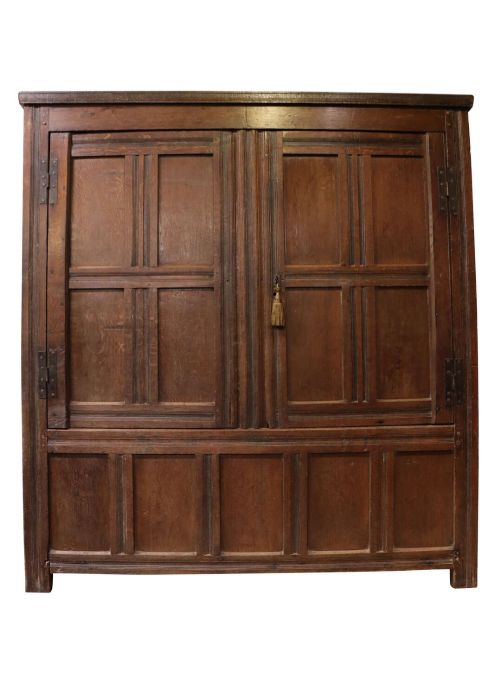
Most examples rely heavily on solid oak construction, though certain regional pieces incorporate secondary timbers such as mahogany or deal. Buyers encounter everything from low press cupboards to large estate pieces intended for principal chambers or linen rooms.
What varies in quality
Quality in these pieces rests upon the crispness of the timber's figuring, the proportion of the proportions, and the integrity of the original construction. Superior examples retain their original backboards, brassware, and internal sliding trays without heavy timber replacement.
Regional vernacular pieces demonstrate varying levels of joinery sophistication, ranging from rustic country craftsmanship to refined urban Georgian cabinet work. The balance between the upper cupboard and the lower chest proportion defines the visual success of the piece.
Traditional Oak Linen Press Retail Price Guide 2026
Typical asking prices for traditional oak linen press among the pieces listed under this phrase on Sellingantiques today, from the lower quarter to the upper quarter. They describe what is for sale here now, not the wider market.
Listings feature oak alongside secondary materials like brass, iron, glass, and mahogany across Georgian and Victorian periods.
The Traditional Oak Linen Press Glossary
- Linen press
- A tall cupboard featuring internal sliding trays or shelves originally designed for storing folded linen flat. These units usually sit above a chest of drawers forming a unified carcass.
- Livery cupboard
- An early form of ventilated storage cabinet used for food or household provisions before dedicated domestic pantries became standard. They frequently feature turned spindles or pierced splats for air circulation.
- Housekeeper's cupboard
- A large storage cabinet traditionally kept in the domestic quarters of large estates for household linens, dry goods, and account books. They offer extensive shelving and deep lower drawers.
- Deuddarn
- A traditional Welsh two-tier or three-tier press cupboard constructed in native oak. These regional pieces often display carved ornamentation and panelled doors peculiar to rural Welsh workshops.
- Coffer
- A heavy wooden chest used for general storage before fitted wardrobes and chests of drawers became common. Examples often feature boarded or panelled oak construction with hinged lids.
Traditional Oak Linen Press: Frequently Asked Questions
What is a traditional oak linen press?
A traditional oak linen press is a large piece of furniture designed to store linens and clothing, typically featuring upper doors enclosing shelves or trays above a base of lower drawers.
These pieces date predominantly from the eighteenth and nineteenth centuries, originating from English and Welsh rural workshops as well as urban cabinet makers.
How were linen presses originally used?
Households used these cupboards to store freshly laundered sheets, tablecloths, and garments flat within sliding trays to keep them pressed without heavy irons.
They stood in bedrooms, dressing rooms, and linen corridors of country houses and domestic properties to protect textiles from dust and dampness.
How do I fit one into a modern home?
These substantial cupboards provide exceptional vertical storage for contemporary bedrooms, hallways, or living spaces, replacing modern wardrobes with historic character.
Measuring ceiling height and doorway clearance remains essential before placement, as these solid oak pieces are heavy and often do not dismantle completely.
How can I tell the period of an oak press?
Examining the construction methods, such as hand-cut dovetails in the drawers, pegged joints in the frame, and the style of moulding, helps determine the age. Eighteenth-century pieces often display simpler, heavier vernacular framing, whereas Georgian and Victorian examples show refined architectural details.