





Georgian Cordial Glass
A georgian cordial glass is a small vessel for potent spirits, prized for its tactile heft and delicate stemwork.
Georgian Cordial Glass
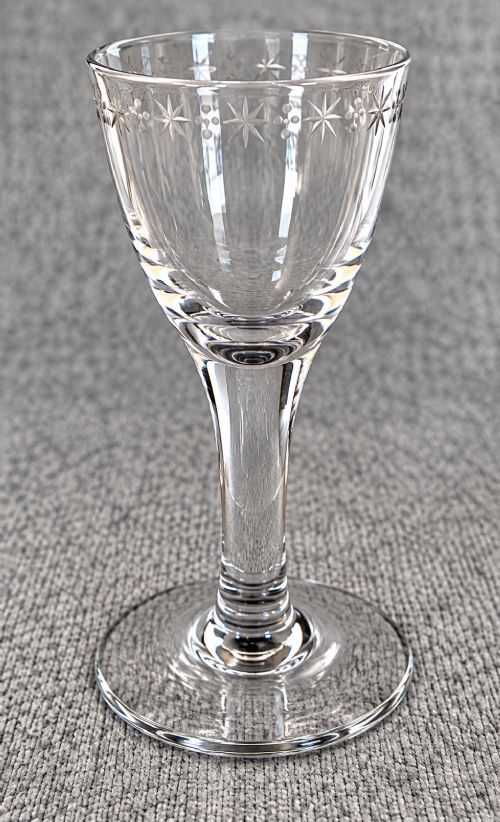
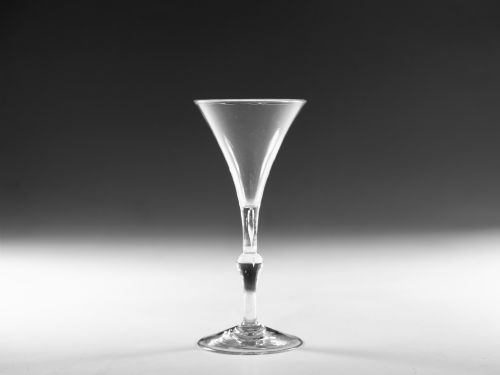
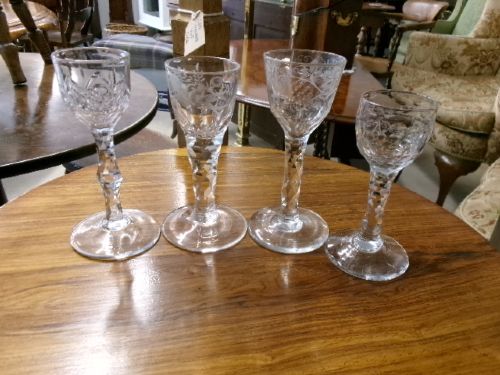
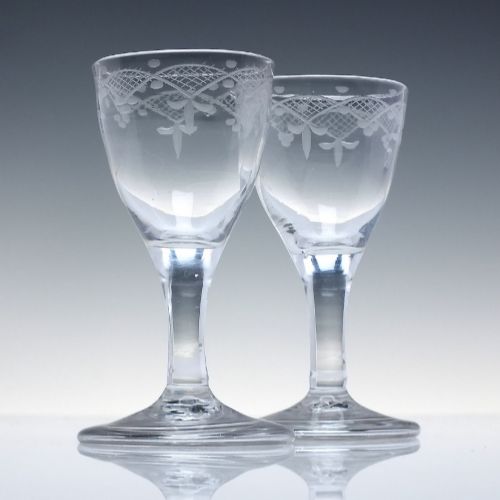
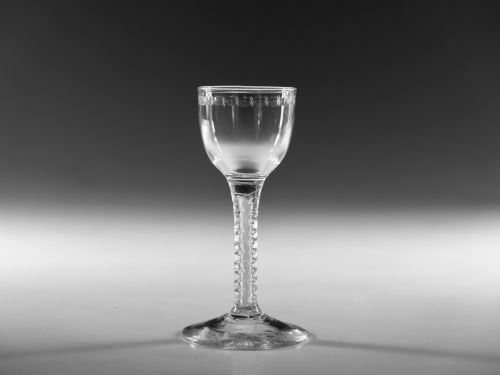
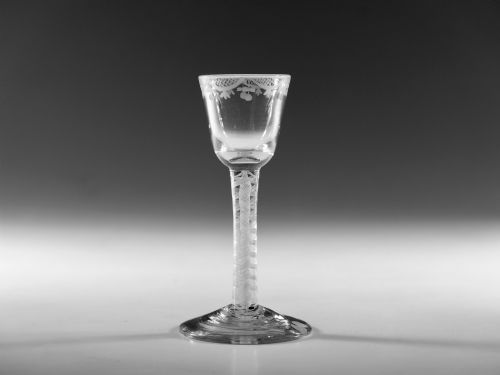
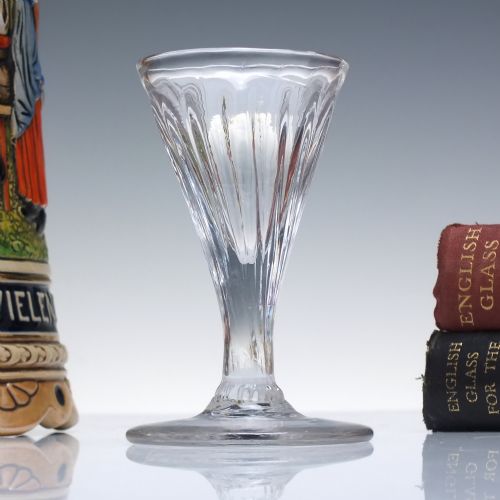
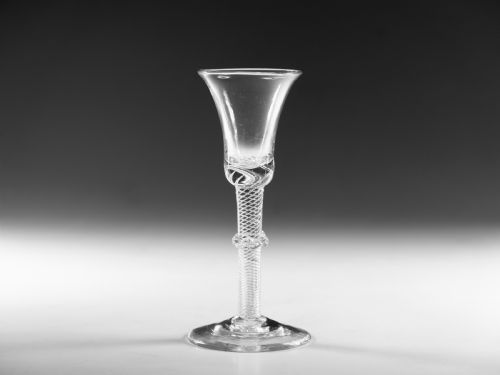
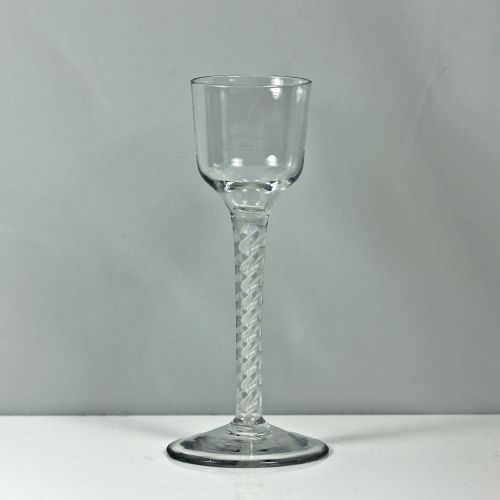
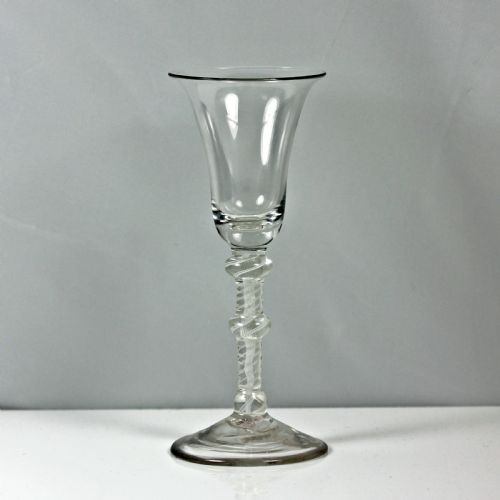
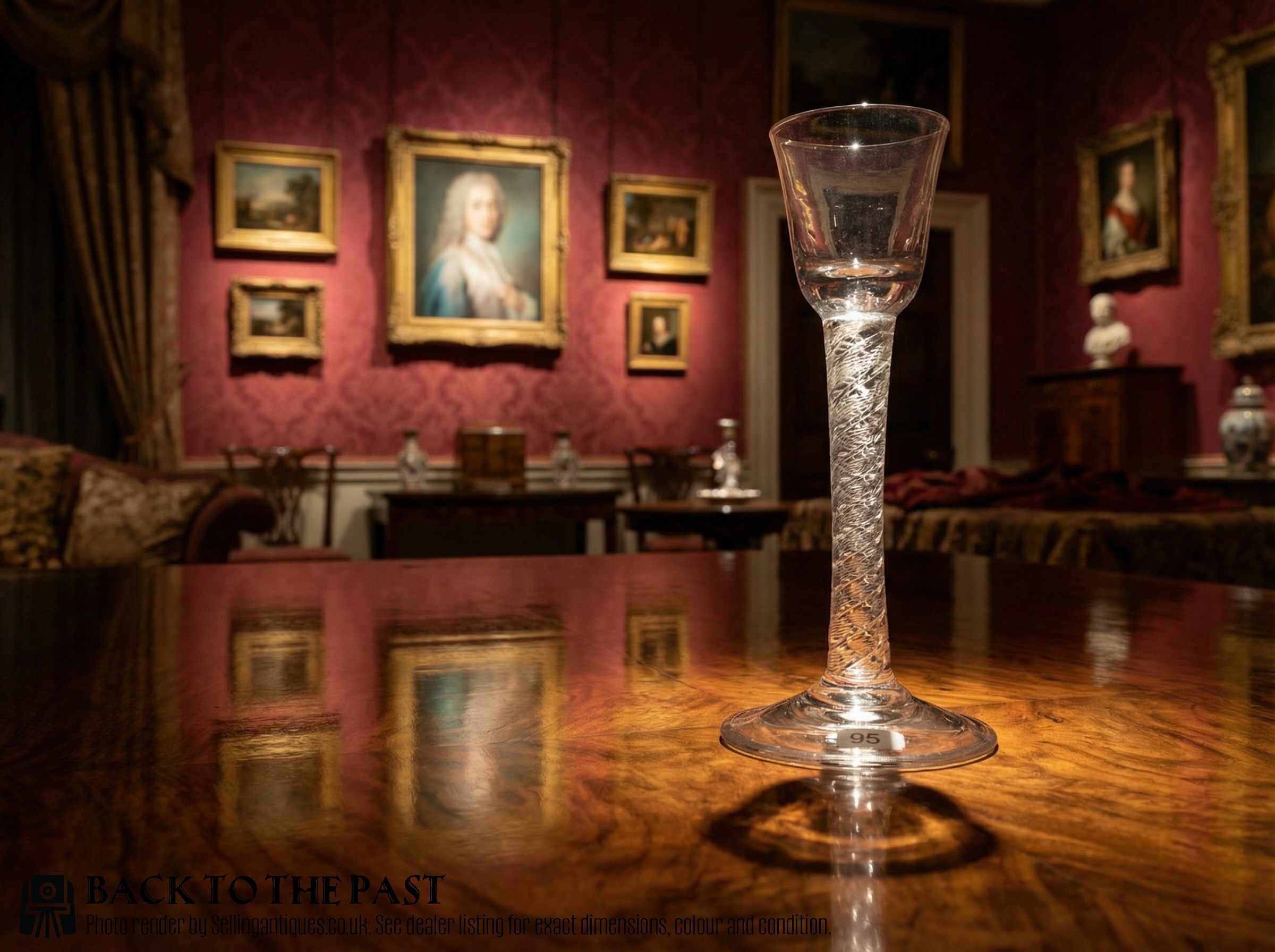
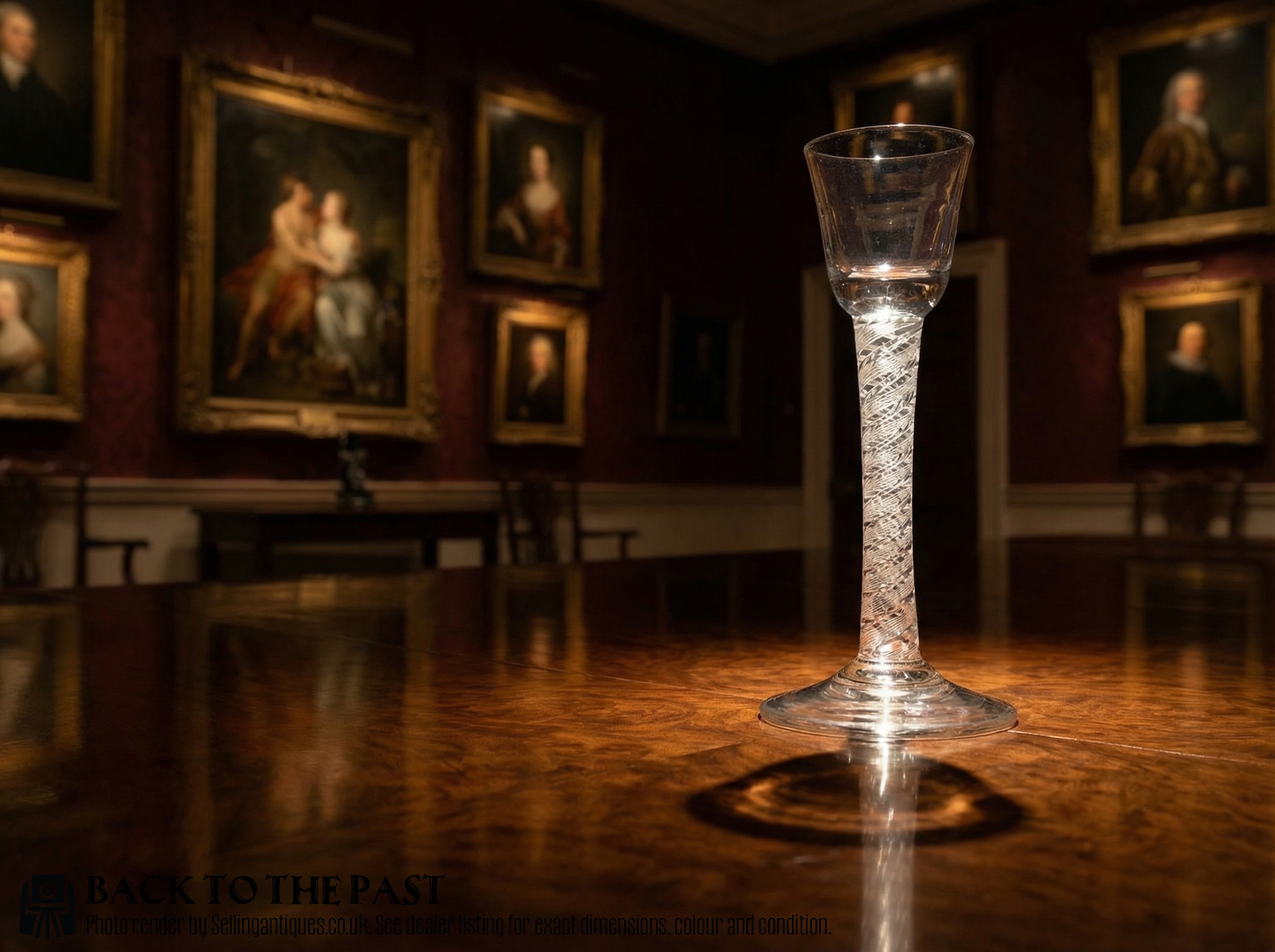
A georgian cordial glass is a slender drinking vessel designed for strong liqueurs and drams during the eighteenth and early nineteenth centuries. These vessels appear in forms spanning the baluster, balustroid, air twist, opaque twist, and facet stem styles. Collectors encounter specific sub-types such as dram glasses, gin glasses, and ratafia glasses alongside standard cordial variations.
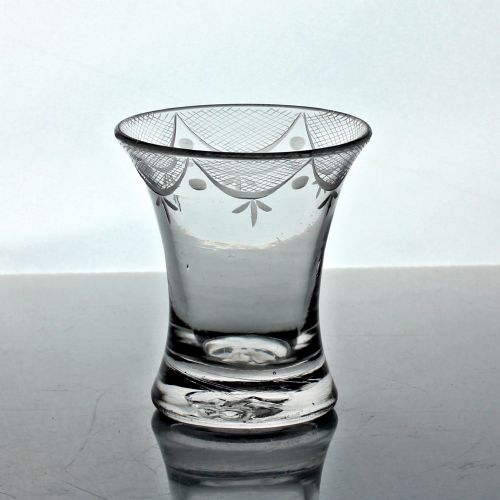
Most examples originate from the eighteenth century, encompassing periods from the reign of George II through the late Georgian era. The listings incorporate forms featuring folded feet, conical bases, and decorated bowls with engraved or etched detailing. While the majority belong to the Georgian period, occasional nineteenth-century and Regency specimens also emerge.
Materials and construction
Makers utilised lead glass, flint glass, and lead crystal to achieve clarity and weight in these drinking vessels. Hand-blown glass techniques allowed artisans to shape bowls and draw out stems containing internal air bubbles, mercury threads, or white enamel twists. Rib moulding and facet cutting further modified the basic silhouette.
Structural additions included folded feet for rim stability and basal bubbles within the stem. Enamel decoration was applied to the surface of select bowls, while optical moulding created subtle exterior patterns in the metal.
Georgian Cordial Glass Retail Price Guide 2026
Typical asking prices for georgian cordial glass among the pieces listed under this phrase on Sellingantiques today, from the lower quarter to the upper quarter. They describe what is for sale here now, not the wider market.
Toastmaster glasses were designed with deceptive bowls holding minimal liquid so hosts could keep pace with guests without overindulging.
Quality factors in the range
The sophistication of the stem formation dictates much of the distinction between ordinary specimens and superior ones. Complex double series opaque twists and mercury threads demand high technical mastery from the glassblower compared to plain stems.
The crispness of facet cutting and the delicacy of engraved or etched bowl motifs contribute significantly to the visual appeal. Proportional balance between the bowl, stem, and foot remains critical to the overall execution.
The Georgian Cordial Glass Glossary
- Air twist
- A stem containing elongated spiral channels of trapped air created during the drawing process. This technique gives the glass an internal refractive shimmer.
- Opaque twist
- A stem enclosing one or more white enamel rods twisted into a spiral motif inside clear lead glass. These threads can form single or double series patterns.
- Baluster
- A heavy, thick stem style influenced by architecture, featuring knops and nodes popular in early eighteenth-century drinking vessels. It provides substantial weight at the base of the bowl.
- Folded foot
- A base edge turned underneath itself during manufacture to create a rounded, reinforced rim. This method adds durability and stability to fragile glassware.
- Ratafia glass
- A narrow-bowled vessel specifically designed for sweet fruit liqueurs or cordials. The slender capacity suited the potent nature of the drink.
Georgian Cordial Glass: Frequently Asked Questions
What is a georgian cordial glass used for?
These vessels served small, concentrated measures of potent spirits, cordials, and liqueurs following dinner. Their restricted bowl capacity suited high-proof drinks.
Today, collectors appreciate them as display objects or utilise them for formal tastings of vintage spirits.
How do you date a cordial glass?
Dating relies on stylistic shifts in stem manufacture, bowl shapes, and foot profiles. Early periods favoured heavy balusters, while mid-century pieces introduced air and opaque twists.
Later decades shifted towards facet-cut stems and Regency sherry forms. Comparing the metal composition and pontil mark helps confirm the period.
What is an air twist stem?
An air twist stem contains spiralling threads of trapped air enclosed within the clear glass. Artisans pulled and twisted the hot metal to draw out these internal channels.
This technique produced a shimmering optical effect without adding external colour.
What is the difference between a wine glass and a cordial glass?
Cordial glasses feature noticeably smaller bowls designed for strong liquors, whereas wine glasses offer larger capacities for table wines. Cordials also tend to have thicker stems and heavier feet relative to their bowl size.
Specialist forms like dram and ratafia glasses further distinguish the drink type.