
Georgian Commode Chest
A georgian commode chest combines architectural presence with practical storage, offering timber surfaces and brass fittings that anchor a room.
Georgian Commode Chest
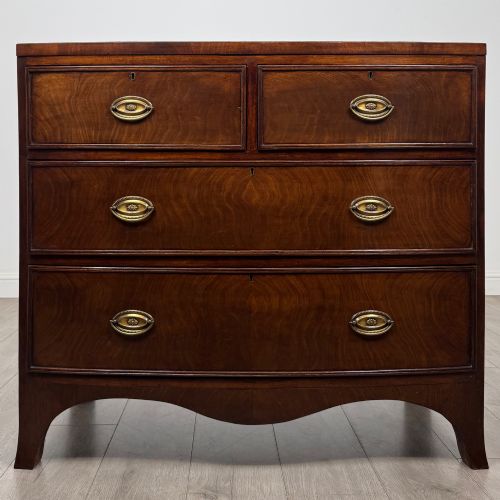
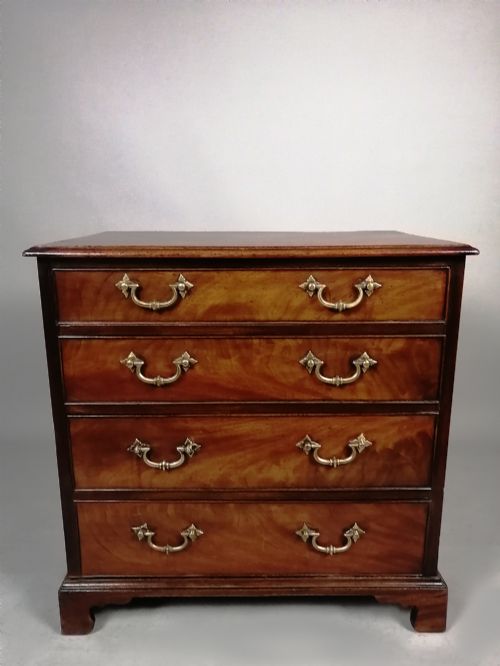
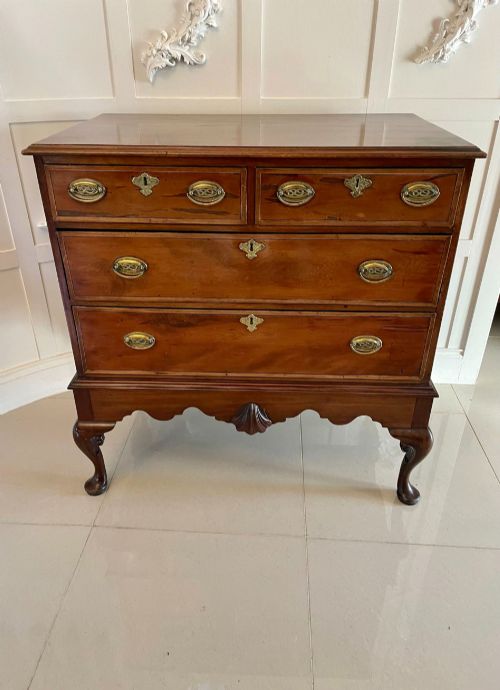
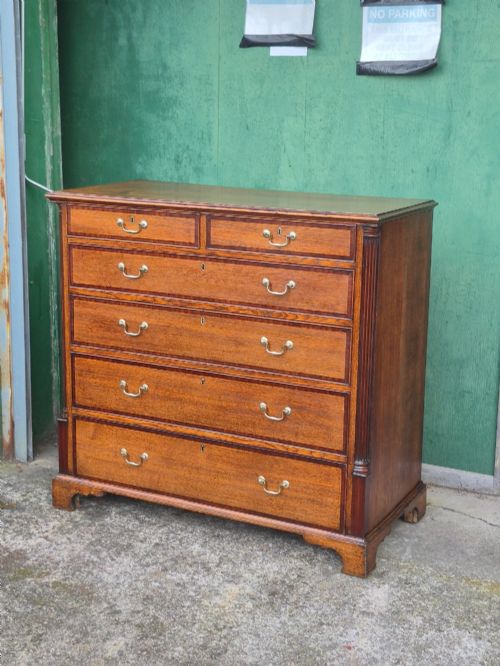
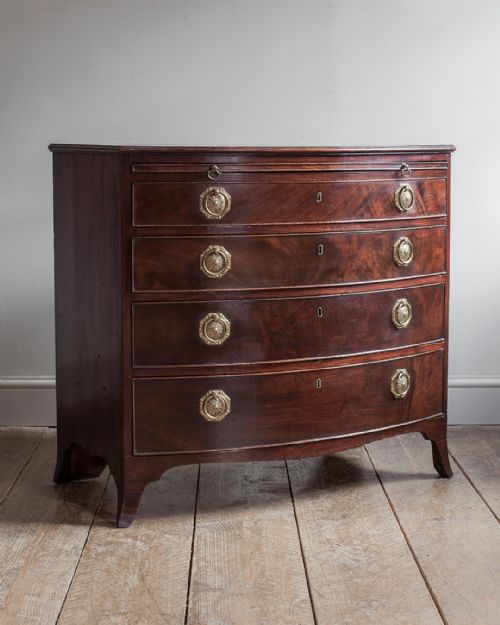
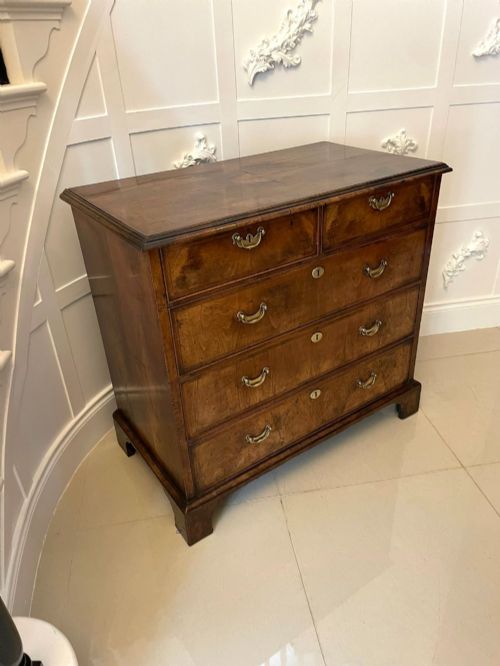
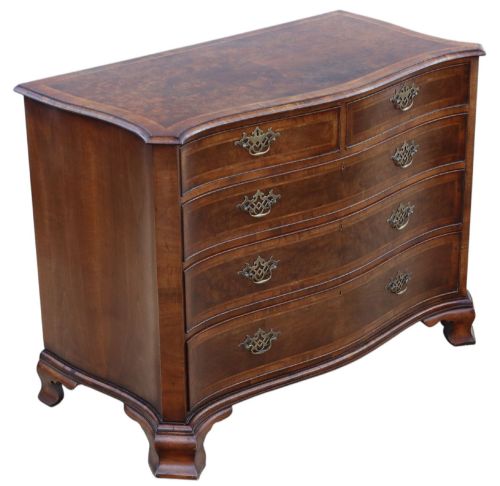
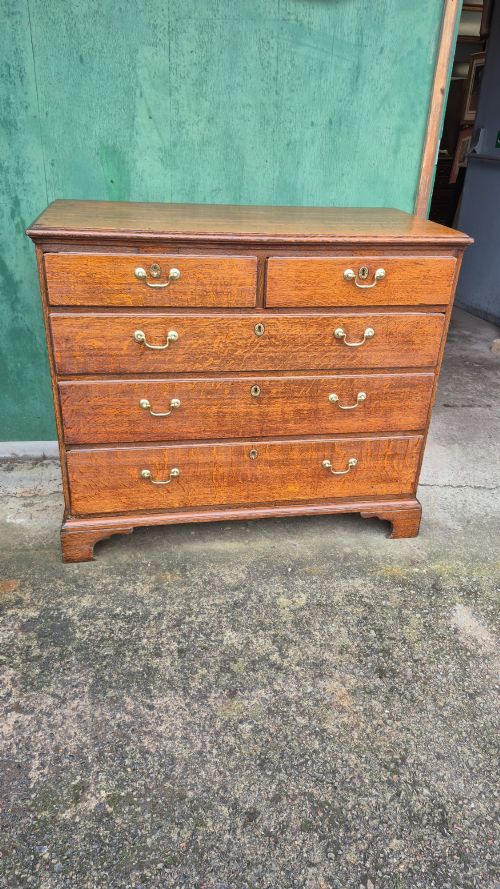
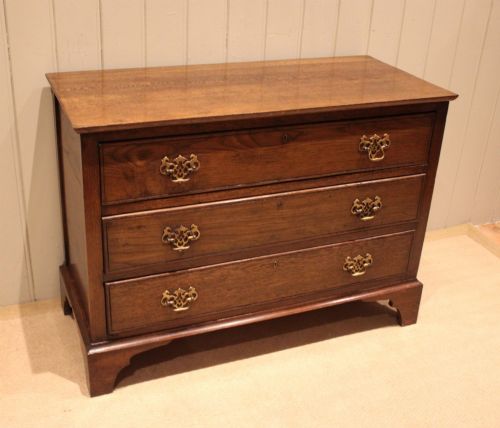
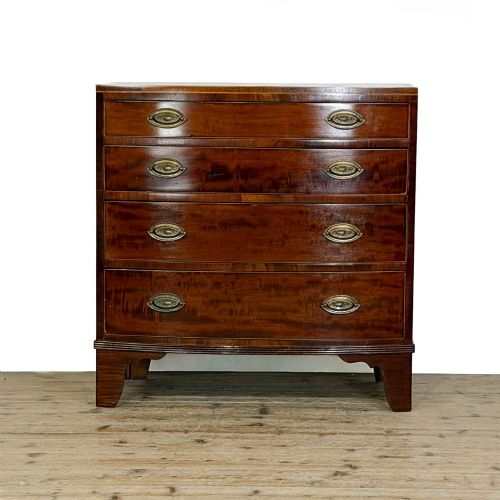
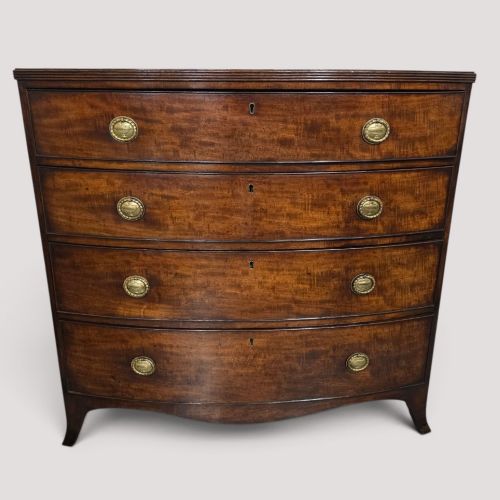
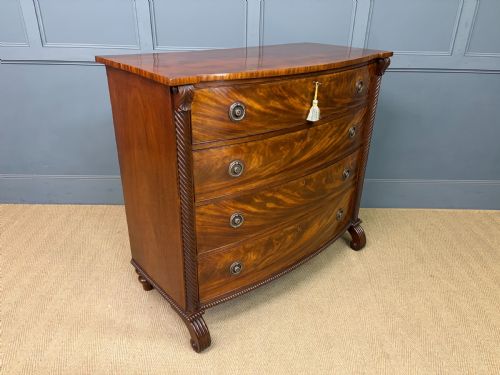
A georgian commode chest primarily takes the form of drawer units fashioned across the eighteenth and nineteenth centuries, including bow front, serpentine, and straight configurations.
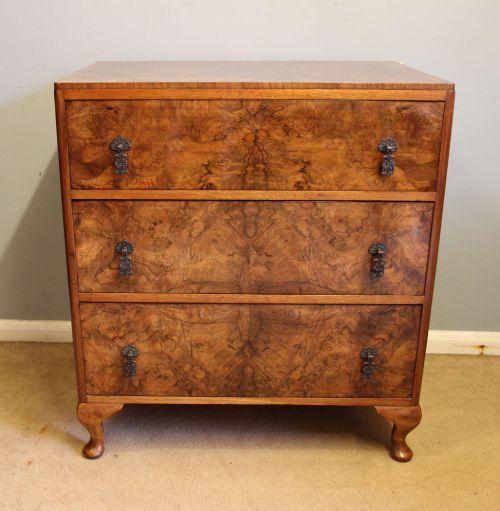
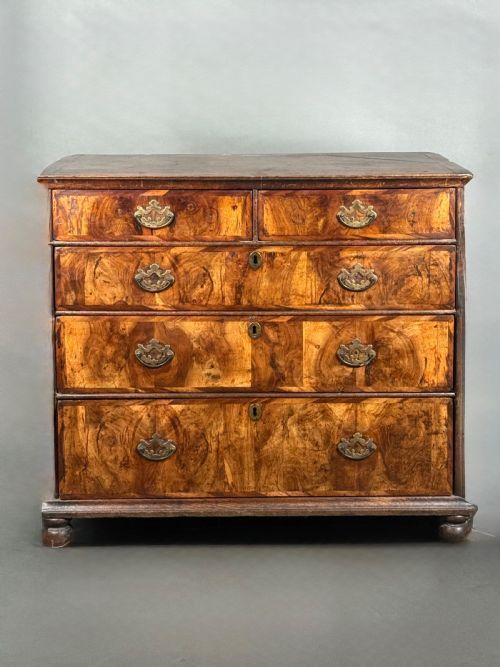
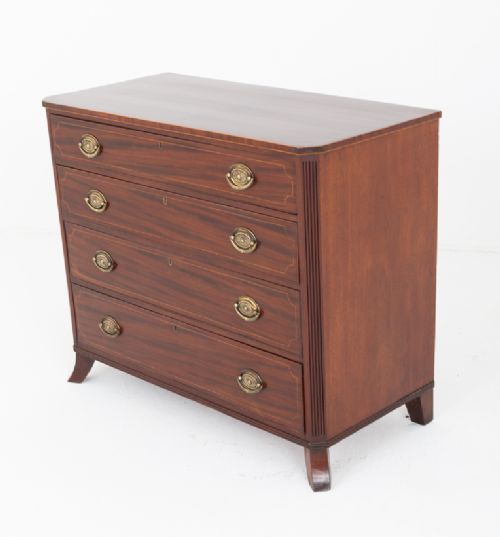
Buyers frequently encounter mahogany and walnut constructions from the Georgian and Regency periods, alongside oak and occasional satinwoodbanding.
Origin variations range from standard upright four-drawer pieces to low chests, miniature furniture, and commodes adapted for modern utility.
Materials and Technique
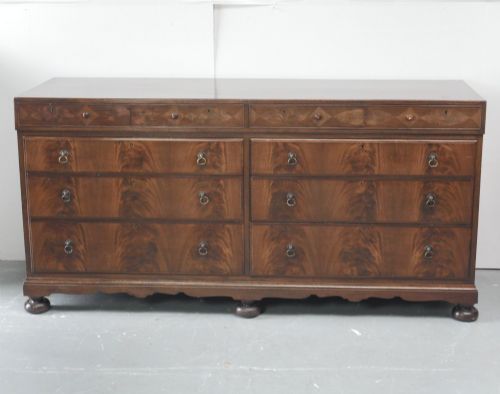
Cabinet makers built these pieces using solid timbers like oak and mahogany, often applying figured walnut, burr walnut, and flame mahogany veneers to primary surfaces.
Decorative detailing relies on satinwood banding and crossbanding, paired with cast brass handles fixed to drawer fronts.
Construction techniques include graduated drawer tiers, brushing slides, and complex serpentine or bow front bending.
Georgian Commode Chest Retail Price Guide 2026
Typical asking prices for georgian commode chest among the pieces listed under this phrase on Sellingantiques today, from the lower quarter to the upper quarter. They describe what is for sale here now, not the wider market.
Listings feature eighteenth century walnut and mahogany alongside nineteenth century Regency and Edwardian revivals in oak and satinwood.
Craftsmanship and Proportion
Quality rests on the selection of timber veneers, such as figured walnut and flame mahogany, where grain alignment across drawer fronts defines the visual weight.
Structural integrity appears in the crispness of the serpentine or bow front shaping, the precision of satinwood banding, and the retention of original brass hardware.
Proportion and scale distinguish finer examples, particularly smaller formats and pieces retaining specialised internal fittings like brushing slides.
Whytock and Reid
The Georgian Commode Chest Glossary
- Bow front
- A cabinet front that curves outward in a convex arc. This shape gained popularity during the Regency period.
- Serpentine
- A front line curving outward at the centre and inward at the sides. It demands advanced cabinet making skill.
- Brushing slide
- A pull out shelf mounted above the top drawers. It served as a surface for writing or grooming.
- Crossbanding
- A strip of veneer applied to the edges of a surface with the grain running perpendicular to the core. It creates a defined border.
- Caddy top
- A raised, moulded tabletop profile. It is frequently found on smaller chests from the Georgian era.
Georgian Commode Chest: Frequently Asked Questions
What is a commode chest?
A commode chest is a low cabinet or drawer unit designed for domestic storage, often sharing stylistic traits with standard drawer chests.
Many examples from the Georgian period feature serpentine or bow front profiles and were sometimes adapted later for alternative household uses.
How do I spot a Regency piece?
Regency items typically display dark mahogany timbers, geometric brass handles, and contrasting satinwood banding.
They often incorporate bow front shapes and reflect the classical influences prevalent in the early nineteenth century.
What is a brushing slide?
A brushing slide is a pull out wooden shelf fitted directly beneath the top moulding of a chest.
Originally used for dusting clothes or writing notes, it retracts flush into the cabinet frame when not in use.
Where should I place a chest?
These chests suit living rooms, hallways, or bedrooms where their timber grains and brass hardware provide functional surface space.
Their varied widths and depths allow them to fit into both compact alcoves and larger wall spaces.