


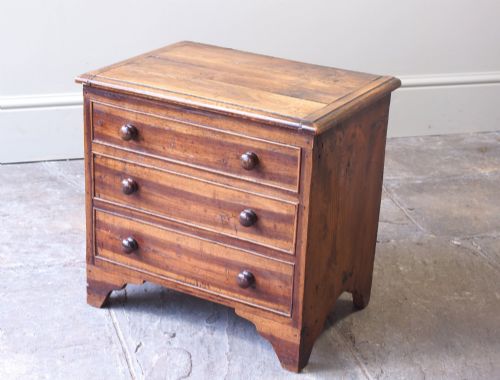


Antique Wooden Close Stool
An antique wooden close stool is a discreet piece of domestic history offering both practical seating and ingenious concealed storage.
Antique Wooden Close Stool
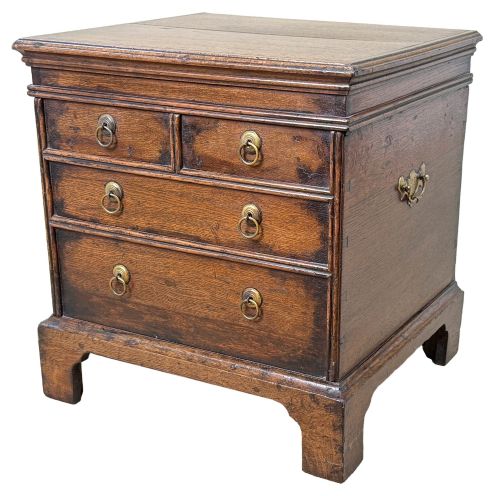
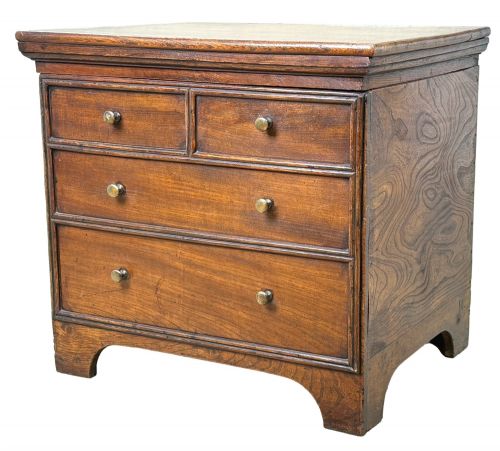
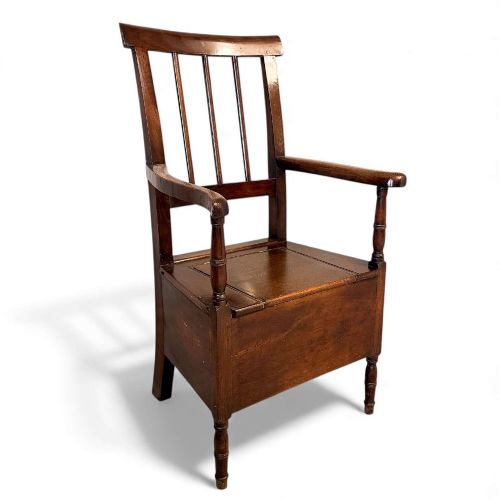
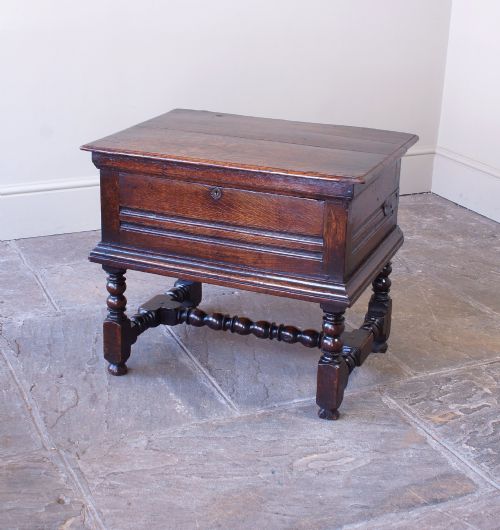
When searching for an antique wooden close stool, a buyer encounters practical sanitation furniture disguised as ordinary seating or cabinetry from past centuries. These pieces span the seventeenth and eighteenth centuries, taking the form of armchairs, box stools, and small bedside chests with fitted interiors.
The versions most commonly met on this page date from the Georgian era and the seventeenth century, constructed in traditional regional woods like oak and elm. They bridge the gap between utility and furniture design, reflecting how past households managed domestic comfort.
Formations vary from simple box stools to sophisticated commode armchairs and octagonal commode stools designed to resemble ordinary chamber seating. Each piece demonstrates the historical ingenuity applied to everyday domestic requirements before modern indoor plumbing.
How these pieces were made
Joiners and cabinetmakers utilised solid regional timbers such as oak, elm, walnut, plumwood, and pine to build these robust domestic items. Traditional joinery methods ensured the heavy woods could withstand daily use within domestic chambers.
Hardware components like brass and iron provided necessary structural reinforcement, hinges, and lifting handles for the lids and internal compartments. These functional metal fittings were selected for durability and integrated directly into the wooden framework.
The styles represented include Georgian, seventeenth-century British, Georgian country, and primitive vernacular designs.
What varies in quality
The distinction between standard utility items and superior examples lies in the choice of timber and the sophistication of the cabinetmaker's design. Finer pieces utilise richly grained walnut, plumwood, or figured oak, shaped into disguised forms like bedside chests or octagonal commode stools rather than basic box containers.
Construction methods and the retention of original hardware elements dictate the integrity of each surviving piece. Superior examples maintain their proportional balance and integrated internal compartments, showing careful attention to both decorative exterior presence and functional utility.
The Antique Wooden Close Stool Glossary
- Close stool
- A piece of furniture designed to enclose a chamber pot, typically taking the form of a box stool or small cabinet. These items were essential household furnishings before the advent of modern indoor plumbing.
- Commode chair
- An armchair adapted with a pierced seat and an enclosed lower compartment to house a chamber pot. They were frequently styled to match standard seating of the Georgian or seventeenth-century periods.
- Box stool
- A simple lidded wooden container used for seating and storage. In early domestic settings, these versatile items doubled as sanitation furniture.
- Primitive vernacular
- A descriptor for furniture made by local craftsmen using traditional regional methods rather than metropolitan workshop styles. These pieces emphasise functional construction over high-style ornamentation.
Antique Wooden Close Stool: Frequently Asked Questions
What is an antique wooden close stool?
An antique wooden close stool is a historical piece of furniture designed to conceal a chamber pot for domestic sanitation. They typically appear as small bedside chests, armchairs, or lidded boxes.
These items allowed households to manage personal hygiene within private chambers before modern bathrooms existed. Craftsmanship ranges from simple pine box forms to sophisticated Georgian walnut and oak cabinets.
How were close stools used historically?
Close stools served as concealed sanitation units within bedrooms and dressing rooms. Users sat upon the lidded seat, which lifted to reveal a fitted interior designed to hold a ceramic vessel.
Because they doubled as ordinary chairs or bedside cabinets, these pieces maintained discretion in wealthy and modest households alike. Their dual purpose made them central fixtures of daily domestic life.
Where should I place a close stool at home?
These historical pieces function well as bedside tables, accent chairs, or hallway storage cabinets in modern interiors. Their enclosed compartments make them practical for tucking away modern clutter.
Placing them in a bedroom or study highlights their original domestic context while serving a contemporary decorative purpose. Their disguised forms allow them to blend seamlessly with traditional and eclectic decor.