


Dark Oak Box Stool
These dark oak box stool examples combine seating with concealed storage, offering enduring utility and robust British craftsmanship for traditional interiors.
Dark Oak Box Stool
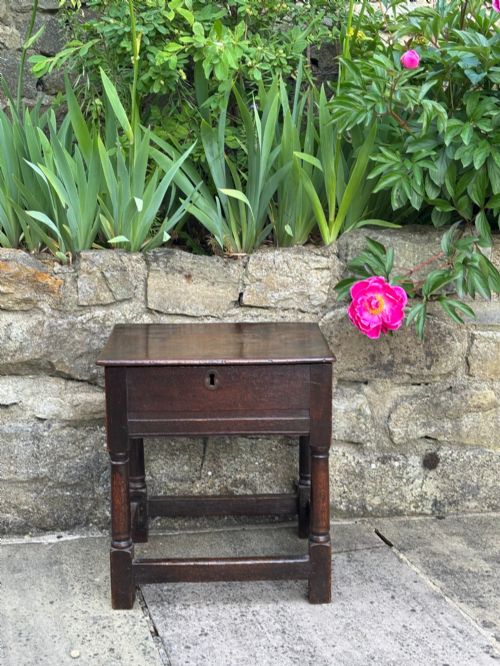
A dark oak box stool serves as a dual-purpose item, functioning as a seat with a hinged lid that opens to reveal storage space inside. Buyers seeking a dark oak box stool encounter forms that span several centuries, including early examples alongside later revival pieces.
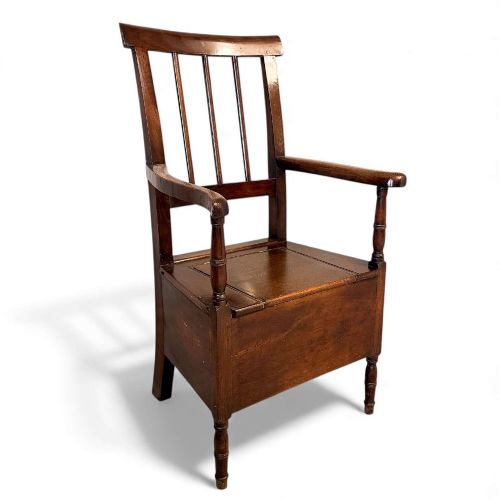
The selection ranges from seventeenth-century originals to later nineteenth-century interpretations and twentieth-century reproductions. Forms include standard box stools, close stools, and commode chairs sharing the characteristic timber construction.
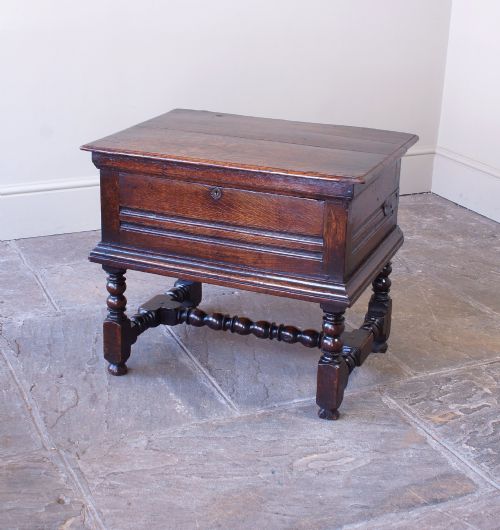
Originating predominantly from British traditions, these pieces appear in styles such as Jacobean, Elizabethan Revival, and Georgian. The primary form remains the box stool or close stool, often incorporating panelled construction and internal compartments.
Materials and construction methods
Construction relies heavily on solid oak timber, frequently accented with secondary materials such as walnut, brass fittings, and iron hardware. Master makers utilised traditional joinery techniques, including mortise and tenon joints, to ensure structural longevity.
Surfaces often display hand-carved details, moulded edges, and turned legs, reflecting the stylistic preferences of periods from the seventeenth century onward. Fabric upholstery appears on seated elements of related commode chairs and armchairs.
Dark Oak Box Stool Retail Price Guide 2026
Typical asking prices for dark oak box stool among the pieces listed under this phrase on Sellingantiques today, from the lower quarter to the upper quarter. They describe what is for sale here now, not the wider market.
Several examples hide more than mere secrets, having spent centuries moonlighting as discreet indoor plumbing before retiring to polite domestic storage.
Assessing quality in dark oak box stools
Quality rests upon the integrity of the timber and the retention of original structural components rather than surface perfection alone. Pieces exhibiting period-correct joinery and minimal replacement hardware command greater attention from discerning collectors.
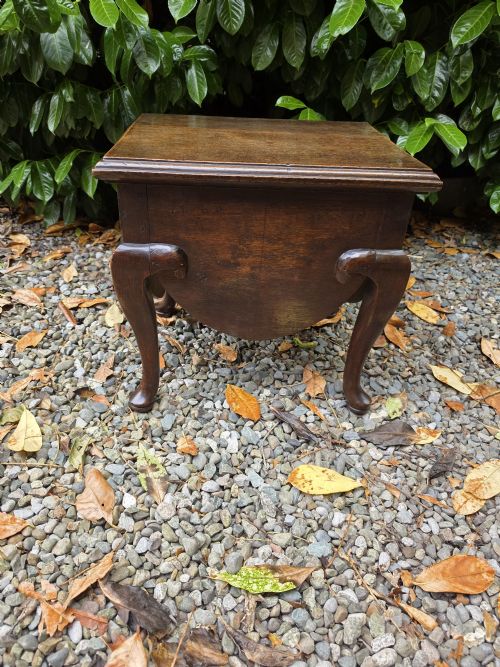
The crispness of hand-carved ornamentation and the smooth operation of hinged lids distinguish finer examples from later revivals. Proportions and the balancing of robust oak frames with turned or cabriole supports also dictate the visual standard of each piece.
The Dark Oak Box Stool Glossary
- Box stool
- A seat featuring a hollow interior accessed via a lift-up lid, combining storage with a functional platform. This form provides a practical solution for stabling household items while doubling as occasional seating.
- Close stool
- An early form of indoor sanitation furniture comprising a wooden cabinet or stool enclosing a chamber pot. These pieces typically feature a hinged lid and enclosed sides to conceal the interior basin.
- Commode chair
- An armchair or seat modified to enclose a chamber pot or sanitary pan beneath a removable section of the seat. They often incorporate high backs and armrests for user comfort.
- Joint stool
- A sturdy wooden stool constructed using traditional mortise and tenon joinery with pegged frames. These low seating units provide exceptional stability and frequently feature turned legs.
- Jacobean
- A British design style spanning the early seventeenth century characterised by heavy proportions, dark timber, and geometric panelling. Furniture from this era displays rectilinear forms and robust construction.
Dark Oak Box Stool: Frequently Asked Questions
What is a box stool used for?
A box stool provides both a sturdy seat and a hidden compartment beneath the lid for storage. Historically, these items kept small textiles, documents, or personal belongings secure and out of sight.
In modern rooms, they serve effectively as hallway seats or bedside resting places while maintaining their traditional utility.
How do I date a dark oak stool?
Dating relies on examining the joinery marks, wood grain patterns, and stylistic carving details present on the frame. Seventeenth-century pieces display hand-pegged joints and dense, oxidised oak surfaces.
Later revival items from the Victorian era or the twentieth century often reveal mechanical saw marks and softer timber characteristics.
Are close stools and box stools the same?
While both share a box-like wooden construction with a lid, close stools were specifically designed to house chamber pots. Box stools served general storage and seating purposes without internal sanitation fittings.
Many close stools have been adapted over time for conventional storage use.
How do I care for antique oak furniture?
Maintain antique oak by keeping pieces away from direct heat sources and fluctuating humidity levels to prevent timber splitting. Apply natural beeswax periodically to nourish the wood and preserve its deep colour.
Avoid synthetic polishes and excessive moisture during routine cleaning.