





Georgian Ceramic Ornament
Georgian ceramic ornament brings together figures, animals and allegorical groups from the eighteenth and early nineteenth centuries.
Georgian Ceramic Ornament
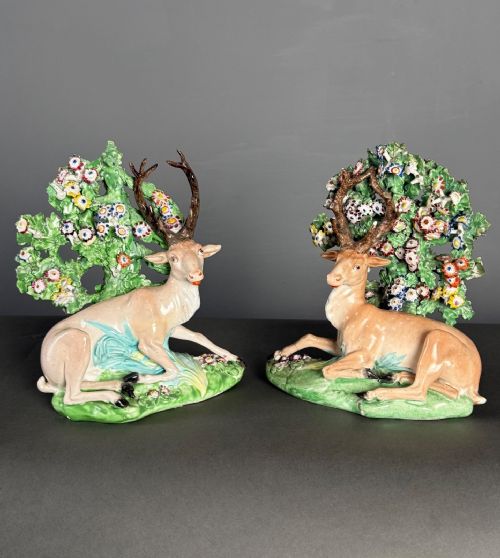
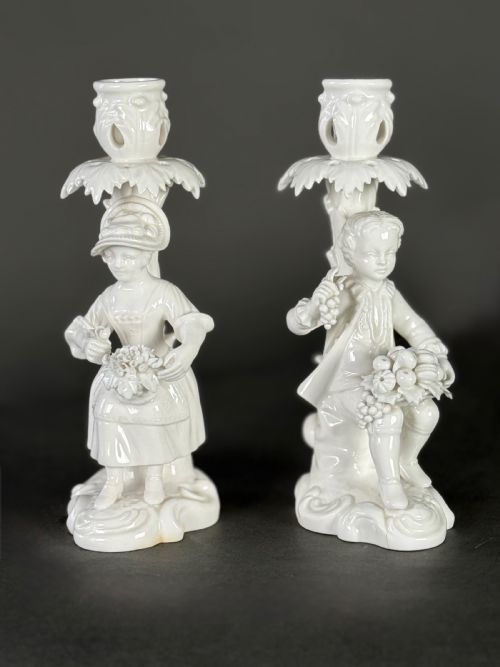
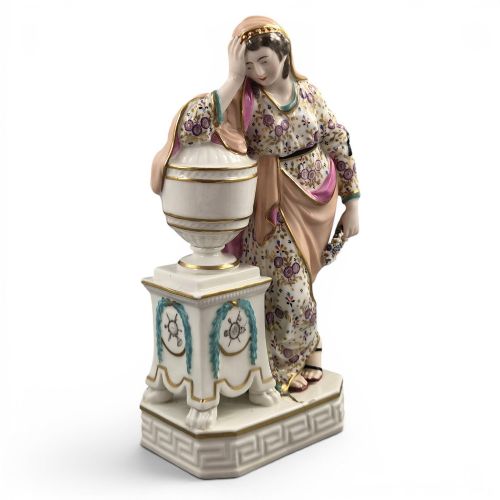
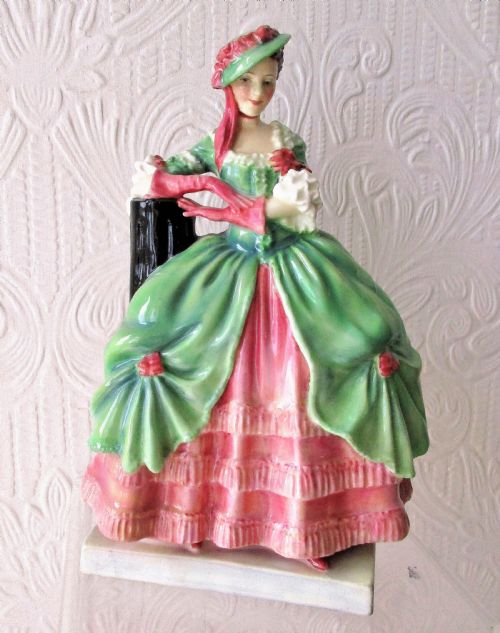
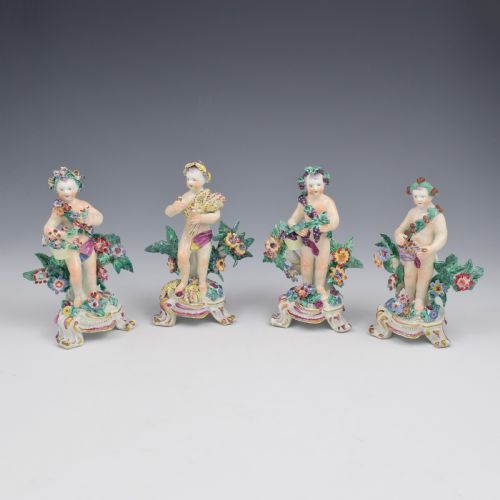
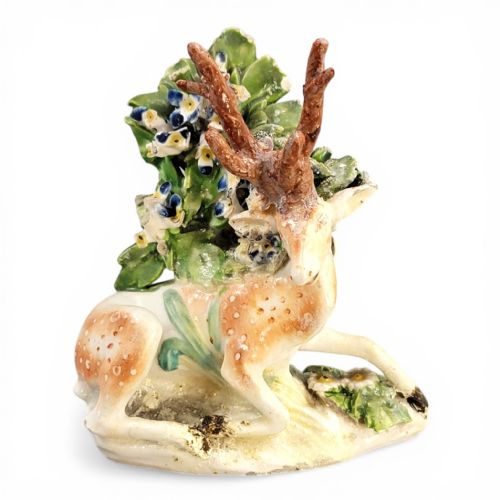
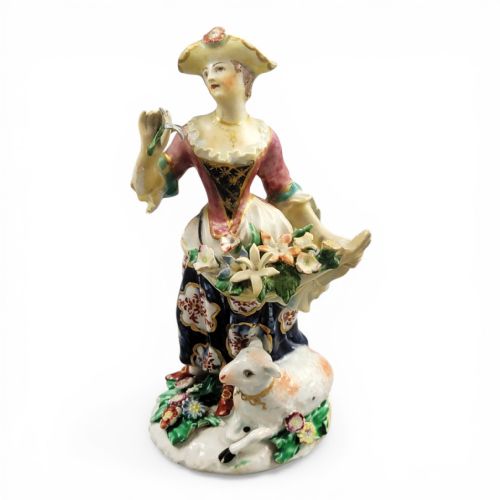
When you search for georgian ceramic ornament, you meet porcelain figures, earthenware groups, and modelled animal pairs made in British factories during the Georgian and Regency periods. The selection focuses heavily on Derby, Bow, and Staffordshire productions depicting classical figures, pastoral scenes, and domestic animals.
Most examples take the form of standing or seated figures, allegorical sets representing the seasons, and sculptural pairs of stags, sheep, or lions. These objects served as decorative mantel and table ornaments for prosperous homes during the eighteenth and nineteenth centuries.
How they were made
Potters shaped these objects using soft-paste porcelain, hard-paste porcelain, pearlware, and earthenware, often applying hand-painted enamel colours and gold leaf highlights. Early figures frequently incorporate intricate bocage backgrounds modelled as leafy arbours behind the main subject.
Makers utilised press-moulding and slip-casting techniques to form the bodies before applying transparent or coloured glazes and firing the pieces in kilns. Enamels and gilding were then added in subsequent low-temperature firing stages to secure the surface decoration.
Georgian Ceramic Ornament Retail Price Guide 2026
Typical asking prices for georgian ceramic ornament among the pieces listed under this phrase on Sellingantiques today, from the lower quarter to the upper quarter. They describe what is for sale here now, not the wider market.
Derby figures dominate the selection, accompanied by Staffordshire animals and Bow allegorical groups.
What varies in quality
The sophistication of the modelling and the crispness of the painted details distinguish finer examples from standard production pieces. Superior figures display careful facial expressions, detailed drapery, and well-preserved polychrome enamels with minimal wear to the gilding.
Early eighteenth-century output from factories like Bow and Derby generally exhibits finer hand-modelling and more complex compositions than later nineteenth-century Staffordshire works, which often rely on bolder slip decoration and simpler mass production.
Derby Porcelain·Bow Porcelain·Staffordshire Pottery·Bloor Derby·Royal Crown Derby
The Georgian Ceramic Ornament Glossary
- Bocage
- Applied ceramic foliage and flowers arranged as a background screen behind figures, commonly found on mid-eighteenth-century porcelain.
- Pearlware
- A refined earthenware developed by Josiah Wedgwood and other potters around 1779, featuring a thin glaze that pooled blue in crevices.
- Soft-paste porcelain
- An artificial porcelain body composed of clay and glass frit, fired at lower temperatures than hard-paste porcelain and common in early English factories.
- Prattware
- Staffordshire and northern earthenware decorated with low-relief moulding and high-temperature cobalt blue, ochre, and green enamel colours.
- Gold leaf
- Thin beaten gold applied to ceramic surfaces for highlights and borders, frequently secured during a secondary kiln firing.
Georgian Ceramic Ornament: Frequently Asked Questions
How do I identify a Derby figure?
Derby figures often feature patch marks on the underside from kiln furniture and detailed hand-painting with rich enamel colours. Many early examples depict theatrical subjects, shepherds, or recumbent animals.
Later Bloor-period pieces carry printed or painted factory marks, though many eighteenth-century figures remain unmarked and require stylistic comparison to authenticate.
What is pearlware?
Pearlware is a fine earthenware developed in the late eighteenth century to imitate Chinese export porcelain by adding a small amount of cobalt to the glaze. This creates a slight bluish pooling in crevices and recesses.
It served as the primary body for Staffordshire figures, animals, and narrative groups during the Regency period before creamware fell out of fashion.
How should I clean porcelain figures?
Dust these delicate ceramic ornaments gently with a soft, dry brush to prevent accumulating dirt in crevices and around delicate bocage leaves. Avoid submerging old pieces in water, especially if they have cold-painted enamel colours or fragile gold leaf.
Harsh cleaning agents and abrasive cloths will damage the glaze and remove the hand-painted details applied during manufacture.
What does bocage mean?
Bocage refers to the applied ceramic foliage, leaves, and blossoms that frame eighteenth-century porcelain figures. This decorative background mimics natural woodland arbours.
Because these leafy elements are extremely fragile, many surviving figures show old professional repairs or losses to the delicate porcelain branches.