


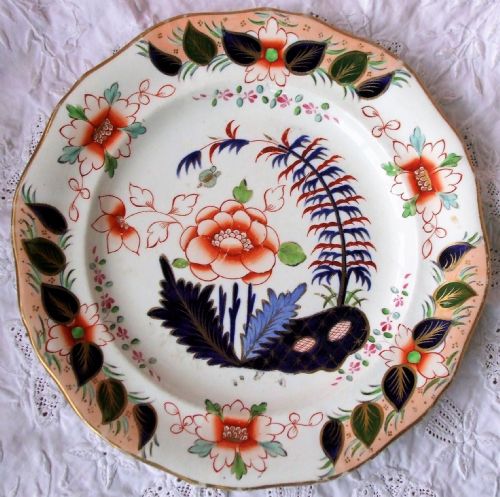
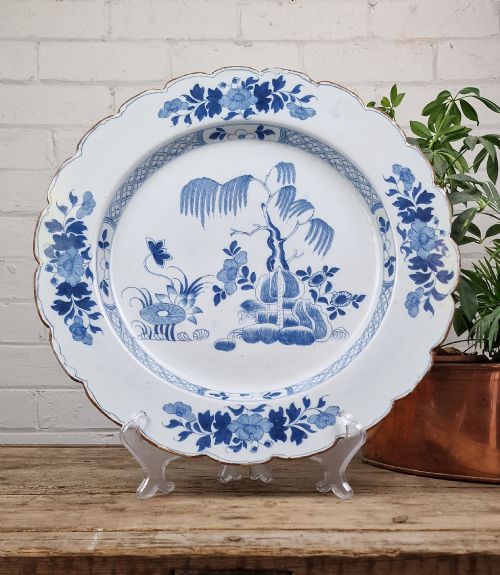


Georgian Ceramic Charger Plate
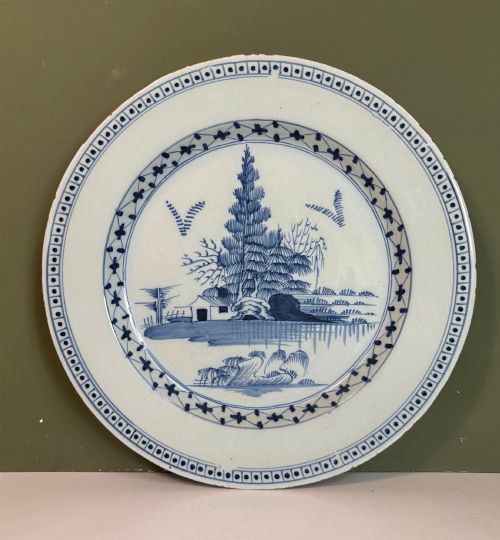
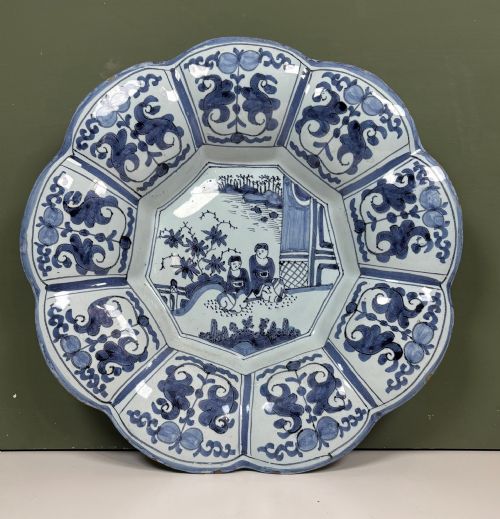
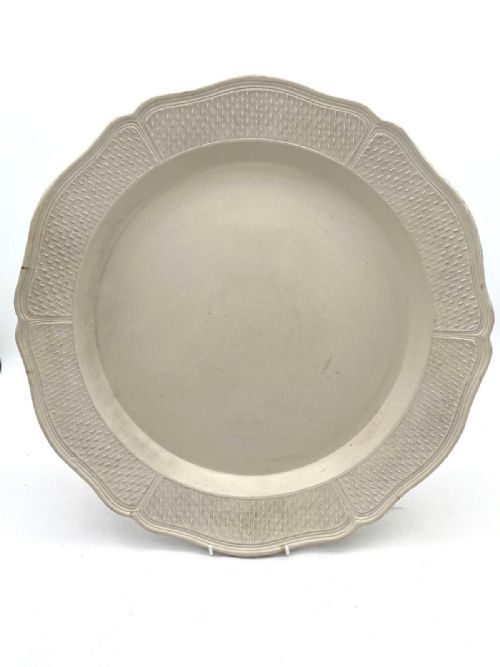
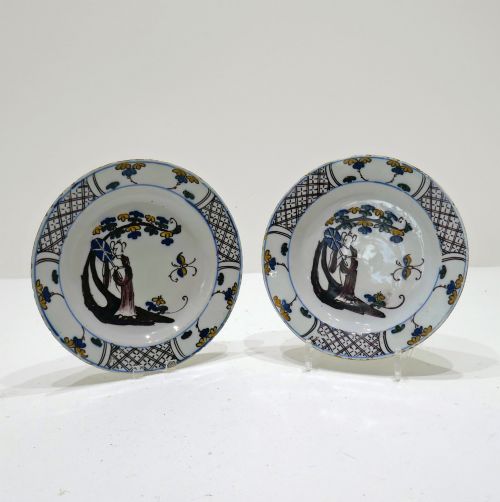
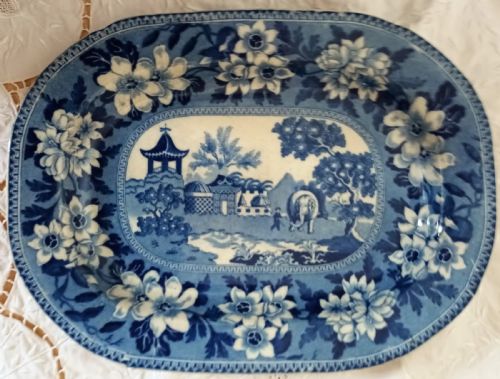
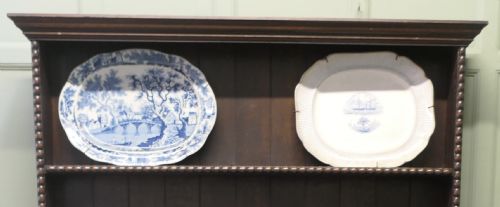
These georgian ceramic charger plate examples bring bold eighteenth and nineteenth-century earthenware presence to a room.
Georgian Ceramic Charger Plate
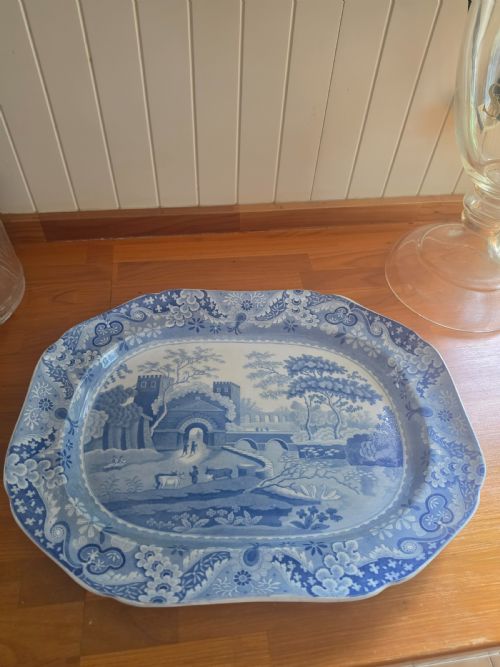
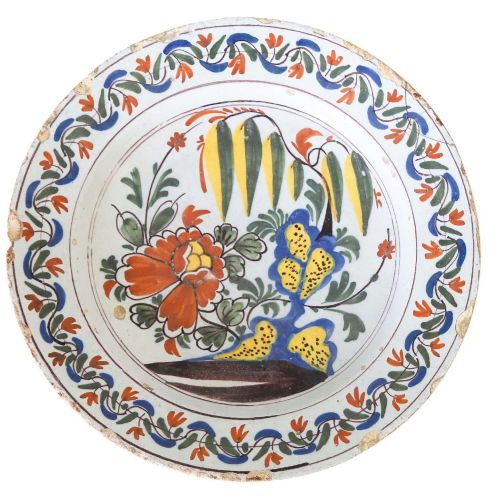
A georgian ceramic charger plate sits at the larger end of historic domestic tableware, spanning grand display platters and wide serving dishes designed for formal dining. The examples gathered here emerge primarily from eighteenth-century delftware potteries alongside later nineteenth-century pearlware, ironstone, and transfer-printed earthenware production.
Makers shaped these broad surfaces for both practical service and decorative wall hanging, resulting in varied forms including deep chargers, meat plates, and armorial platters. The aesthetic ranges from early English and Dutch delft delftware to crisp Regency blue and white transfer prints.
How they were made
Potters utilised earthenware bodies coated in tin glaze to create opaque white surfaces suited for hand-painted cobalt pigment or polychrome decoration. Later periods introduced refined pearlware and ironstone bodies decorated with transfer-printed scenes.
Pigments were applied directly to the porous raw glaze before final firing, allowing colours to fuse into the surface with organic variation. Cobalt oxide and rich polychrome palettes defined the visual character of these pieces.
The selection includes regional English production sites from Bristol and Lambeth alongside Dutch and Liverpool workshops.
What varies in quality
The clarity and precision of hand-painted brushwork or transfer printing dictate the visual strength of each piece, distinguishing hurried factory output from careful studio execution. Crisp definition in cobalt detailing and balanced composition across a wide surface elevate certain examples above standard domestic wares.
The stability of the ceramic body and the uniformity of the tin glaze or surface finish reveal the competence of the original pottery. Pieces retaining deep colour saturation and minimal glaze distortion demonstrate superior control in the kiln.
John Rogers and Son·John Davenport of Longport
The Georgian Ceramic Charger Plate Glossary
- Delftware
- Tin-glazed earthenware produced in England, Holland, and other European centres, characterised by an opaque white surface and hand-painted decoration.
- Charger
- A large decorative plate or platter intended primarily for display on a sideboard or wall rather than daily dining.
- Pearlware
- A refined fine earthenware developed in the late eighteenth century featuring a subtle bluish glaze in the recesses.
- Transfer printing
- A mechanical method of applying complex decorative patterns to ceramic surfaces using engraved copper plates and tissue paper.
- Polychrome
- Decoration utilising multiple colours painted onto the ceramic body or glaze, common in eighteenth-century floral and figural designs.
Georgian Ceramic Charger Plate: Frequently Asked Questions
How were these large plates used?
These large ceramic pieces served primarily as grand platters for joint meats or as decorative chargers displayed on walls and sideboards.
Their substantial diameter made them central to formal dining arrangements and domestic display throughout the period.
How do I care for historic earthenware?
Historic earthenware requires gentle handling and should be cleaned using only soft, dry cloths rather than water or harsh detergents.
Displaying them securely on padded plate stands protects the fragile edges and historic glaze surfaces from unnecessary stress.
What does polychrome mean on these plates?
Polychrome decoration indicates that multiple pigment colours, such as iron red, green, and yellow, were hand-painted onto the ceramic.
This technique allowed makers to create complex floral, landscape, and figural scenes beyond standard blue and white designs.