




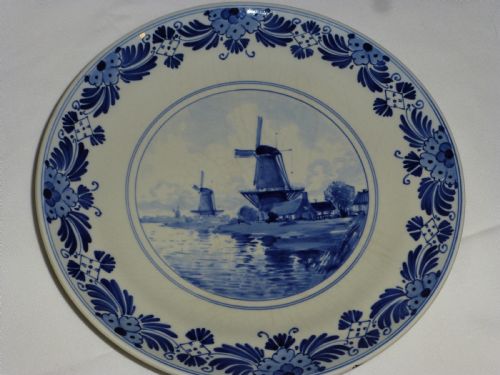

Dutch Tin Glazed Platter
These dutch tin glazed platter pieces are substantial earthenware chargers built for display, offering collectors bold cobalt painting and historical depth.
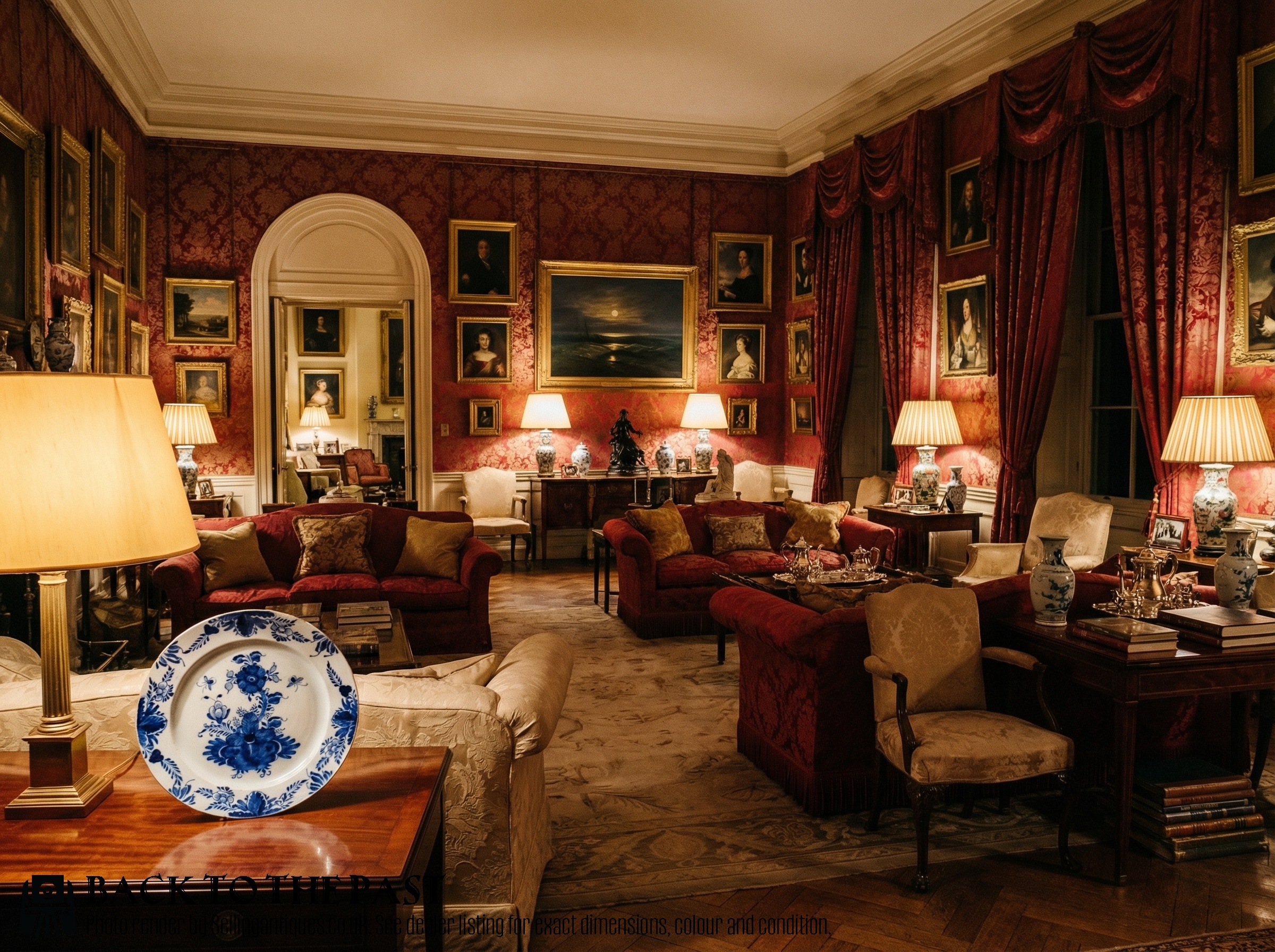
Dutch Tin Glazed Platter
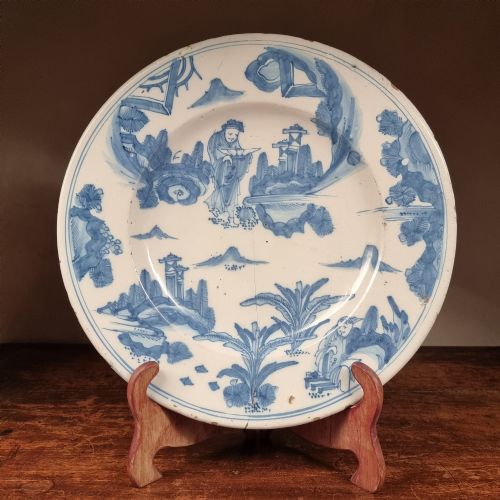
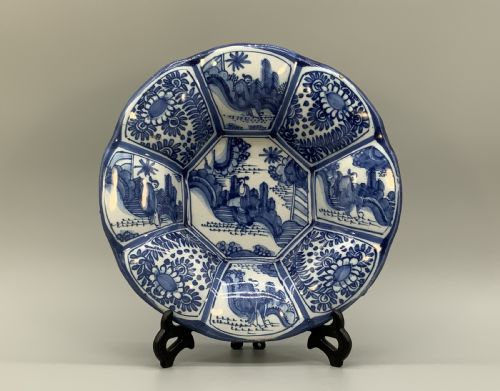
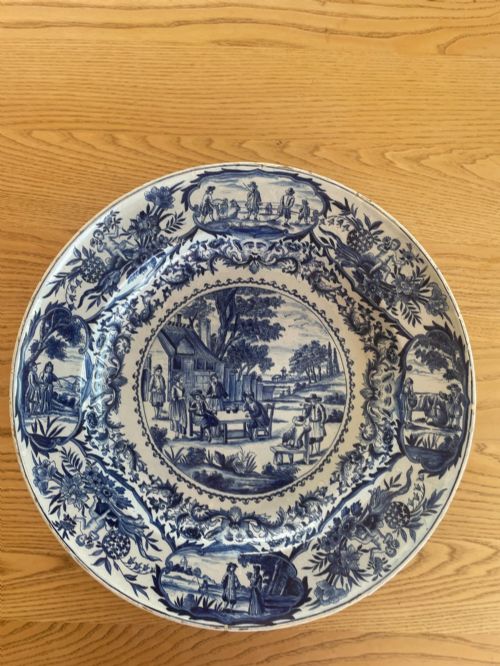
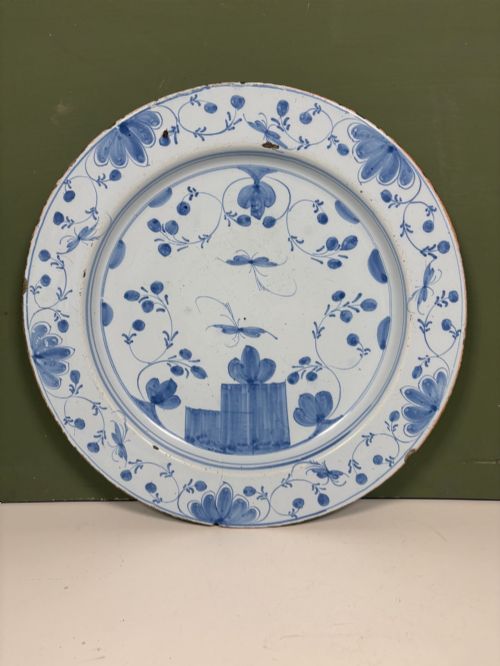
A dutch tin glazed platter typically presents as a generous charger or decorative wall plate, spanning styles from Dutch Baroque to Chinoiserie and Kraak influences. These pieces draw the eye through expansive circular surfaces that carry blue and white designs or polychrome pigments.
Most examples encountered here originate from the seventeenth, eighteenth, and nineteenth centuries, reflecting long-standing traditions of Delftware production. Buyers regularly find substantial chargers designed for visual impact rather than heavy dining use.
Materials and construction methods
Potters built these items using earthenware clay, applying an opaque tin glaze to create a smooth, whitish background surface. Artisans then painted directly onto this unfired glaze using cobalt pigment, alongside manganese and polychrome colours on select grand feu pieces.
The absorption of the pigment into the porous glaze required immense skill from the painter, as corrections remained impossible once the brush touched the surface. Firing in traditional kilns then set the glaze and locked the pigments into a hard, glossy finish.
Listings feature earthenware bodies decorated with cobalt pigment and tin glaze, spanning seventeenth to nineteenth-century periods.
Quality variations in historical plates
Excellence in a dutch tin glazed platter rests upon the crispness of the hand-painted design and the depth of the cobalt or polychrome palette. Superior examples display confident brushwork and balanced compositions across large surfaces, whereas simpler items show hurried execution or muted pigments.
The smoothness of the tin glaze and the regularity of the earthenware body also dictate the standing of a charger. Pieces that retain an even glaze without excessive warping demonstrate superior kiln control during the firing process.
De Witte Ster
The Dutch Tin Glazed Platter Glossary
- Tin-Glazed Earthenware
- Pottery covered with a white opaque glaze containing tin oxide, providing a smooth canvas for painted decoration. This technique forms the foundation of traditional Delftware production.
- Cobalt Pigment
- A metallic colourant used to produce deep blue hues under the glaze during high-temperature firing. It remains the defining colour of classic Delft chargers.
- Kraak Style
- A decorative layout featuring panelled borders and central motifs inspired by imported Chinese porcelain. 17th-century potters frequently adapted this aesthetic for European buyers.
- Grand Feu
- A firing method where colours are applied directly to the raw glaze and fired once at high heat. This technique fuses the pigments firmly into the glossy surface.
Dutch Tin Glazed Platter: Frequently Asked Questions
How were old chargers displayed?
Historical households mounted these large plates on walls or stood them on dresser shelves to showcase rich cobalt patterns to guests.
The generous diameter of a charger made it an ideal focal point for formal rooms without serving practical dining functions.
Are these plates safe for food?
Historic earthenware pieces featuring early tin glazes suit display and decorative collections rather than modern culinary use.
Surface wear and porous clay bodies mean these chargers function best as wall art or cabinet centerpieces.
How do I distinguish eighteenth-century pieces?
Eighteenth-century examples often exhibit looser brushwork and varied cobalt tones compared to later nineteenth-century interpretations.
Examining the weight of the earthenware and the characteristics of the tin glaze helps determine the manufacturing period.
What causes crazing on the glaze?
Crazing develops as the underlying earthenware body and the surface glaze age at slightly different rates over centuries.
This network of fine lines is a normal characteristic of historical ceramics rather than a structural fault.