

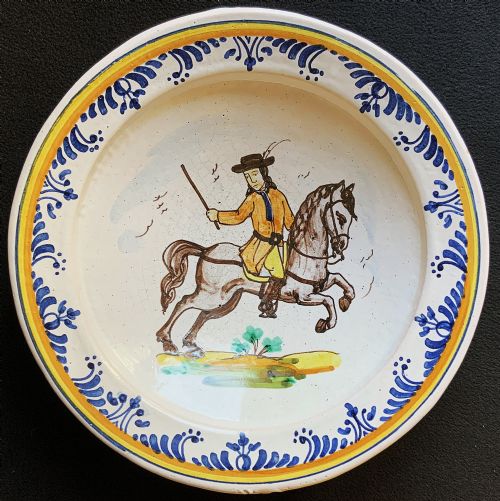


Faience Blue White Plate
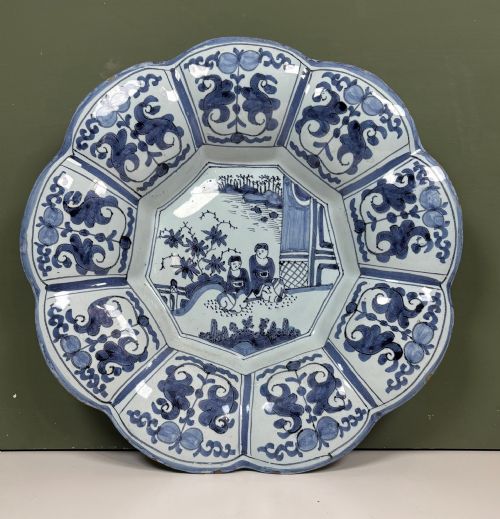
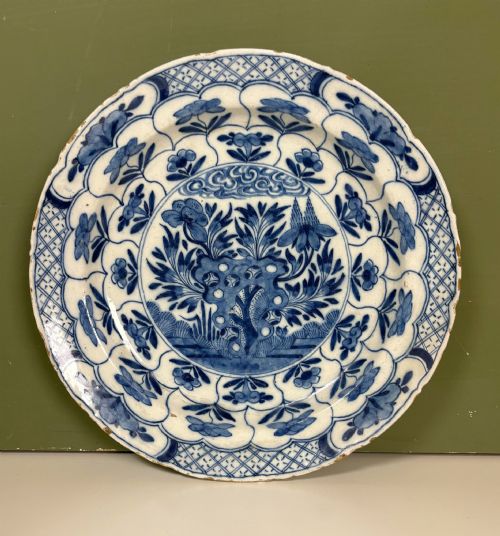
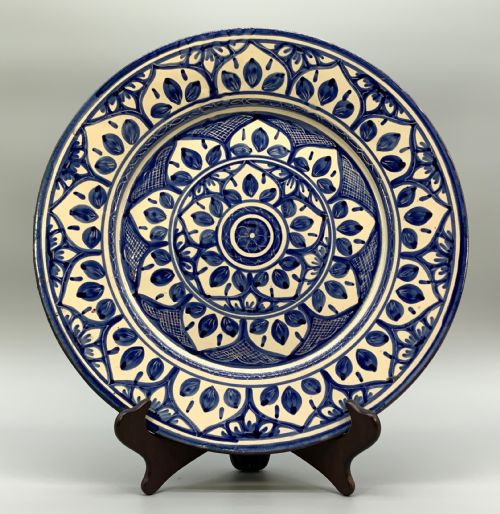
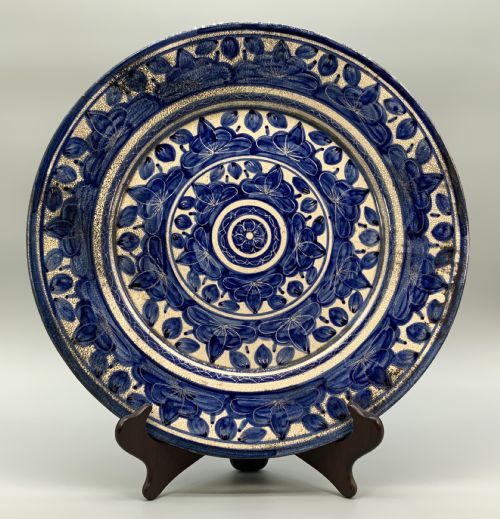
These faience blue white plate examples span centuries of tin-glazed earthenware, offering collectors rich painted cobalt designs on classic ceramic bodies.
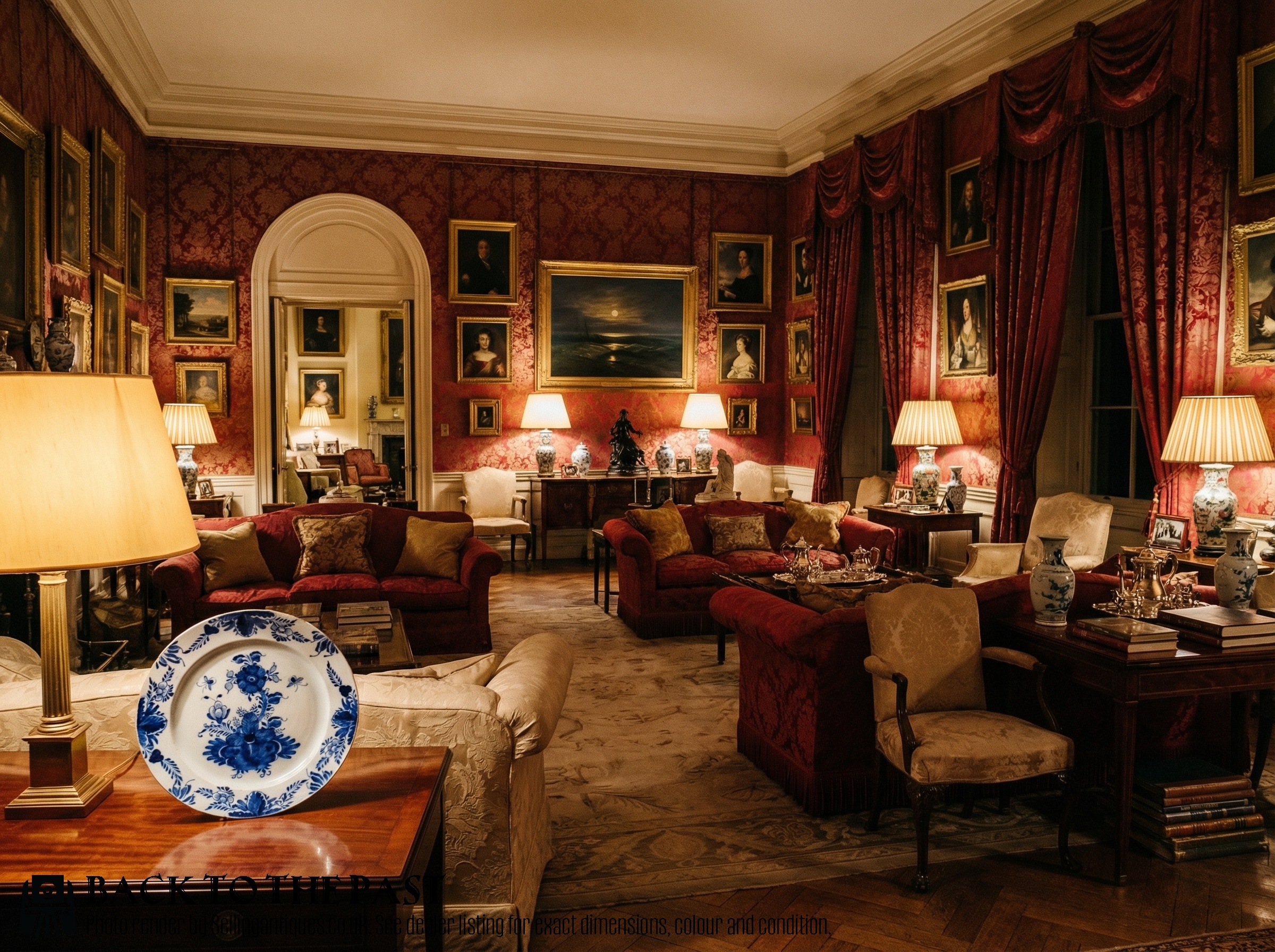
Faience Blue White Plate
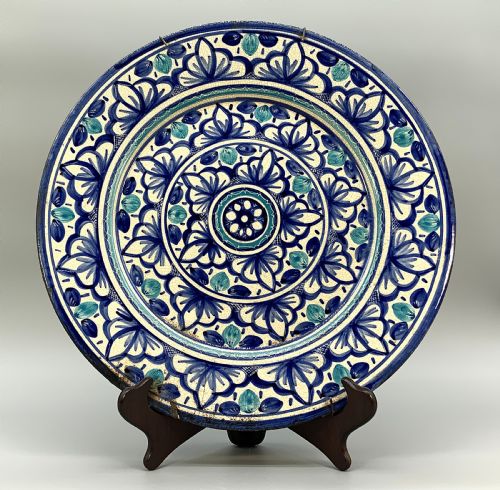
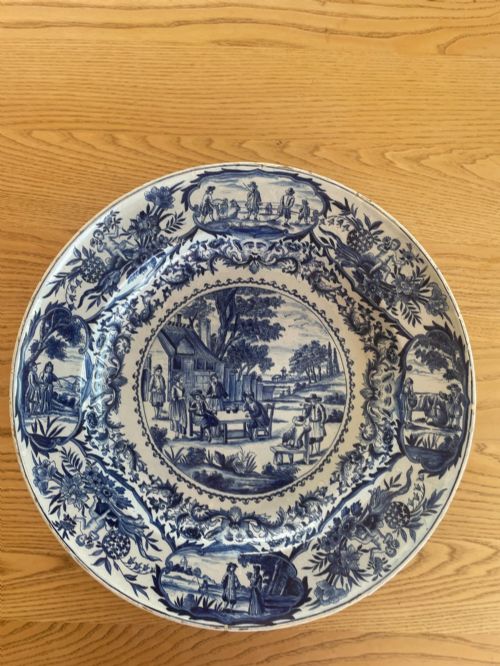
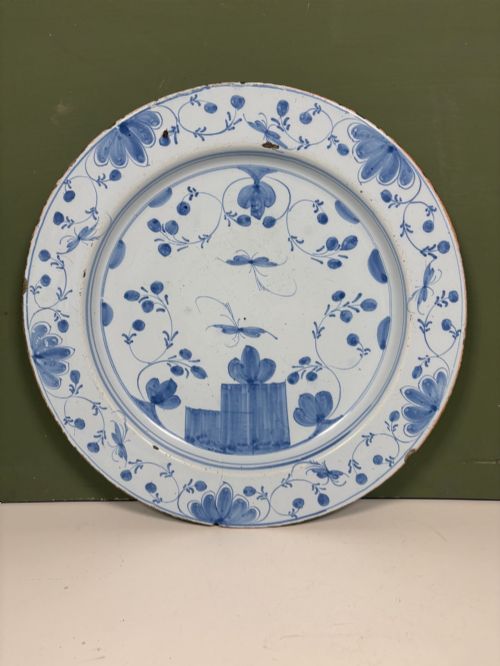
The common thread across these objects is the use of white tin glaze as a canvas for cobalt pigment painting. You find traditional Dutch Delftware alongside Moorish style continental variants and French faience productions.
How they were made
Makers shaped these items from earthenware clay before applying an opaque tin glaze that created a smooth white surface for decoration. Artisans then painted directly onto this absorbent unfired or once-fired glaze using cobalt pigment.
A final transparent glaze coat often went over the painted surface before a high-temperature kiln firing fixed the blue colour into the ceramic body.
Peacock plates, known historically as waaierbord, let historical artisans turn blue pigment into scrolling avian tails.
What varies in quality
Quality rests primarily on the finesse and control of the cobalt brushwork, where confident, fluid hand-painted motifs distinguish superior pieces from stiffer, routine production. The purity and evenness of the white tin glaze also dictate the visual appeal of the finished surface.
Additionally, the scale and ambition of the form matter greatly, with large chargers and complex pictorial plates demanding higher technical mastery from the potter than standard domestic tableware.
Bassano pottery works
The Faience Blue White Plate Glossary
- Faience
- Tin-glazed earthenware produced in continental Europe, particularly France and the Netherlands. It forms the primary material category for these blue and white objects.
- Delftware
- Tin-glazed earthenware made in the Netherlands, renowned for its distinctive blue and white painting. Much of the evidence centres on this specific regional output.
- Charger
- A large decorative plate or platter intended for display on a wall or sideboard rather than daily dining use. Many examples in this category take this large format.
- Cobalt pigment
- The metallic oxide colorant used to create the deep blue painted decoration on tin-glazed ceramics. It maintains its intense colour through high-temperature kiln firings.
- Tin glaze
- An opaque white ceramic glaze containing tin oxide, providing the characteristic smooth background for painted designs. It absorbs the cobalt pigment before the final glaze firing.
Faience Blue White Plate: Frequently Asked Questions
Are these plates safe for daily dining?
Most antique tin-glazed plates and chargers are intended for decorative display rather than heavy modern culinary use. The historic glazes can be sensitive to modern detergents and cutlery scratching.
Enjoy them on walls or sideboards where their painted surfaces remain protected from everyday wear and tear.
How do I tell Dutch delft from French faience?
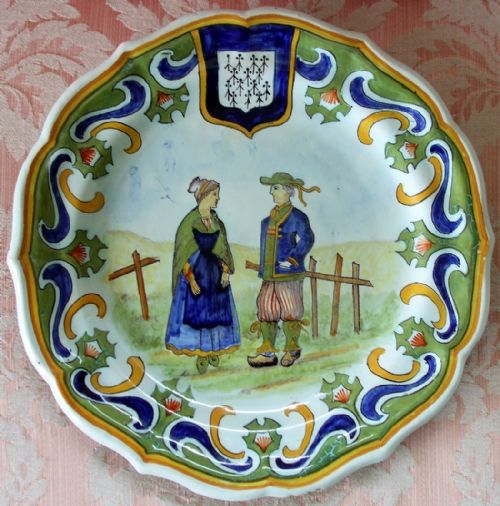
Dutch delft typically relies on specific cobalt blue palettes and distinct decorative motifs derived from trade porcelain and local scenes. French faience often incorporates different regional shaping, varied border styles, and occasionally polychrome touches alongside the blue.
Examining the foot rim and glaze characteristics helps reveal the likely European workshop origin.
Why do some plates have crazing?
Crazing is the fine network of microscopic cracks in the glaze layer caused by natural age and tension between the body and the surface. It appears frequently on centuries-old earthenware as the ceramic breathes and settles over time.
This phenomenon is a normal characteristic of antique tin-glazed pottery rather than a structural failure.