


Antique Delftware Floral Dish
An antique delftware floral dish brings hand-painted tin-glazed earthenware directly to your table, offering centuries of historic character.
Antique Delftware Floral Dish
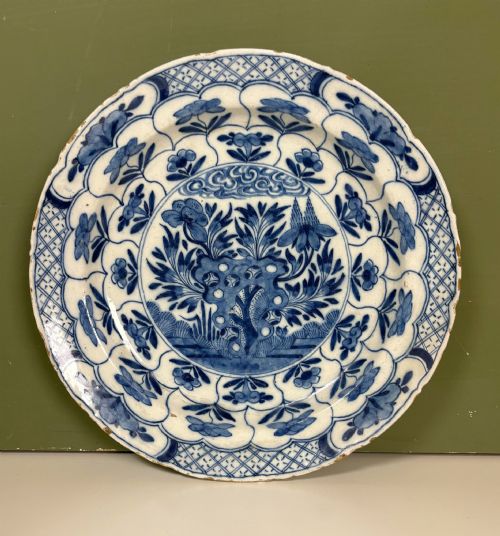
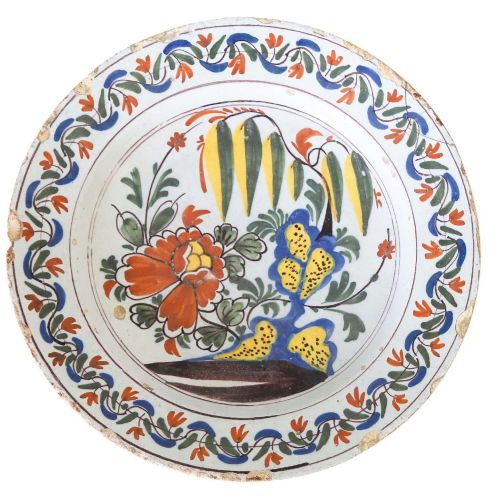
An antique delftware floral dish is a tin-glazed ceramic plate or charger dating from the eighteenth century. You will most frequently encounter larger charger plates and smaller decorative plates originating from English and Dutch workshops.
The objects span periods from the early seventeen hundreds to around eighteen hundred, capturing Georgian and Dutch Baroque styles. These pieces function as decorative plates and chargers, bearing hand-painted botanical and geometric motifs.
How They Were Made
Potters shaped these items from clay and earthenware, applying an opaque white tin glaze to create a smooth surface for painting. Artisans then decorated the unfired glaze using cobalt pigment for blue designs or multi-coloured palettes for polychrome scenes.
The ceramic body underwent kiln firing to fuse the metallic pigments into the liquid tin glaze. This traditional technique produced the characteristic glossy finish found across eighteenth-century European delftware chargers.
Listings feature earthenwares spanning the eighteenth century, incorporating Dutch Baroque and Georgian styles alongside cobalt and polychrome pigments.
What Varies in Quality
Quality rests upon the precision of the hand-painted brushwork and the clarity of the floral or geometric composition across the tin-glazed surface. Chargers with confident, expressive cobalt pigment or rich polychrome details demonstrate superior craftsmanship.
The throwing weight and overall preservation of the earthenware body distinguish standard domestic plates from exhibition-grade chargers. Early eighteenth-century examples often display subtle irregularities that reflect manual production methods.
The Antique Delftware Floral Dish Glossary
- Tin-Glazed Earthenware
- Earthenware pottery coated with a white glaze containing tin oxide, providing an opaque canvas for painted decoration. This technique defines the core material of traditional delftware.
- Charger
- A large decorative plate intended for display on walls or sideboards rather than dining use. These substantial vessels often showcase the most elaborate floral painting.
- Polychrome
- Decoration employing multiple colours rather than a single pigment like cobalt blue. Eighteenth-century potters used various metallic oxides to achieve these varied hues.
- Cobalt Pigment
- A blue mineral colourant stable at high kiln temperatures, utilised for traditional underglaze painting. It produces the deep blue tones characteristic of early delftware.
Antique Delftware Floral Dish: Frequently Asked Questions
How were delftware chargers used?
These large plates served primarily as decorative table centerpieces or wall display items in prosperous eighteenth-century households. Their generous surfaces displayed intricate floral and geometric motifs for visitors to admire.
While constructed from robust earthenware, their tin glaze made them unsuited for heavy daily dining use. Owners typically mounted them on walls or stood them in plate rails.
Are these dishes English or Dutch?
Both English and Dutch potteries produced tin-glazed chargers during the eighteenth century, sharing similar painting techniques. English workshops and Dutch centres exported vast quantities of floral plates across Europe.
Distinguishing between them often relies on subtle variations in the clay body, glaze tone, and pigment application. Both regional traditions embraced lively botanical decoration.
How do I date an antique delft plate?
Dating relies on stylistic shifts in the floral painting, glaze consistency, and the weight of the earthenware body. Eighteenth-century pieces exhibit specific blue tones and tin-glaze thicknesses characteristic of their decade of manufacture.
Earlier examples from seventeen hundred display heavier throwing techniques compared to lighter plates from seventeen eighty. Comparing the rim shape and footring offers further clues to the period.
How do I care for tin glaze?
Tin-glazed earthenware requires gentle handling to protect the brittle ceramic body and the historic glaze surface from impact. Keep these pieces away from moisture and avoid abrasive cleaning agents.
Display them securely using padded wall hangers or stable plate stands designed for antique ceramics. Gentle dusting with a dry cloth preserves the painted floral decoration.