


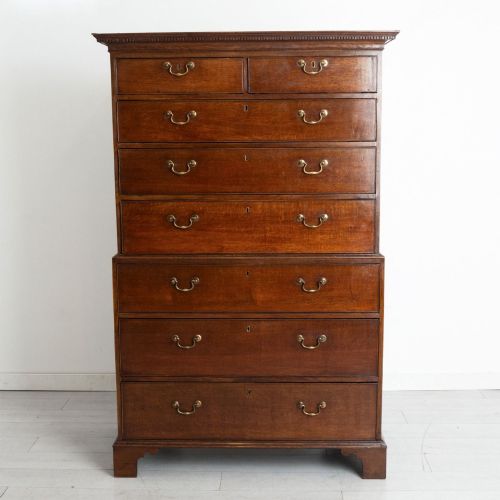
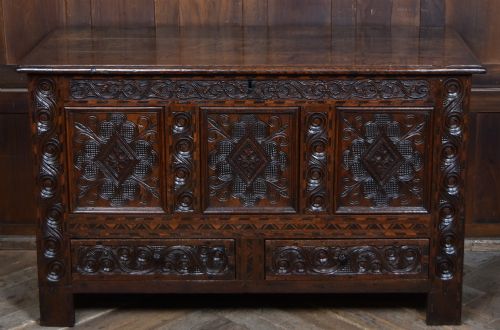
Georgian Carved Chest
A georgian carved chest brings substantial timber and period detail to a room, offering both practical storage and deep historical character.

Georgian Carved Chest
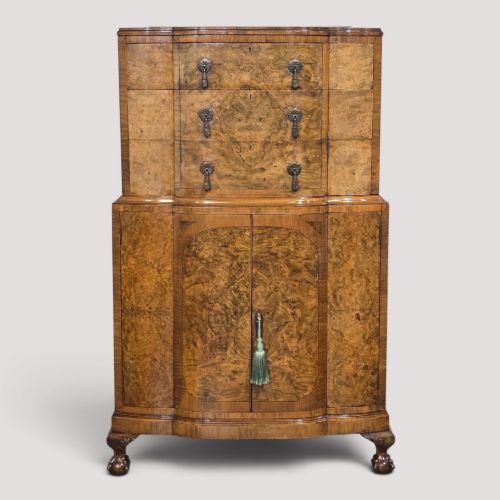
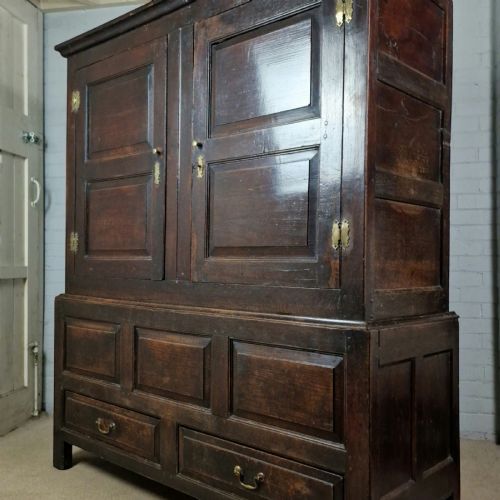
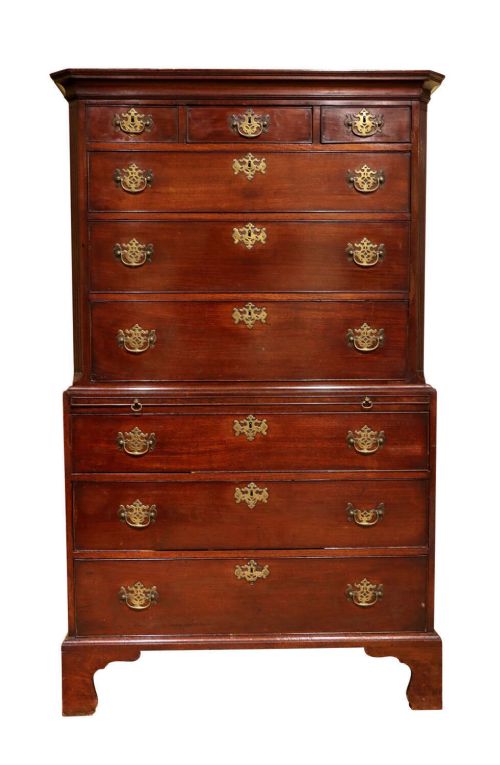
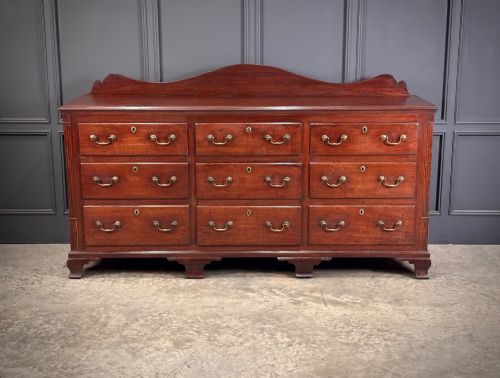
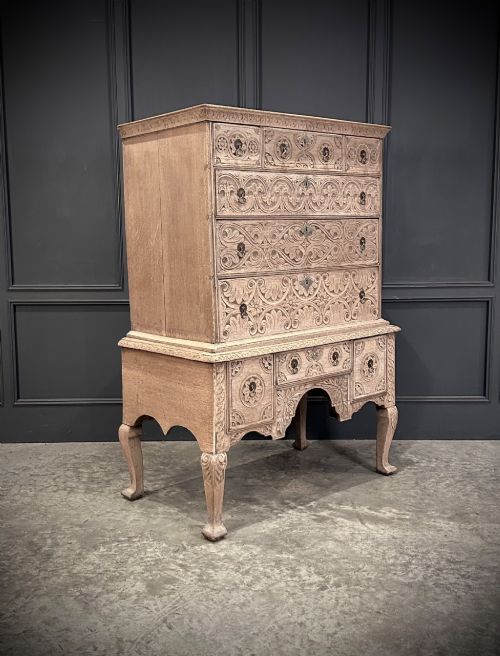
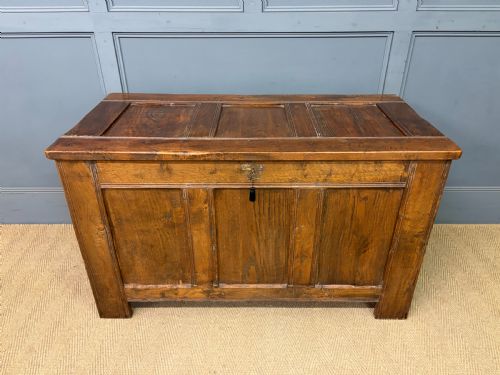
A search for a georgian carved chest directs attention to solid storage pieces originating primarily from the eighteenth century and associated revival periods. Buyers encounter heavy oak coffers, mule chests, and drawer configurations displaying surface carving and panel work.
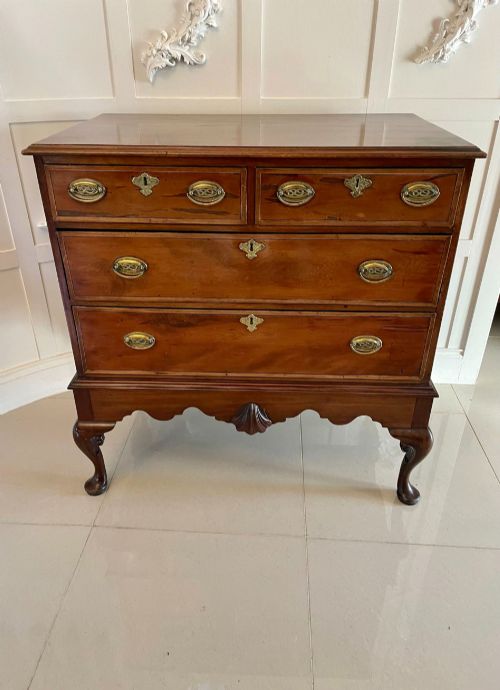
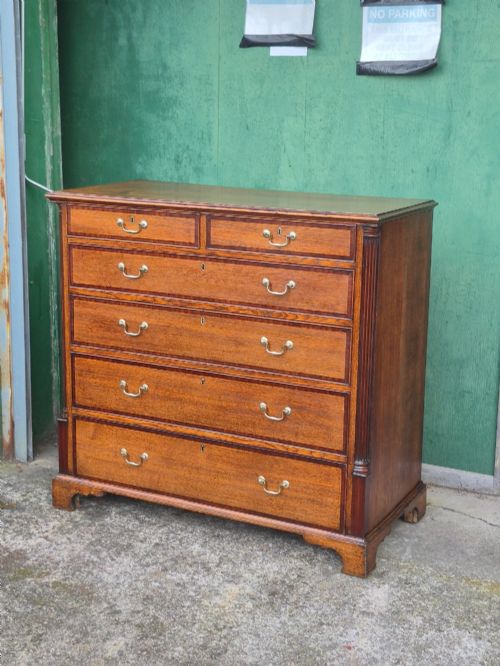
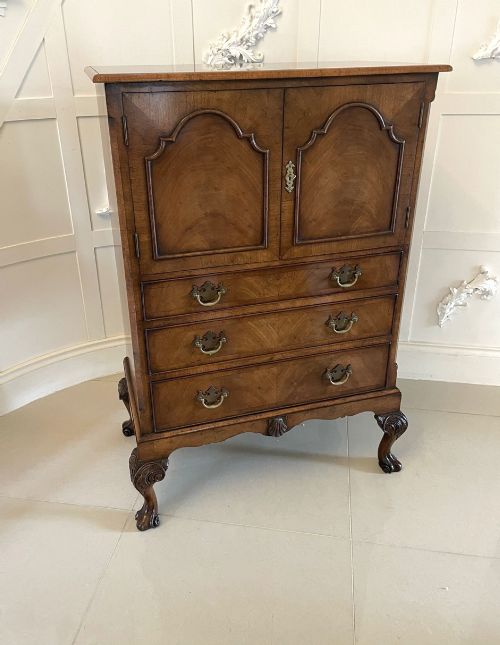
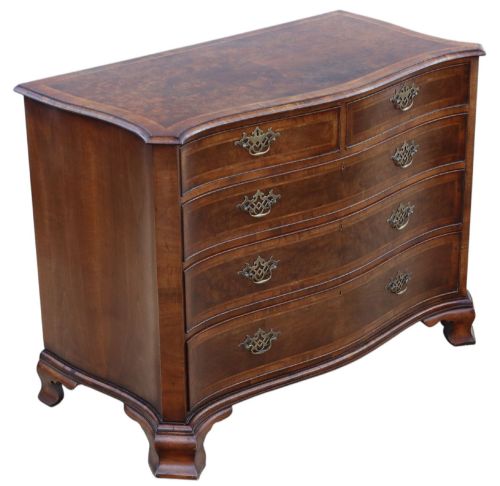
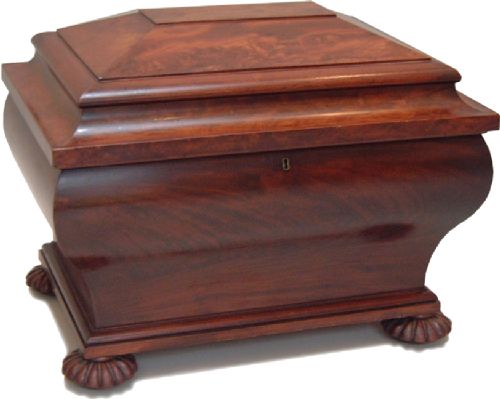
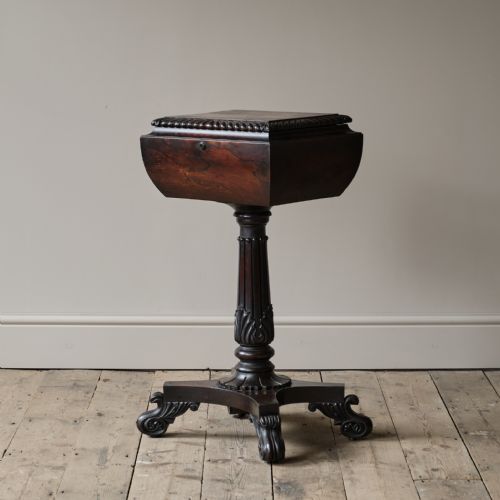
The most frequent examples on this page are oak and mahogany chests of drawers, coffers, and blanket boxes. These items range from simple boarded storage to more elaborate tripartite panel coffers and tall chests.
Origins span standard English provincial workshops alongside Welsh examples, often showing period brass hardware or original locks. The forms combine utilitarian function with ornamental carving typical of eighteenth and nineteenth century domestic furniture.
How they were made
Makers built these pieces primarily using solid oak and mahogany, occasionally incorporating burr walnut, elm, or pine for internal elements. Panels were pegged and timber was hand-dressed, showing the tool marks and structural variations characteristic of pre-industrial cabinet work.
Carving was executed by hand directly into the dense grain of the timber, utilising gouges and chisels to form geometric patterns, scrolls, or figurative motifs. Surface finishes relied on natural waxes and oils applied over decades of handling.
Listings feature oak, mahogany, and burr walnut across eighteenth and nineteenth-century forms including coffers, mule chests, and tallboys.
What varies in quality
The distinction between standard and superior pieces rests on the crispness of the hand carving and the integrity of the timber. Deeply relief-carved panels with well-defined edges command greater attention than shallow or later applied decoration.
Proportion and originality dictate value in this category. Pieces retaining their original brass handles, locks, feet, and uncompromised structural timber represent the higher standard of surviving examples.
The Georgian Carved Chest Glossary
- Cofer
- A large solid chest used traditionally for storing valuables or linen. These typically feature hinged lids and sturdy boarded or panelled construction.
- Mule chest
- A storage chest fitted with one or more drawers at the base beneath the main compartment. This form bridges the traditional cofer and the modern chest of drawers.
- Crossbanded
- A decorative technique where thin strips of veneer are laid across the grain around the perimeter of a drawer front or top. This creates a contrasting border effect in the timber.
- Blind fret
- An ornamental carved band resembling fretwork applied flat to a solid surface without pierced openwork through the wood. It is frequently seen on cornices of mid-eighteenth-century case furniture.
Georgian Carved Chest: Frequently Asked Questions
What is the difference between a cofer and a mule chest?
A cofer is a deep storage box with a single top-opening lid, primarily designed for blankets and garments.
A mule chest incorporates one or more drawers beneath the main storage compartment, allowing access to items without opening the top lid.
How do I care for an antique oak chest?
Keep wooden storage pieces away from direct heat sources and sudden humidity shifts to prevent timber splitting.
Apply a traditional beeswax polish occasionally to nourish the grain and maintain a protective surface sheen.
Are these chests suitable for daily bedroom use?
Drawer chests and mule chests provide practical storage that fits seamlessly into modern bedroom layouts.
Coffers serve effectively at the foot of a bed or in hallways for linen and seasonal garments.
How can I tell if the carving is original?
Original period carving shares the same patination, wear patterns, and wood species as the surrounding timber frame.
Later carved additions often display raw tool marks and a lighter finish that contrasts with the aged surface underneath.