
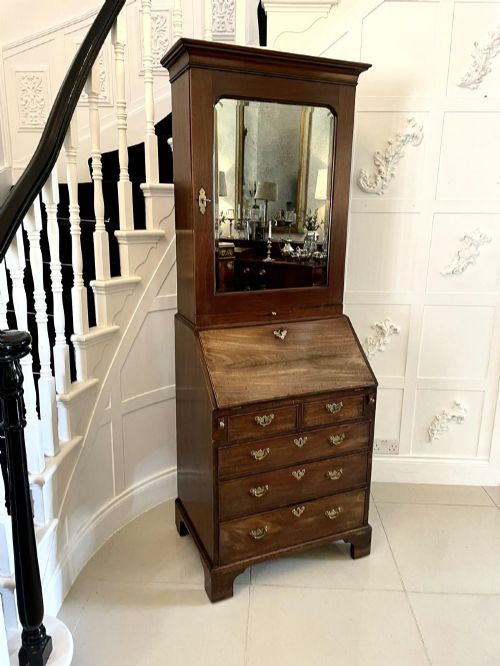
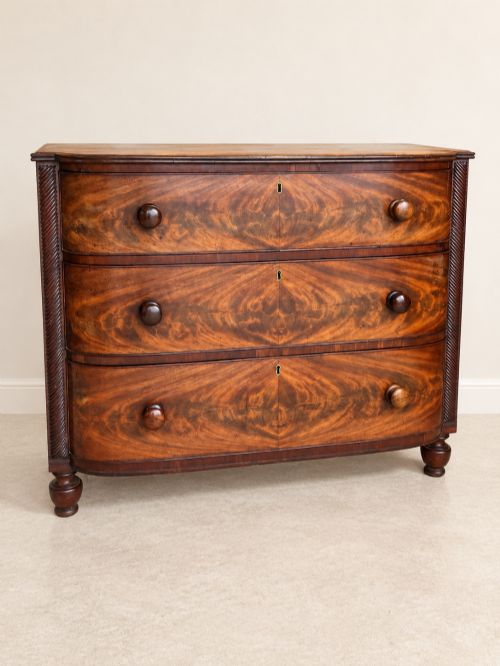


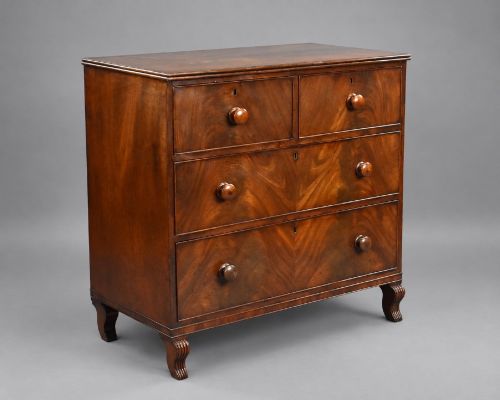
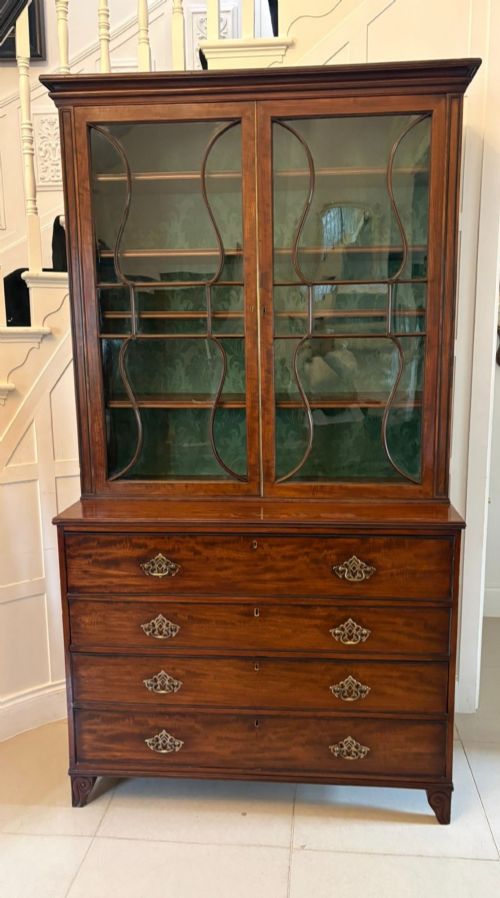
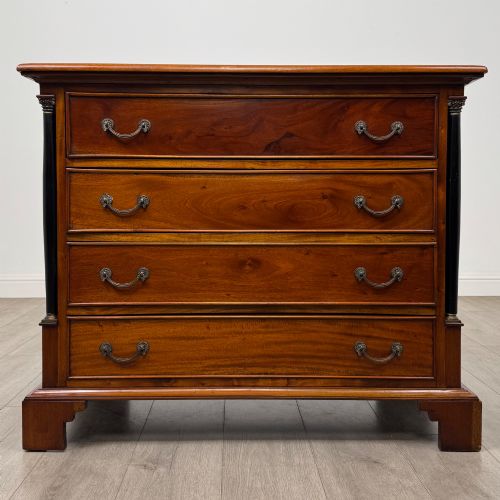
Georgian Bureau Chest
A georgian bureau chest combines practical drawer storage with a fitted writing desk, offering period craftsmanship for daily use.
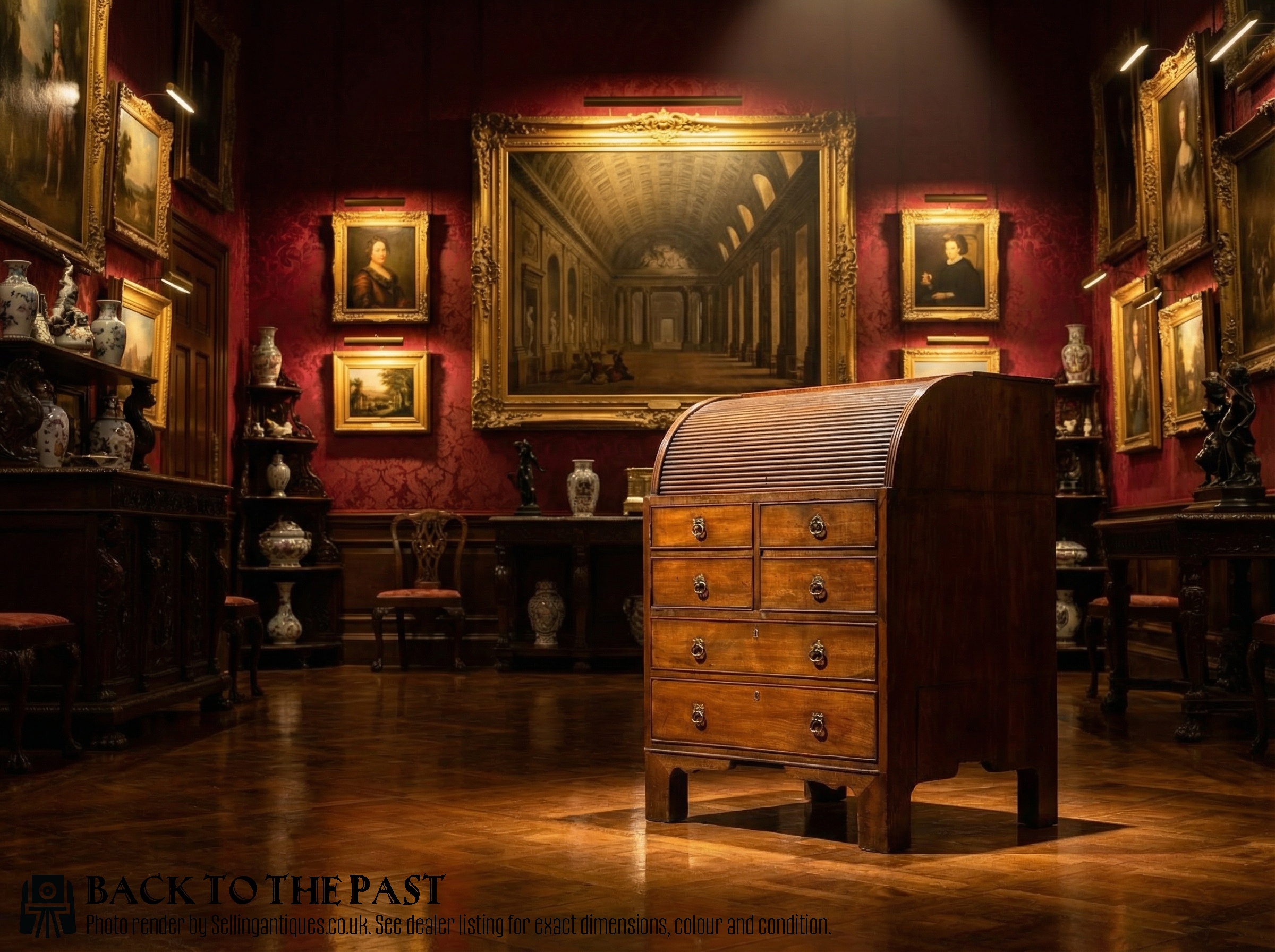
Georgian Bureau Chest
A georgian bureau chest brings together a chest of drawers and a writing surface, originating during the 18th century as a versatile household piece.
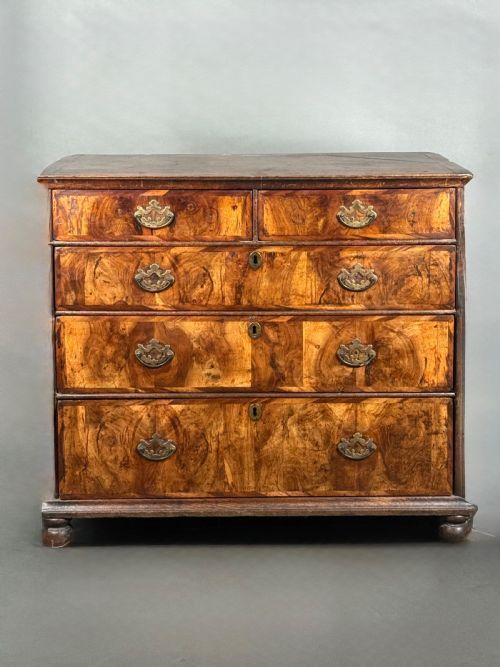
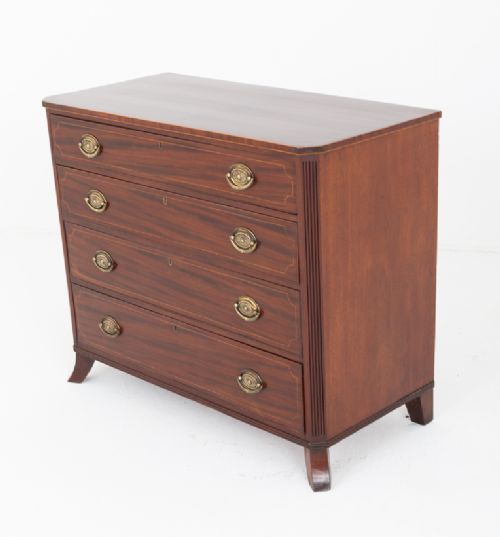
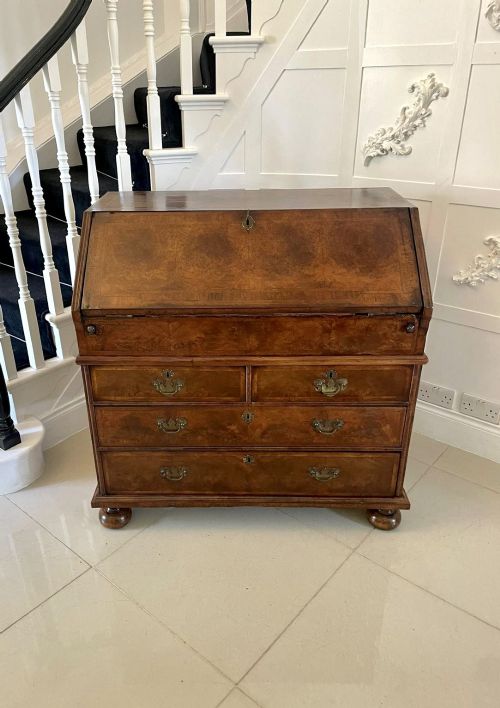
Buyers frequently encounter mahogany and oak examples from the Georgian and Regency periods, alongside walnut pieces from earlier decades.
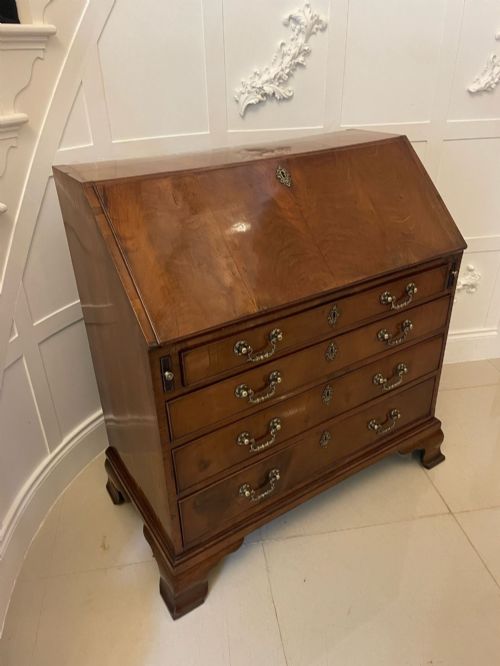
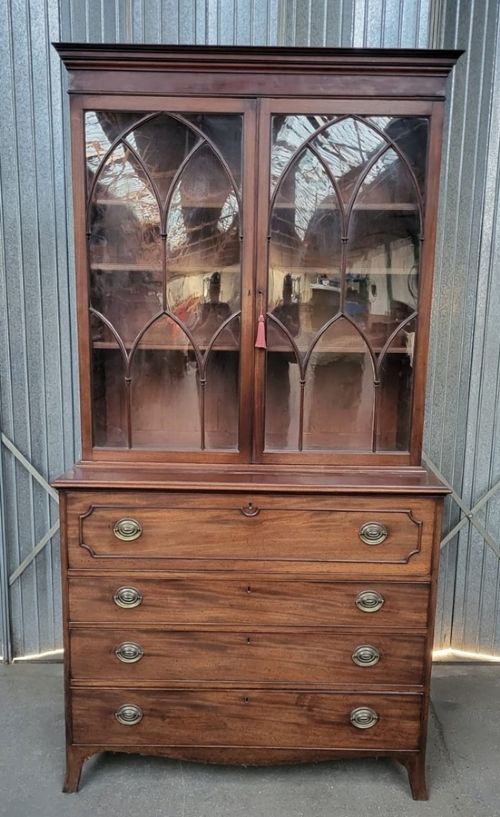
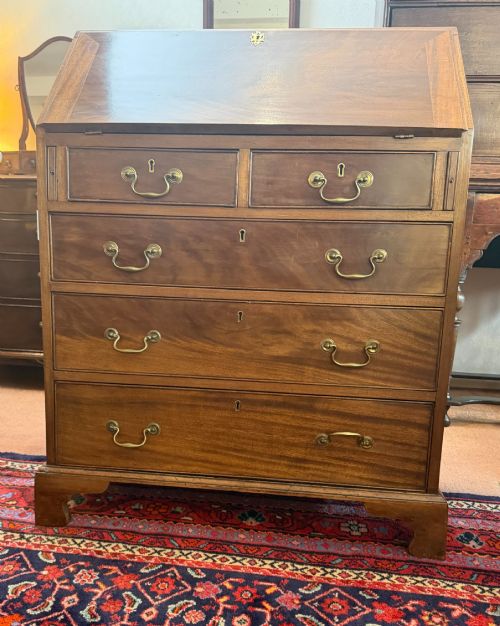
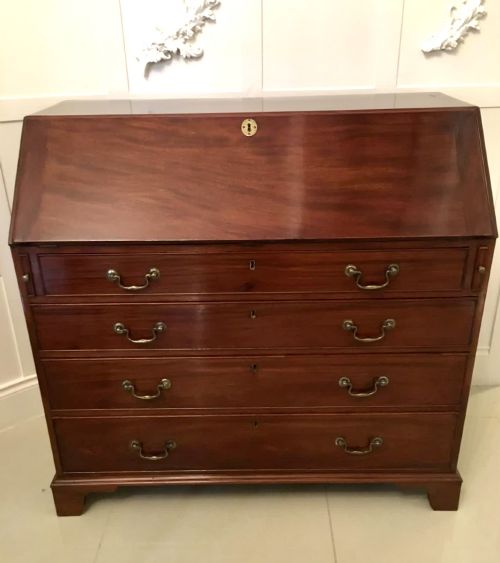
The form typically pairs a fall-front writing flap or secretaire drawer with multiple lower drawers for storage.
Materials and technique
Cabinet makers utilised solid mahogany, oak, and walnut, often applying figured veneers and flame mahogany to primary surfaces.
Drawer construction relies on hand-cut dovetails, while brass handles and escutcheons secure the functional hardware.
Georgian Bureau Chest Retail Price Guide 2026
Typical asking prices for georgian bureau chest among the pieces listed under this phrase on Sellingantiques today, from the lower quarter to the upper quarter. They describe what is for sale here now, not the wider market.
The documented styles range from Queen Anne and George II through to Regency, George IV, and Edwardian interpretations.
Judging construction
Higher quality examples display careful timber selection, such as matching grain patterns across drawer fronts and fall flaps.
Interior fittings reveal the standard of work, where small pigeonholes, secret compartments, and leather writing surfaces demonstrate meticulous attention to detail.
The Georgian Bureau Chest Glossary
- Bureau
- A desk featuring a sloping hinged lid that drops down to reveal a fitted interior of small drawers and pigeonholes.
- Secretaire
- A cabinet or chest containing a pull-out drawer fitted for writing, often disguised to look like a standard drawer.
- Brushing slide
- A pull-out shelf located above the top drawers, originally utilised for sorting papers or grooming.
- Fall front
- The hinged writing flap of a bureau that lowers to a horizontal position for writing.
- Serpentine front
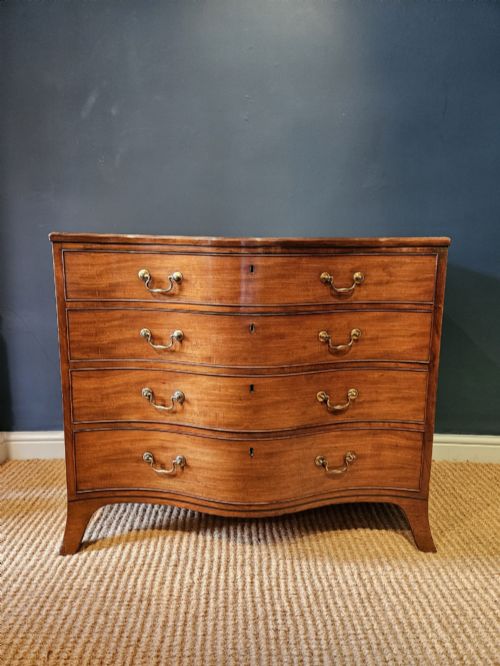
- A cabinet front featuring a convex centre flanked by concave curves, demanding high woodworking skill.
Georgian Bureau Chest: Frequently Asked Questions
How do I use a bureau chest today?
The drop-front flap provides a practical writing surface for a laptop or notebook while concealing clutter inside the fitted interior when closed.
The lower drawers offer substantial storage for clothing or household linens, making these pieces functional in modern bedrooms or studies.
What is the difference between a bureau and a secretaire?
A traditional bureau uses a sloping lid that folds downward to expose the inner compartments and writing space.
A secretaire incorporates the desk mechanism behind a pull-out drawer front that opens horizontally, maintaining the external appearance of a standard chest of drawers.
How do I date a georgian bureau chest?
Examining the secondary woods inside the drawer linings, the style of the brass hardware, and the construction methods helps determine the age.
Earlier pieces from the 18th century often feature walnut or oak with candle-box interiors, while later Regency and 19th-century examples frequently utilise mahogany and flame veneers.
Where should I place a bureau chest in my home?
These compact pieces fit well in home offices, living rooms, or hallways where floor space is limited yet surface area is required.
Ensuring adequate clearance in front of the piece allows the fall-front flap to open fully without obstruction.