

Georgian Blue White
When you search for georgian blue white, you uncover a rich heritage of ceramic artistry produced across the eighteenth and nineteenth centuries.
Georgian Blue White
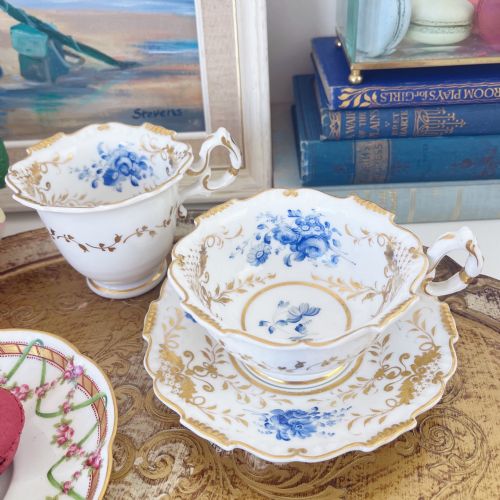
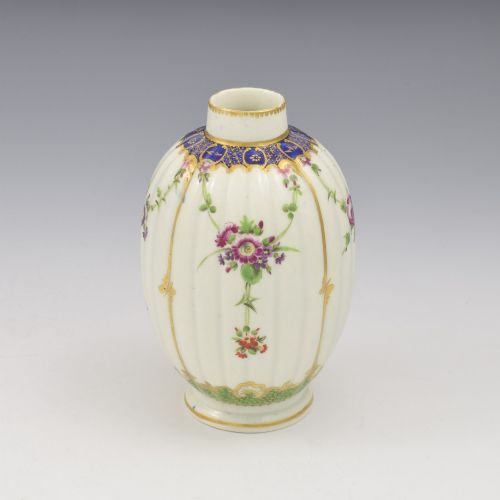
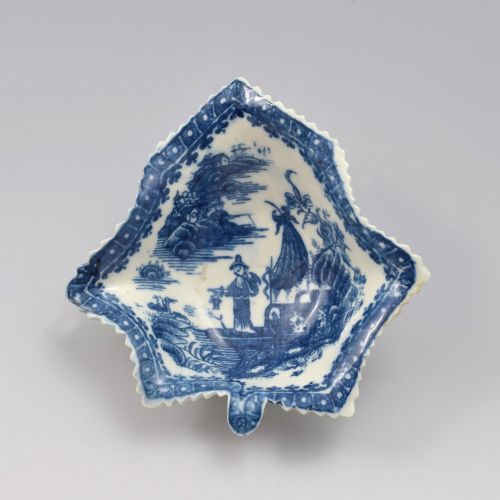
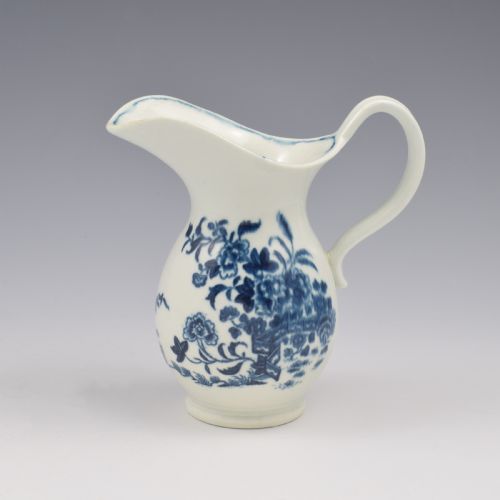
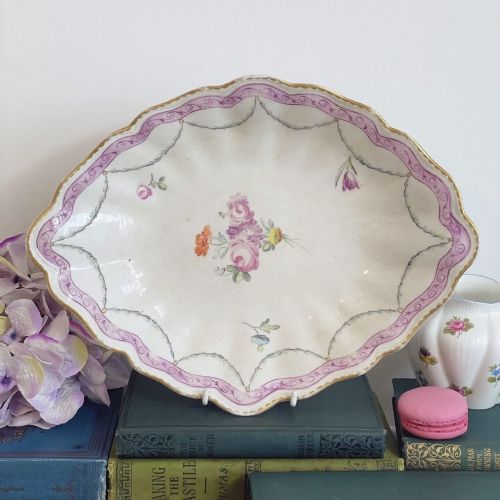
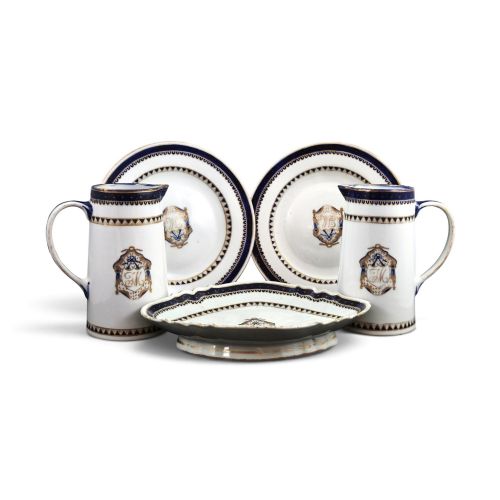
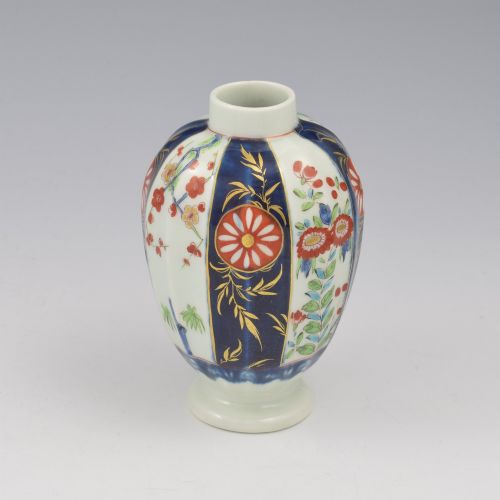
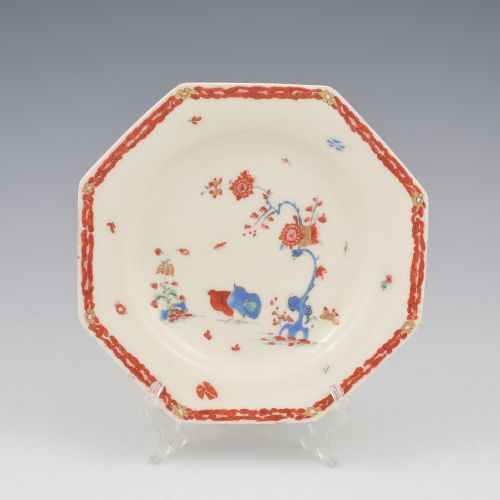
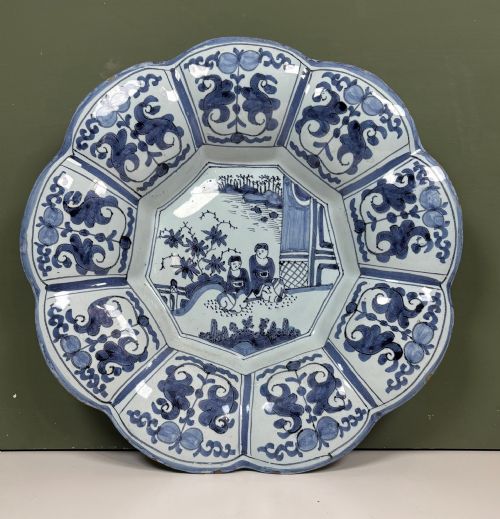
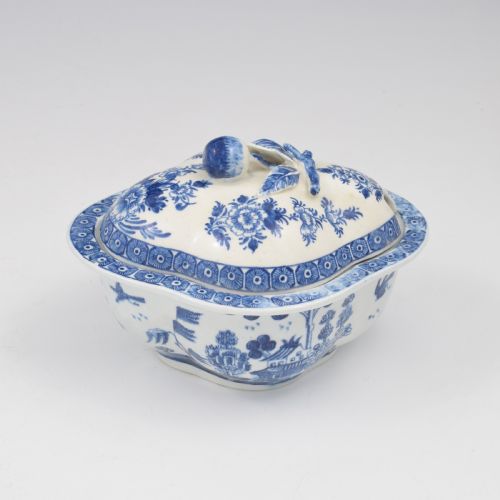
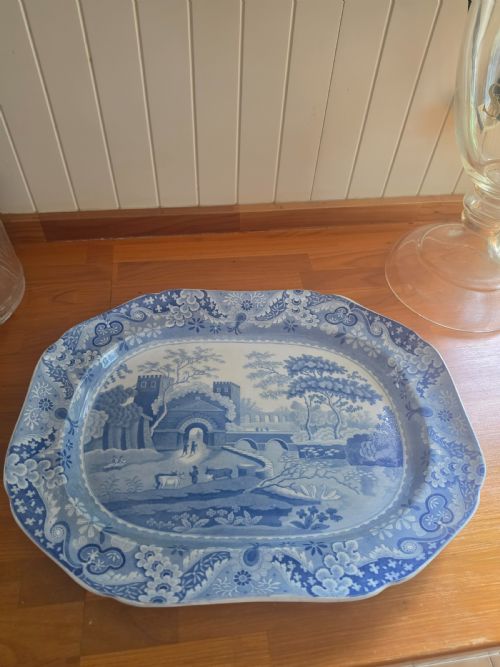
The objects gathered under georgian blue white encompass a diverse array of domestic ceramics spanning the eighteenth and nineteenth centuries, including the Georgian, Regency, and Victorian eras. Buyers encounter functional and decorative tableware such as serving platters, tureens, tea canisters, plates, and pickle dishes alongside tin-glazed chargers and soft-paste porcelain.
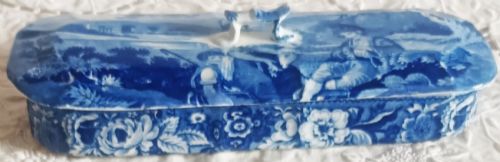
The material origins of these pieces range from Staffordshire pottery and English earthenware to Chinese export porcelain and Dutch delftware. Many examples display transfer-printed topographical scenes, historical narratives, or botanical motifs applied onto white earthenware and porcelain bodies.
How They Were Made
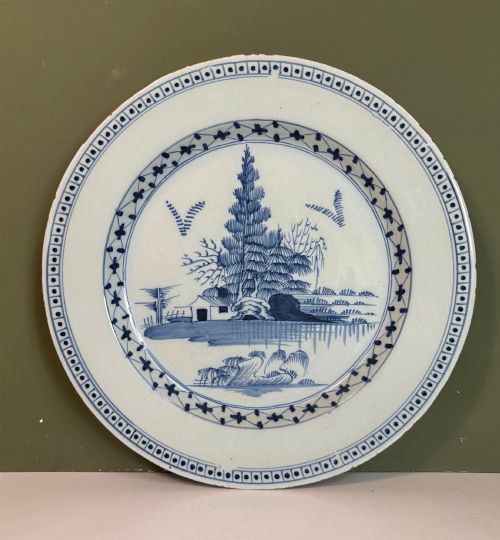
Potters utilised earthenware, soft-paste porcelain, and tin-glazed compositions, shaping them into tableware, hollowware, and decorative chargers through throwing, moulding, and pressing. Artisans applied cobalt blue pigments either by handpainting delicate botanical and figural scenes or by employing transfer-printing techniques derived from copper plates.
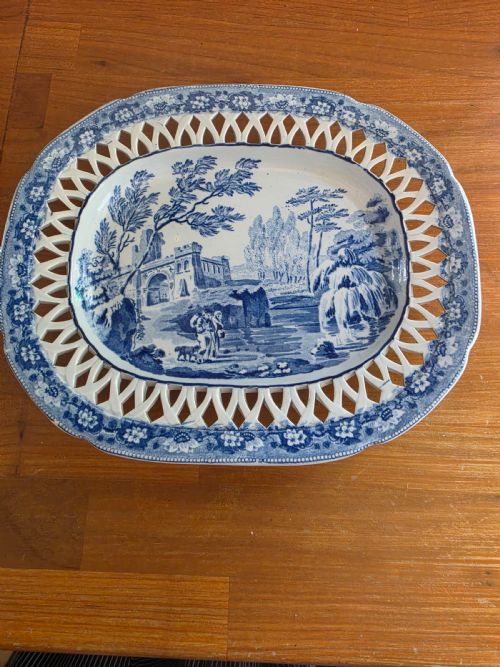
Finished pieces received transparent lead or tin glazes before undergoing high-temperature kiln firing to fuse the cobalt decoration into the vitreous surface. Certain productions incorporated specialised bodies such as New Stone or incorporated reticulated openwork baskets formed while the clay was pliable.
Listings feature earthenware, soft-paste porcelain, and tin-glazed earthenware across plates, tureens, serving platters, and baskets.
What Varies in Quality
The crispness and clarity of the cobalt blue transfer print dictate the visual success of a piece, with blurriness indicating worn copper plates or hasty application during printing. Handpainted specimens reveal their tier through the brushwork fluidity, precision of detail, and vibrancy of the cobalt pigment against the underlying glaze.
H & R Daniel·Dr Wall Worcester·Caughley Porcelain·Derby Porcelain·Spode·Davenport·Minton·John Rogers And Son·Robert Hamilton·J And R Clews·J And W Riley·Stubbs·New Hall·William Walsh·Herculaneum
The Georgian Blue White Glossary
- Transferware
- Earthenware or porcelain decorated by printing a design from an engraved copper plate onto tissue paper and transferring it to the unglazed or bisque ceramic body.
- Tin-Glazed Earthenware
- Pottery covered with a glaze made opaque by the addition of tin oxide, providing a white surface for painting in cobalt blue.
- Soft-Paste Porcelain
- A vitreous ceramic composed of clay and glass frit fired at lower temperatures than hard-paste porcelain, common in eighteenth-century English factories.
- Reticulated
- Formed with an openwork lattice or pierced network design, frequently seen on chestnut baskets and dessert plates.
- Chinoiserie
- European decorative motifs inspired by Chinese artistic styles, prevalent on eighteenth-century ceramics.
Georgian Blue White: Frequently Asked Questions
What periods do these pieces date from?
The items span the eighteenth and nineteenth centuries, encompassing the Georgian, Regency, and Victorian periods. Most ceramic production clusters around the late seventeen hundreds through the early decades of the nineteenth century.
Specific manufacturing dates often align with the reigns of George III, George IV, and William IV, reflecting distinct aesthetic shifts from handpainted porcelain to mass-produced transfer-printed earthenware.
How were these blue and white ceramics used?
These pieces served practical and decorative functions within formal and domestic dining settings across British households. Platters, tureens, and meat plates managed multicourse meals, while tea canisters, cups, and bowls accommodated social beverage rituals.
Finely painted chargers, baskets, and ewers additionally functioned as display items on sideboards or mantelpieces to exhibit household refinement and host families' global tastes.
How do I care for antique ceramic tableware?
Gentle hand washing in lukewarm water with mild soap preserves the delicate glazes and historical integrity of these earthenwares and porcelains. Avoid dishwashers, harsh abrasives, and soaking, which can penetrate porous historical bodies or weaken old repairs.
Display pieces should be positioned away from direct sunlight and unstable environments to protect fragile soft-paste bodies and historic enamel or glaze surfaces from degradation.
How can I tell transferware apart from handpainted pieces?
Transfer-printed items display a uniform, pixel-like dot matrix or continuous fine lines under magnification, representing the ink transferred from an engraved copper plate. Handpainted ceramics reveal individual brushstrokes, variations in pigment density, and subtle human irregularities.
Printed outlines are sometimes paired with hand-applied washes of blue colour, merging both techniques within a single eighteenth or nineteenth-century vessel.