



George II Desk Table
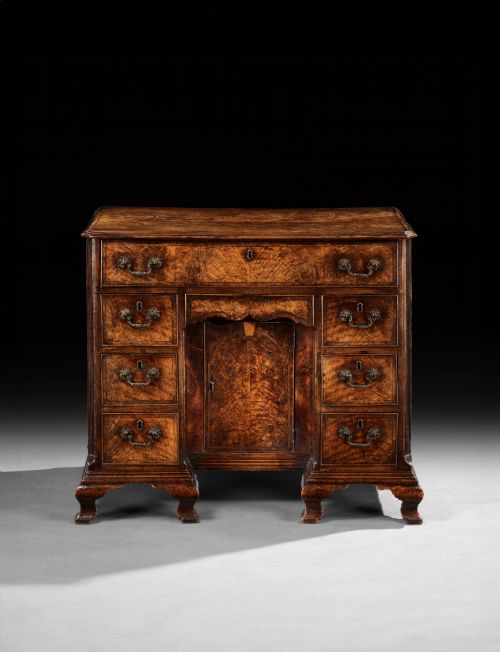
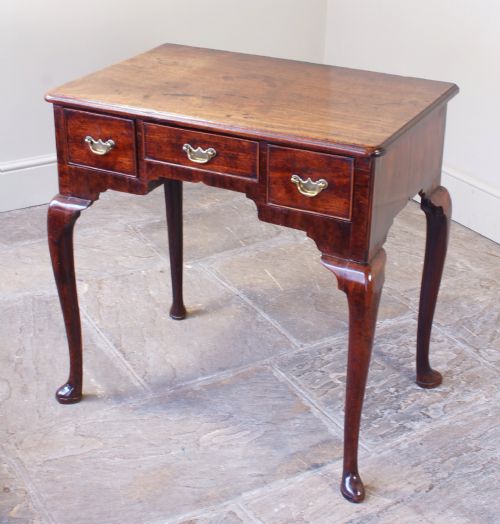
These pieces combine compact proportions and polished timber, offering a george ii desk table that serves as both a practical writing surface and a handsome room centrepiece.
George II Desk Table
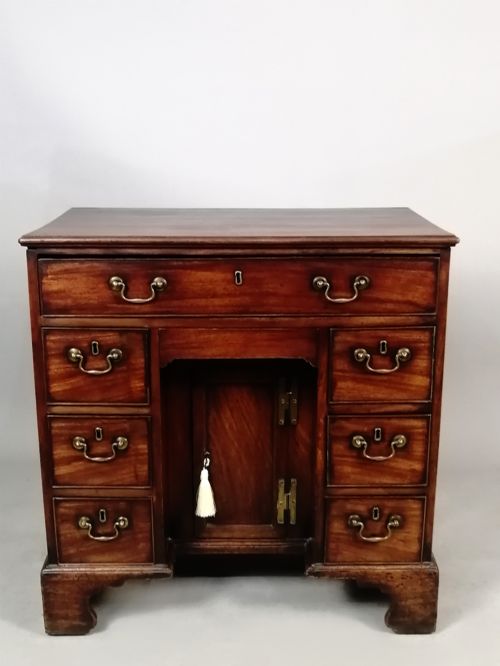
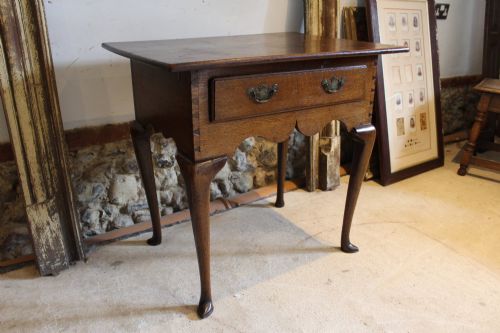
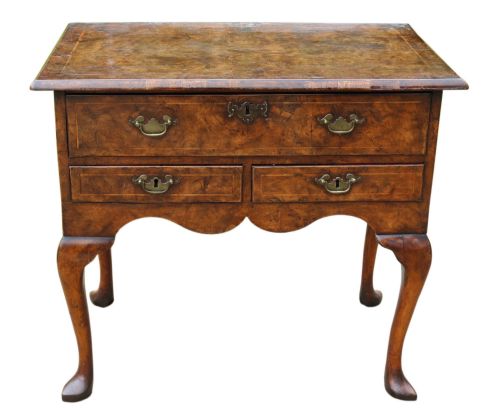
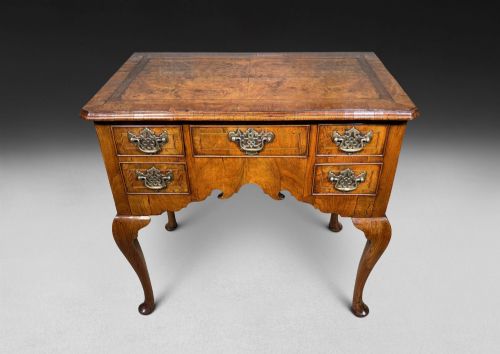
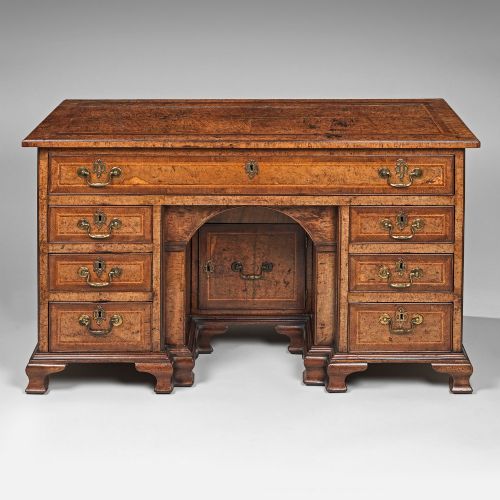
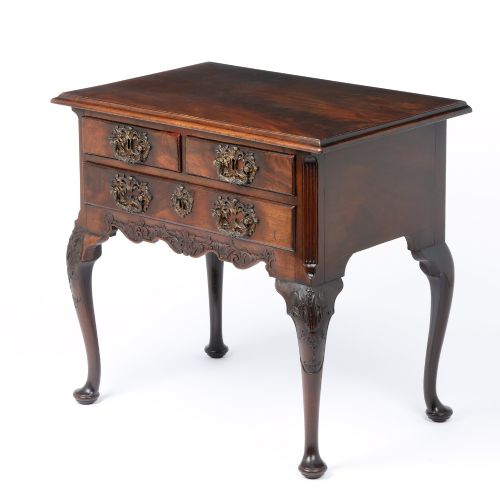
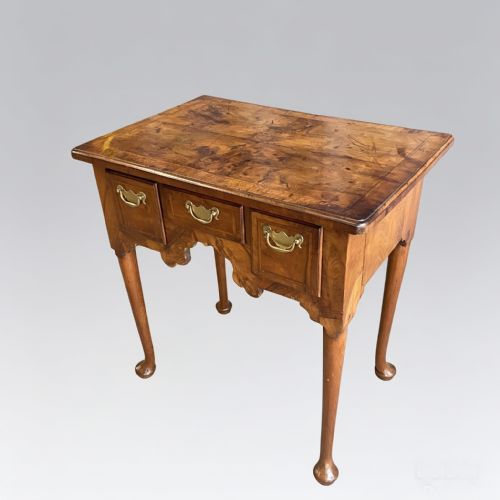
A george ii desk table encompasses versatile writing furniture, lowboys, and side tables originating primarily from the eighteenth century alongside later revival pieces. Buyers encounter compact kneehole desks, multi-drawer dressing tables, and lowboys equipped with single or triple drawers designed for domestic utility.
The selection ranges from period walnut and oak examples to later Victorian and Edwardian interpretations in mahogany and burr elm. Most listings focus on lowboys and kneehole desks that display the characteristic modest scale and refined drawer arrangements of the mid eighteenth century.
Materials and construction
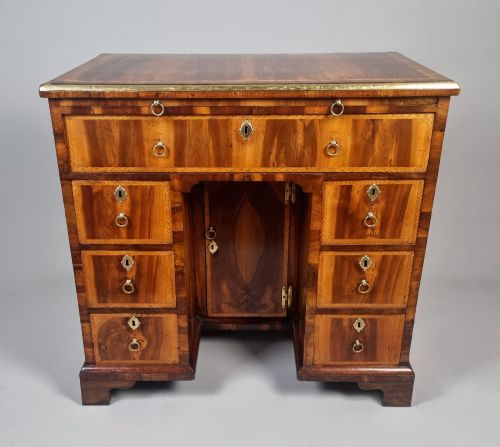
Cabinetmakers utilised dense hardwoods including walnut, mahogany, oak, and fruitwood, frequently applying burr veneers and decorative feather banding to drawer fronts and top surfaces. Construction methods rely on traditional joinery paired with original brass hardware such as drop handles and escutcheons.
Timber selection dictated the visual character, with figured walnut and fiddleback grain chosen for decorative impact while sturdy oak and mahogany provided structural stability for daily writing and dressing tasks.
Evaluating the craftsmanship
The distinction between standard examples and superior pieces rests on the choice of timber veneer and the retention of original surface patination. Exemplary pieces display harmonious grain matching across drawer fronts and untouched brasses that reflect the exact period of manufacture.
Subtle details such as precise feather banding, clean dovetail joinery, and secondary woods like oak inside drawer linings indicate the care taken by the original cabinetmaker. Later revival pieces differ through the uniformity of machine-prepared timber and twentieth-century hardware.
The George II Desk Table Glossary
- Lowboy
- A small utility table featuring one or more rows of drawers beneath a flat top, commonly used as a dressing or side table during the eighteenth century.
- Kneehole desk
- A compact writing desk featuring a central recessed space for the user's legs, flanked by pedestals of stacked small drawers.
- Feather banding
- An ornamental inlay technique using thin strips of veneer arranged in a herringbone pattern around the perimeter of table tops and drawer fronts.
- Fiddleback walnut
- A highly figured timber grain displaying rippled patterns resembling the back of a violin, prized for its decorative optical movement.
- Brass hardware
- Functional and decorative metal fittings including handles, drawer pulls, and keyhole escutcheons cast or stamped in brass.
George II Desk Table: Frequently Asked Questions
How do I use a lowboy today?
These compact tables fit easily into hallways, bedrooms, or living spaces as slim writing surfaces or display stands. Their shallow drawers provide useful storage for stationery and small household items without dominating the room.
They pair well with a simple stool or chair, functioning effectively as a traditional dressing table or a decorative side table beneath a mirror.
Are these desks comfortable for daily writing?
Eighteenth-century kneehole desks and writing tables were built to domestic proportions that are lower and shallower than modern office furniture. They accommodate laptop use and occasional correspondence rather than heavy daily administrative work.
Kneehole clearance depends on the specific pedestal design, so checking the internal height between the floor and the underside drawer rail is advisable.
How can I tell period pieces from revival pieces?
Period pieces from the eighteenth century show natural timber oxidation, hand-cut dovetails, and wear patterns consistent with extended age. The structural timbers and secondary woods inside drawers typically consist of oak or pine characteristic of the period.
Revival pieces built during the Victorian or Edwardian eras utilise machine-sawn elements, tighter standardised joinery, and finishes that lack the depth of historic polish.