
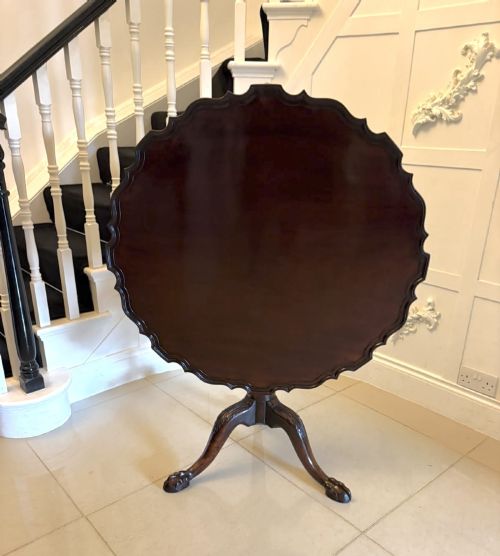
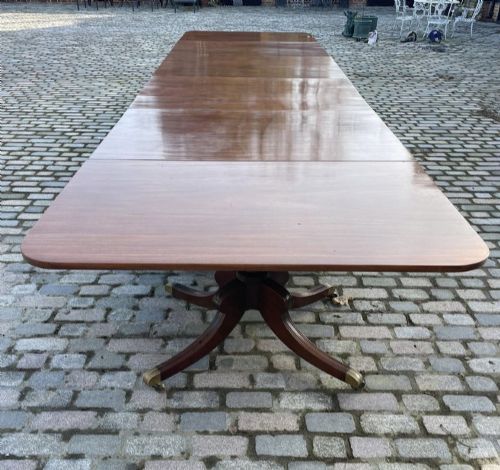
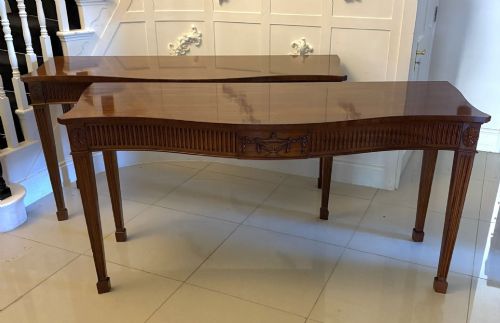

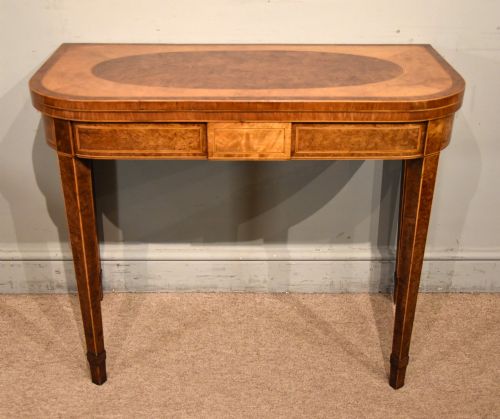
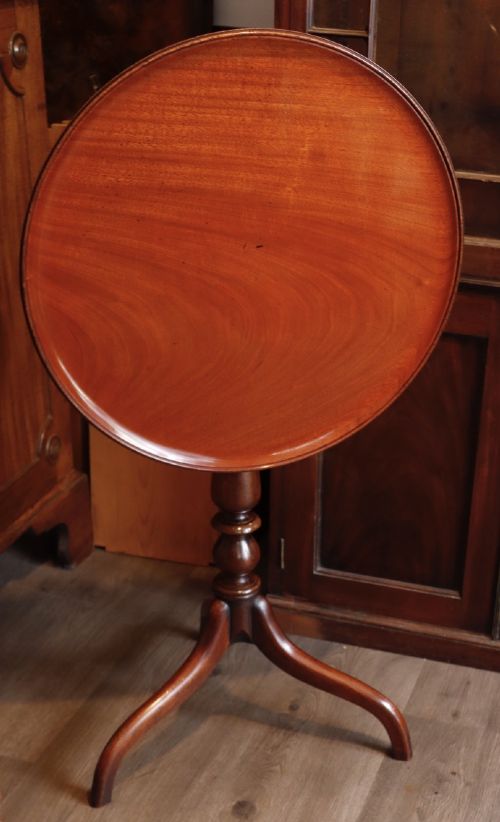
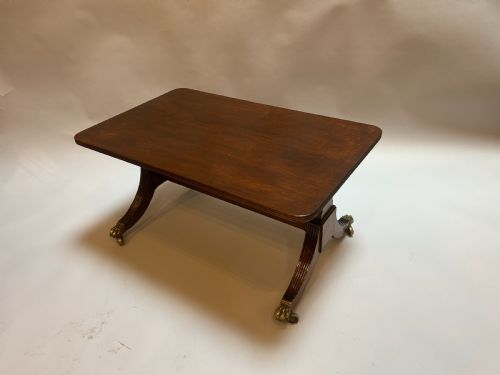
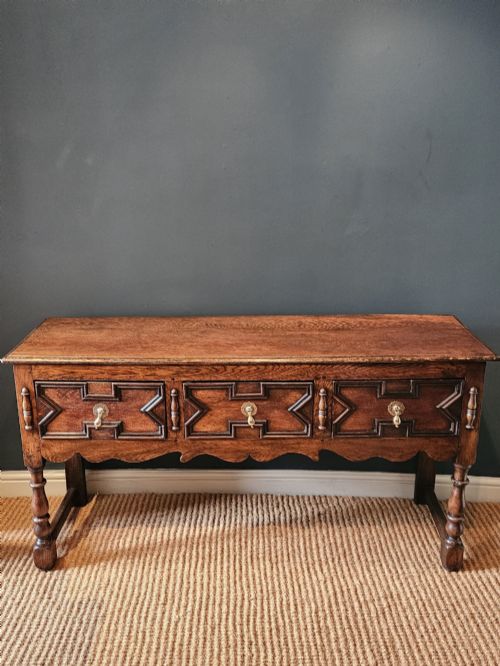

George I Style Table
A george i style table brings the balanced proportions and warm walnut surfaces of early eighteenth-century furniture into modern rooms.
George I Style Table
When searching for a george i style table, a buyer encounters pieces designed to emulate the distinct forms of the early eighteenth century, often constructed during later periods such as the early twentieth century or the Victorian era.
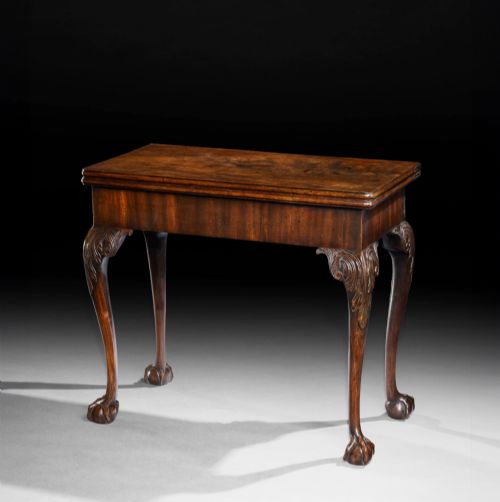
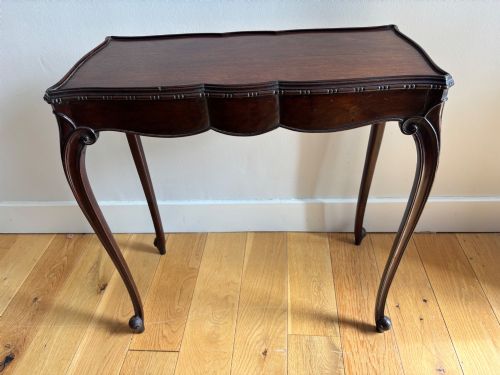
These items typically appear as side tables, games tables, lowboys, and lamp tables, echoing the characteristic cabriole legs, pad feet, and restrained ornamentation of the original era.
The versions most frequently met on this page combine walnut veneers, feather-banding, and quarter-veneered tops, capturing the aesthetic of the reign without necessarily dating to the 1700s.
Materials and construction methods
Makers rely primarily on walnut, often enhanced by intricate feather-banding and decorative veneers applied to secondary timbers to achieve rich surface patterns.
Cabinetmakers employ traditional joinery techniques, shaping cabriole legs from solid wood and incorporating folding leaves or concertina actions on games and tea tables.
Listings feature walnut, mahogany, and satinwood materials across occasional tables, games tables, and lowboys spanning Georgian to Edwardian periods.
Factors that define quality
The standard of a george i style table depends heavily on the depth and figure of the walnut veneer, alongside the crispness of any carved details on the knees and feet.
Construction integrity, such as the neatness of feather-banding and the smooth operation of folding tops or drawers, separates workshop productions from mass-manufactured items.
George Bullock·Giles Grendey·Gillows of Lancaster·Mappin And Webb·George Walton
The George I Style Table Glossary
- Cabriole leg
- A furniture leg that curves outward at the knee and tapers inward toward the ankle, ending in a pad or claw foot. This design mimics animal limbs and appears frequently on tables from the early eighteenth century onward.
- Feather-banding
- A decorative inlay technique using small strips of veneer arranged in a herringbone pattern to frame drawer fronts or table tops. It provides a subtle border that highlights the grain of the primary wood.
- Lowboy
- A small dressing table or side table featuring a low set of drawers beneath a flat top. These pieces often stand on slender cabriole legs and serve multiple functions in domestic interiors.
- Quarter-veneered
- A method of arranging four matching slices of wood veneer sliced from the same log to create a symmetrical, diamond-like pattern across a surface. This technique showcases the natural figuration of walnut.
- Concertina action
- An expanding frame mechanism used on folding tables that extends outward like an accordion to support an open top leaf. It allows dining and gaming tables to double their surface area securely.
George I Style Table: Frequently Asked Questions
What defines a george i style table?
A george i style table replicates the characteristic design elements of the early eighteenth century, focusing on walnut timbers, cabriole legs, and subdued decorative banding rather than heavy carving.
Many examples found today date from later revival periods like the early twentieth century, yet they retain the compact scale and refined silhouettes of the original era.
How are these tables used today?
These pieces function easily as lamp tables, bedside stands, or compact side surfaces in sitting rooms and hallways.
Fold-over games tables and lowboys also serve effectively as writing desks or display surfaces while adding period character to domestic spaces.
Are these tables solid walnut?
Most examples utilise cabinet timbers such as oak or pine as a stable base, which is then covered with fine walnut veneers across the visible top and drawer fronts.
Inlays like feather-banding and cross-banding are applied to these veneered surfaces to create decorative borders and visual depth.
How do I distinguish age in these tables?
Distinguishing the age of a revival piece from an eighteenth-century original involves examining the interior secondary woods, construction marks, and the characteristics of the veneer layers.
Later interpretations often display consistent machine finishing and standardised fixings hidden beneath the traditional walnut exterior.