






Gold Leaf Coffee Table
A gold leaf coffee table brings brilliant metallic presence and historic European style directly into a modern room.
Gold Leaf Coffee Table
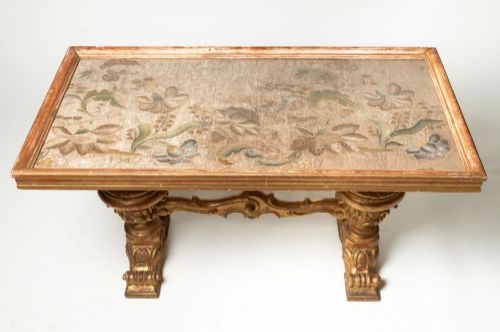
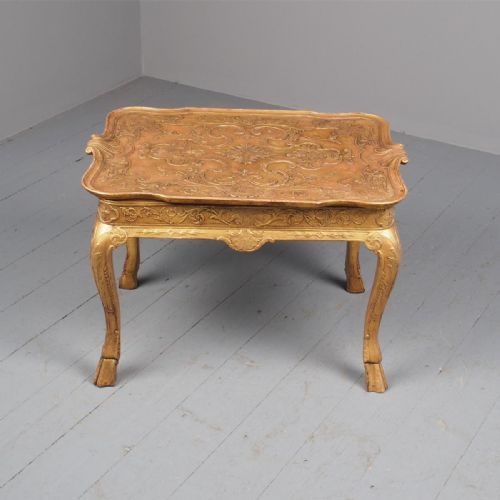
A gold leaf coffee table encompasses low serving surfaces and occasional pieces finished with brilliant metallic leaf or gilt treatments. These pieces draw heavily on historic European vocabularies, ranging from Italian Baroque and French Rococo to William IV and George I revival styles.
Buyers browsing this selection most frequently encounter low tables, nest sets, and occasional surfaces dated from the nineteenth century into the early twentieth century. Many incorporate carved wooden frames paired with contrasting marble tops or lacquered finishes.
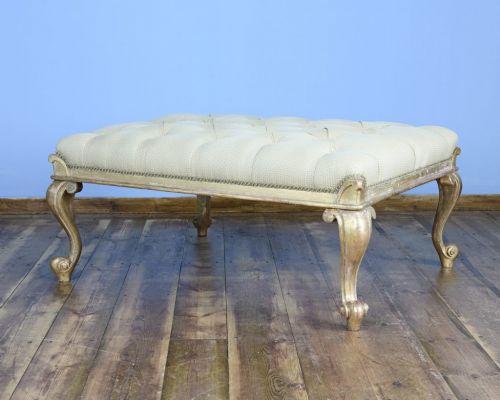
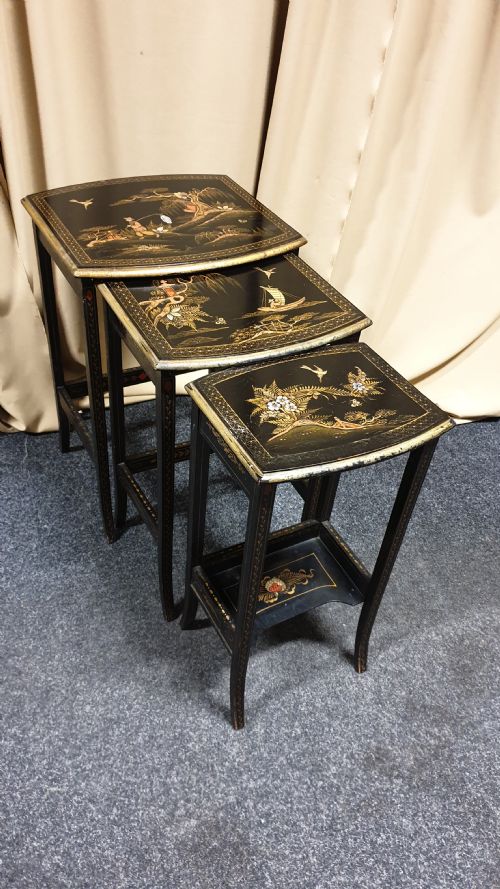
Alongside conventional low tables, the inventory includes related forms such as parcel gilt footstools and nests of tables. These diverse formats share a common decorative ambition, relying on gilded surfaces to catch the light.
How they were made
Maker construction relies heavily on traditional woodworking techniques applied to supportive timbers, which then receive gesso and fine metallic leaf. Artisans carve wooden frames with intricate detailing before applying the delicate gold leaf layers by hand.
Surfaces frequently combine carved giltwood with inset marble slabs or lacquered panels to create durable yet ornate display tops. Selected examples incorporate textile upholstery or specialised finishes alongside the primary gilding.
Gold Leaf Coffee Table Retail Price Guide 2026
Typical asking prices for gold leaf coffee table among the pieces listed under this phrase on Sellingantiques today, from the lower quarter to the upper quarter. They describe what is for sale here now, not the wider market.
Current listings feature pieces spanning the nineteenth century and the early twentieth century, incorporating marble tops, gesso, and upholstery fabric.
What varies in quality
The sophistication of the carved wooden ornament dictates much of the visual distinction between pieces. Crisp, deep relief carving on giltwood frames reflects a higher degree of artisan skill than softer, simpler moulding.
The application and preservation of the gold leaf or gesso surface also define the standard of the object. Hand-applied metal leaf that retains its luminosity and integrates harmoniously with structural elements demonstrates superior workshop execution.
The Gold Leaf Coffee Table Glossary
- Giltwood
- Timber that has been coated with gold leaf or a gold-coloured finish. This material forms the structural and decorative core of many traditional tables.
- Gesso
- A plaster-like preparation mixture used as a smooth base for the application of gold leaf on wood. It allows carvers to achieve sharp details beneath the metallic surface.
- Chinoiserie
- European artistic style reflecting Chinese motifs and techniques, often seen in lacquered occasional tables. This aesthetic was popular in decorative arts across multiple centuries.
- Rococo Revival
- A nineteenth-century design movement inspired by the ornate, asymmetric scrolls of the French eighteenth century. It heavily influences the curved frames and floral motifs found on these tables.
Gold Leaf Coffee Table: Frequently Asked Questions
How do I style a gold leaf coffee table?
Pair the reflective metallic surface with matte textures like ceramics or simple books to balance the visual weight. Keep surrounding furniture relatively understated so the gilded table functions as a deliberate focal point in the room.
Consider the scale of the room and the height of surrounding seating when positioning the table. These pieces naturally draw the eye, making them effective anchors for formal or eclectic reception spaces.
Are these tables suitable for daily use?
Most historic occasional and low tables serve well for everyday living provided they are treated with reasonable care. Marble-topped variants offer sturdy, wipeable surfaces for daily placement of cups and objects.
Delicate carved wooden frames require gentle handling to protect the outer metallic finish from heavy impacts. Using coasters and protective pads helps preserve the integrity of the antique gilding over time.
What periods do these tables represent?
The available selection spans from the nineteenth century through the early twentieth century, incorporating various revival aesthetics. Pieces draw inspiration from Georgian proportions as well as Italian and French baroque traditions.
Earlier nineteenth-century examples often display robust classical revival forms, while 1920s interpretations lean into lighter decorative statements. Each period brings distinct interpretations of traditional European gilding techniques.
How do I clean a gilded surface?
Dust the carved wooden frames gently with a soft, dry brush to prevent accumulation without disturbing the delicate leaf. Avoid commercial chemical polishes or abrasive cloths that can strip away the historic metallic finish.
For marble top inserts, use a damp cloth with mild soap followed by immediate drying. Keeping moisture away from the surrounding gilded wood prevents lifting or deterioration of the gesso base.