



Pair Gilt Side Tables
Pair gilt side tables bring decorative presence and reflective warmth to a room, ranging from compact occasional surfaces to grand console forms.
Pair Gilt Side Tables
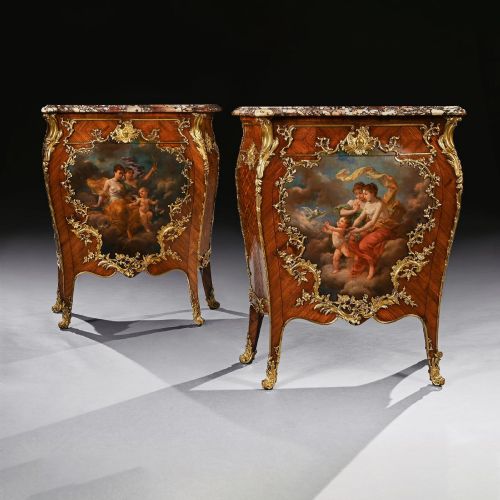
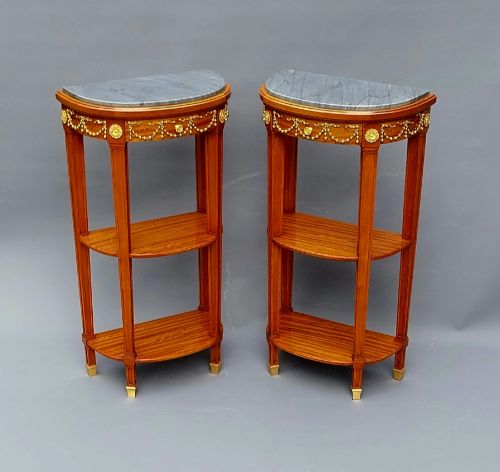
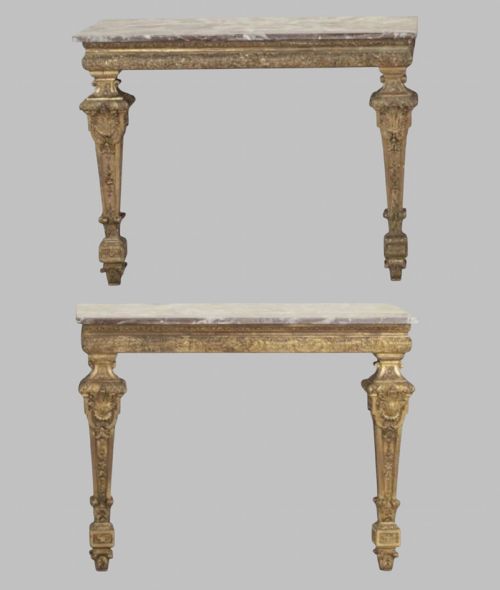
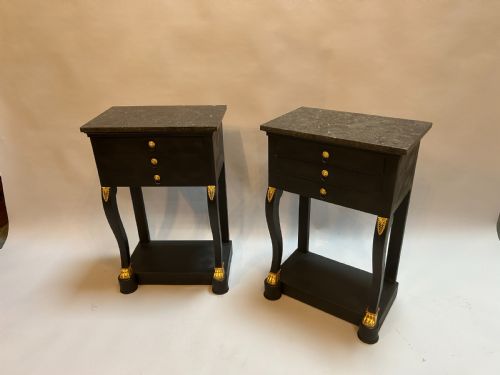
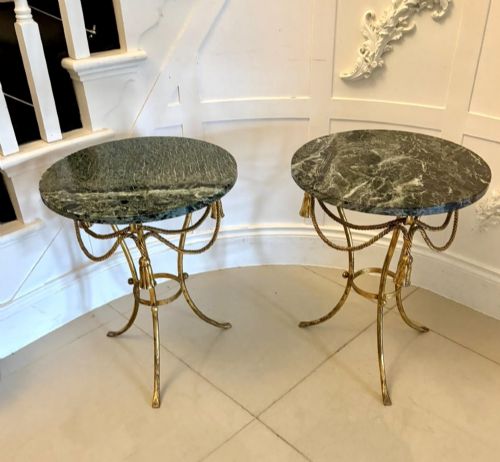
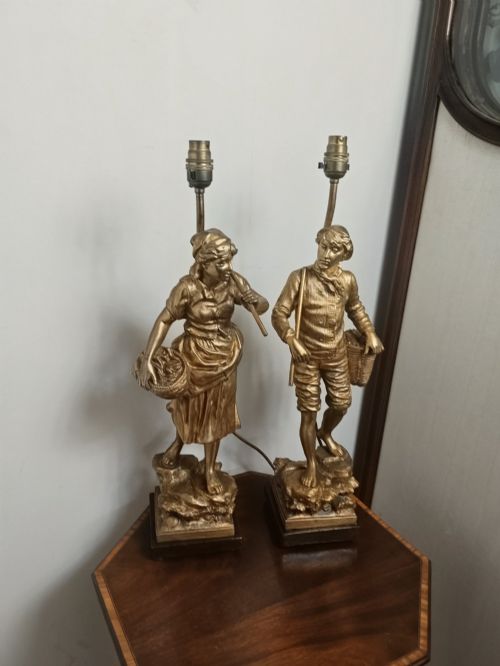
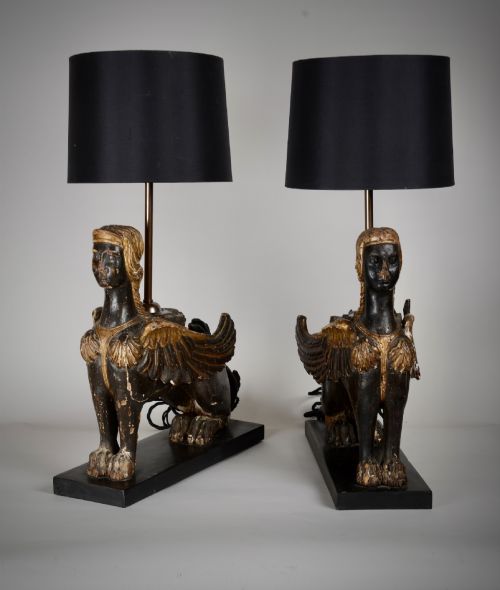
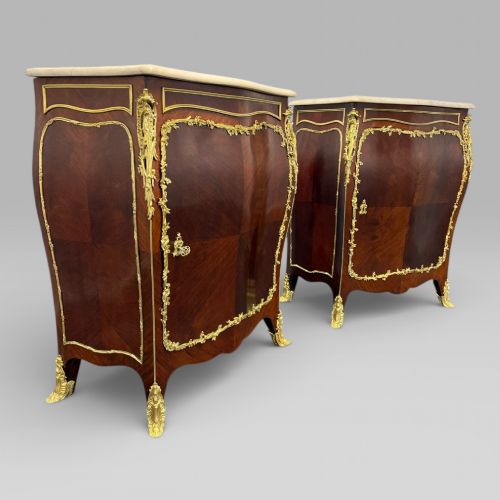
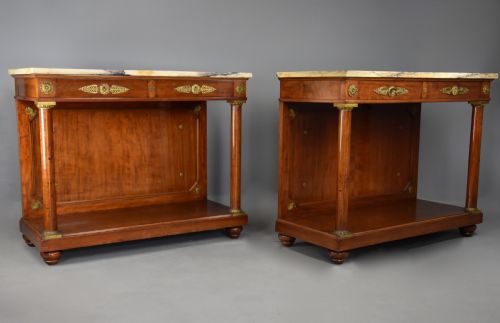
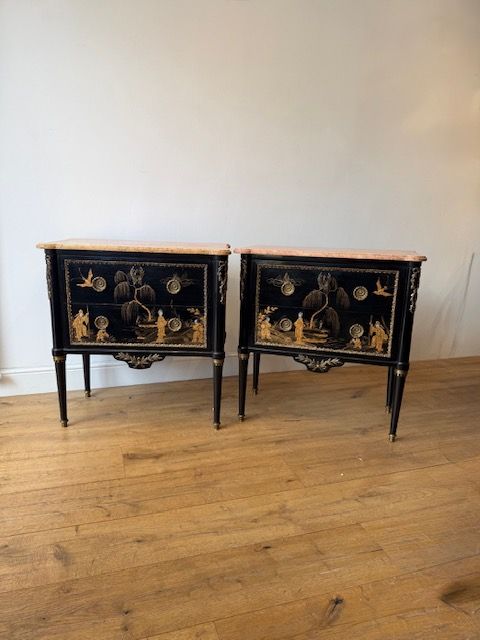
When searching for pair gilt side tables, buyers encounter matching pairs of decorative surfaces designed for domestic display and utility. The selection spans compact occasional tables, bedside cabinets, and grand console tables intended for principal reception rooms.
The objects originate across several centuries, with prominent representation from nineteenth century French workshops alongside eighteenth century and early twentieth century examples. Styles draw heavily upon neoclassical, rococo, and baroque revivals, frequently incorporating giltwood, ormolu, or gilt bronze mounts.
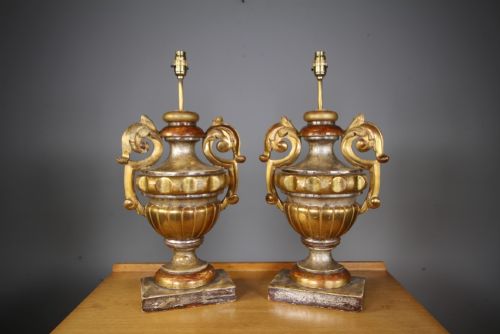
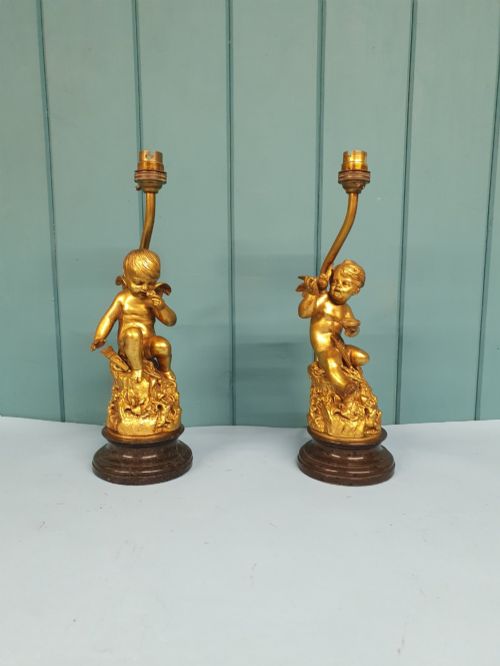
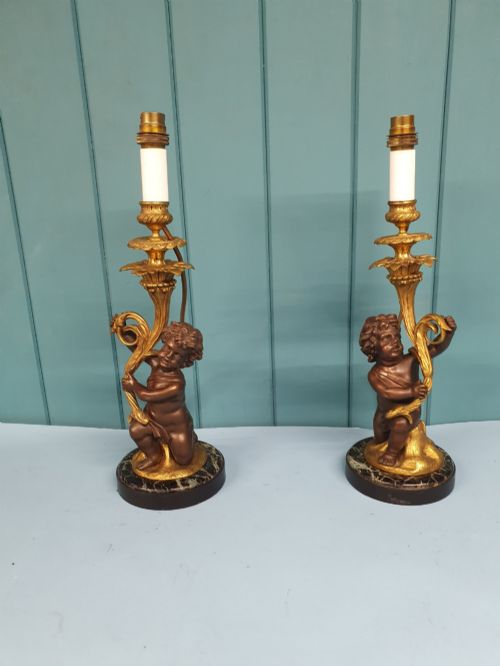
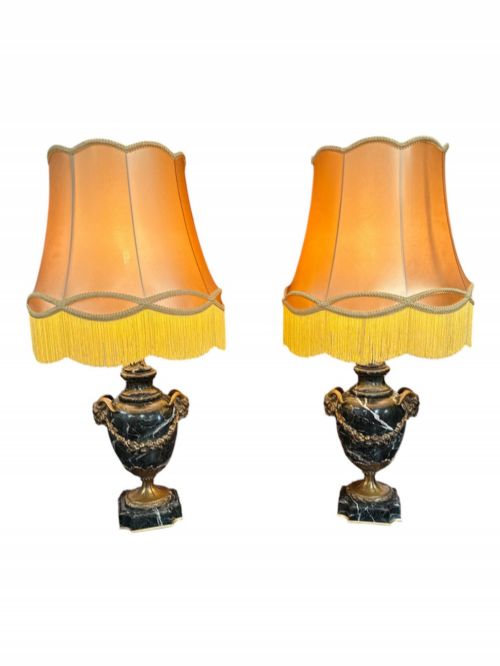
Many entries demonstrate how furniture forms blur into lighting, with numerous examples comprising table lamps, urn lamps, and cassolettes mounted with gilt metal or bronze. Marble tops in white, verde, and breccia varieties appear frequently alongside wood surfaces of mahogany, kingwood, and satinwood.
How they were made
Construction relies upon traditional cabinetmaking methods using timber frames of mahogany, pine, or kingwood, sometimes enriched with marquetry, lacquer, or painted finishes. Metalwork elements involve cast bronze, brass, or gilt metal, often finished with ormolu mercury gilding or gold and silver leaf applied to carved wood surfaces.
Stone integration forms a central part of the technique, with heavy marble and onyx slabs cut, shaped, and polished to fit precise table and console perimeters. Decorative mounts are secured by pins or screws, while intricate giltwood carvings utilise gesso grounds applied over timber bases before gilding.
Pair Gilt Side Tables Retail Price Guide 2026
Typical asking prices for pair gilt side tables among the pieces listed under this phrase on Sellingantiques today, from the lower quarter to the upper quarter. They describe what is for sale here now, not the wider market.
Listings feature marble, brass, ormolu, gilt bronze, giltwood, and gilt metal across eighteenth, nineteenth, and early twentieth-century pieces.
What varies in quality
Quality rests upon the crispness of the carving, the weight and detail of the cast bronze or ormolu mounts, and the integration of the marble tops. Finer examples display hand-chased metalwork and deeply carved giltwood rather than mass-produced composition ornament.
Signatures, stamps, and maker attributions elevate certain pieces, distinguishing standard workshop production from notable Parisian makers and cabinetmakers working in recognised revival styles. The depth of the gilding and the selection of figured timber veneers also determine the standing of individual tables.
E Rousseau·Krieger Paris·E. Kahn·F. Linke·Donald Ross
The Pair Gilt Side Tables Glossary
- Ormolu
- Gilded bronze, where a finely ground gold-mercury amalgam is applied to cast bronze and heated until the mercury vaporises. This technique leaves a durable, rich golden surface typical of high-end French decorative objects.
- Giltwood
- Timber, usually pine or lime, that has been carved and coated with layers of gesso before gold leaf is applied. It provides the reflective surfaces seen on baroque and rococo revival frames and tables.
- Breccia marble
- A composite stone made of broken fragments cemented together by a fine-grained matrix, creating variegated patterns. It appears frequently on nineteenth-century console and occasional tables.
- Vernis Martin
- A type of simulated Japanese lacquer developed in France during the eighteenth century, using multiple layers of varnish. It decorated fine cabinetry and small tables across subsequent revival periods.
- Cassolette
- A decorative vessel shaped like an urn, often adapted as a lamp base or table ornament. These pieces frequently feature bronze and ormolu mounts.
Pair Gilt Side Tables: Frequently Asked Questions
What periods do these tables represent?
The evidence shows items spanning from the eighteenth century through the Victorian era and into the early twentieth century. Many pieces adopt earlier historical designs, such as Louis XVI or French Empire styles, produced during later revival periods.
Buyers find eighteenth-century originals alongside nineteenth-century interpretations and 1920s decorative furnishings. This mix reflects changing domestic tastes for ornate French and Italian aesthetics across multiple generations.
How were these tables used originally?
These surfaces served functional and decorative roles in formal interiors, acting as console tables in grand hallways or occasional tables in sitting rooms. Many functioned as lamp bases, bedside cabinets, or stands for decorative porcelain and cassolettes.
Their dual utility as both furniture and lighting fixtures made them versatile additions to drawing rooms and bedchambers. The inclusion of marble tops provided durable surfaces for holding heavy decorative objects.
How do I identify giltwood from gilt metal?
Giltwood consists of carved timber coated in gesso and gold leaf, showing grain or warm organic textures underneath where wear occurs. Gilt metal, brass, and ormolu are metallic alloys that feel cooler to the touch and display cast details rather than hand-carved tool marks.
Examining the underside or edges often reveals the underlying material beneath the golden surface. Ormolu and bronze mounts are typically secured with pins to wooden carcases.
Are marble tops original to the tables?
Marble tops on nineteenth-century and earlier tables were generally cut specifically to fit the timber frame or console base. Varieties like verde marble, white marble, and breccia were chosen to complement the gilt or wood finishes.
Matching the stone type to the period and style helps confirm authenticity. Heavier stone slabs sit within rebated wooden edges designed to support their weight.