



Vintage Gilt End Tables
These vintage gilt end tables bring together polished marble, carved wood, and gilded metal to form striking functional surfaces for any room.
Vintage Gilt End Tables
Vintage gilt end tables encompass a varied selection of compact occasional pieces, side tables, and lamp tables created across the nineteenth and early twentieth centuries. These pieces draw heavily upon continental European design vocabularies, notably French Rococo, Louis XV Revival, and Italian Neoclassical traditions.
Materials and construction
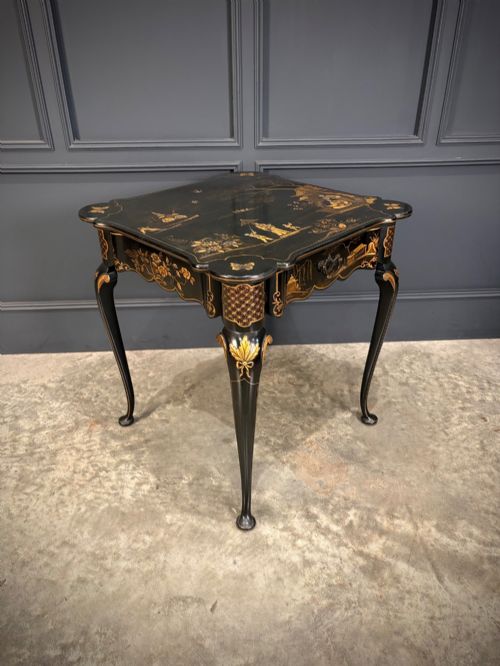
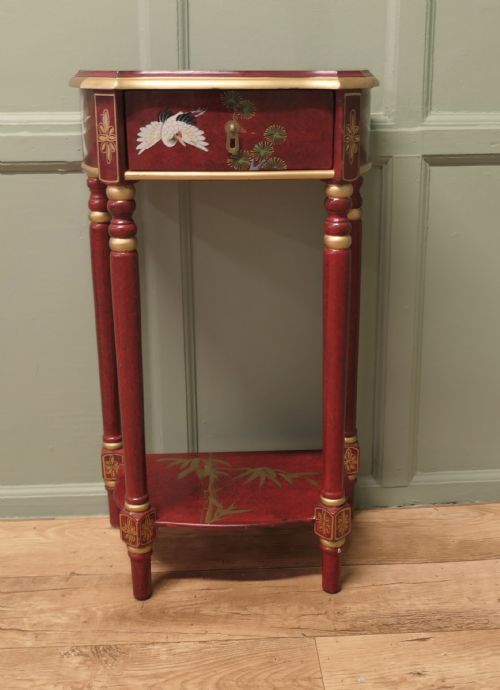
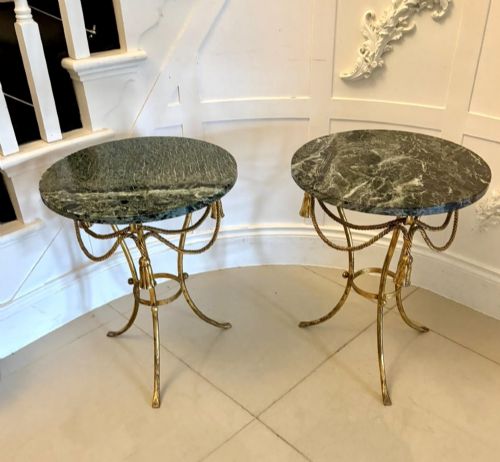
Makers utilised dense timbers such as mahogany and rosewood as foundational structures, often applying paint or specialised finishes to the wooden bodies. Surfaces were frequently topped with inset marble slabs, including verde marble, which provided a cool, durable working area atop the wooden frames.
Decoration relied heavily on cast brass, ormolu, and gold or silver gilt treatments applied to carved wood and metal mountings. Artisans shaped these elements into intricate details like tassels, dolphins, and floral motifs, securing them to the tables to catch and reflect light.
Vintage Gilt End Tables Retail Price Guide 2026
Typical asking prices for vintage gilt end tables among the pieces listed under this phrase on Sellingantiques today, from the lower quarter to the upper quarter. They describe what is for sale here now, not the wider market.
Listings feature items spanning the nineteenth century up to nineteen-twenty, incorporating brass, marble, and hand-painted wood.
Assessing quality and craftsmanship
Quality reveals itself in the precision of the carving and the weight of the metal mounts, where hand-chased ormolu displays sharper definition than mass-produced alternatives. The integration of materials, such as the snug fit of a marble top within a wooden frame, demonstrates superior cabinet-making standards.
The sophistication of the stylistic execution distinguishes finer examples, with fluid lines in revival pieces showing a deeper adherence to historical proportions. Furthermore, the preservation of original gilding and painted decoration maintains the integrity of the piece against later surface alterations.
The Vintage Gilt End Tables Glossary
- Ormolu
- Gilded bronze or brass applied as a decorative mount to furniture. This technique gained widespread use in French cabinet-making during the eighteenth and nineteenth centuries.
- Verde marble
- A dark green ornamental stone often featuring white veining. It was frequently utilised for table tops to provide contrast against gilt metal and dark timber.
- Louis XV Revival
- A nineteenth-century design style inspired by the curves, asymmetrical cartouche motifs, and naturalistic ornamentation of the mid-eighteenth-century French court.
- Chinoiserie
- European theatrical interpretations of Chinese and East Asian artistic traditions. This style involves decorative motifs painted onto lacquer or wood surfaces.
Vintage Gilt End Tables: Frequently Asked Questions
What is an end table used for?
These pieces serve as practical surfaces positioned beside seating or beds to hold lamps, books, and decorative objects. Historically, many were specifically designated as lamp tables or occasional tables to accommodate household lighting and small items.
Their compact footprints allow them to fit into smaller spaces while adding a decorative focal point to a room through their gilt finishes and detailed woodwork.
How do I identify a revival style?
Revival pieces borrow their design language from earlier historical periods, such as the French Rococo or Italian Neoclassical movements. Look for characteristic shapes like kidney-shaped tops, cabriole legs, and specific decorative motifs.
Examining the materials, construction joints, and framing techniques helps determine whether a piece dates from the nineteenth-century revival era or the original period it emulates.
Are marble tops original to these tables?
Many nineteenth and early twentieth-century occasional tables incorporate inset marble slabs designed to handle the weight and heat of heavy lamps. These stone surfaces were integrated into the initial construction to provide a durable and luxurious finish.
Inspecting the inner ledge and the fit between the stone and the surrounding wooden frame helps confirm whether the top belongs to the original manufacture of the table.
How should I care for gilded wood?
Gilt surfaces require gentle handling to preserve the delicate layer of gold leaf or metallic paint applied to the wood. Dusting should be performed softly with a dry cloth, avoiding harsh chemical cleaners or abrasive materials that can wear away the finish.
Keeping these tables away from direct sunlight and excessive moisture prevents the underlying timber from warping and protects the metallic decoration from tarnishing.